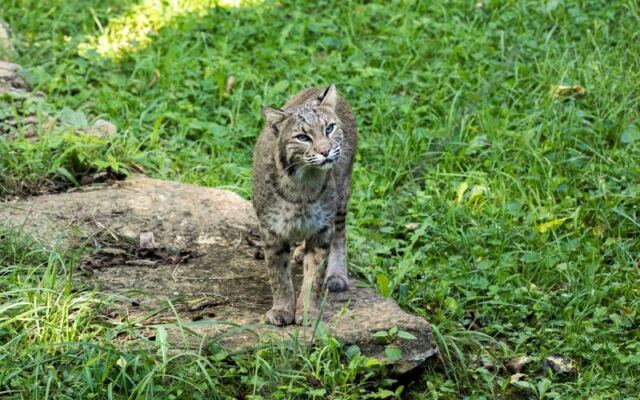
A bobcat along your fence is most likely after one of a few simple things: a meal of rabbits or small mammals, a quiet route across your property, or a bit of cover. One sighting cannot tell you which.
Bobcats are shy, and the risk to people is very low, though small pets and poultry deserve some planning. Here is what the animal may be doing and what to do about it.
Does winter bring more bobcats into view?

Bobcats live across Kentucky, according to a Kentucky Fish and Wildlife article. That article calls them elusive and most active around sunrise and sunset.
It does not say that sightings climb in winter.
That point matters, because the idea that winter brings more bobcats into view is common but not proven for Kentucky. The material reviewed here does not establish a statewide winter rise in sightings.
The Kentucky article is also from 2011, so it is a source of general species information. It is not current population monitoring and it does not show recent sighting trends.
Three different things often get mixed together. Animal activity is how much a bobcat actually moves around.
Visibility is how easy it is for people to notice that movement. Reported sightings are how often someone tells a neighbor, a wildlife agency, or social media.
Any of these can change without the others changing.
Research summarized by the U.S. Forest Service reports seasonal shifts in activity in some studied bobcat populations.
Those results come from specific places and do not prove a Kentucky winter increase in sightings.
Here is a practical example. Bare trees and early sunsets mean you may be looking out a window at dusk, when bobcats tend to be moving.
You might notice one more easily in January than in July, even if the animal’s behavior has not changed. A sighting is worth noticing, but it does not prove that bobcats are more numerous or more active than usual.
Rabbits and small mammals can be prey
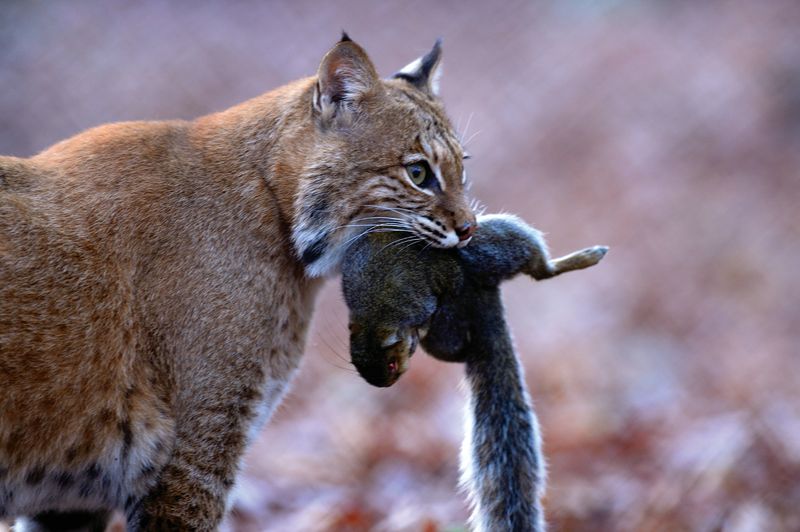
Mice, rats, rabbits, birds, reptiles and even deer are all listed among bobcat foods in the Kentucky Fish and Wildlife article. So a yard with rabbits or rodents can plausibly be part of a bobcat’s hunting range.
Plausible is the key word, though.
Diet shifts with region and with what prey is available. Forest Service research notes that rabbits are principal prey across much of the bobcat’s range.
In the Southeast, bobcats may rely heavily on rabbits and cotton rats. Rodents are not always the main food, and what one bobcat eats in one county may differ from another.
Knowing the menu does not tell you why one animal showed up on one evening. A bobcat that eats rabbits may be crossing your land on its way elsewhere.
It may also be resting, or it may be hunting something you never saw. Nothing about a single glimpse confirms what it was pursuing.
You can still use the prey idea in a practical way. If you often see rabbits at dusk, or hear rodents in a woodpile, your yard offers the kind of food a bobcat may eat.
That does not mean a bobcat will come. It simply means the conditions are there, and that is a reason to think about food and cover, which a later section covers.
A fence-line sighting does not reveal the bobcat’s purpose
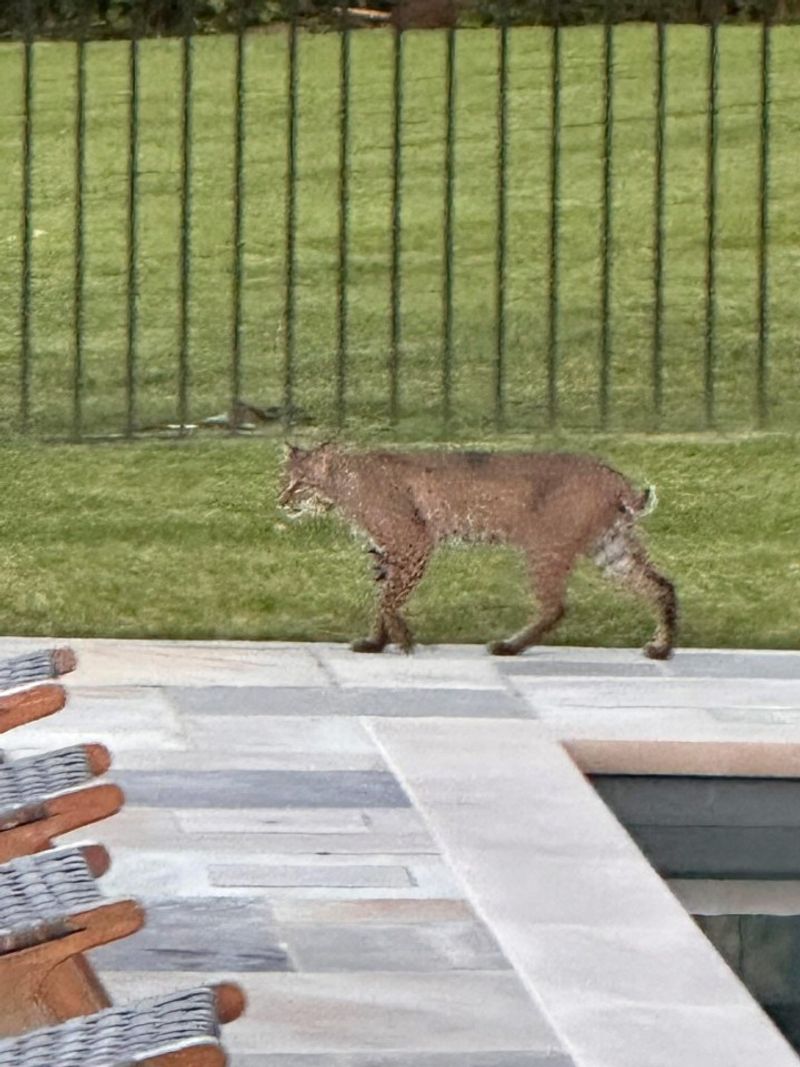
Picture a bobcat padding along the edge of your yard. It is easy to guess it is stalking something.
A single sighting cannot support that guess.
The sources reviewed here do not show that fence lines attract bobcats. A fence may simply be where you happened to look.
A bobcat may be passing through, using cover such as shrubs or tall grass at the edge, or hunting. Each fits what you saw, and one glance rarely separates them.
The Kentucky wildlife article describes the species as elusive, so a calm animal moving steadily along an edge is behaving in a way that fits a secretive cat. Seasonal activity patterns reported in Forest Service research come from other places, so they do not explain one Kentucky visit.
Some clues can help you gather more useful information. Note the time of day and whether the animal paused, sniffed, or kept moving.
Check whether it returns on later evenings. Repeat visits at the same hour suggest a regular route, though even that does not prove a motive.
The takeaway is modest. Treat the sighting as a nudge to check your yard setup, not as proof that your fence is drawing wildlife.
People face little risk; protect small animals
For people, the risk is very low, though not zero. New York’s bobcat management plan describes attacks on humans as very rare and notes that recorded New York attacks involved rabid bobcats.
It is useful context, but it is not a Kentucky incident rate, so it cannot tell you the odds where you live.
Small animals are the more practical concern. The same plan describes pet or livestock losses as generally uncommon, so there is no reason to assume bobcats commonly attack pets.
Still, a small dog or cat left outside at night is easier prey than a person ever would be.
The Michigan Department of Natural Resources offers practical guidance that works well anywhere, though it is not Kentucky law or policy. It advises supervising small pets or keeping them indoors, especially at night.
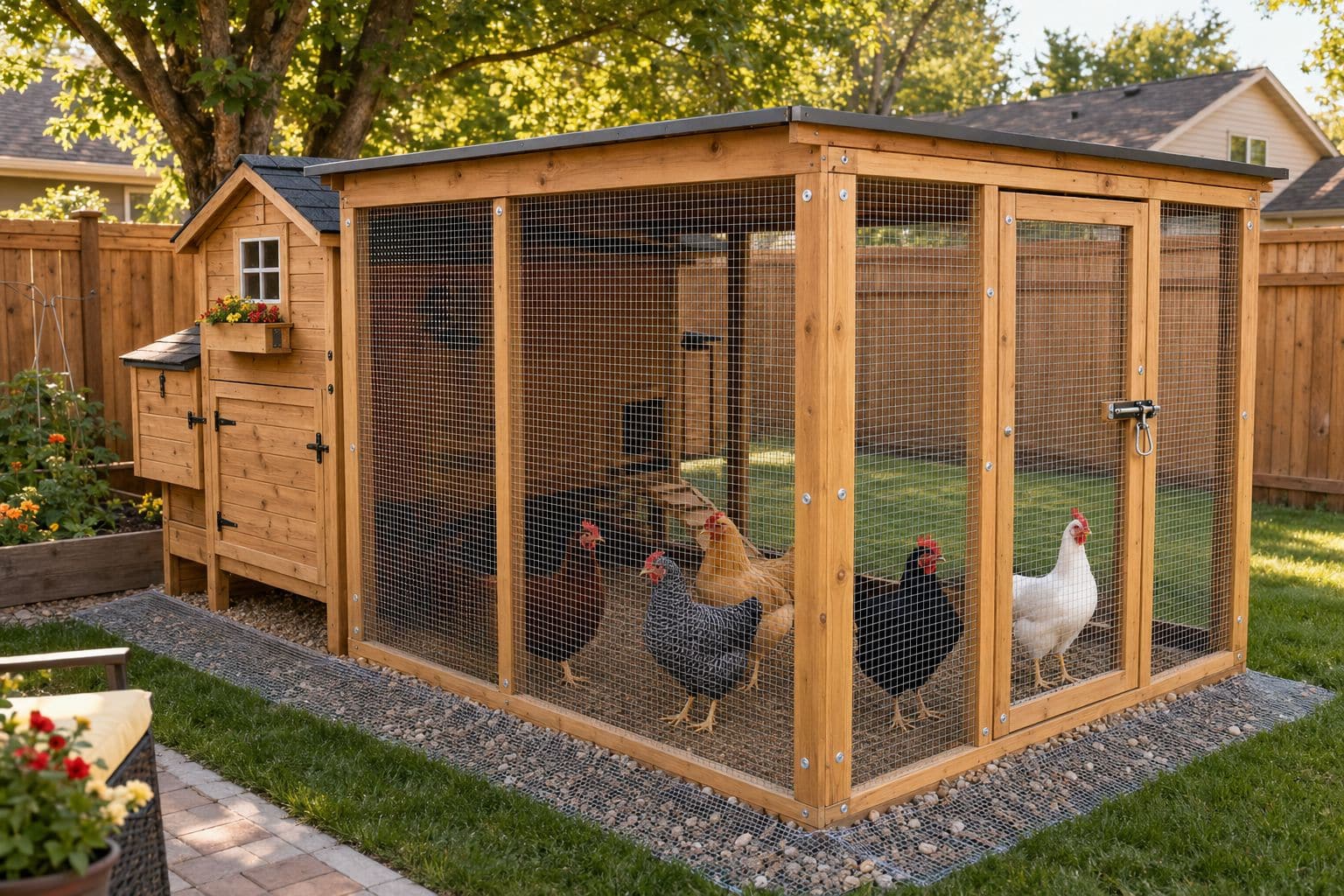
It also recommends keeping poultry and other small animals in sturdy, roofed enclosures.
Here is what that looks like at home. Walk small dogs on a leash and stay with them in the yard at dusk and after dark.
Bring cats inside for the night. For chickens, rabbits, or other small livestock, check that wire is strong, gaps are closed, and the top is covered, because a roof matters as much as walls.
Reduce food and cover for prey around the yard
Cleaning up the yard is the most dependable step. Predators may follow prey, so the goal is to give rabbits and rodents fewer reasons to hang around.
That is not proof that any item draws a bobcat directly.
The Michigan DNR’s wildlife guidance points to a few simple habits. These are practical suggestions rather than Kentucky rules.
Start with food. Store pet food and livestock feed in sealed containers, and keep garbage in cans with tight lids.
Sweep up spilled birdseed under feeders, since seed attracts mice and rats along with other small animals.
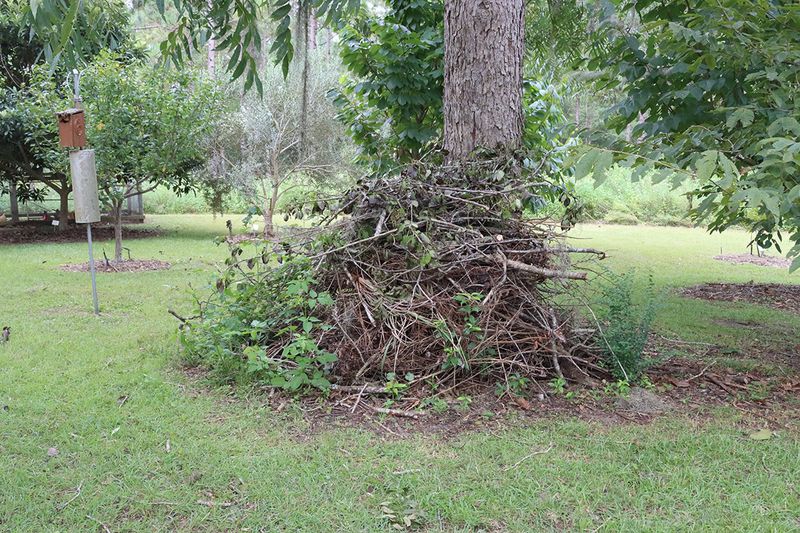
Next, look at cover. Brush piles, stacked debris, and dense vegetation near buildings give rodents places to shelter.
Thinning or clearing some of it makes the area less comfortable for them. Keep winter cleanup realistic, and focus on spots close to the house, coops, and pens.
What about gadgets? Motion-activated lights and sprinklers may have limited or short-lived effects, since animals can get used to them.
Treat them as a possible extra, not a fix. Securing vulnerable animals and removing food and cover will do more good than any device.
Give a bobcat space and know when to seek help
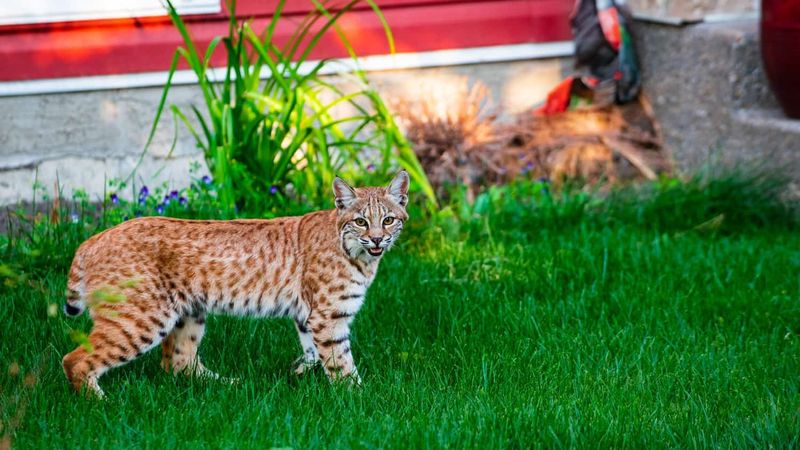
If you see a bobcat, enjoy it from a distance. Keep people and pets away, and do not approach, feed, corner, or try to capture it.
Give it a clear path to leave, and bring pets indoors.
Seeing one in daylight does not by itself mean the animal is sick or aggressive. Daytime activity can be normal.
Michigan DNR guidance, which is practical wildlife advice rather than Kentucky policy, says a sighting alone is not a cause for alarm.
Behavior is the better signal. A bobcat that acts unusually, such as appearing disoriented, not fleeing from people, or behaving aggressively, is a reason to call.
Contact animal control or the appropriate wildlife agency, and keep your distance while you wait.
In the rare case of a bite or scratch, wash the wound and get prompt medical or public-health advice about rabies risk. CDC guidance on when to seek care explains the steps.
Do not try to judge the risk yourself, because a professional can decide what is needed.
A bobcat that crosses your yard and moves on has done what wild cats do best: passed unnoticed by most people.
Share this story