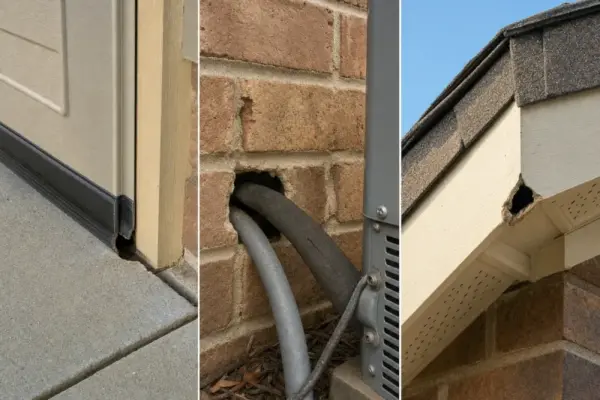
When Arizona nights finally cool off, people are not the only ones looking for a warm place to sleep. Kissing bugs, also called conenose bugs, start creeping into homes to find heat and a blood meal.
These insects can carry a parasite that causes Chagas disease, so knowing where they hide is a smart way to protect your family and pets. Here are eight bedroom spots worth checking before you climb under the covers tonight.
1. Under the Mattress and Box Spring
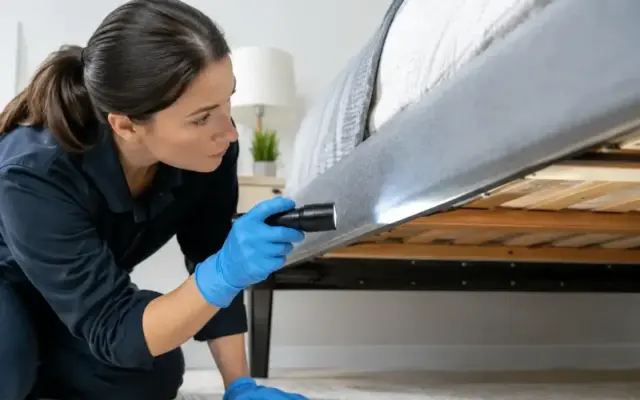
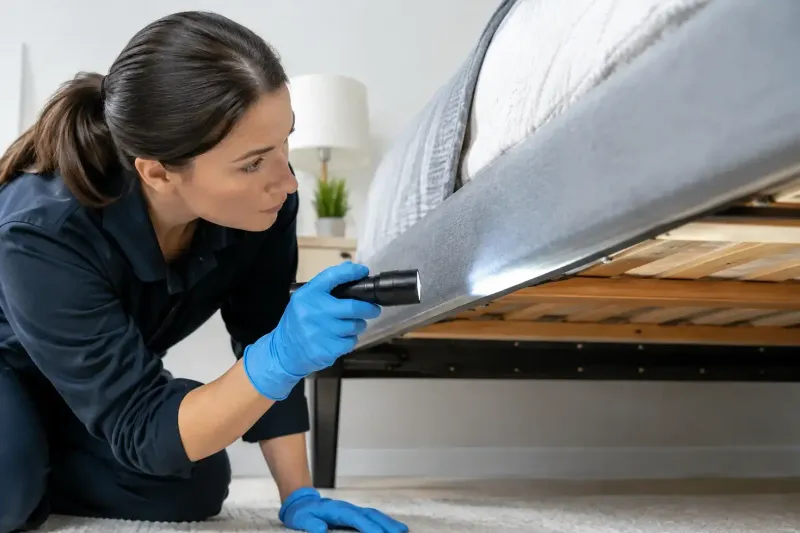
Picture a bug that hunts by sensing your breath and body heat. A kissing bug wants to stay as close to a sleeping person as possible, and the mattress is the closest hiding place it can find.
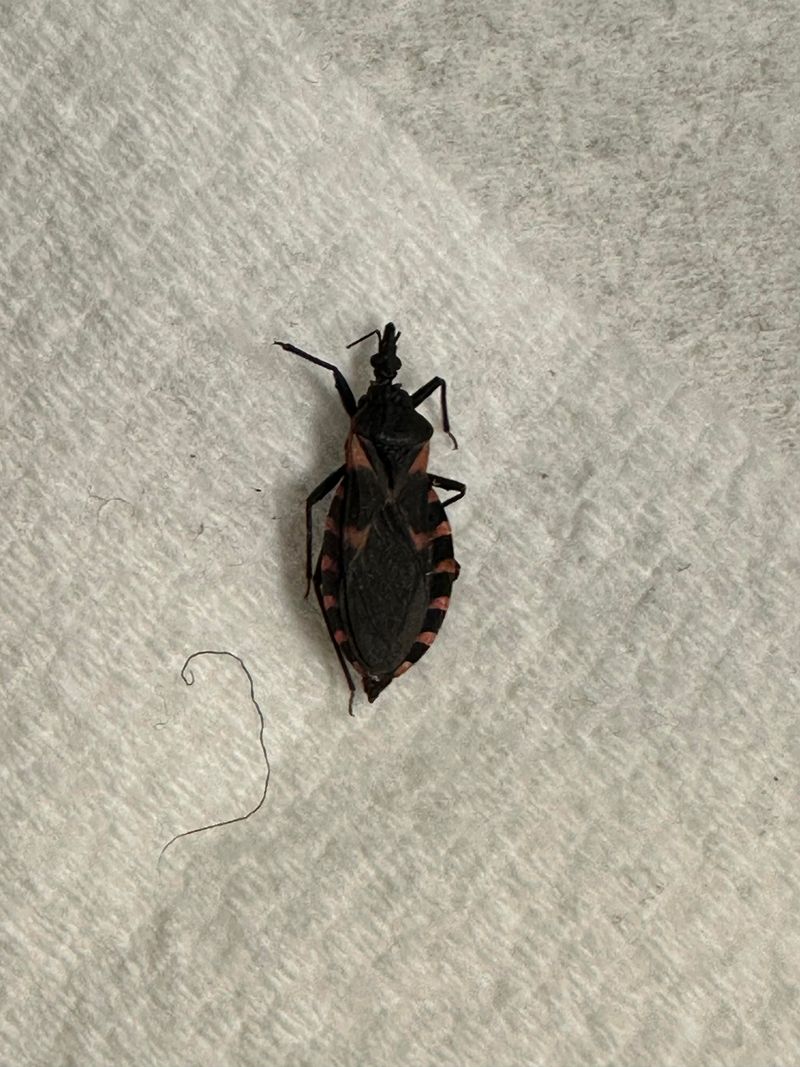
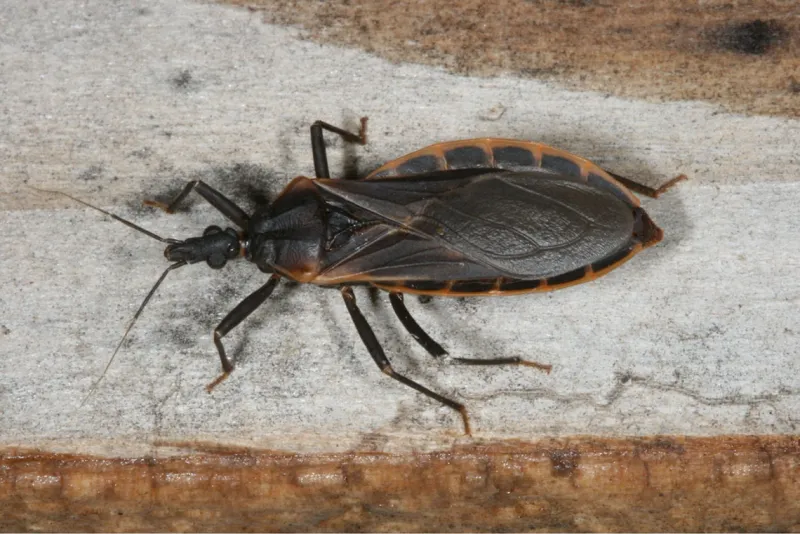
Lift each corner of the mattress and shine a flashlight along the seams, piping, and the gap between the mattress and box spring. Adult kissing bugs are about an inch long, dark brown or black, with orange or red stripes around the edge of the body.
Smaller nymphs look similar but have no wings.
Also watch for tiny dark smears or specks, which can be bug droppings. If you spot one, do not crush it with bare hands.
Use gloves or a jar, since the parasite lives in the bug’s waste, not its bite.
2. Headboard Cracks and Bed Frame Joints
Wooden headboards look cozy, but to a kissing bug they are an apartment building full of tiny rooms. Every crack, screw hole, and joint gives the insect a dark place to wait during the day.
Pull the bed a few inches from the wall and inspect the back of the headboard, where people rarely look. Run a thin card along gaps to flush out anything hiding.
Metal frames have hollow tubes and corner brackets that deserve a peek too.
A quick fix helps a lot. Caulk or wood filler can seal open cracks, leaving fewer places for bugs to settle in near your pillow.
3. Gaps Around Windows and Window Screens
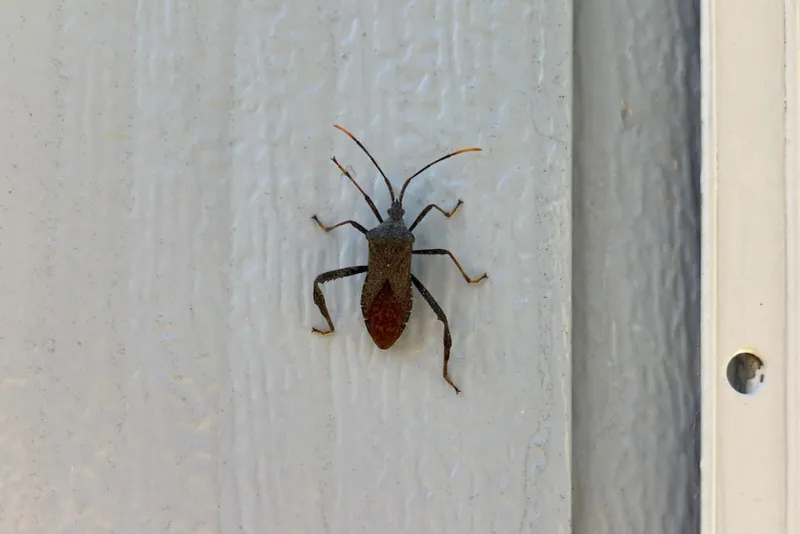
Here is a funny thing about kissing bugs: they love porch lights almost as much as moths do. On warm fall evenings they fly toward bright windows, then crawl inside through any opening they can find.
Check your bedroom window screens for small tears, bent frames, or loose corners. Look at the gap where the window meets the frame, especially on older homes.
Even a crack the width of a pencil is enough.
Repair kits for screens are cheap and simple to use. Switching outdoor lights near bedroom windows to yellow bug bulbs can also make your home less of a beacon after sunset.
4. Baseboards and Floor Corners
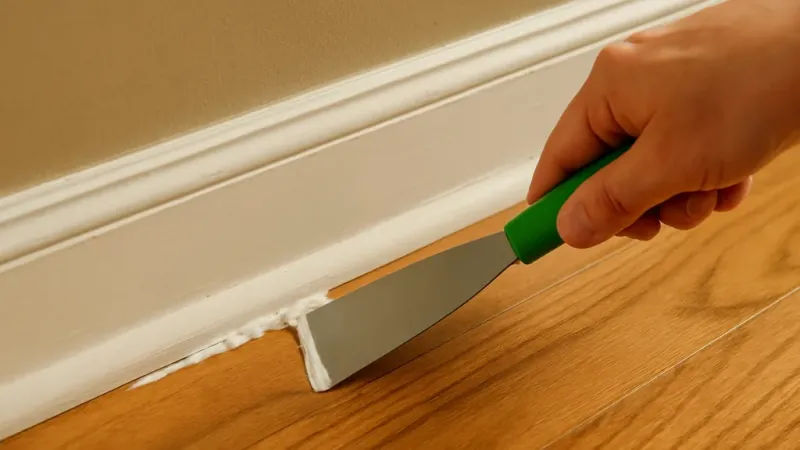
Grab a flashlight and get down on your hands and knees. It may feel silly, but the space where the floor meets the wall is a favorite hiding zone for crawling insects of all kinds.
Many Arizona homes have tile floors, and baseboards can pull away slightly as houses settle. Those thin gaps give kissing bugs a straight path from room to room.
Corners near the bed are the most important ones to examine.
Sealing baseboard gaps with clear caulk takes an afternoon and pays off for years. It also keeps out scorpions, which is a nice bonus in the desert.
5. Pet Beds Inside the Bedroom
Dogs can get Chagas disease too, and many veterinarians in southern Arizona see it every year. If your furry friend sleeps in your room, its bed may be the first stop for a hungry kissing bug.
Pet beds hold warmth, carry strong animal scents, and often sit on the floor where crawling bugs can reach them easily. Shake out the bed outside, check the seams and cushion folds, and wash the cover in hot water every week or two during fall.
Talk to your vet if your dog seems unusually tired, has a swollen face, or struggles with exercise. Catching problems early makes a real difference for pets.
6. Closet Floors and Stored Clutter

Think about the last time you cleaned the bottom of your closet. If the answer is a long time ago, you are not alone, and kissing bugs appreciate the mess.
Piles of shoes, cardboard boxes, and clothes on the floor create dark, undisturbed shelters. Cardboard is especially attractive because it has tiny folds and edges.
Swapping boxes for sealed plastic bins removes a lot of hiding spots at once.
Give the closet a full clear-out each fall. Vacuum the corners well, then empty the vacuum bag outside into a sealed trash bag.
7. Behind Nightstands and Wall Decor
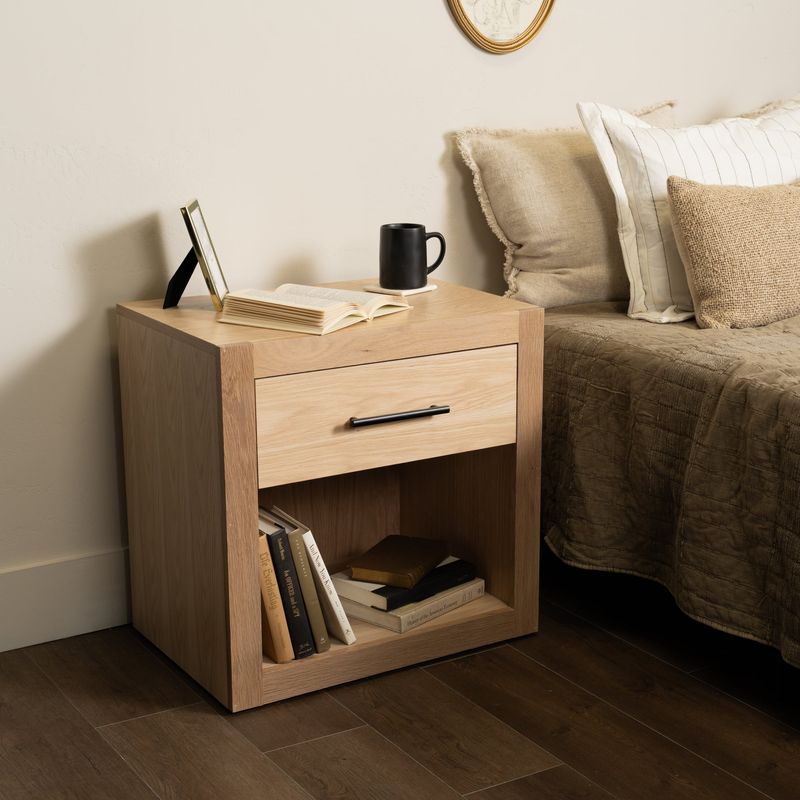
Some hiding spots are sneaky because they look so ordinary. The small space behind a nightstand or a picture frame stays dark and still for months at a time.
Slide your nightstands away from the wall and wipe down the back panels and floor. Tilt framed pictures and mirrors to check behind them, since bugs can climb walls and tuck themselves into those narrow pockets.
Did you know? Kissing bugs got their nickname because they often bite people near the lips or eyes while they sleep.
Keeping the area around your head clutter-free makes sense for that very reason.
8. Door Sweeps and Outside Wall Entry Points
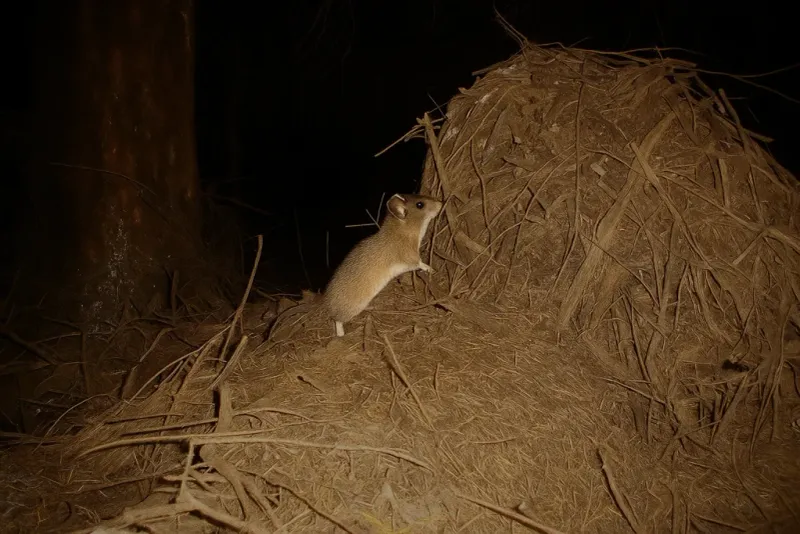
Stopping a problem at the door beats chasing it around the room. In Arizona, kissing bugs often live in packrat nests, woodpiles, and rock piles close to houses.
Check the bottom of any bedroom door that leads outside. If you can see daylight under it, add or replace the door sweep.
Walk around the outside of your home and look for cracks in stucco, gaps around pipes, and holes near the foundation.
Clearing packrat nests and moving firewood away from walls removes the bugs’ favorite neighborhood. If you find a suspected kissing bug, the University of Arizona and local health departments can help identify it, so save it in a sealed container.
Share this story