Maryland law gives you real options when a neighbor’s dog keeps leaving waste in your yard, but the rules come from your county or town, not from one statewide cleanup law. Some local codes make the owner clean up waste left on other people’s property, while others say little about it.
Knowing which rule covers your home can save you stress and keep a small problem from becoming a feud. Here is how to sort it out calmly.
Local rules differ across Maryland
Before you decide what the law requires, find out which county, and sometimes which town, governs your property. Maryland does not have one rule that settles every neighbor-dog-waste dispute.
The cleanup duty and the complaint route are set locally, so a rule that works in one place may not exist in the next.
A few examples show the range. Anne Arundel County’s animal laws make an animal’s owner responsible for removing waste left on another person’s private property.
Montgomery County’s code bars allowing an animal to defecate on property outside the owner’s own property.
Frederick County looks different. Its Health Department says on a county FAQ page that it has no regulations addressing excessive accumulation of dog feces.
That does not mean Frederick County has no animal-related rules of any kind, only that this particular problem is not covered there by the Health Department.
Even towns inside a county can have their own wording. Chesapeake City’s code is one example of a municipal rule with its own terms.
These four places are examples only, so verify the county and municipality that govern your property.
As you read local rules, keep three questions in mind: where did the dog leave the waste, what did the owner do about it, and how can residents ask for help? The next sections take those one at a time.
Where the dog leaves waste matters
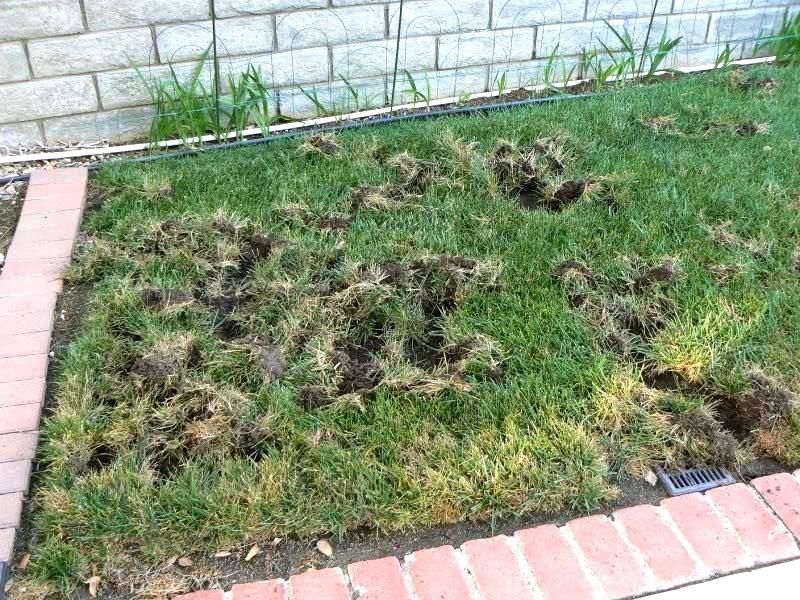
People say “the dog pooped in my yard” about three different situations. In the first, a dog enters your private property and defecates there.
In the second, an owner lets the dog defecate somewhere off the owner’s property, such as during a walk, and does not remove it. In the third, waste piles up on the owner’s own property and causes odor or sanitation worries.
A local code may address one of these and say nothing about the others. Matching your facts to the wording is the first real step.
Montgomery County’s code speaks to defecation outside the owner’s property and, separately, to letting an animal enter private property without permission. Those provisions fit the first two situations more naturally than the third.
Frederick County is a useful contrast. Its Health Department reports on its FAQ page that it has no regulations for excessive accumulation of dog feces.
A resident whose neighbor’s yard is the problem would find little help from that agency on that point.
A practical clue: if you saw the dog wander onto your lawn, you are likely in the first group. If the dog was on a leash with an owner who walked away, think of the second.
If the waste sits in the neighbor’s own yard, you are in the third, and you should check what your local agency says about sanitation or odor.
Local codes set cleanup duties and penalties

Cleanup duties and penalties are written locally, and the wording changes from place to place. Here are three examples, not a statewide list.
In Anne Arundel County, the owner is responsible for removing animal waste left on public walks, recreation areas, or private property other than the owner’s. According to the county’s animal laws page, violations of Article 12, Title 4 may carry a fine of $50 to $500.
Montgomery County words its rule differently. Its code bars allowing an animal to defecate on property outside the owner’s property.
As the code text shows, defecation on public property or a shared common area is allowed only if the owner immediately removes and properly disposes of the feces.
Chesapeake City takes yet another approach. Its code prohibits allowing a dog or horse to defecate on public or private property without the property owner’s permission unless the feces is immediately removed.
Its listed penalty schedule starts with a written warning and then increases.
Notice how the details shift. One place lists a fine range, another focuses on immediate removal in shared areas, and a town begins with a warning.
None of these is a Maryland-wide schedule.
Read the actual code for your jurisdiction, or call the local agency, before assuming a fine or a duty applies to your situation.
Use the complaint process for your area
Once you think a local rule may have been broken, the next step is reaching the right agency. Procedures differ, so here are two examples.
Montgomery County directs residents reporting a pet owner who fails to clean up after a pet defecates off the owner’s property to Animal Services through the police non-emergency number. The county’s 311 guidance lists exceptions for Rockville and park property, which have separate reporting contacts.
Anne Arundel County uses a paper-based approach. A resident who observed a violation of an animal-related law under Article 12 may file a notarized affidavit of complaint.
Animal Services reviews it and may issue a citation. Filing does not guarantee a citation.
If a citation is issued, the process includes a hearing and an avenue to appeal. That means both sides get a chance to be heard.
If you live somewhere else, do not assume either route applies. Look for your county or town animal control, code enforcement, or health department, and ask what information they need.
Dates, locations, and what you personally saw are usually the useful parts.
Use emergency numbers only for real emergencies. A dog waste complaint is normally handled through non-emergency channels.
Start with a calm request and a clear record

Many neighbors do not know their dog is causing a problem. A low-key approach often works faster than a formal complaint, though none of these steps is a legal requirement.
Start by confirming your jurisdiction and reading the relevant code. Then keep a dated record: when you noticed the waste, where it was, and any photos you can take safely from your own property.
Stay out of the neighbor’s yard.
Next, consider a calm, direct request. Something simple like, “I’ve noticed your dog has been in our yard, could you help keep it out?” keeps the tone friendly.
Choose a time when you are not upset, and avoid accusations.
If the problem continues, contact the agency that handles complaints in your area. Your notes will help you describe what happened without relying on memory.
Some places also point residents toward mediation. Anne Arundel County, for one, refers residents to mediation for disputes that have escalated, as described on its affidavit of complaint page.
Do not assume mediation is offered everywhere, so ask your local agency or community mediation program.
These steps are options, not guarantees. They simply give you a measured path before things get tense.
A nuisance claim depends on the circumstances
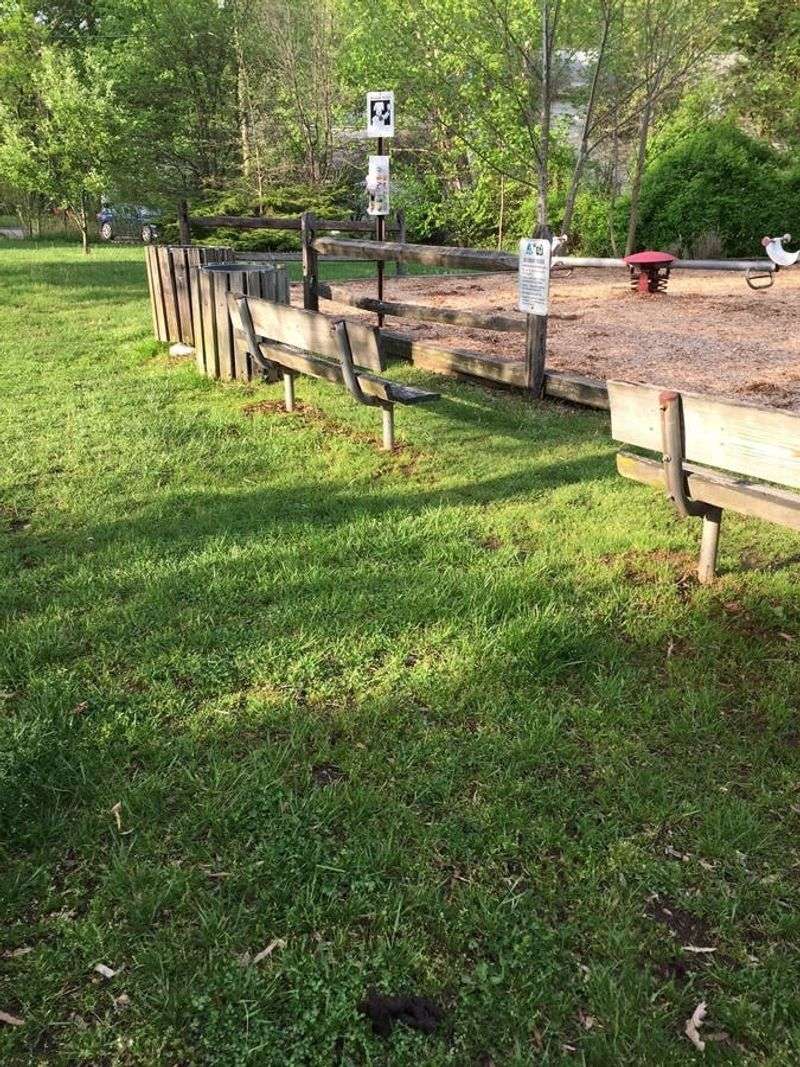
Some people wonder whether repeated dog waste gives them a private nuisance lawsuit. It might in some cases, but a claim is not automatic just because a neighbor’s conduct is annoying.
A Maryland appellate opinion describes nuisance as requiring unreasonable and substantial interference with the use and enjoyment of property, judged in context. The same opinion explains that ordinary or trifling annoyances do not necessarily support a claim.
In plain terms, courts look at how serious and how reasonable the interference is. An occasional mess is a different thing from a constant, severe problem affecting how you can use your home.
That opinion states a general legal standard. It does not decide whether any particular dog-waste dispute qualifies, and a single unpleasant incident should not be assumed to create a case or guarantee damages.
If the problem is serious and ongoing, a Maryland attorney or a local legal aid service can look at your facts and explain your options. Your dated notes and photos from earlier steps would help in that conversation.
For most people, a local complaint process or a friendly conversation is a more practical first move than a lawsuit.
Protect yourself and avoid escalation
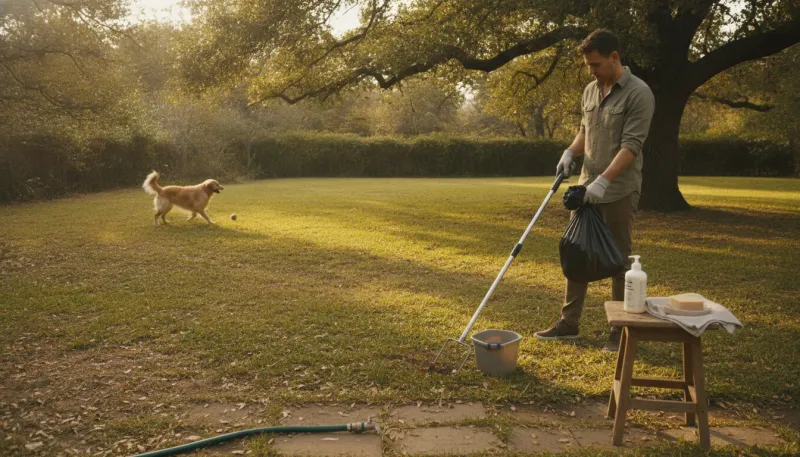
Dog waste is unpleasant, and it can carry germs. The CDC says on its dog health page to wash with soap and running water after contact with dog feces, even when you use a bag.
That does not mean every contact makes someone sick, just that clean hands are a sensible habit.
Wear gloves for yard cleanup, bag the waste, and keep children and pets away from the area until it is cleared.
Safety also means staying out of conflict. Do not approach or handle an unfamiliar dog, since you cannot know how it will react.
In Montgomery County, the code limits capture of a trespassing animal to humane action followed by prompt notification to animal control or law enforcement.
Never threaten a neighbor, and never use poison or any harmful substance to keep animals away. Those choices are unsafe and can create far bigger problems than a messy lawn.
Keep health steps separate from reporting. For official help, contact the animal control or code enforcement office for your county or town.
Check the local rule before taking the next step

Start by naming your jurisdiction and the type of problem you have. Next, confirm the rule and the reporting route with your local agency.
Then pick the calmest response that fits, from a friendly word with your neighbor to an official complaint.
A clear head and a clear record usually carry you further than anger. The best fix is often the one that lets you both keep living next door.
Share this story