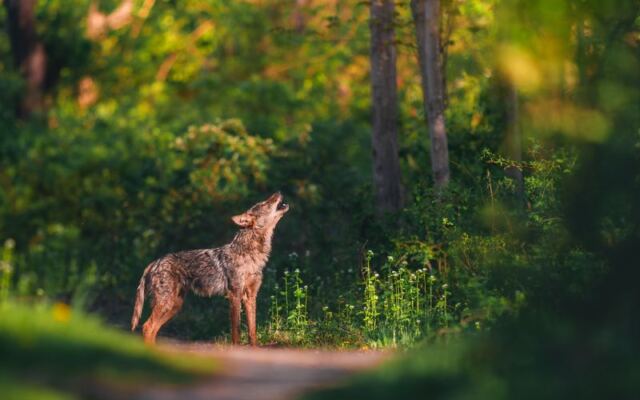
Those late-night howls and yips are coyotes talking to each other. They use their voices to keep in touch with family, mark out their space, and answer other animals nearby.
The sounds can be eerie, but knowing what they mean (and what they do not mean) can help you feel calmer. Here is what the calls can tell you, and what to do to keep your family and pets safe.
A howl communicates, but it does not give a diagnosis
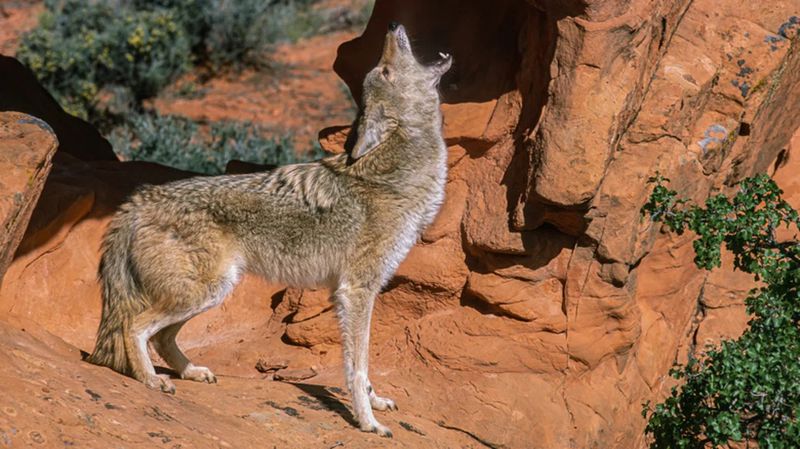
Coyotes use howls and yips to talk to one another. Clemson Extension describes these calls as a way for coyotes to locate family members, announce or defend territory, or respond to other animals nearby.
Think of a howl as a message sent out into the dark. Another coyote may reply, and a short back-and-forth can follow.
Sometimes the message is simply, “I’m over here.”
Those uses are possibilities, not a code you can read. A listener standing in the yard cannot tell from one howl whether a coyote is checking in with relatives, warning off a neighbor, or answering a siren in the distance.
Research on coyote calls shows they can signal that a territory is occupied and being maintained, but the sound alone does not reveal the exact situation. A peer-reviewed study of how people hear coyotes is a good reminder that human ears can be fooled by these sounds.
It also helps to know that coyotes are not hunting with a howl. A howl is a signal meant for other coyotes, and it tells you very little about what is happening near your house.
If the sound makes you curious, that is a fine reaction. Listen, notice the time and direction, and keep your attention on what you can actually see.
So the honest answer to “why are they howling?” is that they are communicating, in one of several ways, and nobody outside the conversation can say which.
Late-fall movement may bring coyotes into earshot
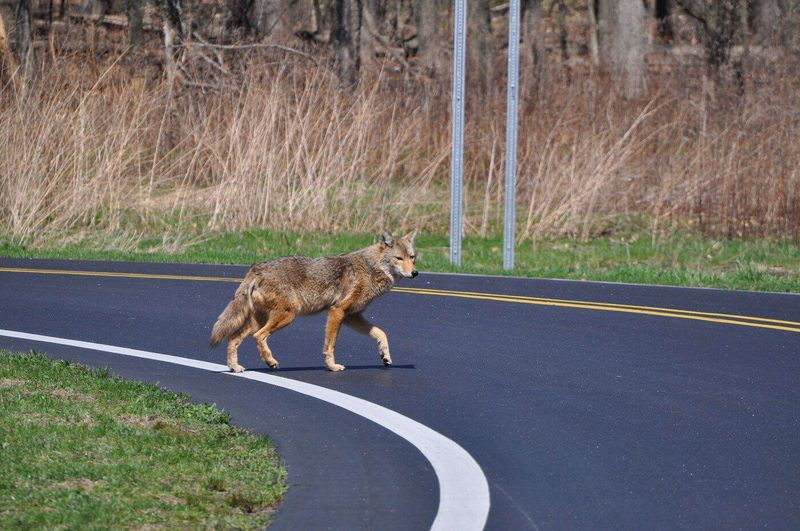
Coyotes are found all across the state. The South Carolina Department of Natural Resources says they live in all 46 counties.
That does not mean they are equally common in every county or neighborhood, only that nowhere in the state is outside their range.
Late fall adds another piece of context. A Southeastern coyote ecology synthesis describes young coyotes making excursions and dispersing, meaning leaving the area where they grew up, from late fall into early spring.
It includes evidence from South Carolina and nearby states.
The same report mentions preliminary findings of increased monthly space use in Alabama, Georgia, and South Carolina from November through April. The authors caution that some of these regional findings were preliminary or based on unpublished data, so treat them as a hint rather than a firm rule.
What does that mean on a quiet November night? It means a coyote moving through is a reasonable possibility.
A traveling youngster may call out, and residents or resident coyotes may answer.
It does not mean this is the reason for the howls behind your house. Seasonal movement is background, not a diagnosis.
Your neighborhood’s calls could come from animals that live nearby all year, and nothing about the sound can settle it.
Breeding and pups follow a different seasonal calendar
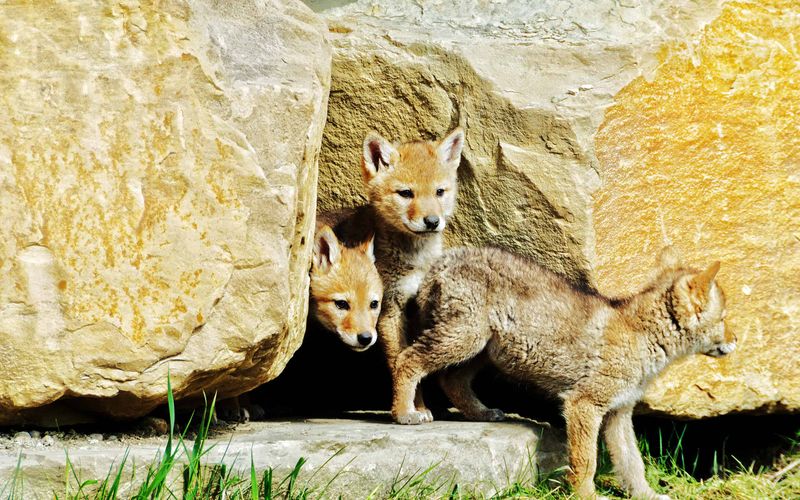
Many people assume that howling means mating. Breeding is real, but it belongs mostly to winter.
Clemson Extension places it from January through March, and SCDNR says peak activity is usually in February and March.
Pups then arrive in spring. By late fall, last spring’s pups are months old and growing more independent, which is why the calendar points toward young coyotes on the move rather than newborns near your home.
That is why mating and new pups are poor explanations for a howl you hear in November. Coyotes also call in other seasons, and calls serve more than one purpose.
These dates are useful for planning, though. If you know winter is breeding time and spring brings pups, you can expect activity to shift through the year.
They still cannot tell you what one coyote meant by one howl at 2 a.m. Use the calendar as background and leave it at that.
A chorus can make a small group sound larger
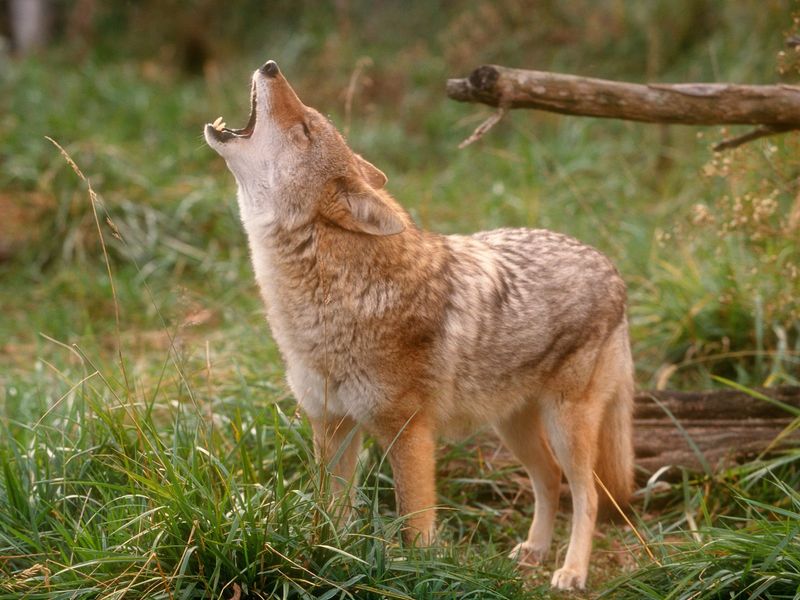
A wall of yips and howls sounds like a crowd. Often it is not.
Coyote voices overlap, bounce off trees and buildings, and change pitch quickly, which tricks the ear.
A study in Human-Wildlife Interactions found that people can misjudge how many coyotes they are hearing based on the vocalizations. SCDNR agrees, and its coyote fact sheet cautions that two howling coyotes can sound like many more.
So if the yard seems to be surrounded, try not to count voices. The number you imagine may be far bigger than the number of animals.
The same goes for danger. A loud, busy chorus is not proof that a large group is close, and it does not measure how risky the situation is.
Coyotes can sound dramatic from a long way off.
If you want to know what is really out there, look at what you can see, such as tracks, daytime sightings, or how an animal acts, instead of relying on sound alone.
Howling alone is not an alarm

Hearing a coyote after dark does not mean trouble is on your doorstep. Nighttime howling by itself does not establish an imminent threat to people or pets.
Still, SCDNR notes that coyotes can prey on pets, so sensible precautions make sense, especially for cats and small dogs.
The more useful question is how the animals behave. A howl from the distance or a coyote crossing the road is ordinary.
Repeated bold approaches, chasing, or confrontations deserve more concern. SCDNR guidance says frequent sightings along with coyotes chasing people or pets can show a loss of fear of humans.
If a coyote approaches you, do not run. SCDNR recommends acting assertively, such as standing tall, being loud, and making yourself look big.
The goal is to keep coyotes wary of people.
USDA research on hazing found that scaring coyotes can reduce approaches, but it also found that earlier feeding or close contact with people can change how coyotes respond.
Do not try to approach or handle an aggressive animal. Call for professional help, such as SCDNR or local animal control, and let trained people take it from there.
Make your yard less inviting

You cannot control what coyotes do, but you can control what your yard offers. SCDNR advice focuses on removing easy food and keeping pets close.
Start with trash and compost. Keep garbage in secure containers and cover compost so smells and scraps are not an open invitation.
Next, bring pet food inside before dark. A bowl left out overnight attracts more than your pet, and coyotes that find easy meals may return.
Small pets are the most at risk. When possible, keep them indoors at night.
During walks, keep dogs on a short leash so they stay near you.
A quick evening routine can cover most of this: check the porch, pick up bowls, close the lids, and bring pets in. It takes a few minutes.
Treat these steps as precautions, not guarantees. They lower the odds that coyotes will linger near your home, but they cannot promise that coyotes will stay away.
Also leave trapping and poison out of it. Poison is illegal in South Carolina, and aggressive animals are a job for professionals.
Judge the behavior, not the volume
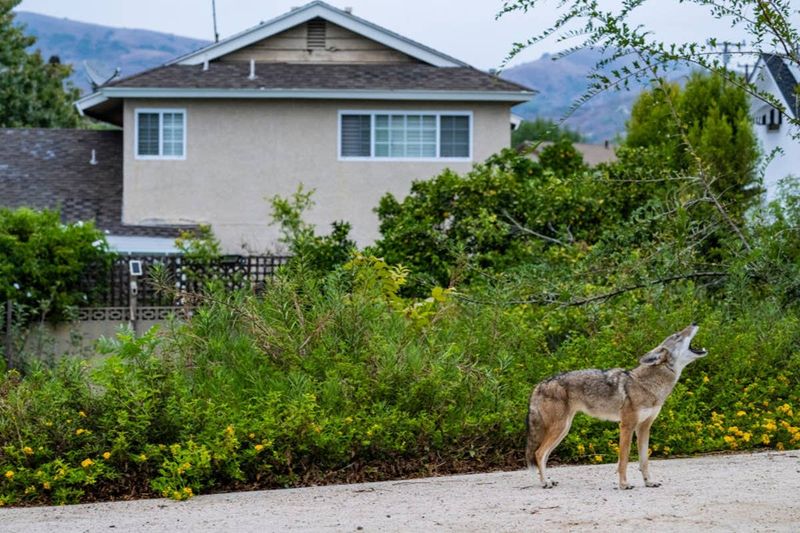
A chorus tells you coyotes are communicating, as Clemson Extension explains. It does not reveal one exact behavior, a reliable group size, or a danger on the way.
Keep food and pets secure, using the steps in SCDNR’s guidance, and base your concern on how coyotes act.
A spooky sound is just a sound. A coyote that stands its ground and follows you is the real signal.
Share this story