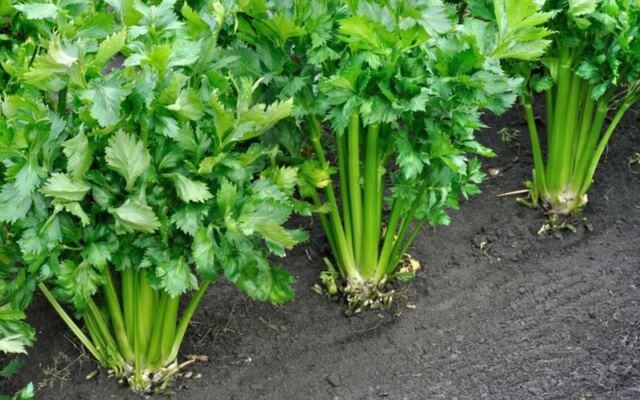
Eating celery every day adds a crunchy, low-calorie vegetable to your meals, with a little fiber and potassium along for the ride. It does not detox your body, melt away weight, or treat high blood pressure or blood sugar on its own.
Kentuckians can grow it too, though it takes some work. Here is what a daily stalk really does, and what it leaves undone.
What does a serving actually provide?
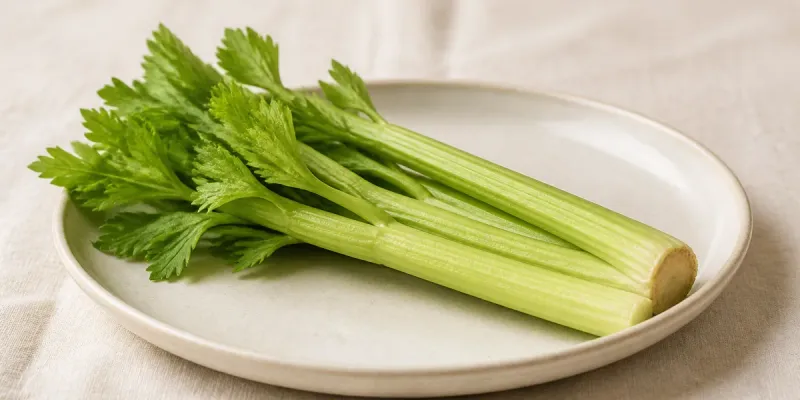
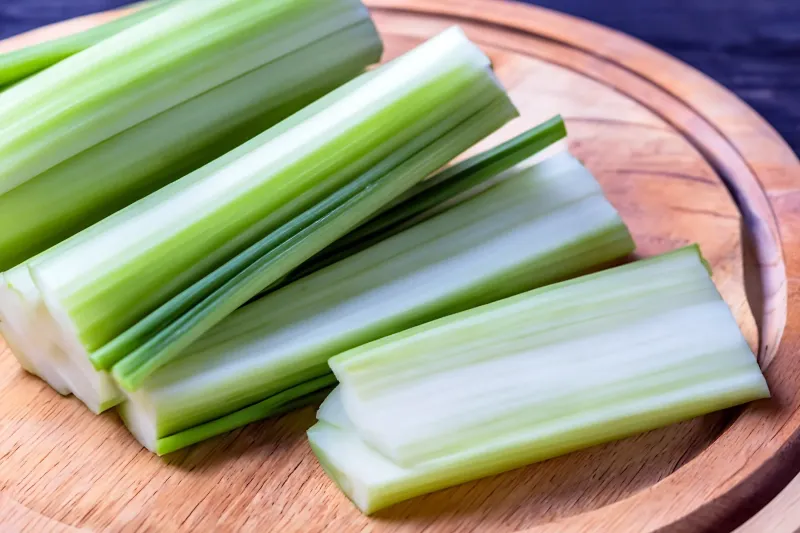
Two medium raw celery stalks, about 110 grams, add up to 15 calories, according to the FDA’s raw vegetable nutrition table. That same serving has 2 grams of fiber, 260 milligrams of potassium, and 115 milligrams of sodium.
Those are the exact numbers worth keeping in mind.
What do they mean at the dinner table? Celery is mostly water, so it fills space on your plate without adding many calories.
The fiber and potassium are real, but they are modest amounts. A couple of stalks will not cover your daily needs for either one.
Think of celery as a helpful supporting player. It is handy for crunch in a chicken salad, a stand-in for chips next to pimento cheese, or a base for soups and stews.
Pairing it with peanut butter or a bean dip adds protein and healthy fat that celery lacks.
The sodium number surprises some people. Celery has a little naturally, but 115 milligrams is small compared with many packaged snacks.
It is not a salty food, and it is not a sodium-free one either.
No single vegetable decides how healthy your eating is. What matters most is the pattern across weeks and months, with plenty of different vegetables, fruits, whole grains, and proteins.
Celery fits into that pattern nicely, but it is one piece of a much bigger picture.
Can daily celery change health markers?
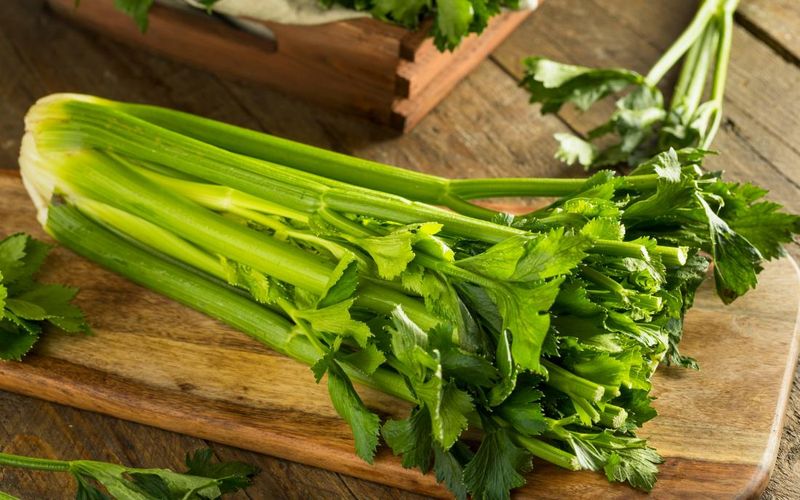
Headlines love to say celery lowers blood pressure, blood sugar, and cholesterol. The research is messier than that.
A 2025 meta-analysis of celery trials pooled nine small studies with 511 participants in total.
Some results looked favorable for certain blood pressure, blood sugar, and triglyceride measures. But the studies tested very different things, including seed extracts, powders, capsules, and a cooked celery decoction.
Several results varied a lot from one trial to the next, and the authors asked for larger, longer studies. The review also found no overall effect on total, LDL, or HDL cholesterol.
Notice what is missing: ordinary celery stalks eaten every day. Nothing in that pile of research shows that a daily crunchy stalk lowers blood pressure, blood sugar, or cholesterol.
One example makes the gap clear. A small trial of celery seed extract in people with hypertension reported lower blood pressure.
Participants took 1.34 grams a day of concentrated extract for four weeks. That is a supplement, not a snack, and a short trial cannot tell us what stalks do over years.
If you take medication for blood pressure, diabetes, or cholesterol, keep taking it as prescribed. Celery is not a replacement treatment, and extracts or seed supplements are not proven stand-ins either.
Talk with your doctor or pharmacist before adding any supplement.
Celery juice is not a shortcut
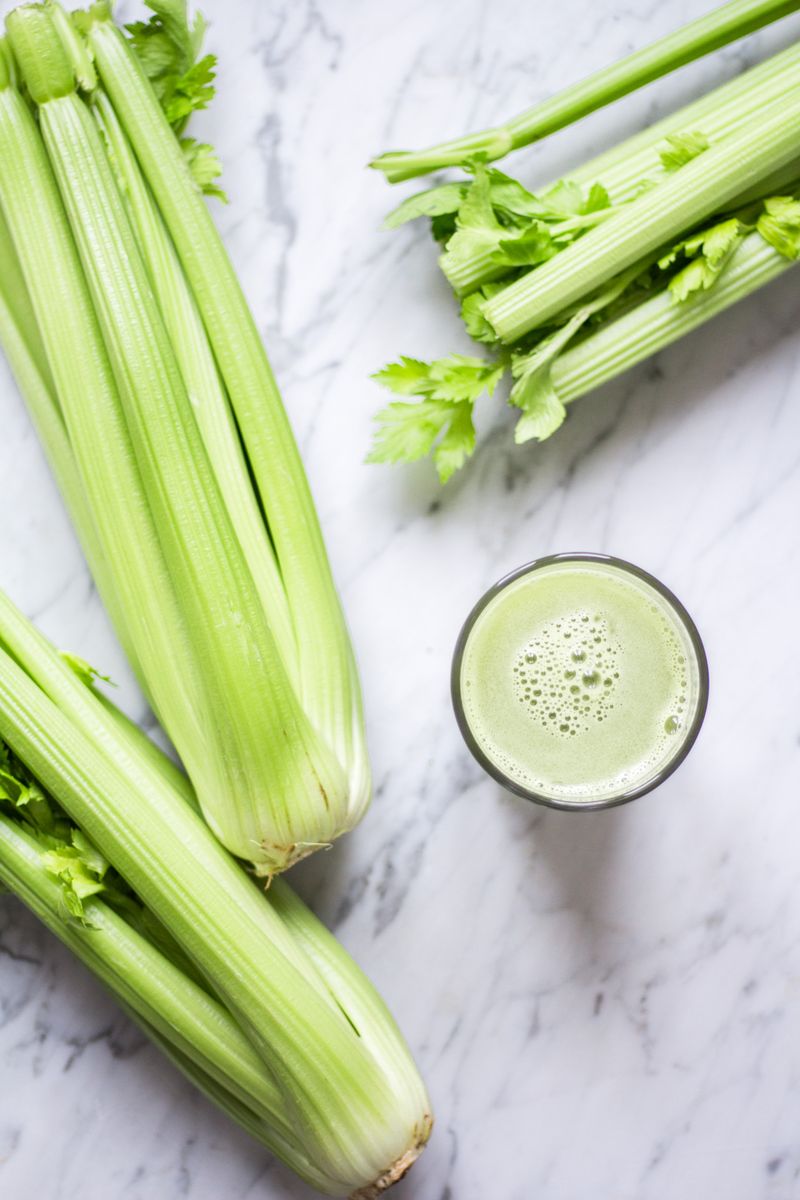
Pour celery through a strainer and something gets left behind. According to Oregon State University Extension, straining removes much of the fiber that whole celery provides.
So a glass of juice and a crunchy stalk are not the same food.
The same Extension source says there are no studies showing that celery juice alone heals digestion, bloating, or acne. If your stomach troubles or skin problems stick around, a health professional can look for the real cause.
Skipping that visit for a juice routine could delay useful help.
Detox claims fall short too. The National Center for Complementary and Integrative Health says there is no compelling research behind detox diets for removing toxins or managing weight.
Your liver and kidneys already handle that job every day.
Then there is the idea that celery has negative calories, meaning you burn more chewing it than it supplies. Tufts nutrition experts say that is a myth.
Celery is low in calories, not free of them, and eating it does not create a net loss.
Low calorie still has value. Swapping celery sticks for a higher-calorie snack now and then can make a meal lighter.
That is a simple swap, not a weight-loss trick, and you can enjoy juice if you like the taste without expecting miracles.
Kentucky can grow celery, with caveats
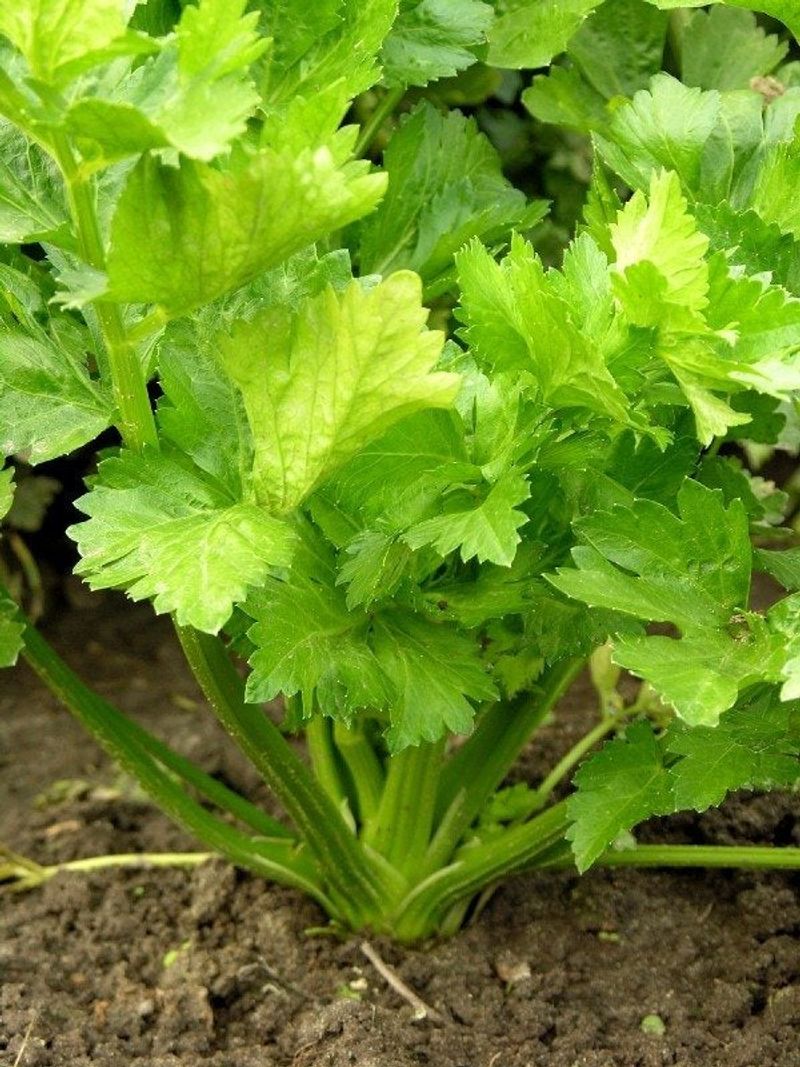
University of Kentucky crop guidance backs up one simple point: celery can be grown and sold in Kentucky. It is described as a cool-season crop, so spring and fall conditions suit it better than a hot midsummer stretch.
The same guidance also lists the hurdles. Celery needs a lot of labor, faces pest and disease challenges, and is sensitive to drought.
A dry spell can be hard on it, so steady watering matters.
What the guidance does not say is that celery is a common backyard crop or a regular sight at farmers markets. Tomatoes, beans, and squash are far easier bets for most home gardeners.
If you want celery from a local grower, ask vendors early in the season, since availability is not guaranteed.
That should not stop a curious gardener. A few plants can be a fun challenge, and homegrown stalks often look smaller and leafier than the grocery store kind.
Just plan for extra attention and keep expectations realistic.
For everyone else, store-bought celery is a perfectly good choice. Where the stalk was grown does not change its basic nutrition much, so buy the freshest, firmest bunch you can find.
Make celery one part of a varied diet
Nobody needs a daily celery habit. There is no established medical amount, and no health rule says you must eat it every day.
Celery is simply one of many vegetables that can earn a spot on your plate.
Variety is the real goal. Different vegetables bring different mixes of fiber, vitamins, and minerals, and the FDA’s nutrition numbers for raw vegetables show that each one has its own profile.
Celery’s modest fiber and potassium are a start, not a finish line.
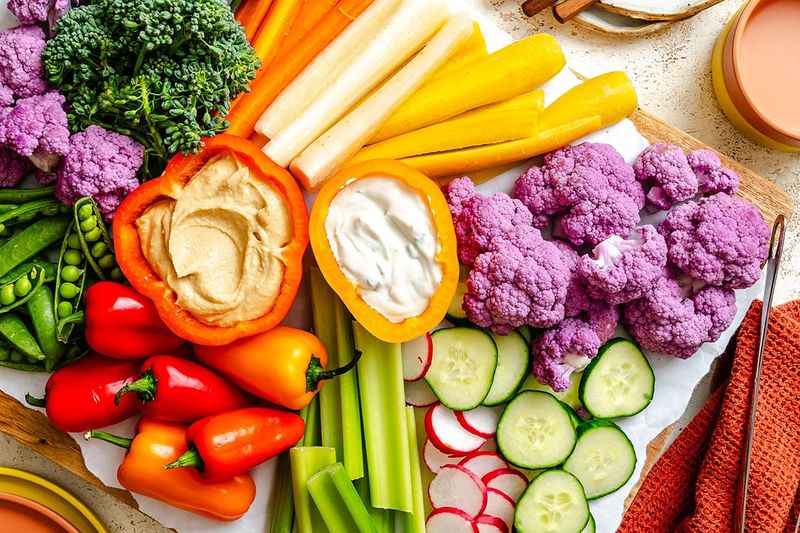
Here are a few easy ways to use it. Slice it into a pot of soup beans, chop it into potato salad, or serve sticks beside a dip at a family gathering.
On days you skip it, you have missed nothing special.
Remember the research limits too. The 2025 celery meta-analysis leaned heavily on extracts and other preparations, so it gives no reason to treat stalks as medicine.
Celery cannot stand in for balanced meals or medical care. If you have a health condition, your doctor and your prescriptions come first, and vegetables like celery simply support the overall way you eat.
Who should take extra care?
Most people can eat celery without trouble, but a few groups should pay attention. Some people with pollen-food allergy syndrome get an itchy mouth or scratchy throat from raw celery.
The American College of Allergy, Asthma and Immunology lists celery among foods linked to birch and grass pollen reactions. Symptoms beyond the mouth, including anaphylaxis, are rare but have been reported, and an allergist can help if you suspect a problem.
People taking warfarin should think about vitamin K. The NIH Office of Dietary Supplements advises keeping vitamin K intake consistent and checking with your care team before major diet changes.
That does not mean avoiding ordinary celery. It means keeping your eating steady and telling your care team before you start something new, like daily juicing.
Washing matters for everyone. FoodSafety.gov says to rinse fresh produce under cold running water and not to use soap, bleach, or other chemicals.
Gardeners have one more thing to know. Some people develop skin rashes when working with celery foliage, according to the Kentucky crop guidance.
That is a handling issue, separate from allergy symptoms when eating the stalk, and neither affects everyone. If your skin reacts in the garden, gloves and long sleeves may help.
Keep the takeaway simple
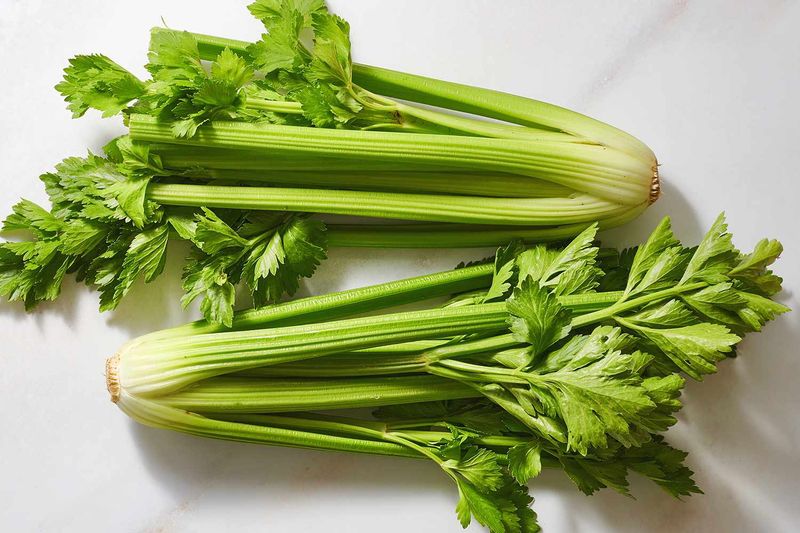
Celery is a decent, low-calorie vegetable with a little fiber and potassium. It is not a detox, a treatment, or a shortcut to weight loss, and the research gives no reason to think a daily stalk will be any of those things.
If you like the crunch, eat it. If you do not, plenty of other vegetables will do the job.
A stalk is just a stalk, and that is perfectly fine.
Share this story