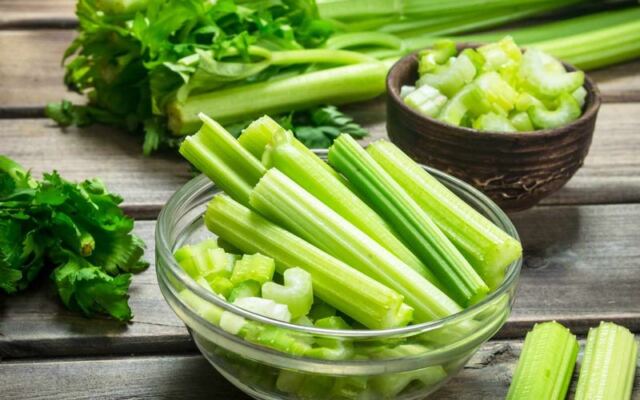
Eating celery every day mostly means giving your body a crunchy, low-calorie vegetable with water and a bit of fiber. That may sound small, but small habits are what most of us can actually keep up.
Celery grows in Missouri gardens and shows up at local markets, so many of us already have it close at hand. Here is what a daily stalk or two really does, and what the big wellness claims leave out.
Two stalks add a little more than crunch
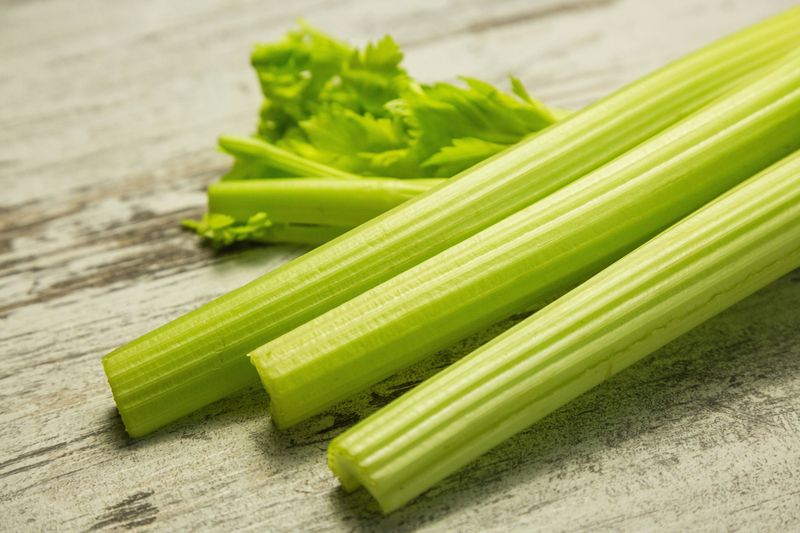
Picture two medium raw stalks of celery, about 110 grams together. According to FDA reference data for raw vegetables, that portion has about 15 calories, 2 grams of fiber and 115 milligrams of sodium.
Those numbers tell a simple story. Celery is light, mostly water, and easy to add to a meal without crowding out much else.
The 2 grams of fiber is modest, so think of it as a small contribution to your day rather than a fiber fix.
The sodium surprises some people. Celery is not sodium-free, because the mineral occurs naturally in the plant.
Two stalks bring 115 milligrams, which is a small amount for most eaters, but it can add up if you are watching your total sodium and eating a lot of celery or sipping it as juice.
Celery is also not a major source of every nutrient. It is one vegetable among many, and it works best next to carrots, greens, beans, tomatoes and whatever else is in season.
A daily habit of celery is a pleasant way to add crunch to snacks, soups and salads.
Say you spread peanut butter on a stalk for an afternoon snack, or chop two stalks into a pot of chili. Either way you get a low-calorie vegetable and some fiber.
That is a fair baseline to keep in mind as we look at bigger claims.
What do the celery trials actually show?
A 2025 meta-analysis pulled together 10 randomized studies involving 511 participants. It found possible reductions in blood pressure, fasting glucose and triglycerides.
It did not find an overall change in total, LDL or HDL cholesterol.
Here is the catch. The studies tested very different things, including celery seed extract, powders and decoctions made from stalks and leaves.
Doses and study lengths varied too, and often the products were seeds or concentrated preparations, not a plate of fresh stalks.
The results also did not line up neatly. For several outcomes the studies disagreed a lot with each other, which researchers call heterogeneity.
For systolic blood pressure, the measure of that disagreement was very high, at 94.3 percent. That makes it hard to say how big any effect really is.
The authors called for larger, longer and higher-quality trials. In plain terms, these are early hints, not proof.
The review cannot show that celery treats or prevents high blood pressure, diabetes or high cholesterol.
It also leaves one common question unanswered. Researchers have not established a daily amount of celery for health benefits.
The doses in supplement and decoction studies should not be turned into a serving goal, so a daily stalk or two is best seen as a food habit and not a dose.
Celery is not a detox or a weight-loss shortcut
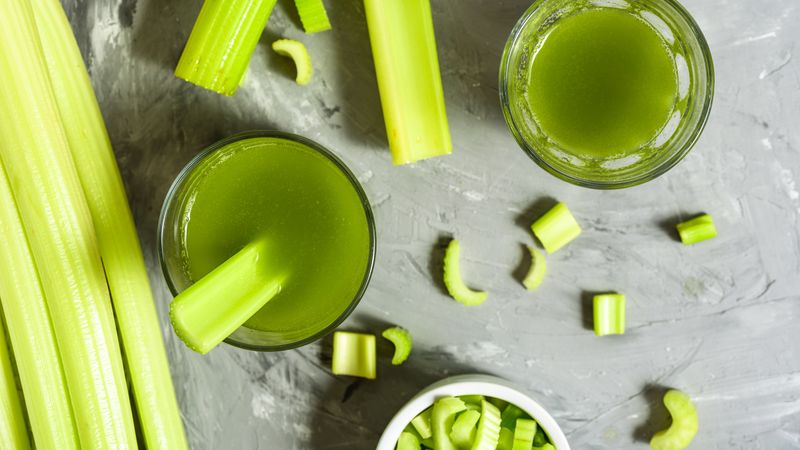
Stalks, juice and seed supplements get lumped together, but they are different things. A crunchy stalk keeps its fiber.
Juice is a liquid made from it, and celery seed supplements are concentrated products. The trials we just covered do not show a special benefit from celery juice, or a best time of day to drink it.
Then there is the detox idea. The National Center for Complementary and Integrative Health says there is no compelling research supporting detox diets for removing toxins.
That is a general statement about detox regimens, not a celery-specific clinical trial. Still, celery has not been shown to detox the body.
Weight loss claims need a careful look too. You may have heard that celery has negative calories because chewing and digesting it burns more energy than it provides.
Reputable scientific studies do not support that idea, so celery is not an established weight-loss shortcut.
What celery can do is fill part of a plate for very few calories. Swapping it in for a heavier snack now and then may help some people, but that is a food swap, not magic.
Celery juice is not a cure, and neither celery nor supplements should replace prescribed medication or medical care.
Missouri gardeners can grow celery, with timing in mind
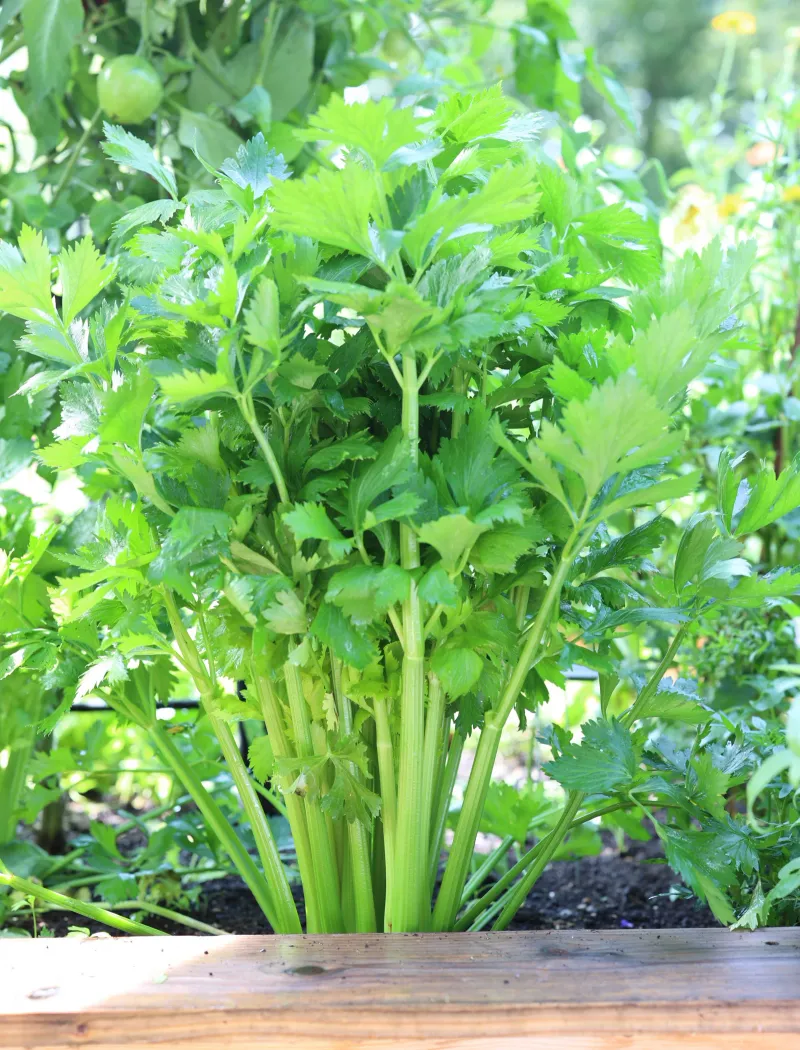
If you like the idea of snapping stalks from your own bed, you are in luck. MU Extension describes celery as a plant that can do well in Missouri, so it is worth a try.
Timing is the main thing to watch. Extension advises setting out transplants when nighttime temperatures are consistently above 40°F.
Cold exposure below that mark can cause premature bolting, which means the plant rushes to flower before you get a good harvest.
Notice that this is a temperature rule, not a date on the calendar. Missouri is a big state, and weather swings from year to year, so a night-time thermometer is a better guide than a fixed planting day.
We cannot promise that every gardener can grow celery in both spring and fall.
Plan on starting with transplants from a nursery or ones you raised indoors. Then check the forecast before you plant them out, and hold off if a cold night is coming.
Not everyone has garden space, and that is fine. Local markets and grocery stores carry celery, so a daily habit does not depend on a backyard.
A homegrown stalk is simply a bonus for those who enjoy the work.
Wash celery before it reaches the plate
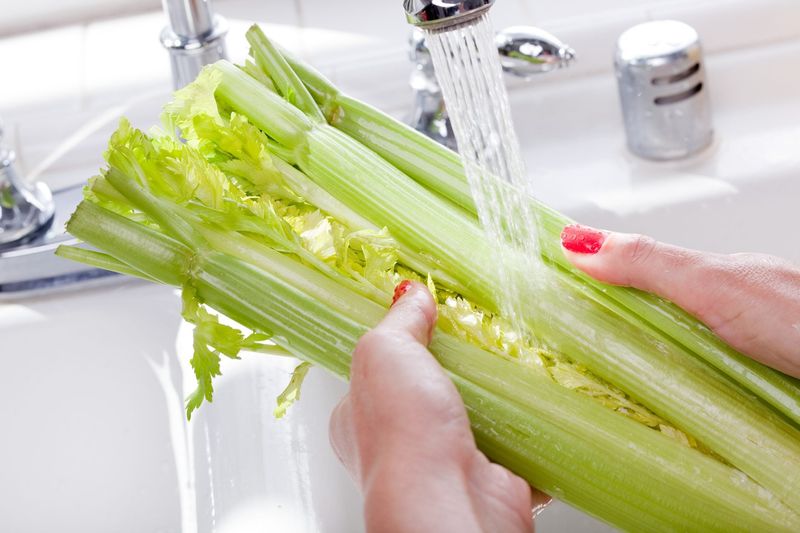
Garden soil, market bins and grocery shelves all leave celery with some dirt and handling. So a rinse is a good idea no matter where it came from.
The FDA says to wash produce under running water before eating or preparing it.
Celery has ridges along the outside of each stalk, and dirt can settle in them. Separate the stalks from the bunch, then hold each one under the tap and rub it with your clean hands.
A clean produce brush can help with stubborn grit from a garden.
Skip the soap. The FDA advises against using soap, detergent or commercial produce wash on fruits and vegetables.
Plain running water is the recommended method.
Dry the stalks with a clean cloth or paper towel before you chop them or put them away. Wash your hands and your cutting board too, so you do not move germs from one place to another.
Even if you plan to trim the ends or peel the outer strings, give it a rinse first. Your knife can drag surface dirt into the part you eat.
A few health circumstances call for extra care
For most people celery is an ordinary vegetable, but two situations deserve a closer look. The first is warfarin, a blood thinner.
The NIH vitamin K fact sheet explains that people taking warfarin should keep their vitamin K intake consistent. NIH does not advise simply avoiding vitamin K foods.
Talk with your clinician before making a major change in what you eat.
So if you plan to go from rarely eating celery to eating a lot of it each day, mention it to your care team first. A steady habit is easier to manage than sudden swings.
The second is allergy. Celery can trigger pollen-food allergy syndrome in some people, including some who are allergic to birch or grass pollen.
The American College of Allergy, Asthma and Immunology notes that reactions can include an itchy mouth or throat.
That does not mean everyone with pollen allergies will react to celery. But if your mouth tingles after eating it, bring it up with an allergist, who can sort out what is going on.
Celery is one choice in a varied diet. It does not replace medication or medical care, and it cannot guarantee a health change.
Sometimes a crunchy snack is just a crunchy snack, and that is perfectly good.
Share this story