Right after a saddleback caterpillar stings you, the best move is to stay calm, keep your bare fingers away from it, and lift the tiny spines out of your skin with sticky tape. Then wash the spot gently and cool it with a wrapped cold pack.
Most stings cause pain, redness, and swelling, and serious reactions are rare. Knowing the steps ahead of time makes a garden surprise much less scary.
A saddleback injures with venomous spines
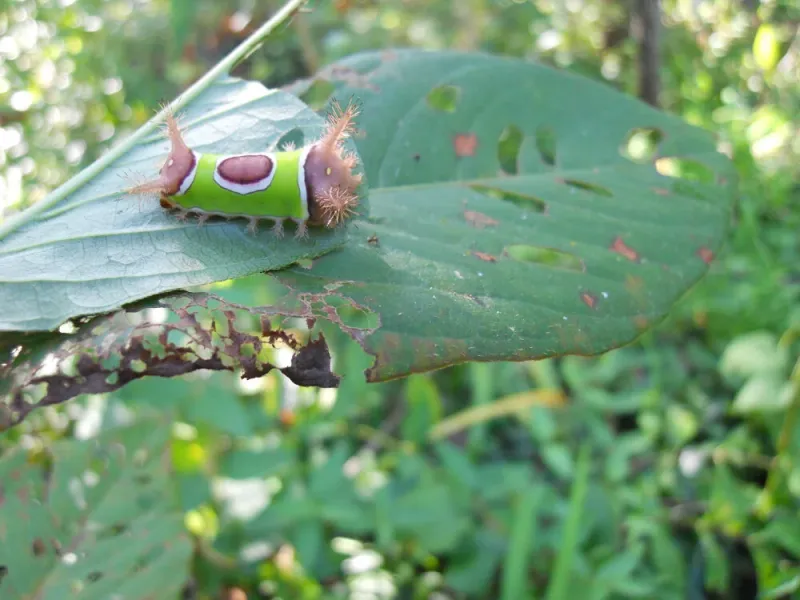
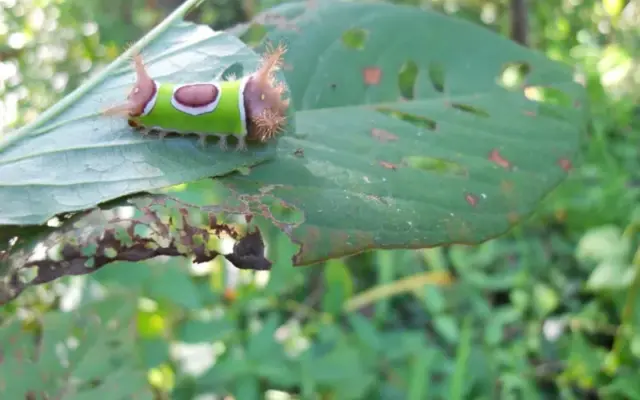
Picture a small caterpillar with a bright green middle and a brown, saddle-shaped patch edged in pale color. Fleshy projections covered in spines stick out from its front and back ends.
That look is how the saddleback got its name, and it is best to admire it from a distance. Never pick one up to confirm what it is.
Calling the injury a sting is common shorthand, but a saddleback does not have a bee or wasp-like stinger. Instead, its hollow spines hold venom and can break off in skin, as described in University of Florida IFAS Extension guidance.
Brushing a leaf, a stem, or a garden glove with the caterpillar on it can be enough to cause trouble.
The Missouri Department of Conservation says the saddleback is most common in eastern Missouri, so gardeners in the western part of the state are less likely to meet one. Its slug caterpillar moth listing is described as statewide, but that listing covers the broader moth group, which includes several species.
The department also notes that the sting feels much like a bee sting.
Treat any suspicious green-and-brown spiny caterpillar with respect, especially around ornamental plants, shrubs, and fruit trees.
Remove the caterpillar and lift out spines
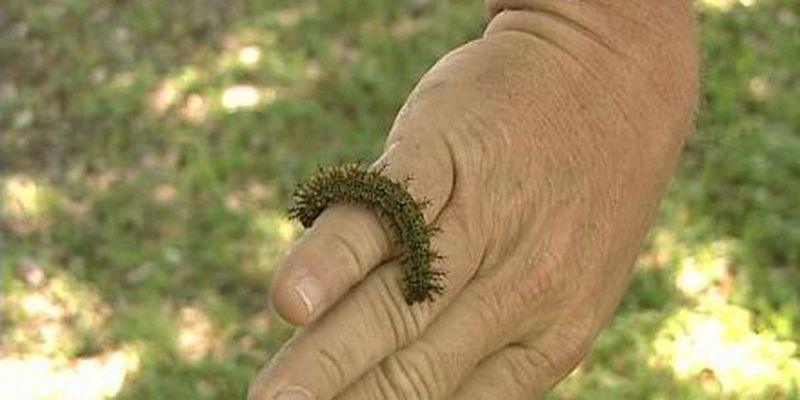
Start by stopping the contact. If the caterpillar is still on your skin, flick or lift it off with a tool such as a stick, tweezers, or a folded piece of paper.
Do not use bare fingers, because that can cause more stings.
Next, deal with any spines left behind. Press a piece of sticky tape gently onto the affected skin, then lift it away.
Poison Control recommends this method in its caterpillar sting advice, and you can repeat it with a fresh piece of tape each time.
Resist the urge to scrape, rub, or pick at the area with your fingers. Those moves can push spines deeper or spread them around.
Tape lifts them out with far less risk.
Once the tape work is done, wash the area gently with soap and water. Use light pressure and a soft cloth, and pat the skin dry afterward.
Avoid scrubbing hard, since irritated skin is already sore.
It also helps to set aside the clothing or gloves that touched the caterpillar. Handle them carefully, since spines can cling to fabric, and wash them before wearing them again.
A quick tape press on a sleeve can pick off stray spines.
Ease pain and itching with gentle care
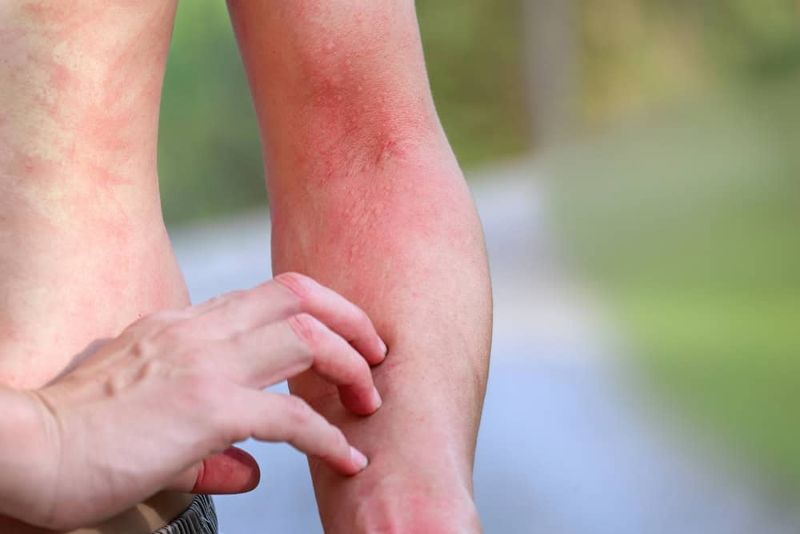
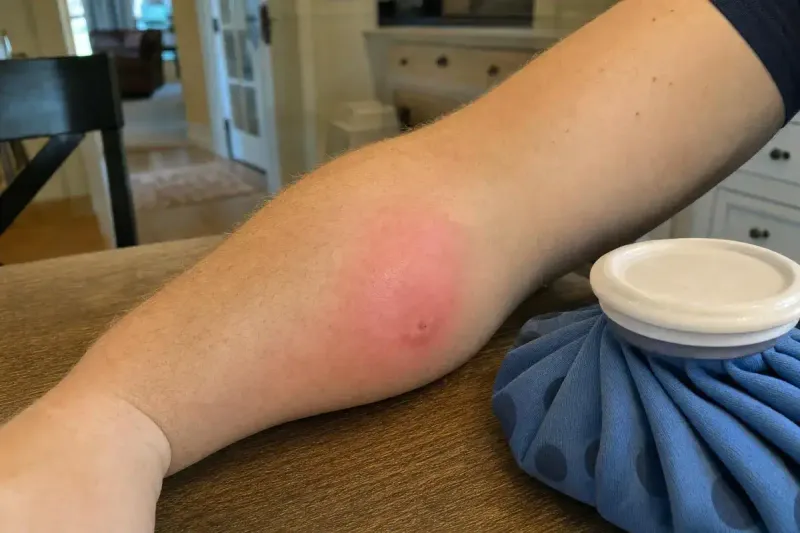
Expect the area to hurt, turn red, and swell. Those local reactions are the typical concerns after a saddleback encounter, and they are usually manageable at home.
A clinical review of caterpillar stings describes care as mostly supportive, meaning the goal is comfort while the body settles down.
For pain or swelling, hold a cold pack on the spot, but wrap it in a thin cloth first so ice never touches bare skin. Poison Control says pain usually improves within a few hours.
That is a general pattern, not a promise, because symptoms and timing vary from person to person and from sting to sting.
If itching shows up, hydrocortisone cream is one option, and an antihistamine is another when it suits the person. Poison Control lists both in its home care steps.
Follow the directions on the package, and ask Poison Control or a clinician if you are unsure what is right, especially for children or anyone with other health conditions.
Severe allergic reactions are possible but described as rare, as noted by the LSU AgCenter. Keep an eye on the area over the next day, and let discomfort guide how long you keep using the cold pack.
Call 911 for signs of a severe allergic reaction
Most saddleback stings stay local, which means the trouble stays near the spot that touched the caterpillar. A severe allergic reaction is different because it affects the whole body.
It is possible but rare, so it should not be the thing you expect.
Call 911 right away for any of these signs:
Trouble breathing, swelling of the throat or tongue, difficulty swallowing, fainting, or symptoms that are getting worse quickly. MedlinePlus lists breathing problems among the reasons to seek emergency help after caterpillar contact.
Do not wait to see if things improve.
The American College of Allergy, Asthma and Immunology describes anaphylaxis as a fast, serious reaction that needs emergency care. If the person has a prescribed epinephrine auto-injector, follow the emergency plan their doctor gave them, and still call 911.
Stay with the person, keep them as calm as you can, and have someone watch for the street address if you are in a large yard. Redness, soreness, and a bit of swelling at the sting site alone do not count as an emergency.
Get medical advice for eye, airway, or serious skin exposure
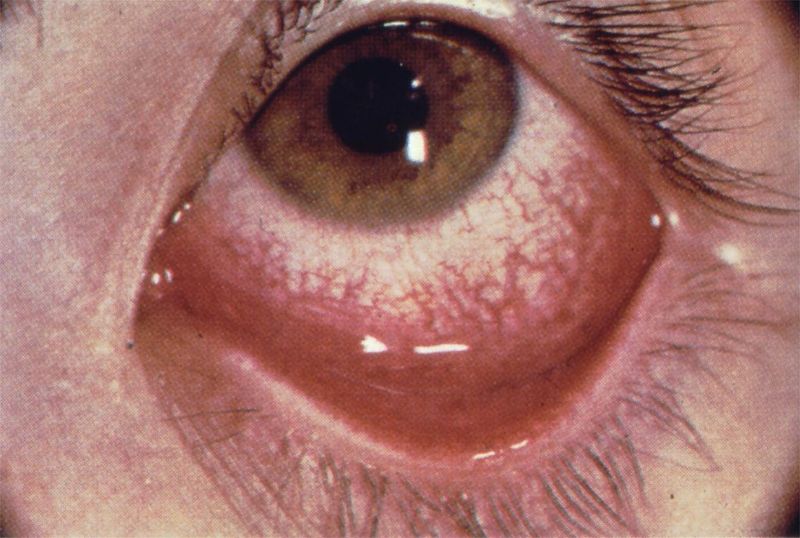
Some exposures call for more than tape and a cold pack, even when breathing is fine. Eyes are the first example.
If spines or hairs get in an eye, rinse with water, and seek medical help if irritation persists. Do not rub the eye, since that can push particles in further.
Inhaling caterpillar hairs is another one. MedlinePlus advises getting medical care after breathing them in, so contact a professional promptly even if the cough or throat irritation seems mild.
If breathing becomes difficult, that moves into emergency territory and calls for 911.
Skin can also need extra attention. Significant blistering, or a suspected localized allergic reaction such as a spreading rash around the sting, deserves a call to a health professional.
Poison Control includes these situations among the reasons to seek guidance beyond home care.
A simple way to sort it out: ordinary stings hurt and look red, while eye, airway, or blistering problems linger or stand out. When you are unsure which group you are in, a quick phone call is better than waiting.
A doctor, urgent care clinic, or the Poison Center can help decide the next step.
Contact the Missouri Poison Center for other concerns

Keep this number handy: 1-800-222-1222. It connects Missouri residents to the Missouri Poison Center, which handles bites and stings and offers free, confidential guidance.
You can find details on its contact page.
Call when you have a question that the standard steps do not answer. Maybe you are unsure whether symptoms are normal, or whether an itch remedy suits a child.
Poison Control also encourages people to reach out when they are unsure about home care for caterpillar stings, and a specialist can give advice that fits your situation.
One line is firm. Poison Center advice does not replace 911 for emergency symptoms.
Trouble breathing, throat or tongue swelling, or fainting means call 911 first, as the allergy specialists at ACAAI advise for anaphylaxis.
Save the number in your phone before gardening season starts. A few seconds of preparation can turn a worrying moment into a calm one.
Share this story