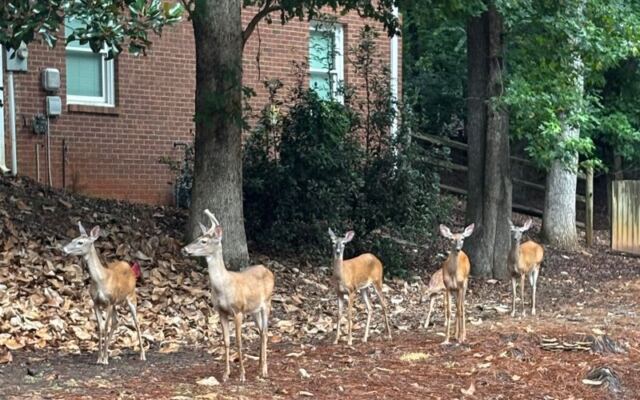
Deer show up in Georgia yards in late fall for two main reasons: they are on the move during the breeding season, and yards can offer food. Bucks get bolder and travel more, so you may simply notice them more often.
Fallen acorns and tasty landscaping can give them a reason to stop by. Here is how to read the clues, protect your plants, and stay safe on the road.
Georgia’s rut timing varies by county
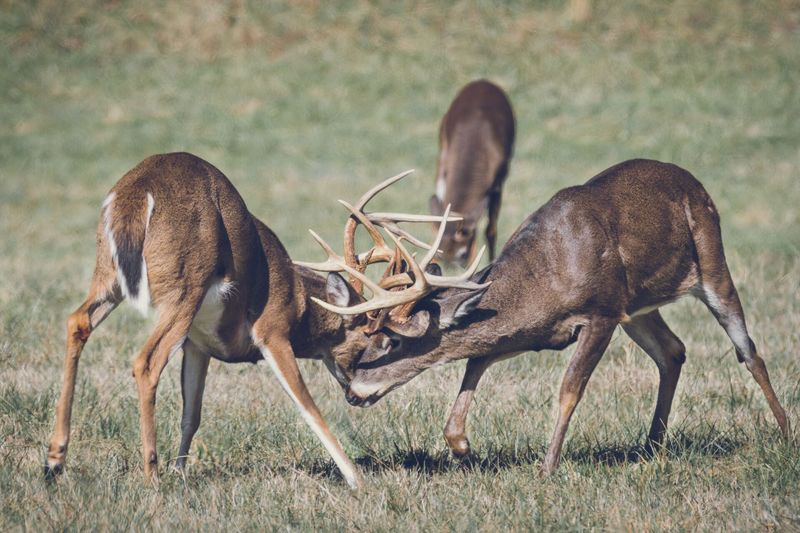
Georgia has no single, precise statewide rut window. The state’s rut map shows big differences from county to county, with peak movement dates running from roughly mid-October to late December.
A neighbor two counties over may see the busiest weeks at a very different time than you do.
The map was built from historical deer-vehicle collision data. Researchers behind the mapping study compared those collision dates with conception dates and with GPS tracking of deer.
That comparison helped them estimate when breeding activity peaks in each county.
Keep a few limits in mind. The collision sample covers 2005 to 2012, so the map is historical context, not a forecast for this year or next.
Weather, food supply, and local conditions can shift things from one season to another.
The state also cautions that dates may be less accurate for counties with fewer than 100 collisions in the sample. In those places, fewer data points mean a rougher estimate.
If you live in a lightly sampled county, treat the dates as a general guide and trust what you actually see around your neighborhood.
So when someone says all Georgia deer rut at the same time, that is not quite right. Look up your own county, note the window, and remember it is a starting point rather than a promise.
Why deer can be easier to spot during the rut
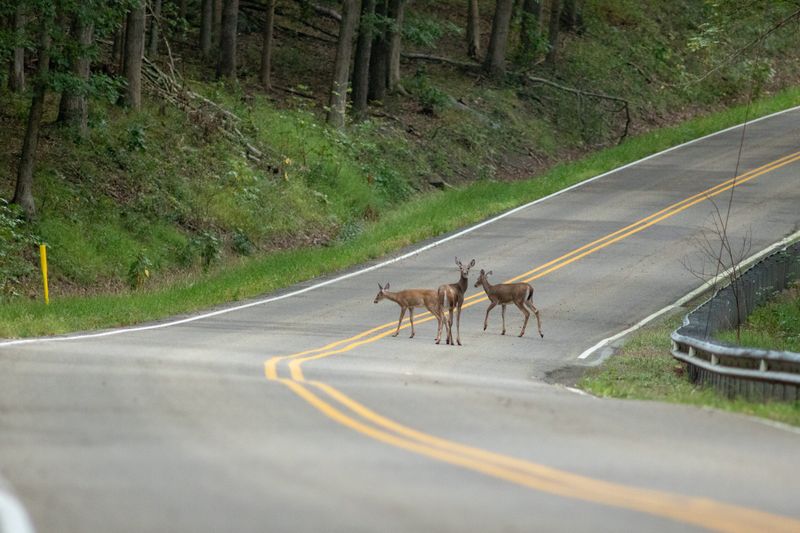
Ever notice that deer seem to pop up everywhere for a few weeks? Georgia DNR says bucks become less secretive during the rut, which means they spend more time out in the open.
A buck that usually stays hidden in thick woods may cross a road or a lawn in daylight.
It is not only bucks. A Georgia study found that both sexes increase their daily movement during breeding season.
More travel means more chances for you to see a deer from a window or a driveway.
Here is the catch. Seeing more deer does not prove there are more deer nearby.
The animals may simply be easier to spot because they are moving more and hiding less.
It also does not prove that the rut brought a particular deer into your yard. That deer may have been drawn by food, by a travel path that crosses your property, or by something else entirely.
Nobody can know the reason for one visit from the calendar alone.
A practical clue is timing. If sightings rise during your county’s historical peak window on the DNR rut map, movement may be part of the story.
If deer keep returning to the same spot day after day, look at what is growing or falling there.
Fallen acorns can offer food
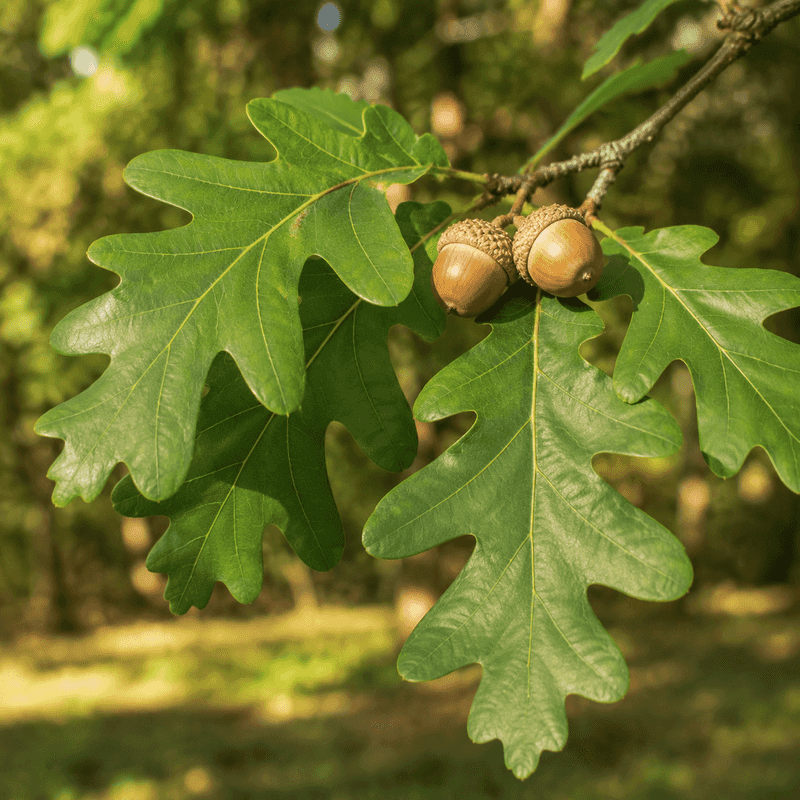
Walk under an oak tree in November and you may crunch through acorns. Georgia DNR describes acorns as a rich food source for wildlife in fall and winter.
Squirrels, turkeys, and deer are all on the list of animals that eat them.
White-tailed deer are acorn eaters, and the agency says they favor white-oak acorns. In its hardwood management guidance for deer, oaks are treated as an important food tree.
That makes fallen acorns under yard oaks a plausible reason for a deer to visit. If your lawn sits under a big oak and deer show up right when the nuts drop, the link may be worth considering.
Still, acorns do not explain every visit. Not every deer will head for every oak, and acorn crops vary from year to year and tree to tree.
A deer crossing your yard may be heading somewhere else altogether.
If you suspect acorns are the draw, try a simple check. Look for cracked or missing nuts, tracks, or droppings beneath the tree, and see whether sightings fade once the acorns are gone.
Raking acorns away from a garden bed or walkway is a low-effort way to test your theory.
Which yard plants might deer browse?
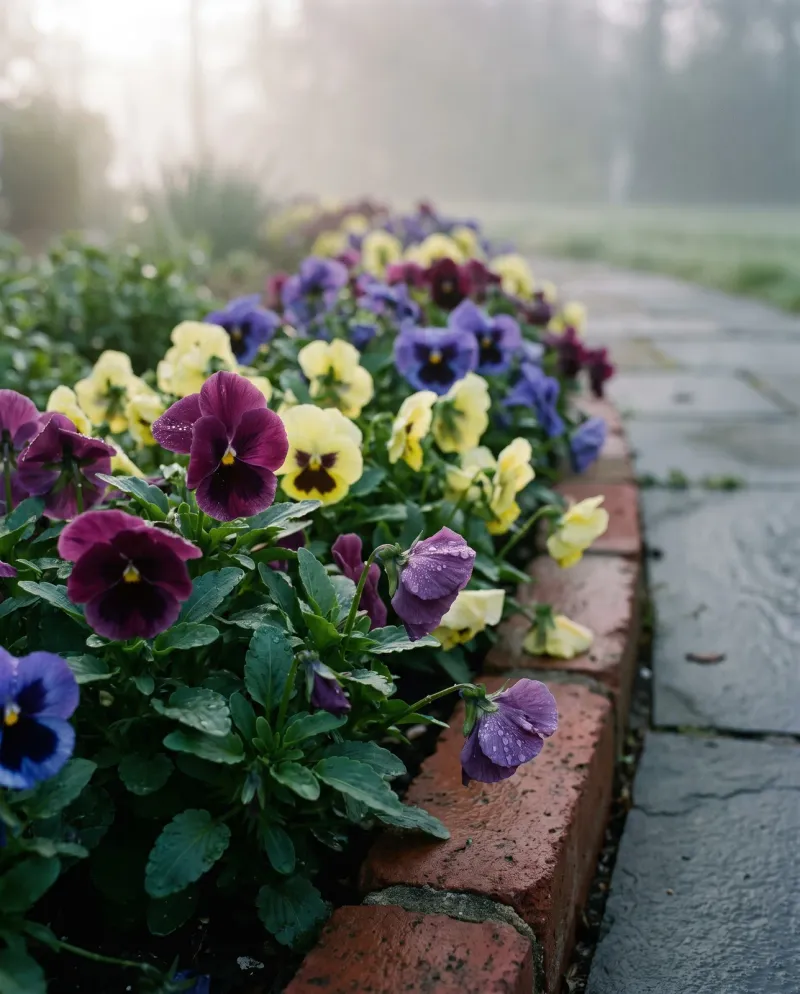
Some garden favorites show up on lists of plants deer may nibble. UGA Extension’s plant guide for Georgia reports that fall mums, pansies, and violas are occasionally or frequently browsed.
That matters in late fall, when those colorful plants are often at their peak on porches and in beds.
The same guide also lists hostas, daylilies, roses, and tulips. Azaleas, rhododendrons, yews, and arborvitae appear among plants with reported browsing risk too.
Think of the list as a map of where trouble may happen, not a forecast.
The guide draws on published literature and author observations. Browsing depends on circumstances, such as how many deer are around, what other food is available, and how hungry they are.
A plant that one yard loses overnight might be left alone in the next.
For that reason, no plant is truly deer-proof. A plant missing from the list does not come with a guarantee, and a plant on the list may never be touched in your yard.
A smart approach is to watch your own beds. Note which plants show ragged, torn leaves and which stay untouched, then move vulnerable pots closer to the house or protect them while you learn what your local deer prefer.
Fencing offers the most reliable long-term protection
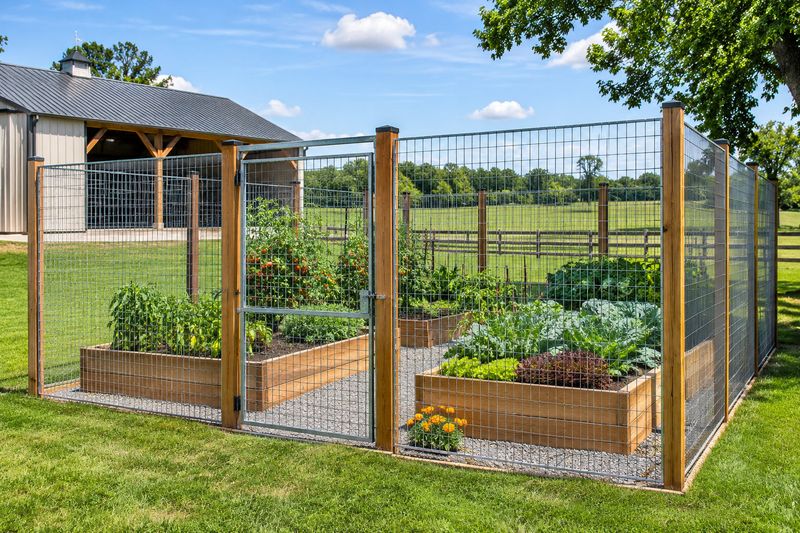
If deer keep damaging your landscaping, the strongest fix is a barrier. Georgia DNR calls fencing the most reliable long-term way to prevent deer damage.
Its recommendation is a deer-proof fence at least 8 feet high.
That is taller than most backyard fences, so check local rules and costs before you buy. A shorter fence may slow deer down, but the state’s advice points to height as the key feature.
Repellents are another option, though they work differently. They may offer only temporary protection, so you may need to reapply them and watch for new damage.
Rain, new plant growth, and hungry deer can all change how well they work.
Always follow the product label. UGA Extension’s Georgia Pest Management Handbook notes that some repellents are not labeled for food crops.
If you grow vegetables or herbs, read the label closely before spraying anything near what you plan to eat.
For a quick, practical plan, protect your most valuable plants first. A small fenced garden area can cost far less than enclosing a whole yard, and it keeps your prized beds safe while repellents handle lower-priority plants for a while.
Why feeding deer can create problems
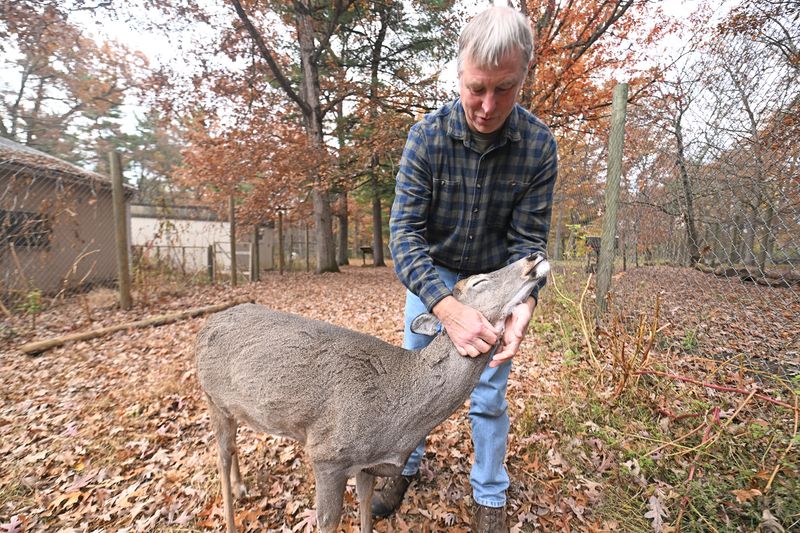
Tossing out corn or setting out a bucket of feed might seem kind. The answer from wildlife experts is simple: do not feed deer or leave food out for wildlife.
USDA Wildlife Services explains why.
Feeding can teach animals to expect food from people, which is called habituation. Deer that lose their wariness can become more likely to cause conflicts with neighbors, pets, and gardens.
Crowding animals around one food spot also raises concerns about spreading disease.
Roads are another worry. USDA notes that providing food near roads can increase the risk of vehicle-animal accidents, since animals gather where drivers do not expect them.
That puts both deer and people in danger.
Deliberate feeding is different from natural food that is already in your yard. Acorns that drop from your oak tree are part of the landscape, while a pile of corn or a bowl of scraps is food you chose to put out.
If you want to see wildlife, enjoy it from a window without offering a meal.
Also check your yard for accidental food sources. Fallen fruit, spilled birdseed, and unsecured trash can act like invitations, and cleaning them up is an easy way to avoid creating a problem.
Stay alert on roads during locally active periods
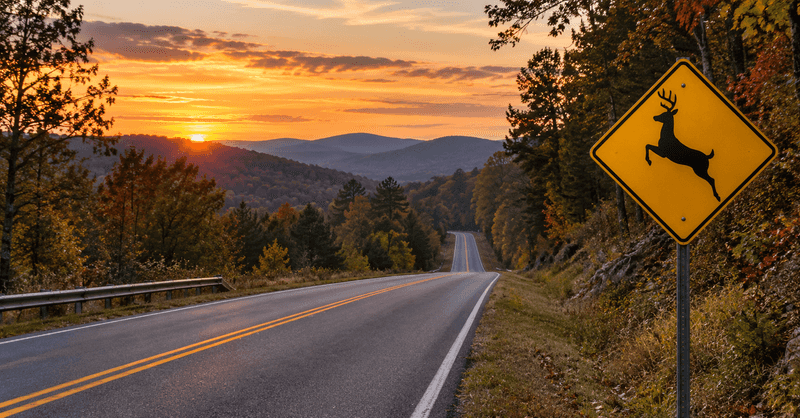
More movement means more chances for deer and cars to meet. Georgia DNR links rut-period movement with increased deer-vehicle collision risk, and the state’s rut map exists partly because of that connection.
Drivers who know when local activity tends to rise can be better prepared.
The map’s dates came from historical collisions that researchers compared with breeding data. That is why risk is not the same everywhere.
A county with an early peak and a county with a late peak will have different danger periods.
Instead of one warning window for all of Georgia, think local. Look up your county, then pay extra attention during the weeks around its historical peak and on roads you drive often.
Some habits help year-round. Slow down on curvy roads and near wooded edges, scan the shoulders, and remember that deer often travel in groups, so one deer crossing may mean another is close behind.
If a deer appears, brake firmly and stay in your lane rather than swerving into oncoming traffic or a ditch. Use your high beams when no one is ahead of you, and keep your seat belt on every trip.
Consider both movement and food
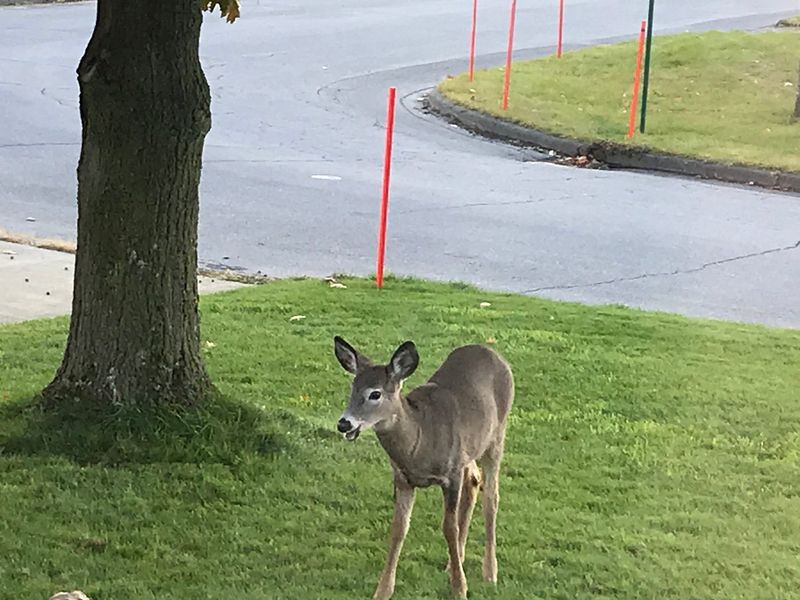
Late-fall deer may be passing through because breeding season has them on the move, or they may be stopping for acorns and garden plants, or both. No one can say which applies to a single sighting.
Check your county on the rut map, look at the oaks and plants in your yard, and protect what matters without feeding. A deer in the yard is a puzzle with more than one piece.
Share this story