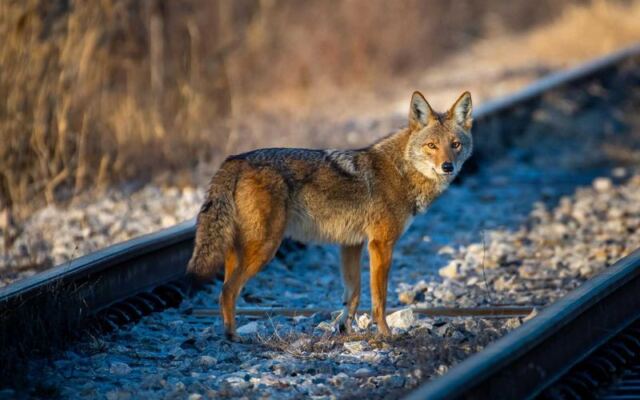
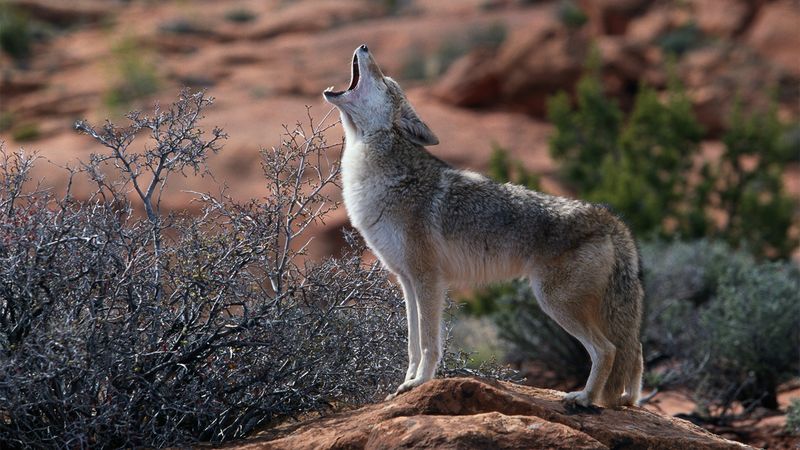
Those howls, yips, and barks you hear after dark are coyotes talking to each other. They are sharing where they are, reaching out to other coyotes, and letting others know an area is taken.
A single call can’t tell you much more than that, and it doesn’t mean trouble is on the way. Here is what the sounds can tell you, what they can’t, and how to keep your pets safe.
A howl is communication
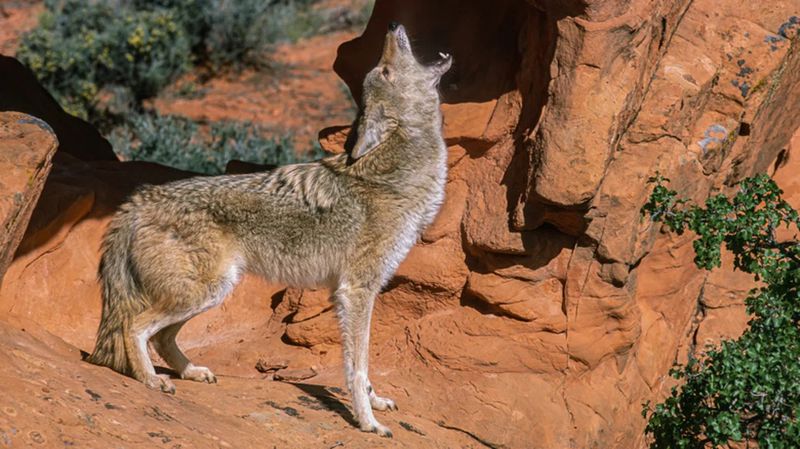
Coyotes have a surprisingly large vocal toolbox. Howls, yips, barks, whines, and huffs all show up in the night, and each one can carry information to other coyotes.
A peer-reviewed study of coyote vocalizations describes a varied repertoire and cautions that pinning an exact meaning on each sound is not straightforward.
So what might a howl be doing? USDA Wildlife Services notes that howling can share a coyote’s location, draw answers from other coyotes, help a lone animal search for others, or signal that a home range is occupied.
Think of it as a way of saying, “I’m here, who else is out there?”
Those are possibilities, not a decoder ring. You can’t listen to one howl and know whether it means greeting, searching, or marking turf.
The same sound could serve different purposes on different nights.
It also helps to know what a howl is not. It is not a dependable warning that an attack is coming, and it is not an announcement that a kill just happened.
Coyotes are common across Illinois, and Illinois wildlife guidance treats their calls as ordinary communication in a landscape they share with us.
Next time a chorus drifts through your window, try hearing it as a conversation you happen to be overhearing, rather than a message aimed at you.
A chorus can sound bigger than it is
Ever heard what sounded like a dozen coyotes just beyond the backyard fence? There may have been only two.
USDA Wildlife Services notes that two coyotes can sound like six, because one bout of calling can mix barks, yips, whines, and howls all at once.
Overlapping voices are the reason. When coyotes call at the same time, the sounds stack and blur together.
Add the way noise bounces off buildings, trees, and open fields, and a small group can seem much larger.
That means louder or longer howling is not a reliable headcount. A short burst from a big family could sound modest, while a lively duet from a pair could seem like a crowd.
Your ears simply can’t sort it out.
The word “pack” adds to the confusion, since it makes people picture a big hunting gang. In reality, US Forest Service research describes coyotes living in family groups, in pairs, or alone.
A chorus does not show that a large group is gathering, and it does not show that anyone is hunting.
If you want to make sense of what is out there, a trail camera or a daytime look for tracks would tell you far more than counting voices at midnight.
Seasonal clues have limits
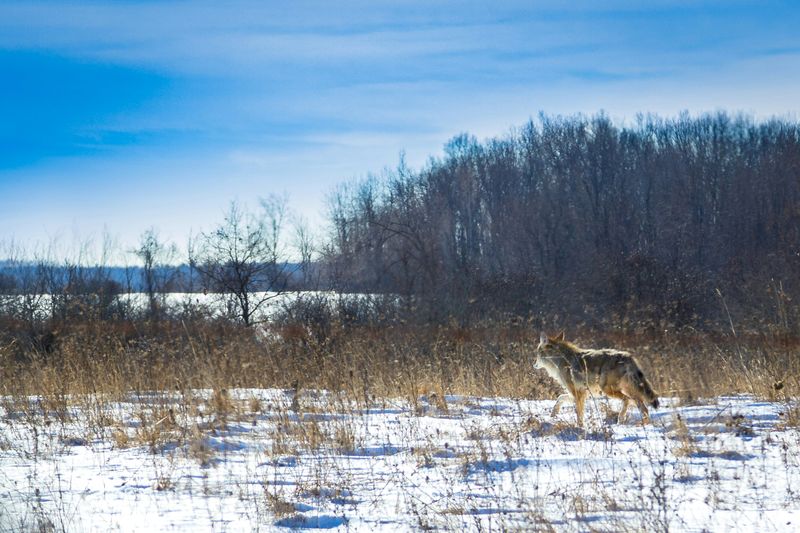
Coyote life follows a yearly rhythm, and knowing it gives you background for what you hear. According to Illinois wildlife guidance, breeding peaks in late February or early March, and pups arrive in late April or May.
Most young are on their own by late summer or early fall.
Young coyotes may keep moving after that. Broader references, including a US Forest Service species review, describe dispersal continuing into winter, so a young coyote wandering through unfamiliar territory in November is not odd.
Here is the catch. These seasonal facts give context, not translation.
You can’t hear a particular howl and say it means mating, pups nearby, or a youngster looking for a new home. Nor can you say November howling is unusually frequent, because nothing shows that every neighborhood hears more in any given month.
Night does make calls easier to notice. Coyotes are often active from dusk until dawn, as Woodland Park Zoo explains, and evenings are quieter, so sounds carry and stand out more.
Treat the calendar as a loose backdrop. It tells you what coyotes in Illinois tend to be up to across the year, but the meaning of tonight’s howl stays their secret.
A nearby coyote is not automatically a threat
Coyotes live in cities, suburbs, and farm country across the state. Seeing one in a yard, a park, or even in daylight is normal, and Illinois guidance says they do not typically threaten people when left alone and not fed.
A sighting by itself is not evidence of danger.
The idea that a howl means an attack or a fresh kill is a common myth. The Massachusetts wildlife agency explains that coyotes howl primarily to communicate, and the USDA review lists communication jobs, not kill announcements.
Still, calm does not mean careless. Coyotes are generally wary of people, but they can injure pets, and small dogs and cats are the most at risk.
They may also behave defensively near a den, which is one reason to give any coyote room. Outdoor Illinois Journal looks at how nuisance coyote calls rise and fall through the year.
A fair way to look at it: coyotes are neighbors you rarely meet, not intruders plotting something. Your job is to keep pets protected and keep the distance, not to panic every time one calls.
Keep pets close and remove easy food sources
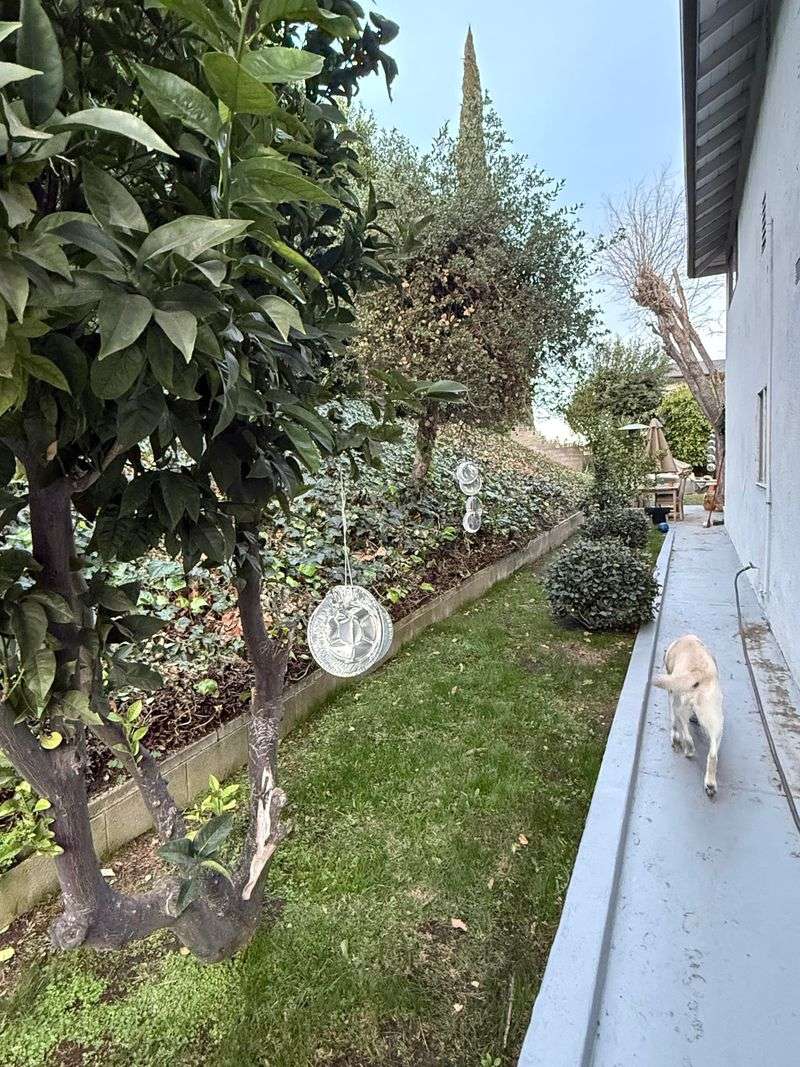
Most tips for living near coyotes come down to a few habits. They are sensible precautions, not signs that a howl means a coyote has picked your home or pet as a target.
Start with your animals. Supervise small pets whenever they are outdoors, especially after dark, and walk dogs on a short leash.
Staying within arm’s reach of a cat or small dog in the yard is a simple, dependable rule.
Next, take away the snacks. Illinois guidance recommends bringing pet food inside and securing garbage.
Use bins with tight lids, and put them out the morning of pickup rather than the night before.
Fallen fruit and spilled birdseed matter too. They draw rodents, and rodents draw coyotes.
Illinois Extension offers more on reducing risky wildlife encounters around the home.
A quick evening check helps: rake up apples under the tree, sweep seed from beneath the feeder, and bring in the food bowl. Five minutes of tidying makes your yard a lot less interesting to wildlife.
If a coyote approaches, stand your ground
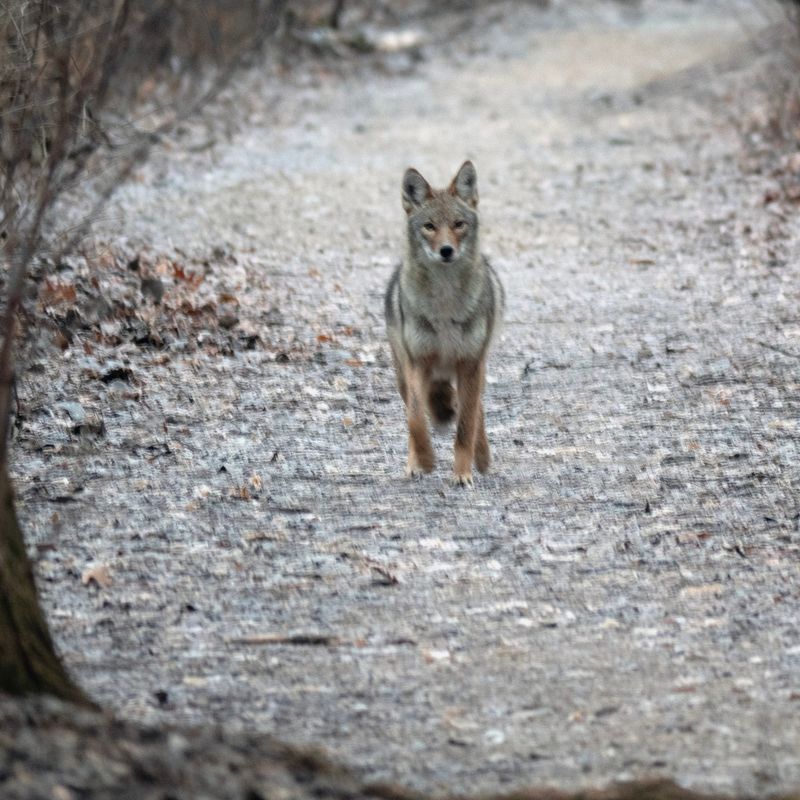
Picture it: you step outside and a coyote is walking toward you. Your instinct might be to bolt, but do not run.
Illinois guidance advises standing tall, yelling, and waving your arms to encourage the coyote to leave.
Do this from a safe position, such as near your door or your car, and keep your voice loud and firm. Clapping, shaking a jar of coins, or banging a pot can add to the noise.
If you have a dog with you, keep it close on a short leash.
The goal is to scare the coyote off, not to hurt it. You want it to remember that people are something to avoid.
Most will turn and leave quickly once they see you are not afraid.
Give the animal space to go, and never feed or approach it. Do not try to get closer for a photo or a better look.
A coyote that is fed or cornered is far more likely to cause problems, for you and for the next person who meets it.
Let the sound pass without guessing
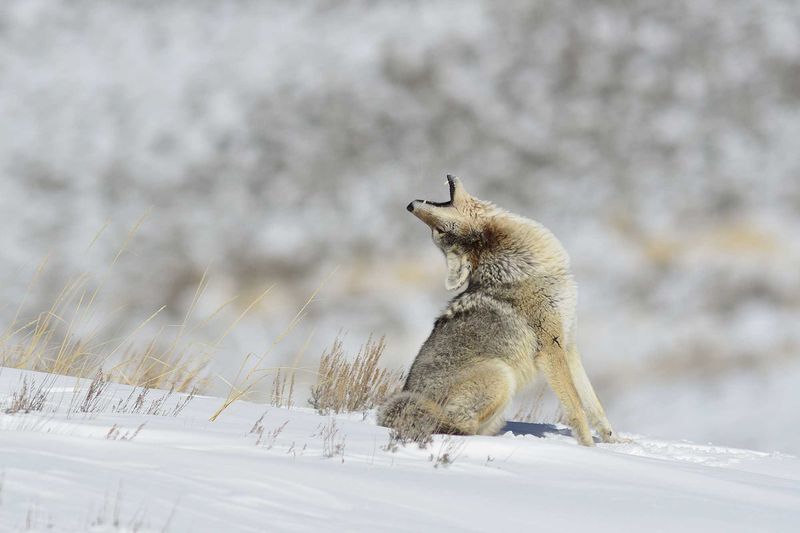
A nighttime chorus tells you coyotes are talking to each other, as USDA Wildlife Services describes. It cannot reliably reveal how many there are, what they are doing, or what they intend.
Your best response is simple: give coyotes space and keep pets protected, as Illinois guidance suggests.
The howls are their business, and the night is theirs too.
Share this story