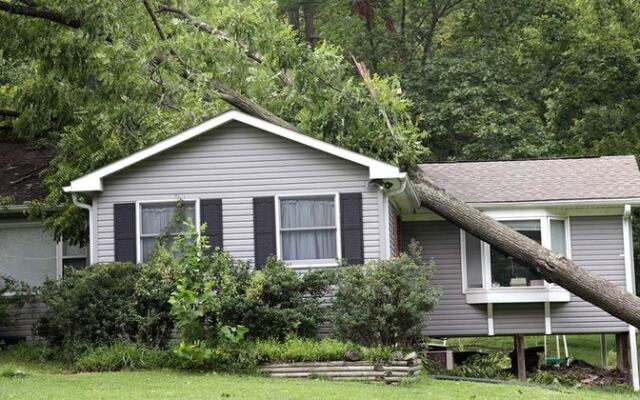
A neighbor does not automatically pay just because the fallen tree grew on their land. In California, the answer usually depends on whether the owner failed to take reasonable care of a hazardous tree and whether that failure caused the damage.
Your own homeowners insurance is often the first call to make, and the details of your policy matter a lot. Here is how to sort out who may be responsible and what to do first.
Start with safety, then preserve the evidence
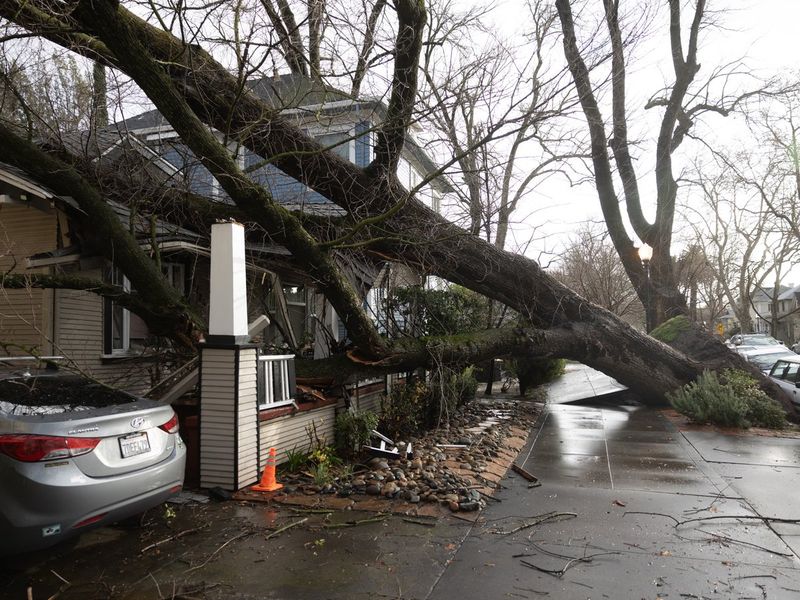
Before anything else, look up and around for wires. Treat any downed line as energized, and keep away from the tree and from fences or other objects that may be touching it.
OSHA safety guidance explains that downed lines can energize trees and other objects even when they are not sparking. Call the utility or emergency responders as appropriate.
Once the area is safe, start documenting. Take wide and close-up photos of the tree, the stump or root area, and every damaged item.
Save receipts for anything you spend, including emergency repairs and cleanup help.
Report the loss to your insurer and read your policy for the deductible. The Department of Insurance Residential Property Claims Guide suggests keeping records and making temporary repairs to prevent further damage.
When feasible, wait for the adjuster before doing permanent repairs.
Good records help preserve a claim, but they do not prove who is liable. Think of them as raw material that others can use later to understand what happened.
Who owned the tree is only the beginning
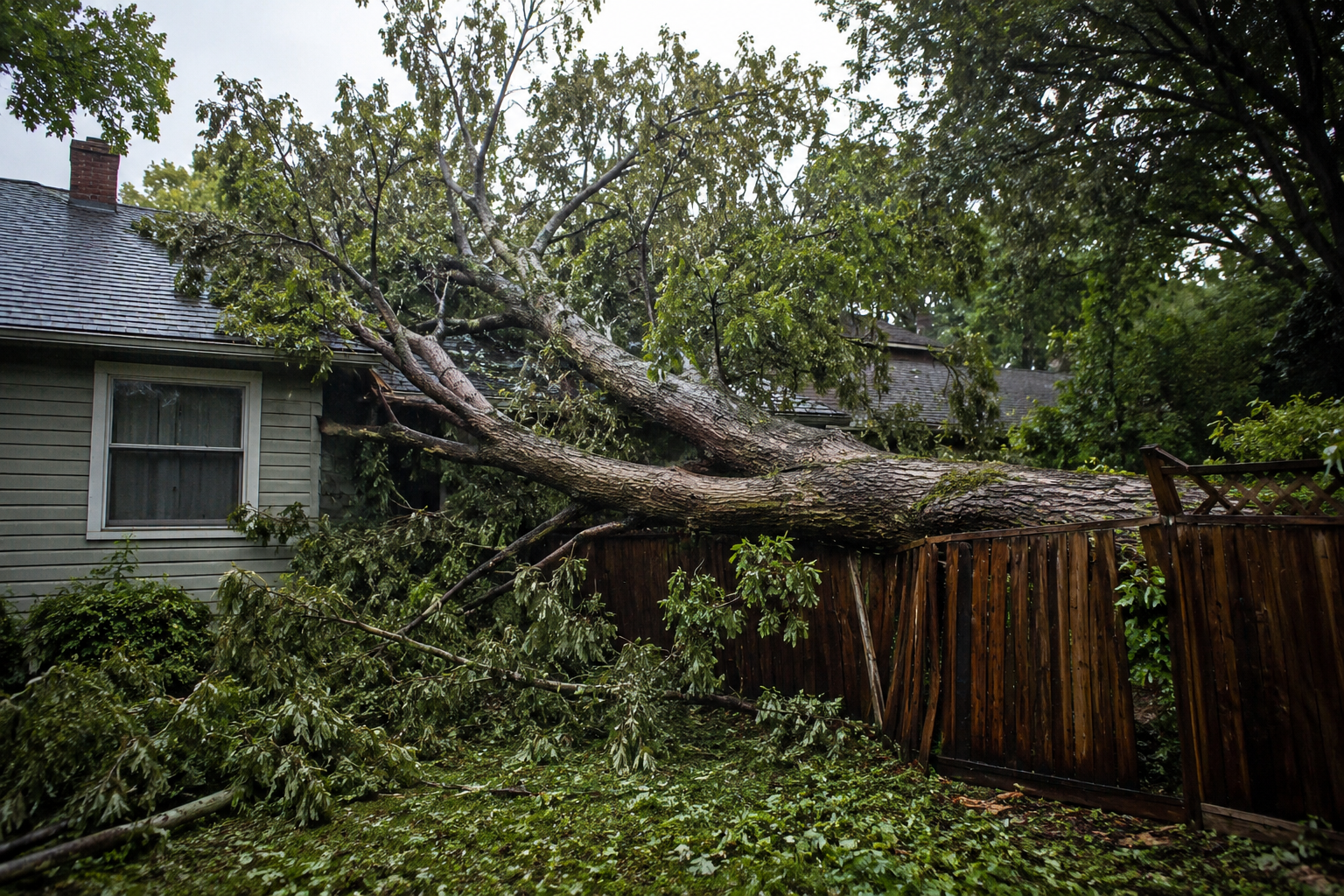
Ownership tells you where the tree grew, not who must pay. For a tree that falls onto neighboring property during a storm, the usual question is whether the owner failed to use reasonable care in maintaining a hazardous tree.
A second question is whether that failure actually caused the damage.
California’s civil jury instructions point to a windstorm case that requires proof of negligent maintenance for trees that fall onto property. In plain terms, a neighbor is not automatically responsible simply because the roots were on their side of the line.
A storm does not settle the matter in either direction. It does not guarantee that the owner is off the hook, and it does not guarantee the owner is liable.
The facts about the tree and its care still matter.
Courts look at the specific situation, so no article can predict how an individual claim will turn out. A healthy tree toppled by extreme winds raises different questions than a tree that was visibly dying for years.
The City of Pasadena v. Superior Court decision, discussed further below, shows that these cases are decided on their facts.
What a tree’s condition and warnings can show
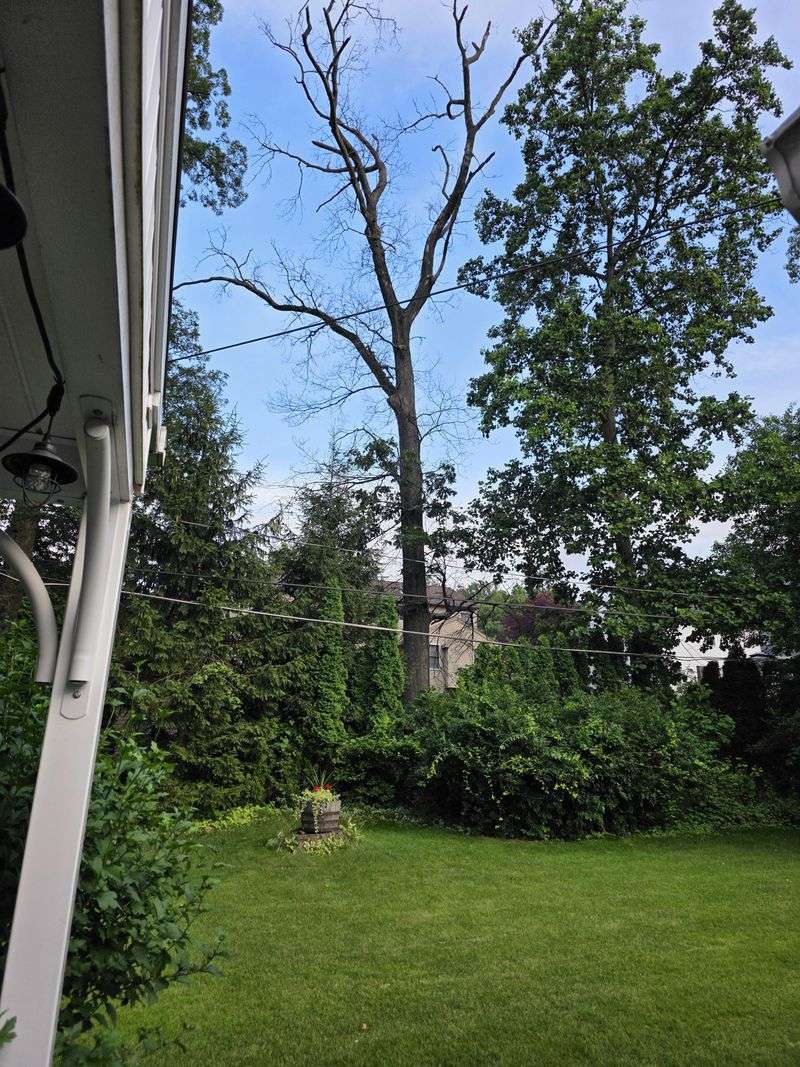
Some facts can help show what an owner knew or reasonably should have known. A dead or visibly deteriorating tree, earlier complaints, inspection records, and professional assessments may all be relevant evidence.
None of them automatically proves negligence.
A warning letter works the same way. It may be relevant evidence, but it is not a guarantee of liability.
The sources reviewed do not establish a universal notice requirement, so a letter is neither always required nor always enough. The California jury instructions and the Pasadena ruling keep the focus on the specific facts.
If a tree is still standing and looks risky, resist the urge to diagnose it or prune it yourself. University of California IPM guidance recommends regular inspection and a qualified tree expert, such as an ISA-certified arborist, when failure could damage property or hurt someone.
An example: old photos showing dead branches, or an arborist report from last year, may later help explain the tree’s condition. Keep copies of anything like that, and note dates.
Check your policy for damage to insured property
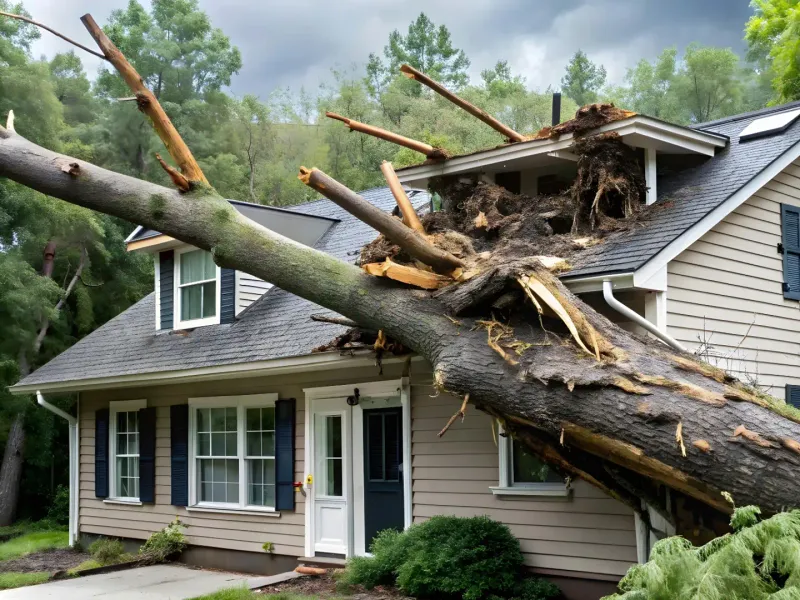
Your own insurer is a practical first call. The California Department of Insurance says, in its winter storm alert, that damage from fallen trees is generally covered under standard homeowners policies, subject to exceptions and policy terms.
That does not mean every impact is covered. Coverage for damage to your home or other insured property depends on the covered cause of loss and the policy’s terms.
A damaged fence, shed, or outdoor item may be treated differently from the house itself, so read the details.
Costs for tree removal, debris, landscaping, and similar items are a separate question. They may be limited or unavailable, especially when the tree did not damage insured property.
The claims guide encourages policyholders to review their policy and ask questions.
Confirm coverage directly with your insurer rather than relying on assumptions. Do not assume the neighbor’s insurer must pay first, and do not assume your insurer will pay for everything.
If the evidence suggests the neighbor was negligent, you or your insurer may pursue a claim against them. That is a separate path from your own coverage.
Removal and debris costs may have limits
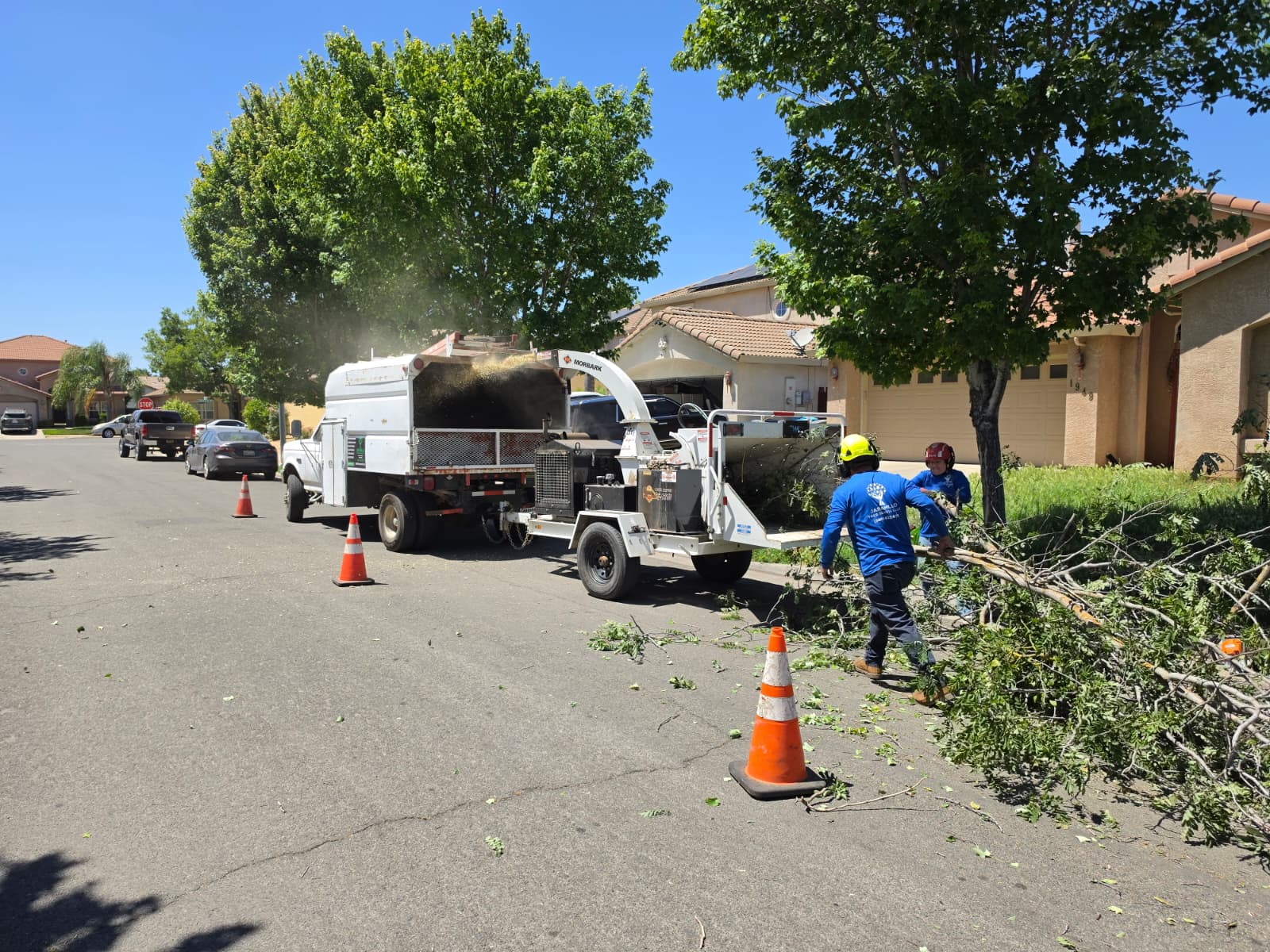
Paying for a repaired roof and paying to haul away a tree are not the same thing. Coverage for a home or other insured property sits in one part of your policy, while trees, plants, and debris removal often fall under different, narrower terms.
The Department of Insurance explains in its Residential Property Claims Guide that coverage for trees and plants is limited, and that debris removal is subject to policy limits. Conditions may also apply.
Picture a tree that lands only in the yard and never touches the house. Removal and landscaping costs in that case may be limited or not covered at all.
A tree that damages the house may be handled differently, but the policy language still controls.
Look for sections on trees, shrubs, plants, and debris removal, and note any dollar caps. Then describe your specific loss to your insurer and ask what applies.
Avoid hiring work and expecting full reimbursement without checking first. Keep receipts and photos either way.
A fallen tree is different from an encroaching branch
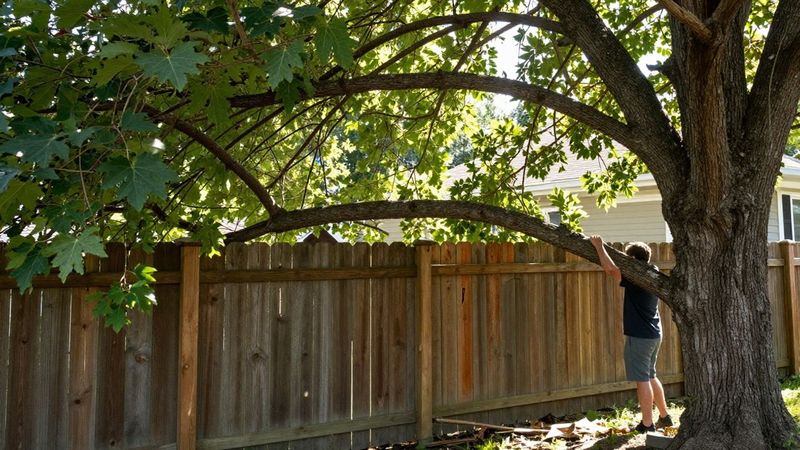
Two situations often get mixed up. One is a tree that falls during a storm.
The other is a branch or root that grows across a property line over time. Different rules may apply, so do not borrow the rules from one for the other.
The California jury instructions note that some cases recognize strict liability for certain encroachments. Separately, they cite the windstorm case for a negligent maintenance requirement.
A storm fall should be viewed through that second lens.
You may also hear about City of Pasadena v. Superior Court.
That case involved a city-owned tree and whether claims could proceed past summary adjudication.
It did not decide that every owner is liable whenever a tree falls in a storm, and it should not be treated as a blanket rule for private neighbors. If your problem is a slowly growing branch or root, a conversation with a local attorney may help sort out which rules fit.
Let the evidence and policy guide your next step
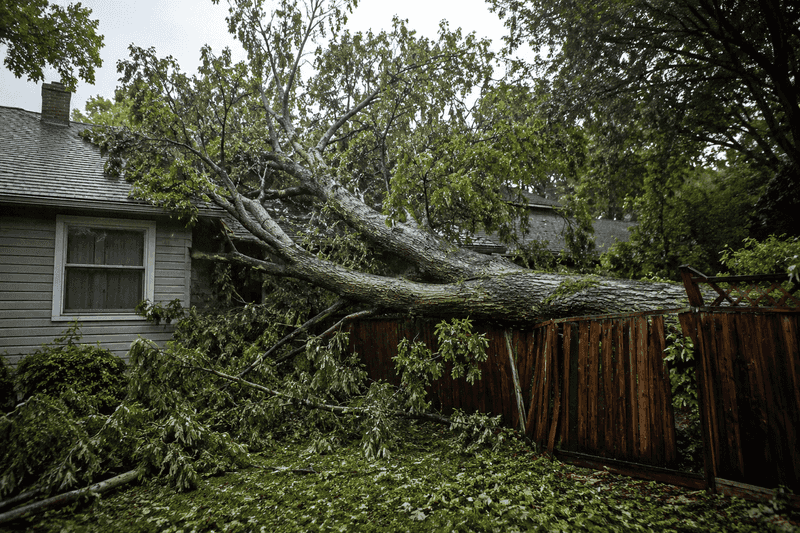
Where the tree stood does not, on its own, decide who pays. Start by staying clear of wires, then save photos and receipts, and call your own insurer to confirm what your policy covers.
If you think the neighbor may have been careless, the facts about the tree’s condition and care matter, as the jury instructions suggest. The claims guide can help you ask your insurer the right questions.
No outcome is guaranteed.
A calm paper trail usually serves you better than a heated argument over the fence.
Share this story