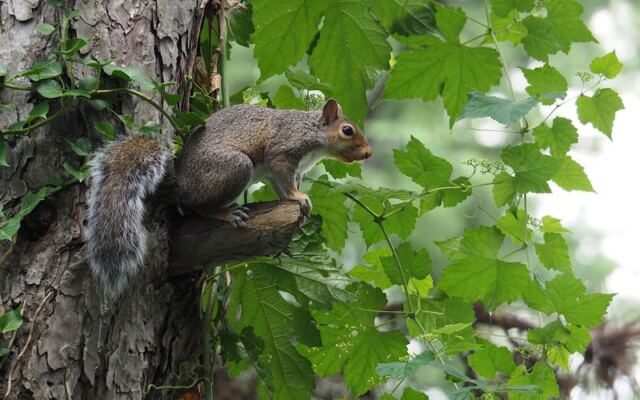
Plenty of North Carolina homeowners are deciding that the squirrel on the fence is fine to leave alone. Eastern gray squirrels bury seeds and acorns around the yard, and that habit can help move seeds to new spots where a tree might grow.
They are not tree-planting machines, and they are not garden helpers, so there are limits. Knowing where those limits sit helps you decide what to tolerate and what to stop.
Eastern gray squirrels are familiar North Carolina neighbors
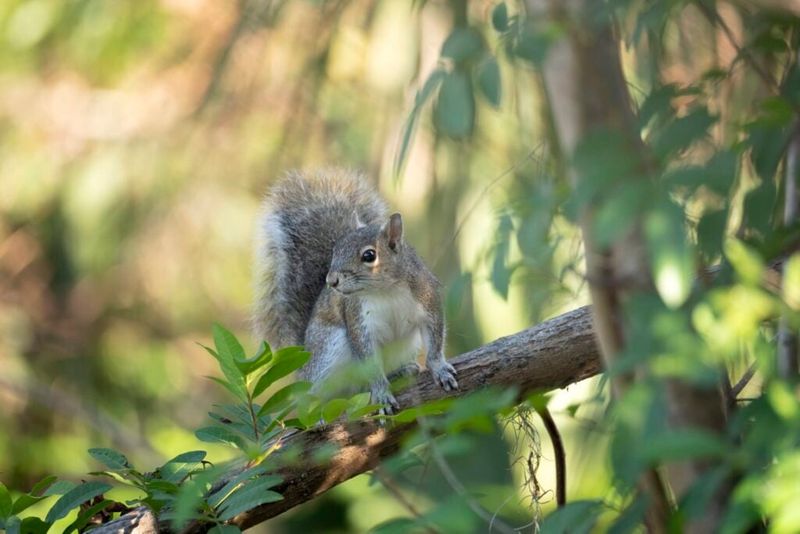
Chances are the squirrel you see most often in a Carolina yard is an eastern gray squirrel. NC Wildlife’s gray squirrel profile describes it as common in the state, including in urban and suburban woodlots.
Nuts and acorns are part of its diet, along with other foods.
Other tree squirrels live in North Carolina too, but their ranges are more limited. According to NC Wildlife’s coexistence fact sheet, the eastern gray is the one found statewide.
That matters because habits differ among species, so what is said here applies to the gray squirrel and should not be assumed for every squirrel anywhere.
A squirrel running along a branch or digging near an oak is simply being a squirrel. A squirrel chewing on siding or moving into an attic is a different problem.
Keeping those two situations apart is the key to deciding how much you are willing to put up with.
The rest of this article looks at what squirrels may do for a yard, what they probably do not do, and how to protect your home while sharing the outdoors.
Caching gives some seeds a chance to travel
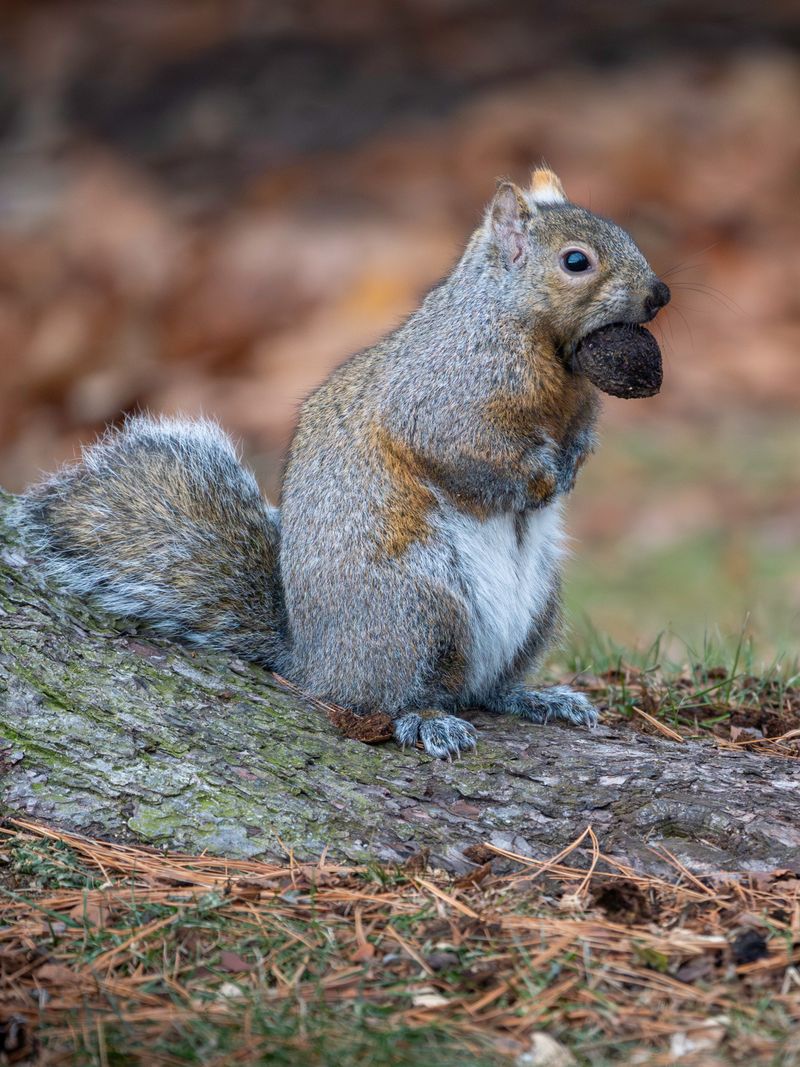
Squirrels do not eat every acorn the moment they find it. Instead, they scatter-cache, which means they bury seeds in many separate spots.
Each burial can move a seed some distance from the tree that dropped it.
That travel is what makes caching interesting to scientists. A peer-reviewed review of squirrel and seed interactions describes squirrels as both seed eaters and seed dispersers, depending on what happens to the seed afterward.
Squirrels also shuffle their stashes. In a study of tagged acorns in eastern deciduous forests, 19 of 39 acorns that were first cached were cached again at least once.
Each move can carry an acorn farther from where it started. The researchers saw this re-caching as relevant to seed dispersal and oak regeneration.
Notice what the study measured: movement. It did not show that those acorns grew into seedlings, and it does not say that most caches do.
Think of caching as a way seeds can get a chance to travel, not as a finished planting job.
A forgotten cache is a possibility, not a promise
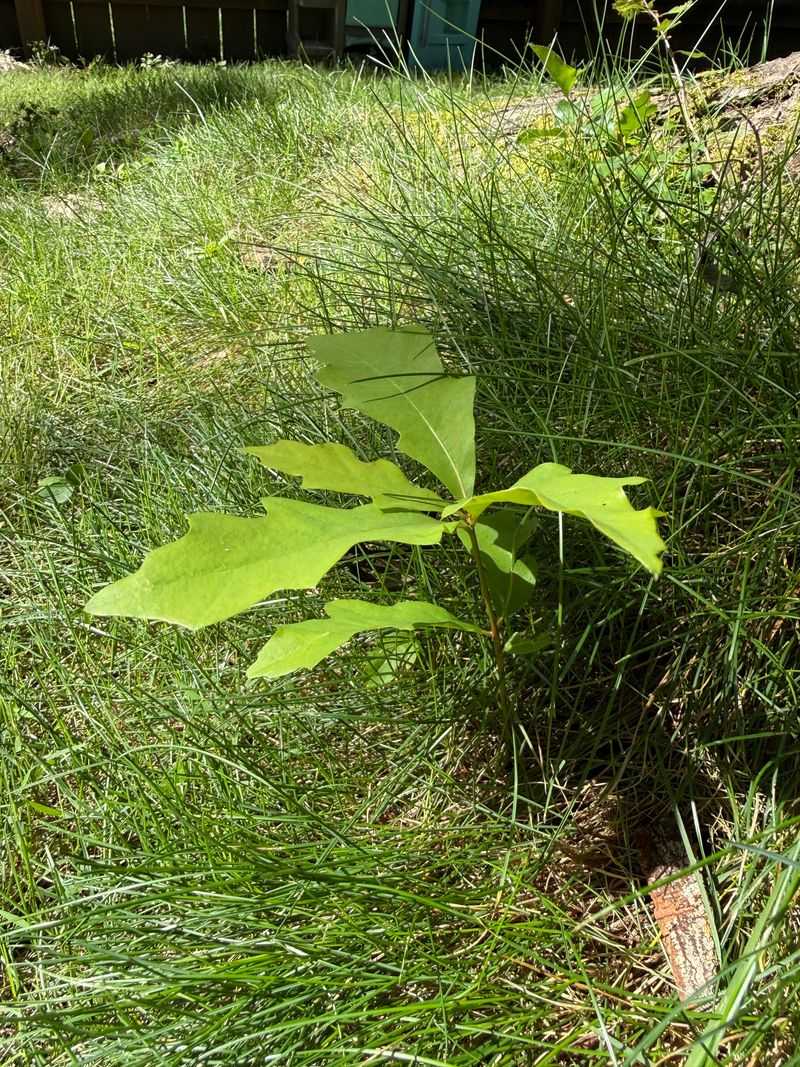
You may hear that squirrels plant trees. That is shorthand for one possible result of caching, not a goal the squirrel has and not something you can count on in your yard.
Whether a buried seed sprouts depends on several things: the seed’s condition, where it was placed, and what the squirrel does next. A squirrel may come back and retrieve it, eat it, or damage it.
The review of squirrel and seed interactions documents both caching and seed-damaging behavior, including removal of the acorn embryo, which stops the seed from germinating.
Nobody can tell you what share of buried nuts end up as saplings, and this article will not guess. The tagged-acorn work showed that caches get moved around, which means a cache is not a fixed planting spot.
So if a small oak turns up in your flower bed, a squirrel may have had a hand in it, but you cannot assume it. Treat any volunteer seedling as a pleasant surprise, and pull it or move it if it is in a bad spot.
Does squirrel digging improve garden soil?
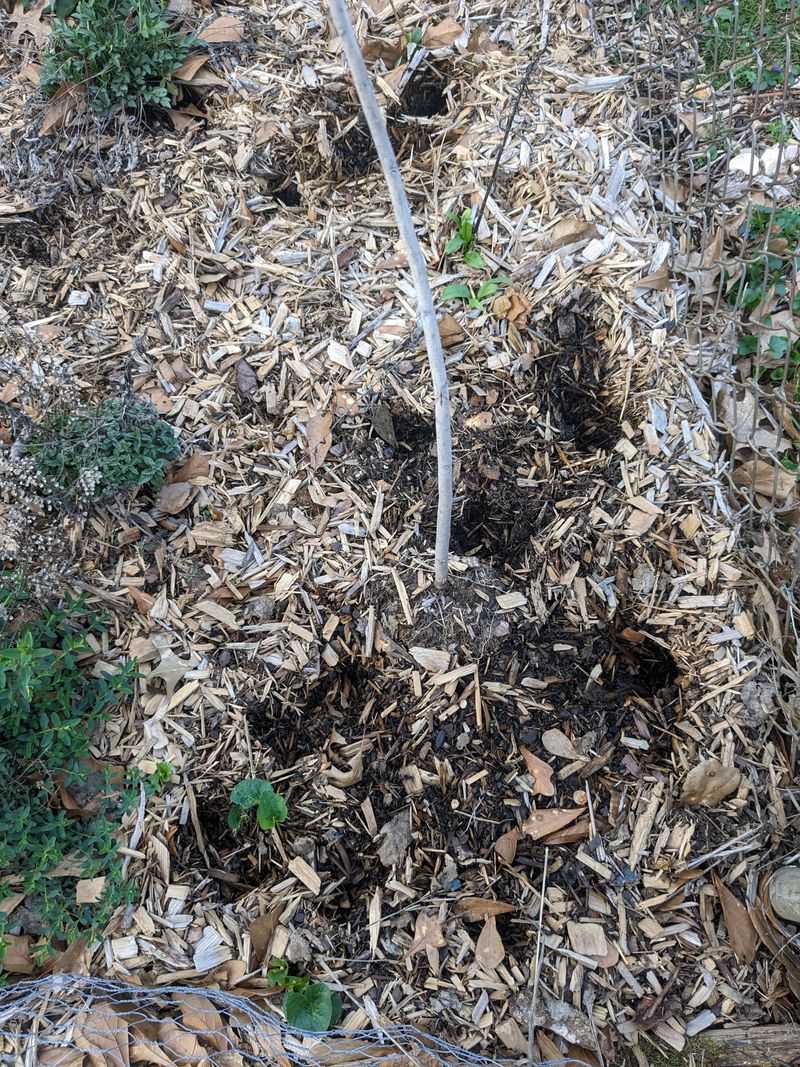
Those little holes in your lawn or flower pots are easy to see, and it is tempting to call them free tilling. Visible soil disturbance is all that can be said for certain.
A squirrel burying or digging up a seed leaves a small patch of loosened dirt.
Better soil is a bigger claim. Nothing in the research reviewed here shows that ordinary squirrel digging improves soil health, fertility, or aeration.
The peer-reviewed review focuses on seeds: how squirrels eat them, bury them, and sometimes spread them.
That means the case for tolerating squirrels rests on a possible seed-dispersal role, not on any gardening benefit. If squirrels dig up bulbs or seedlings, you are not getting free soil care.
You are getting a chore, and you can replant and cover the area with mesh or hardware cloth if it bothers you.
Coexistence has a boundary at the house
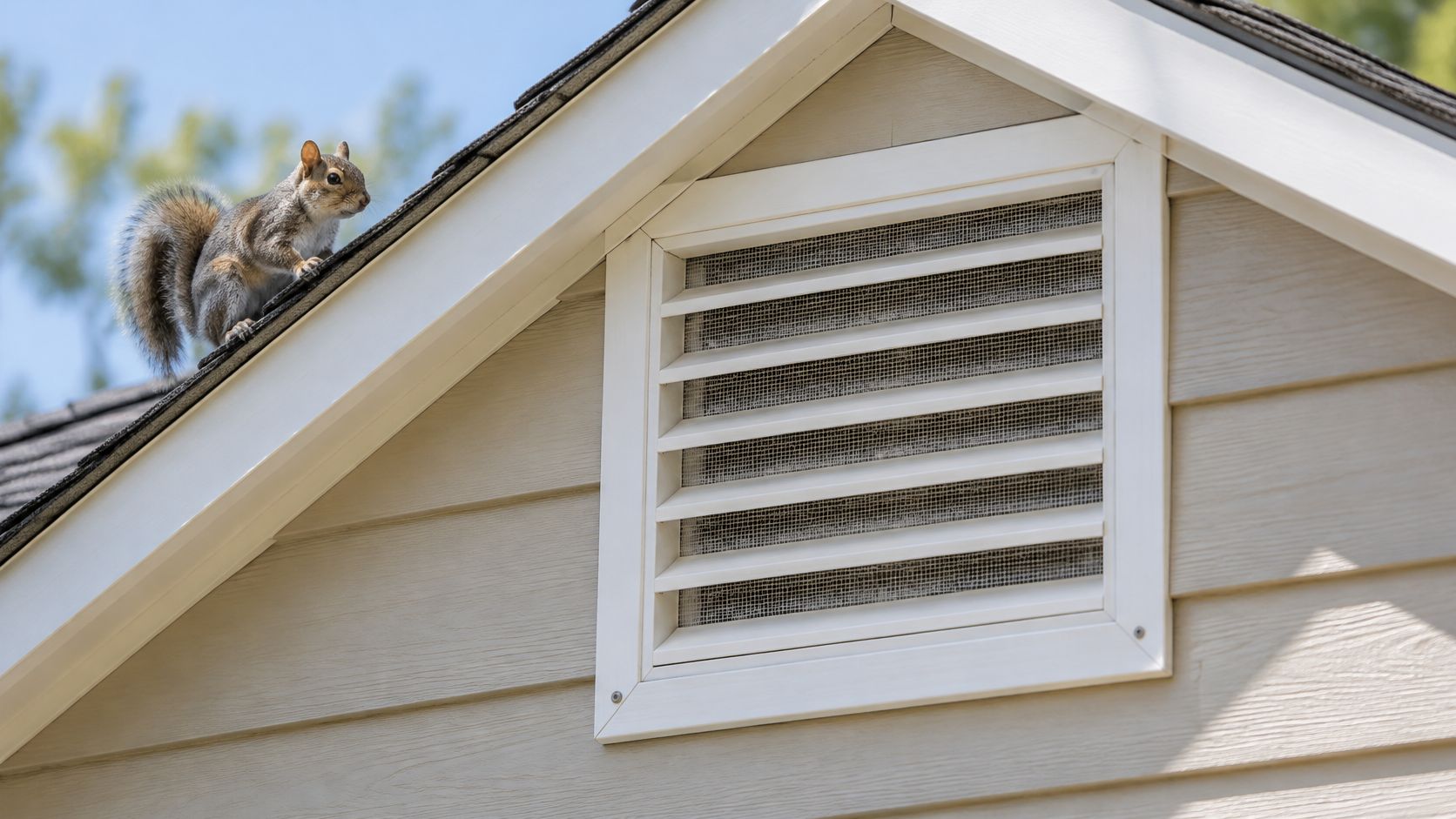
Sharing the yard is one thing. Sharing the attic is another.
NC Wildlife documents that squirrels can damage wiring, roofs, siding, and gardens, and a squirrel inside a building can create fire and repair risks.
To keep them out, NC Wildlife advises closing entry points with ½-inch hardware cloth or chicken wire. It also recommends trimming tree limbs at least six feet from the house, so squirrels have a harder time reaching the roof.
Walk around your home and look at roof edges, vents, gaps near the soffit, and places where wires enter. Fresh chew marks or scratching sounds in the morning or evening can be clues that something is trying to get in or already has.
If squirrels are already inside, or the damage is substantial, the agency recommends consulting a licensed Wildlife Control Agent or asking about a depredation permit. Rules on trapping and relocation depend on the situation, so check with NC Wildlife or a licensed agent rather than assuming a general rule.
Seal entry points only after confirming nothing is trapped inside.
Small changes can reduce backyard conflict
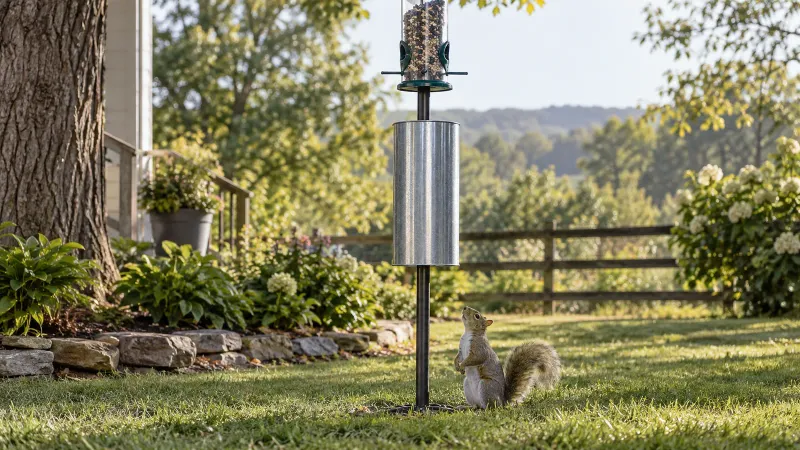
You do not need to feed squirrels to enjoy having them around, and food is usually what turns a passing visitor into a daily nuisance. NC Wildlife suggests a few simple steps to lower the odds of conflict.
Start with the trash. Use lids that close tightly or keep bins in a garage or shed until pickup day.
Bring pet food bowls inside when your dog or cat is done eating, since leftover kibble is an easy meal.
Birdseed is another draw, because squirrels will eat it. Feeders designed to limit squirrel access, or baffles on the pole, can help keep the seed for the birds.
Try one change at a time and watch what happens over a couple of weeks. These steps can reduce squirrel activity near your patio or feeders, but they will not remove squirrels from the neighborhood, and that is fine if the goal is fewer problems rather than none.
Keep wild squirrels wild
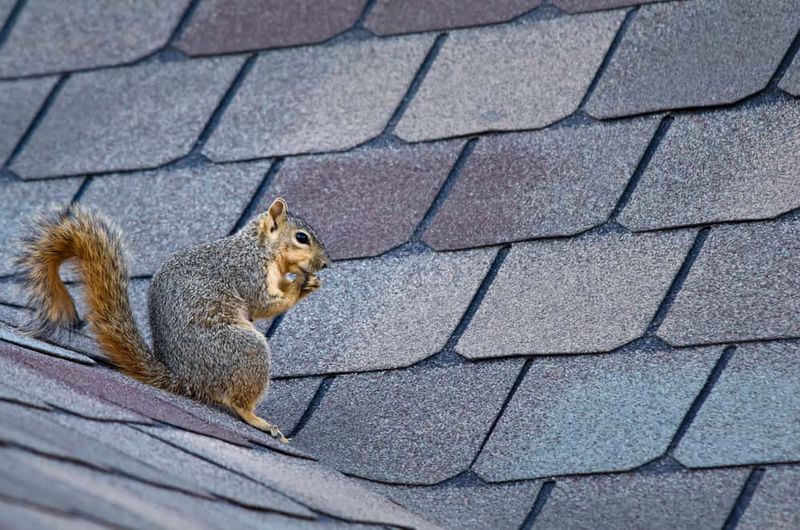
Admiring a squirrel from the porch is safe. Picking one up, hand-feeding it, or trying to tame it is not.
NC Wildlife’s guidance is not to handle wildlife.
Squirrels rarely contract rabies, but they can bite or scratch to defend themselves. After a bite or any direct contact, wash the area and contact a physician or your county health department for advice.
NC Wildlife’s wildlife-problem FAQs cover this too.
A fallen nest is a harder moment, because a baby squirrel can look helpless. NC Wildlife advises leaving a young squirrel alone for 24 hours to see whether its mother returns.
If she does not, contact a licensed rehabilitator before attempting to capture it.
A yard truce depends on the right boundary
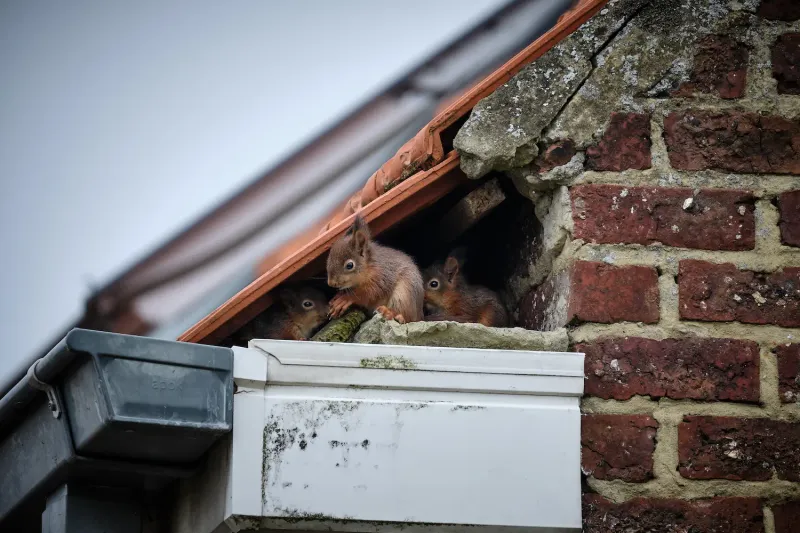
A squirrel in the oak is easy to live with when your house is sealed, your trash is secure, and nobody is reaching out to touch it. Eastern gray squirrels may carry seeds to new places, as research on squirrel and seed interactions describes, but that is a conditional bonus, not a service you can order.
When damage starts, NC Wildlife’s guidance is the place to turn.
Tolerance works best when it comes with a fence line, even an invisible one: outside is shared, inside is yours.
Share this story