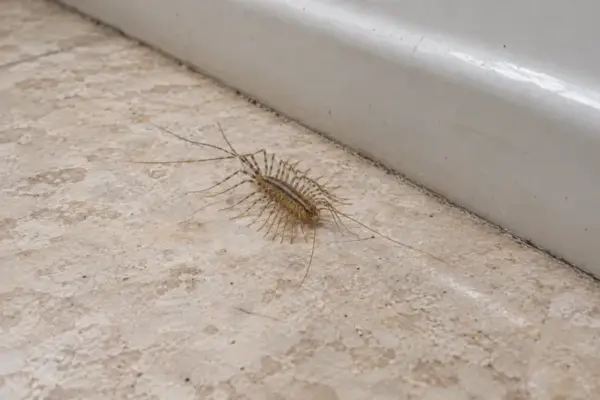
Most Illinois backyards are full of harmless critters, but a few visitors deserve a second look. Copperheads, timber rattlesnakes, and brown recluse spiders all live in parts of the state, and each one has clues that give it away.
Knowing those clues helps you stay calm, keep kids and pets safe, and avoid hurting the many look-alikes that pose no threat at all. Here is a simple guide to spotting the real deal.
1. Copperhead Hourglass Bands
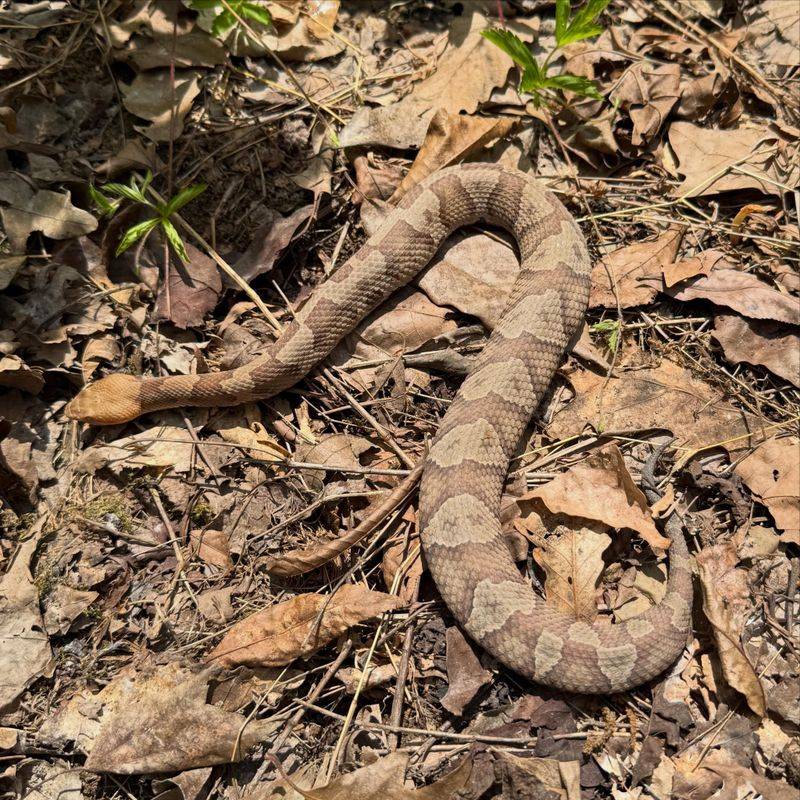
Picture a snake that looks like it was painted to match fallen leaves. That is the copperhead, and its camouflage is so good that most bites happen when someone steps or reaches without looking.
The best clue is the pattern. Dark chestnut bands run across a lighter tan or pinkish body, and each band is wide on the sides and narrow along the spine, like an hourglass or a Hershey’s Kiss seen from the side.
Copperheads in Illinois mostly stick to the southern third of the state, especially rocky, wooded hillsides near the Shawnee National Forest. If you live in that area, woodpiles and leaf litter are prime hiding spots.
2. Copperhead Head and Tail Clues
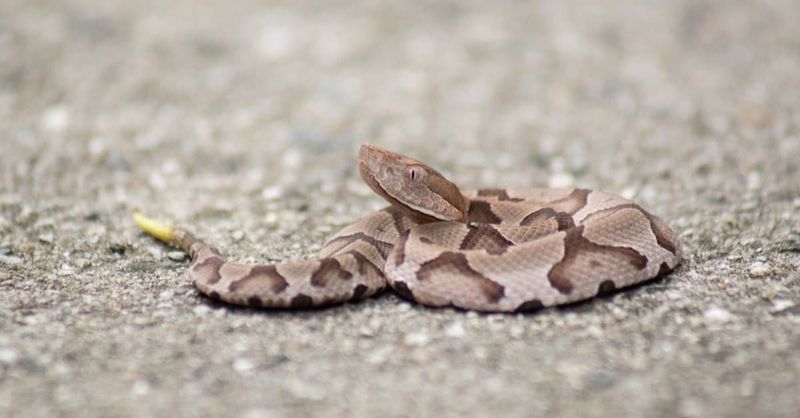
Fun fact: baby copperheads are born with a built-in fishing lure. Their tail tips glow a sulfur yellow or greenish shade, and they wiggle them to trick frogs and lizards into coming closer.
Adults lose that bright tail, but the head still helps. It is coppery, smooth on top, and noticeably wider than the neck, with vertical cat-like pupils and a small heat-sensing pit between eye and nostril.
Of course, you should never get close enough to check pupils. If the color and banding already match, step back and let it move along.
Copperhead bites are painful but rarely deadly, and the snake would much rather leave than fight.
3. Timber Rattlesnake Chevrons
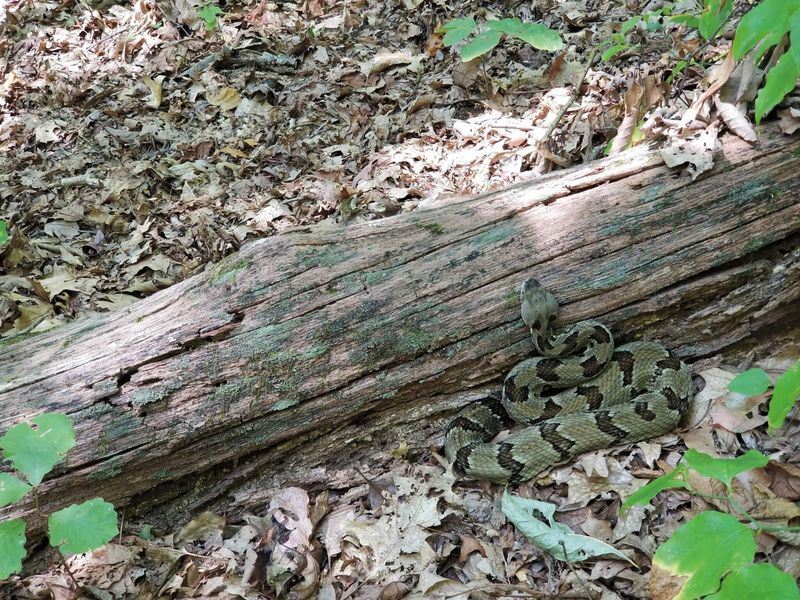
Hikers along the Mississippi River bluffs sometimes report a snake so calm it seems almost bored. That relaxed attitude belongs to the timber rattlesnake, the largest venomous snake in Illinois, which can top four feet.
Look for jagged black or dark brown bands shaped like sideways Vs, or chevrons, pointing toward the head. Body color varies from sulfur yellow to gray to nearly black, but the tail is almost always solid, velvety black.
Timber rattlers are a protected threatened species in Illinois, so killing one is illegal. They are rare in yards, but homes near wooded bluffs and rocky ridges in the west and south can see the occasional wanderer, especially in late summer.
4. The Rattle Itself
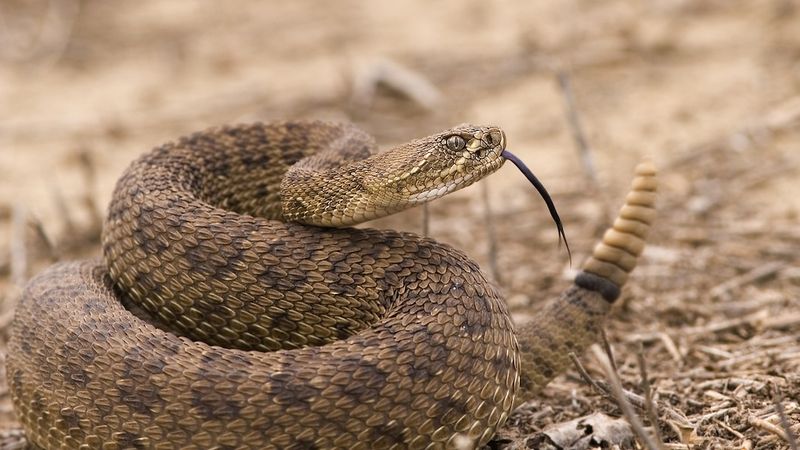
Bzzzzz. If you hear a dry, insect-like buzz coming from the brush, freeze and figure out where it is before you take another step.
The rattle is made of hollow keratin segments, the same stuff as your fingernails, and a new piece gets added every time the snake sheds. That means counting segments will not tell you its age, despite the old myth.
Not every rattlesnake rattles, though. Timber rattlers often stay perfectly still and silent, trusting their camouflage.
Rattles can also break off, so a missing rattle does not mean the snake is harmless. Pair the sound with the chevron bands and black tail for a solid ID.
5. Harmless Snake Look-Alikes
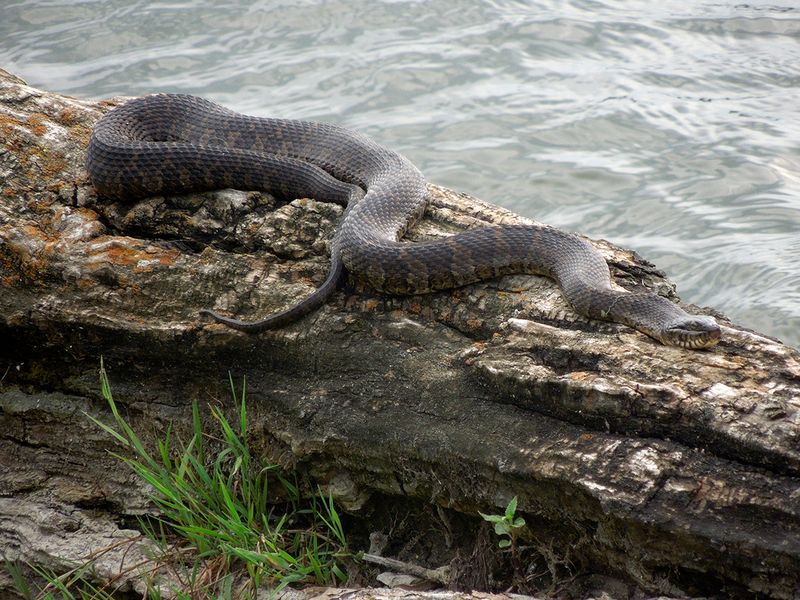
Honestly, the snake in your garden is far more likely to be a friend than a foe. Illinois has around 40 snake species, and only four are venomous.
Northern water snakes get mistaken for copperheads all the time, but their bands are wider on the back and thinner on the sides, the reverse of the hourglass. Eastern milksnakes have reddish blotches outlined in black rather than bands, and fox snakes have a rounded, rusty head.
Bullsnakes and rat snakes sometimes shake their tails in dry leaves to fake a rattle. Clever, but no rattle exists.
These snakes eat mice and rats, so letting them be is a free pest control service.
6. Brown Recluse Violin Mark
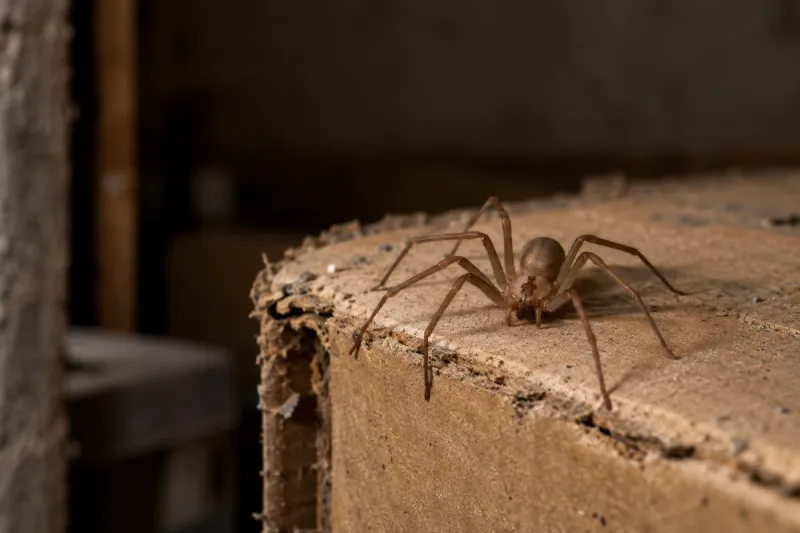
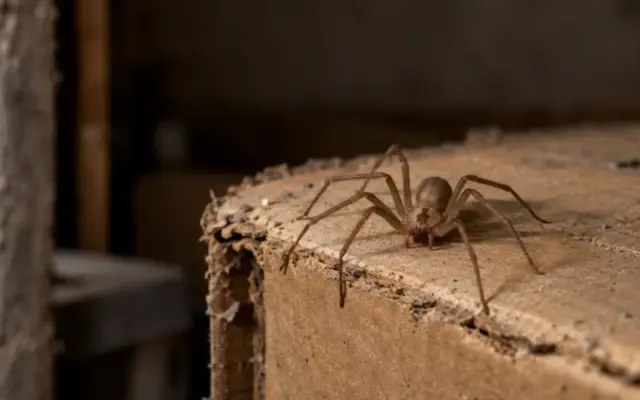
Spiders get blamed for a lot, but the brown recluse earns a little of its reputation. It is common in southern and central Illinois, where it loves quiet basements, closets, attics, and garages.
Look at the front body section for a dark brown violin shape, with the neck of the fiddle pointing back toward the abdomen. That is why some people call it the fiddleback spider.
The rest of the spider is plain light to medium brown, with no stripes, spots, or bands on the legs. Adults are about the size of a quarter including legs.
If your spider has a busy pattern, it is almost certainly something else.
7. Brown Recluse Six Eyes
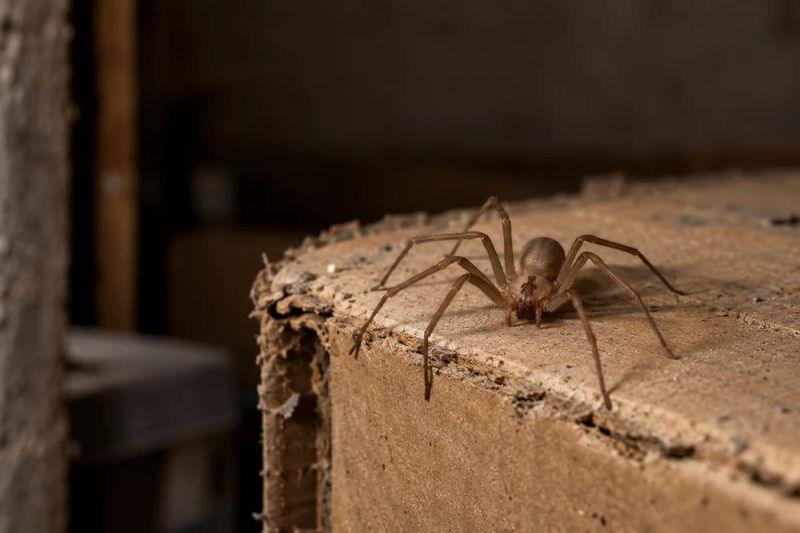
Here is a trick experts swear by. Most spiders have eight eyes, but the brown recluse has only six, set in three pairs that form a curved row.
You will need a magnifying glass or a zoomed-in photo to see it, and the spider should already be in a jar or squished. A clear picture sent to your local University of Illinois Extension office can get you a confident answer.
Recluses are shy and bite mostly when pressed against skin, like inside a shoe or glove. Shake out clothing stored in the garage, use sticky traps along walls, and move beds away from the wall to cut down on surprise encounters.
8. What To Do After a Bite
Stay calm. That simple step matters more than any home remedy, because panic speeds up your heart and makes everything harder.
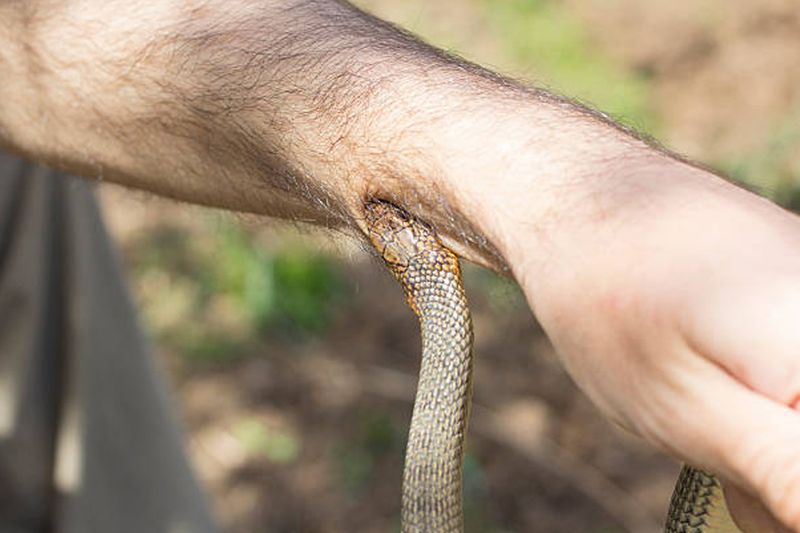
For a snake bite, keep the bitten limb still and around heart level, take off rings or tight items, and call 911 or head to an emergency room right away. Skip the old tricks like cutting, sucking out venom, ice, or tourniquets, since they cause more harm.
A suspected recluse bite often starts painless and turns red or blistered hours later. Wash it, apply a cool cloth, and see a doctor if it worsens.
The Illinois Poison Center at 1-800-222-1222 is free and open around the clock for both.
Share this story