Get the latest garden guides in your inbox →
Gardening Latest
  • General Gardening
  • Lawn Care
  • Plant Care
  • Composting
  • Soil Health
  • Backyard
  • Garden Muse Magazine
  • General Gardening
  • Lawn Care
  • Plant Care
  • Composting
  • Soil Health
  • Backyard
  • Garden Muse Magazine
  • News
  • Gardening Calendar
  • Garden Structures
  • Vegetable Garden
  • Vertical Garden
  • Raised Beds
  • Hydroponics
  • General Equipment
  • Community Gardens
Garden Themes
  • Spiritual Garden
  • Hydroseeding
  • Seeding and Laying Sod
  • Artificial Grass
  • Lawn Care Equipment
  • Plants
  • Trees
  • Planting Tools
  • Composting Basics
  • Fertilizer
  • Alternative Growing Mediums
  • Front Yard
  • Backyard Activities
  • Landscaping
Gardening Latest

Explore by state

Which state is your garden in?

Currently viewing Tennessee

All states

Northeast

  • Connecticut —
  • Delaware 27
  • Maine —
  • Maryland 13
  • Massachusetts 29
  • New Hampshire —
  • New Jersey 13
  • New York 22
  • Pennsylvania 22
  • Rhode Island —
  • Vermont —

Southeast

  • Alabama 13
  • Arkansas —
  • Florida 13
  • Georgia 13
  • Kentucky 27
  • Louisiana 12
  • Mississippi —
  • North Carolina 11
  • South Carolina 26
  • Tennessee 10
  • Virginia 12
  • West Virginia —

Midwest

  • Illinois 12
  • Indiana 14
  • Iowa 26
  • Kansas —
  • Michigan 13
  • Minnesota 12
  • Missouri 12
  • Nebraska —
  • North Dakota —
  • Ohio 13
  • South Dakota —
  • Wisconsin 28

Southwest

  • Arizona 13
  • Colorado —
  • Nevada —
  • New Mexico —
  • Oklahoma —
  • Texas 12
  • Utah —

West

  • Alaska —
  • California 12
  • Hawaii —
  • Idaho —
  • Montana —
  • Oregon —
  • Washington —
  • Wyoming —

No state matches that search.

Site menu

Gardening Latest
  • General Gardening
    • News
    • Gardening Calendar
    • Garden Structures
    • Vegetable Garden
    • Vertical Garden
    • Raised Beds
    • Hydroponics
    • General Equipment
    • Community Gardens
    Garden Themes
    • Spiritual Garden
  • Lawn Care
    • Hydroseeding
    • Seeding and Laying Sod
    • Artificial Grass
    • Lawn Care Equipment
  • Plant Care
    • Plants
    • Trees
    • Planting Tools
  • Composting
    • Composting Basics
  • Soil Health
    • Fertilizer
    • Alternative Growing Mediums
  • Backyard
    • Front Yard
    • Backyard Activities
    • Landscaping
  • Garden Muse Magazine

Explore

  • About GardeningLatest.com
  • Contact Us

Get the latest from the garden

New guides on lawn care, plants and backyard projects, sent when they go up.

Subscribe →

Follow

  • Facebook
  • X
  • Pinterest
  • YouTube
Tennessee Gardening

Before You Cut That Giant Flower Stalk Off Your Tennessee Yucca, Here’s Why It Showed Up

That tall stalk shooting up from your yucca is the plant flowering, and it is a normal event, not an emergency…

JM

By Jolene Mabry

November 24, 2026 · 6 min read

Before You Cut That Giant Flower Stalk Off Your Tennessee Yucca, Here’s Why It Showed Up
Before You Cut That Giant Flower Stalk Off Your Tennessee Yucca, Here's Why It Showed Up

That tall stalk shooting up from your yucca is the plant flowering, and it is a normal event, not an emergency. By itself, it does not mean your whole yucca clump is dying.

The flowers also connect to a small moth with a very specific job. Once you know what is going on, you can decide calmly what to do with the stalk.

At a glance

Where
Tennessee Gardening
Hardiness zone
7 0 to 10°F
Read
6 minutes
Published
November 24, 2026

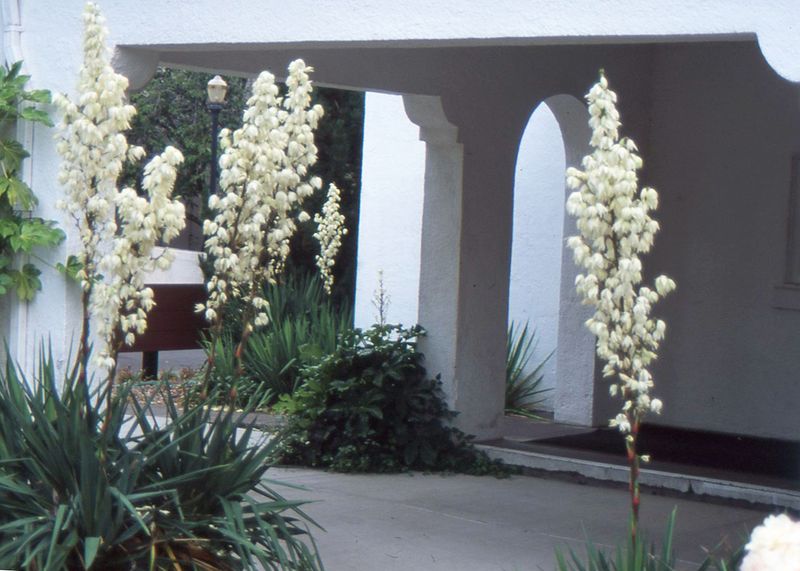
The tall stalk is part of yucca flowering
The tall stalk is part of yucca flowering
© Oregon State Landscape Plants – Oregon State University

A tall stalk on your yucca is the plant flowering. It is not an automatic emergency, and nothing about it says you must grab the pruners today.

For most gardeners, it simply means the plant has reached the blooming part of its life.

Adam’s needle is a common yucca in Tennessee landscapes and roadsides. According to University of Tennessee forestry resources, the yuccas found in the area include Yucca filamentosa and Y. flaccida.

The same source describes the summer flower stalk, which carries a cluster of creamy, bell-shaped blooms well above the leaves.

Seeing a stalk alone will not tell you exactly which yucca you have. Plenty of yuccas send up similar spikes, and some growers treat the two Tennessee names as close relatives or even the same plant.

So the stalk is best read as a sign of flowering and nothing more.

It also does not predict what happens to the clump next. A stalk can rise from one rosette in a group of several, and the others may carry on as usual.

Later sections cover what can happen after bloom, but for now, a tall spike in summer is a plant doing what yuccas do.

If the stalk showed up in a spot where you did not expect it, that is no cause for alarm. Take a few photos, enjoy the show, and give yourself time to decide what comes next.

Yucca flowers have a moth connection
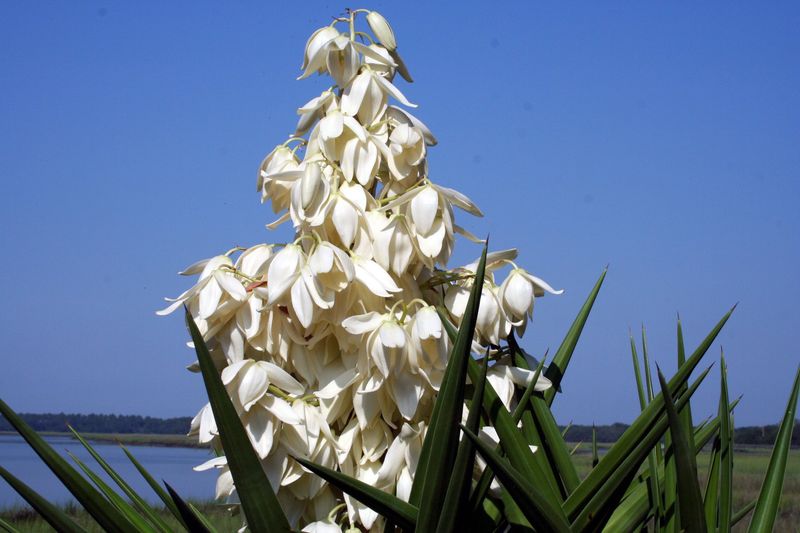
Yucca flowers have a moth connection
© Naturescapes of Beaufort, SC

Behind those white blooms is one of the neatest partnerships in the plant world. Yuccas rely on yucca moths for pollination.

The moth gathers pollen from one flower, carries it to another, and places it on the flower’s receiving surface on purpose.

If you decide on cleanup, start with the right mindset: cut the stalk, do not pull it.

The moth also lays eggs in the flower. As described by University of Tennessee forestry resources, this pollination relationship is a defining feature of the plant.

The pollinated flower can then develop into a seed pod.

Here is the twist. When the eggs hatch, the larvae feed on some of the developing seeds.

That sounds like a bad deal for the plant, but other seeds in the pod are left alone. North Carolina State Extension notes that some seeds remain viable after this feeding.

That does not mean every flower or every seed ends the same way. Some flowers may never get visited, some pods may form with few usable seeds, and some seeds will be eaten.

The moth and the plant each get something from the arrangement, but the results vary from flower to flower.

So when you look at your stalk, you are seeing more than decoration. Each bloom is a possible meeting place for the plant and a tiny insect that depends on it.

Choose when to remove the spent stalk
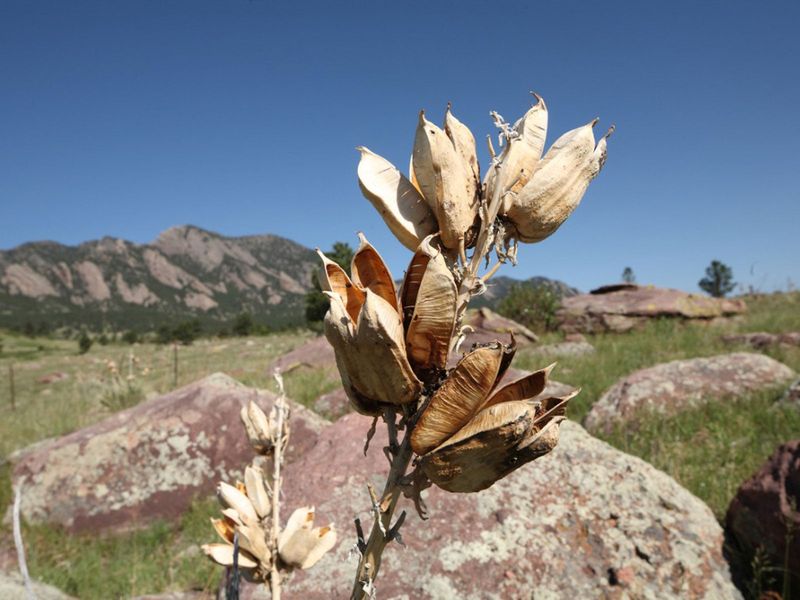
Choose when to remove the spent stalk
© Gardening Know How

Once the blooms fade, you get to pick. If you want seeds, leave the stalk standing while the pods mature.

If you would rather have a neater bed, you can cut the stalk after flowering is done.

Extension guidance backs both paths. University of Nevada, Reno Extension describes removing yucca flower stalks after flowering as routine cleanup, and suggests waiting until seeds mature or disperse if seed matters to you.

The reasons to wait are the ones tied to the plant itself: letting seeds finish developing and keeping the yucca and yucca moth relationship going through the pod stage. That is the supported case for leaving the stalk.

A gardener who just likes the look of a bare, tidy plant has no need to feel guilty.

One common worry is that the pods are needed for next year’s blooms. They are not.

An Illinois Extension answer says the seed pods are not needed for the plant’s next bloom, so removing them will not cost you future flowers.

Think of cutting as housekeeping, not rescue work. A stalk left up for a few weeks will not harm anything, and a stalk cut right after the petals drop is fine too.

Choose based on whether you want seeds or a cleaner garden bed.

Cut the stalk carefully
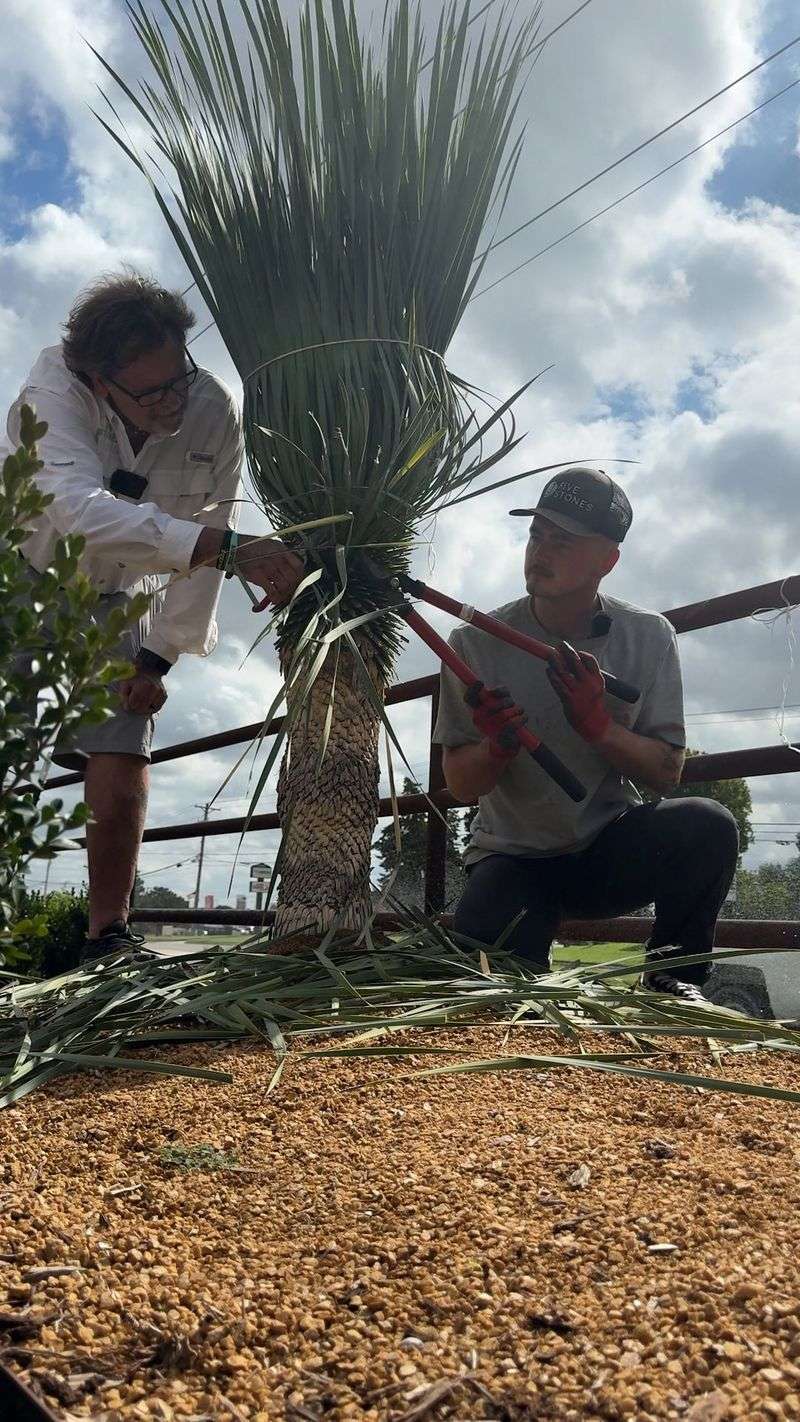
Cut the stalk carefully
© fivestones.landscape

If you decide on cleanup, start with the right mindset: cut the stalk, do not pull it. The stalk is woody, and yanking on it by hand is poor advice.

Illinois Extension guidance points toward cutting rather than pulling.

The leaves deserve respect too. Yucca foliage is stiff and ends in sharp points, a trait noted in the University of Tennessee description of Adam’s needle.

A slip while reaching in can leave a painful puncture.

A few sensible precautions help. Wear sturdy gloves, long sleeves, and eye protection.

Long pants and closed shoes are a good idea as well, since the leaf tips can catch skin at any height.

Move slowly and look at where the leaves are before you reach in. If the stalk is thick, a saw designed for pruning may work better than small clippers.

Choose whatever tool you can control comfortably, and cut near the base of the stalk.

Hold the stalk as it comes free so it does not swing toward the leaves or your face. Lay the cut piece on a tarp or in a bin rather than dragging it across your yard.

Remember that this is a tidy-up job, not a task the plant needs done to stay healthy, so there is no reason to rush or take risks.

A flowering rosette is not the whole clump
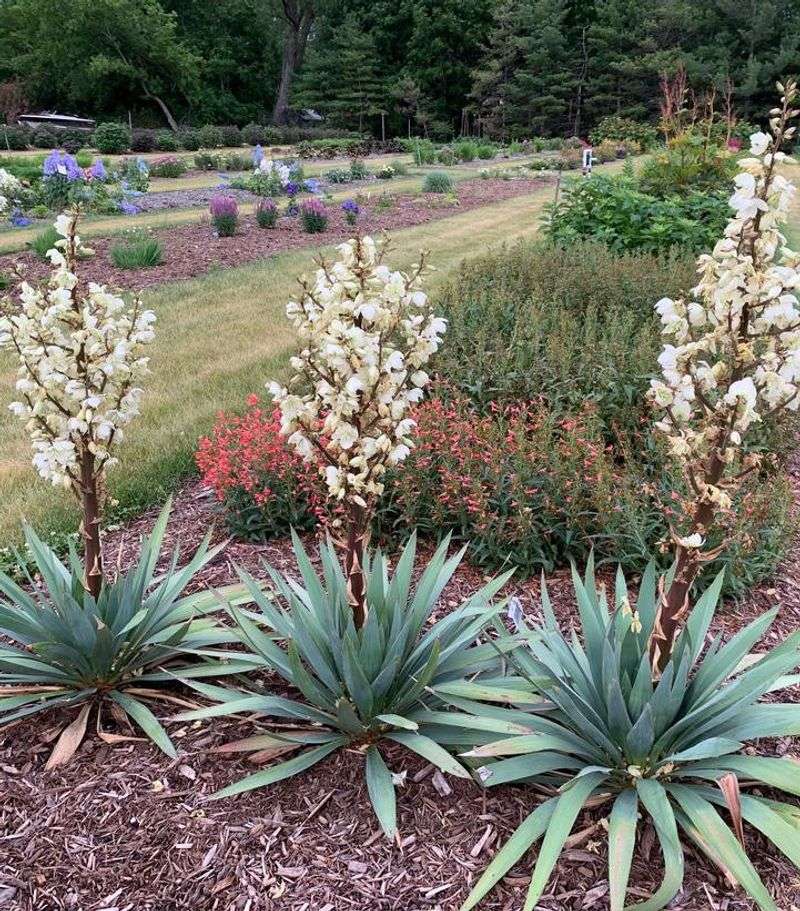
A flowering rosette is not the whole clump
© Plant Addicts

It is natural to wonder whether flowering means the plant is on its way out. The honest answer depends on the kind of yucca and how it grows.

Some yucca species, or individual flowering rosettes, decline after flowering, while the rest of a clump can carry on through other rosettes or offsets.

Species matters here. Flora of North America describes Yucca flaccida as forming colonies whose rosettes slowly die after flowering.

That is a statement about rosettes within a colony, not a prediction that the entire colony disappears.

Tennessee sources add a wrinkle. The University of Tennessee lists both Y. filamentosa and Y. flaccida locally, and some botanists treat them as one species.

Because of that, you cannot be sure which description fits your plant without a closer look.

So there are two things not to assume. Do not promise yourself that the exact rosette holding the stalk will survive, and do not decide that the whole clump will die.

Watch the base of the plant over the next season and see whether new rosettes or offsets are filling in around it.

It also helps to keep yucca separate from agave. University of Nevada Extension notes that agaves generally die after blooming, while yucca stalks are simply removed after flowering if you like.

Agave’s usual outcome should not be applied to your yucca.

Decide based on seeds or appearance
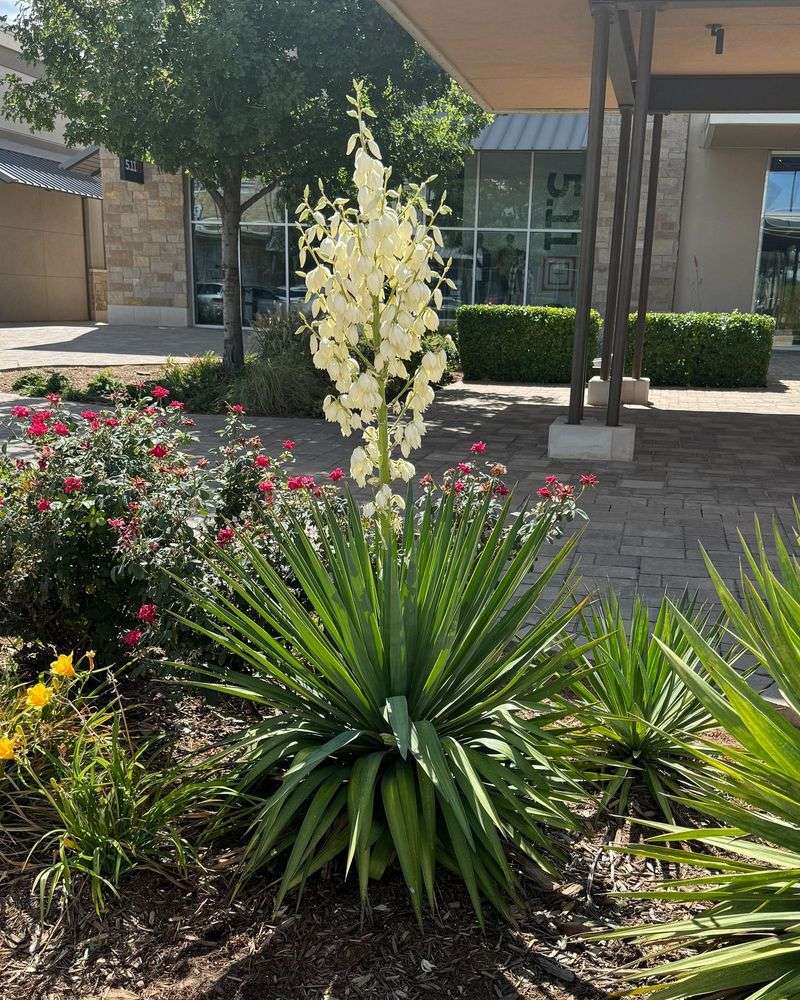
Decide based on seeds or appearance
© Treeland Nursery

After the flowers fade, the choice is simple. Leave the stalk while seeds mature, or cut it for a cleaner look.

Extension guidance treats removal as routine cleanup.

A stalk by itself does not mean the whole clump is lost, as the University of Tennessee description of the plant’s summer flowering suggests. Cutting it is also not a proven way to prevent decline.

Either way, the yucca did what it was built to do, and the tall spike was its moment to shine.

Share this story
JM

Written by

Jolene Mabry

More from Jolene Mabry →

About Gardening Latest

Gardening Latest provides in-depth guides to maintaining and enhancing your garden and backyard. Learn how to make the most of the space you have and create a beautiful garden.

More about us →

Latest stories

  • Arizona GardeningWhat It Means When Harvester Ant Mounds Suddenly Pop Up in Your Arizona Yard

    What It Means When Harvester Ant Mounds Suddenly Pop Up in Your Arizona Yard

    11 min ago
  • Texas GardeningHere’s What All That Coyote Howling Outside Your Texas Home After Dark Really Means This Time of Year

    Here’s What All That Coyote Howling Outside Your Texas Home After Dark Really Means This Time of Year

    16 min ago
  • Wisconsin GardeningFall Cleanup Left You With an Io Moth Caterpillar Sting in Wisconsin? Here’s What Helps Right Away

    Fall Cleanup Left You With an Io Moth Caterpillar Sting in Wisconsin? Here’s What Helps Right Away

    27 min ago
  • Missouri GardeningMissouri Yuccas Send Up Those Giant Flower Stalks for a Reason, So Should You Cut Them Off?

    Missouri Yuccas Send Up Those Giant Flower Stalks for a Reason, So Should You Cut Them Off?

    33 min ago
  • Tennessee GardeningTennessee Law Lets You Trim a Neighbor’s Overhanging Branches, as Long as You Stop at the Property Line

    Tennessee Law Lets You Trim a Neighbor’s Overhanging Branches, as Long as You Stop at the Property Line

    39 min ago

Gardening by state

Stories for your state, and the hardiness zone most of it gardens in.

Keep exploring

Read next

All Tennessee Gardening →
Tennessee GardeningTennessee Law Lets You Trim a Neighbor’s Overhanging Branches, as Long as You Stop at the Property Line
Tennessee Gardening

Tennessee Law Lets You Trim a Neighbor’s Overhanging Branches, as Long as You Stop at the Property Line

39 min ago
Tennessee GardeningWho Actually Pays After a Neighbor’s Tree Crashes Down on Your Tennessee Property
Tennessee Gardening

Who Actually Pays After a Neighbor’s Tree Crashes Down on Your Tennessee Property

18 hr ago
Tennessee GardeningCoyote Yips Near Your Tennessee Home After Dark Reveal Some Things, Just Not What Most People Assume
Tennessee Gardening

Coyote Yips Near Your Tennessee Home After Dark Reveal Some Things, Just Not What Most People Assume

21 hr ago

More from Tennessee Gardening

  • Tennessee Gardeners Share Their Yards With a Venomous Mammal That Weighs Under an Ounce

    Nov 22
  • These Venomous Critters Hide in Tennessee Gardens Every Year, and Here’s How to Spot Them

    Nov 22
Back to top

Leave a response Cancel

Your email address stays private. Required fields are marked with an asterisk.

Gardening Latest

In-depth guides to maintaining and enhancing your garden and backyard: how to make the most of the space you have, and how to make it beautiful.

  • Facebook
  • X
  • Pinterest
  • YouTube

We may earn a portion of sales from products or services that are purchased through our site as part of our affiliate partnerships with retailers.

Explore

  • About GardeningLatest.com
  • Contact Us
  • Terms and Conditions
  • Privacy
  • Editorial Note:
  • FTC Disclosure

Newsletter

New garden guides and seasonal tips, straight to your inbox.

We’ll email you a link to confirm. Unsubscribe any time.

Almost there! Check your inbox and tap the link to confirm.

© 2026 Gardening Latest. All rights reserved.

Back to top