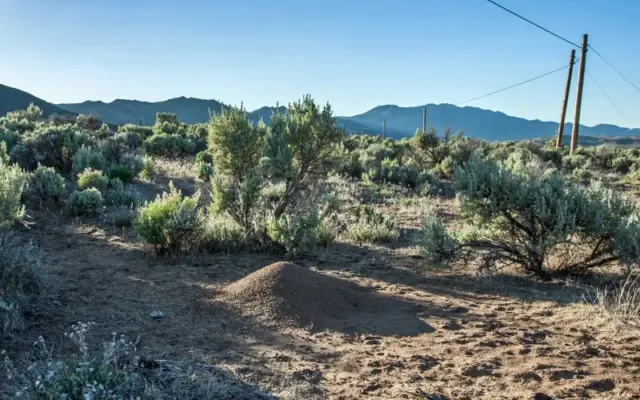
A bare circle or small mound in your Arizona yard usually means harvester ants have a nest there, and the workers clear the ground around it. The clearing tells you the nest is active, but it does not tell you the colony is new or that ants are eating your lawn.
The real question is whether people or pets are likely to bump into the nest and get stung. Here is how to read the clues and decide what, if anything, to do.
Clues that point to a harvester-ant nest
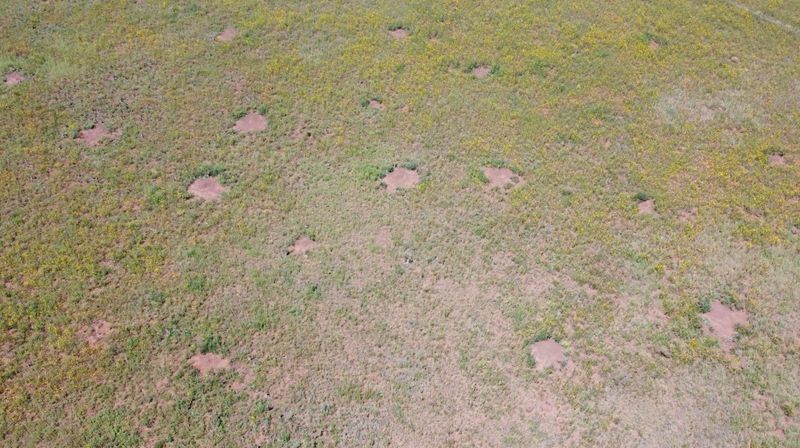
A bare circular patch is the clue most people notice first. Often a small mound of gravel or soil, or a nest opening, sits at or near the center.
Add ants carrying seeds or trailing between the nest and food sources, and you have a pattern that points toward harvester ants, according to University of Arizona Cooperative Extension.
These are clues, not a final answer. A bare circle by itself does not confirm what lives underneath it, and a photo of a mound can fool you.
Arizona has several harvester-ant species, and their looks vary from one to the next.
The state’s pesticide applicator training manual also separates harvester ants from native southern fire ants, noting different sizes and mound patterns. That is one reason color or a quick glance should not settle the question.
Watching from a comfortable distance for a few minutes helps. Look for ants hauling seeds and a steady line of traffic, similar to what University of Nevada, Reno Extension describes for harvester ants.
If you are still unsure, contact your local Extension office and ask for help with identification before you take any action.
A newly noticed mound does not date the colony
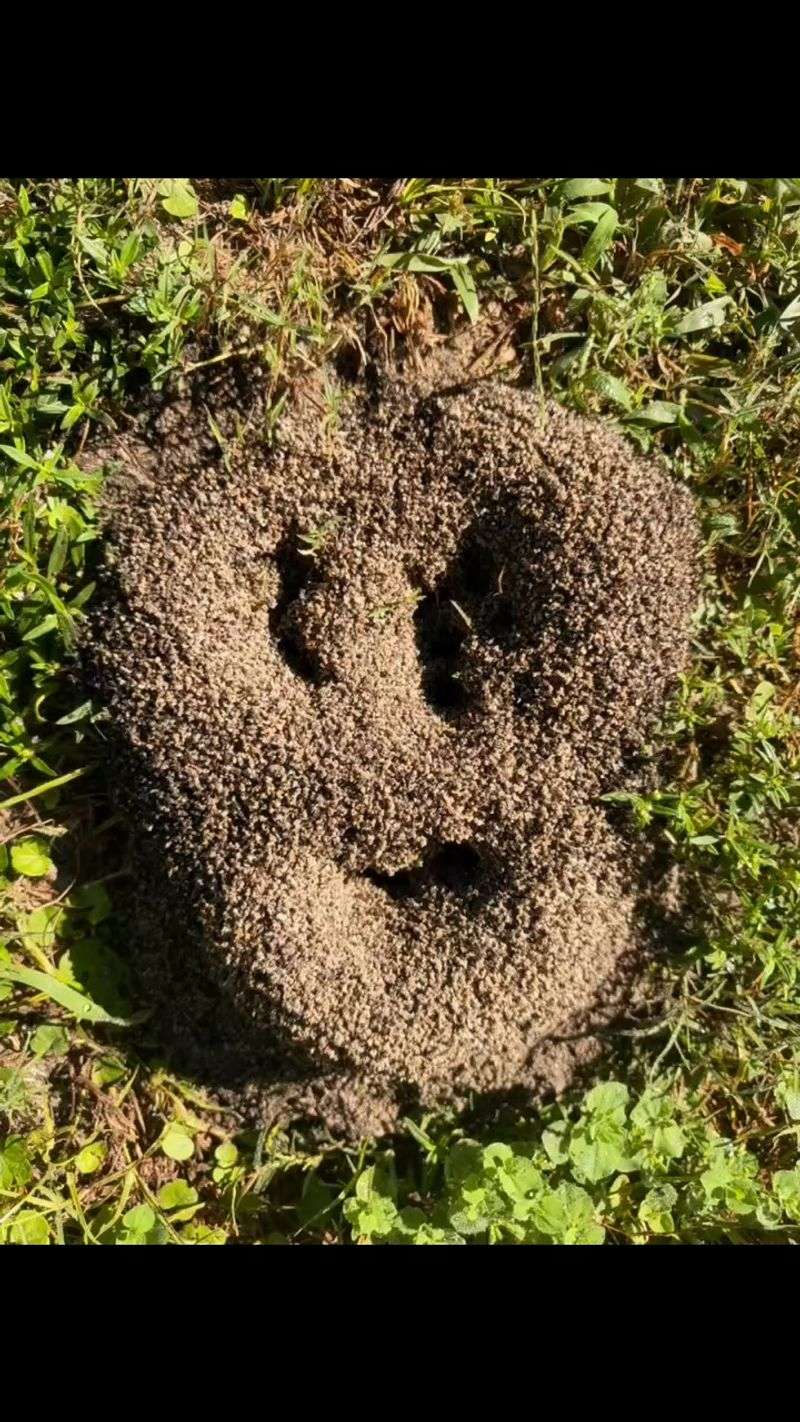
Seeing a clearing for the first time feels like it must be new. It might be, but the sighting alone cannot tell you.
A nest that has been quietly operating for a while can become noticeable once the cleared ground shows up against grass, mulch, or rock.
Seasons matter here. Per University of Arizona Cooperative Extension, Arizona harvester ants may swarm and start nests in spring or summer, often after rain.
So a fresh nest is possible, especially after a wet spell.
Still, the swarm season is background information, not proof about your particular patch. A homeowner who spots a circle in July cannot say whether the colony formed that month or years earlier.
The same goes for size and age. The width of the bare area does not reveal how old the colony is or how many ants live below it.
Guessing from appearance can lead to either too much worry or too little attention.
A more useful habit is to note when you first saw the circle, then check back over a few weeks. Is ant traffic steady?
Has the clearing changed? Those observations help you describe the situation to Extension staff if you ask for advice.
Workers clear vegetation while they forage
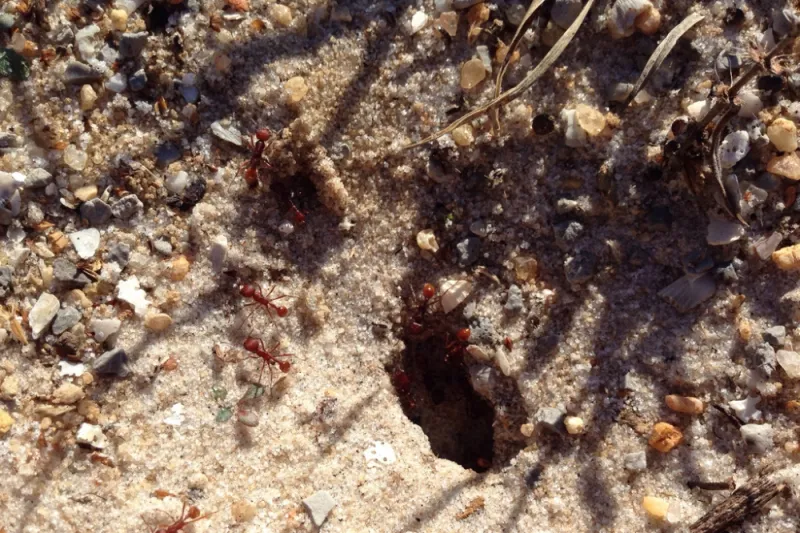
Picture the bare circle as a work yard. Workers remove vegetation around the nest and head out to gather food, mostly seeds and sometimes insects.
That is what University of Arizona Cooperative Extension describes.
So the clearing shows nest activity. It does not mean the ants are eating your lawn.
Grass may thin near the nest because the ants clear it away, which is different from munching on it as a meal.
Harvester ants can also play roles outdoors. A peer-reviewed review of harvester ants discusses how they have been viewed as both pests and keystone species, including through seed movement and changes to soil.
Those effects depend on the species and the setting. A nest in open desert ground may act differently from one beside a vegetable bed or a manicured lawn.
Nobody can promise that every nearby plant benefits.
If you see seeds being carried away from a patio planter or garden edge, that is normal foraging. It is a good reminder to look at what the ants are actually doing before deciding the nest is a lawn problem.
Disturbing the nest can lead to stings
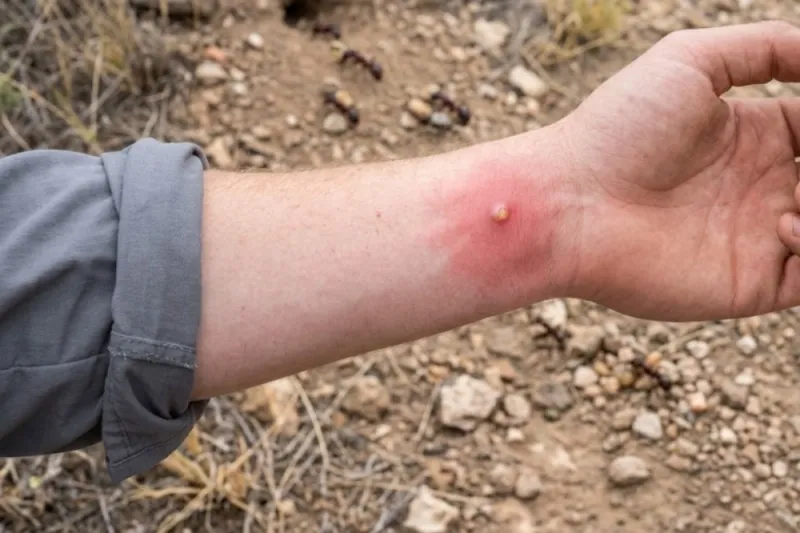
Left alone, a nest mostly goes about its business. Step on it, dig into it, or otherwise disturb it, and the workers defend it.
University of Arizona Cooperative Extension notes that harvester ants can sting, which is why disturbance is the practical concern for people and pets.
Most stings cause local effects such as pain and swelling at the site. That is different from a severe allergic reaction, which is a separate and potentially life-threatening risk.
Not every sting is medically dangerous.
People with known serious sting allergies should be especially careful around nests, as University of Nevada, Reno Extension advises.
Get emergency care for signs of a severe reaction, such as trouble breathing or other serious whole-body symptoms. CDC and NIOSH guidance gives the same direction for insect stings in general.
For a typical sting with only local discomfort, step away from the nest and watch how the person or pet responds. If anything seems more serious than local pain or swelling, call a doctor or veterinarian.
Where the nest sits helps you decide what to do
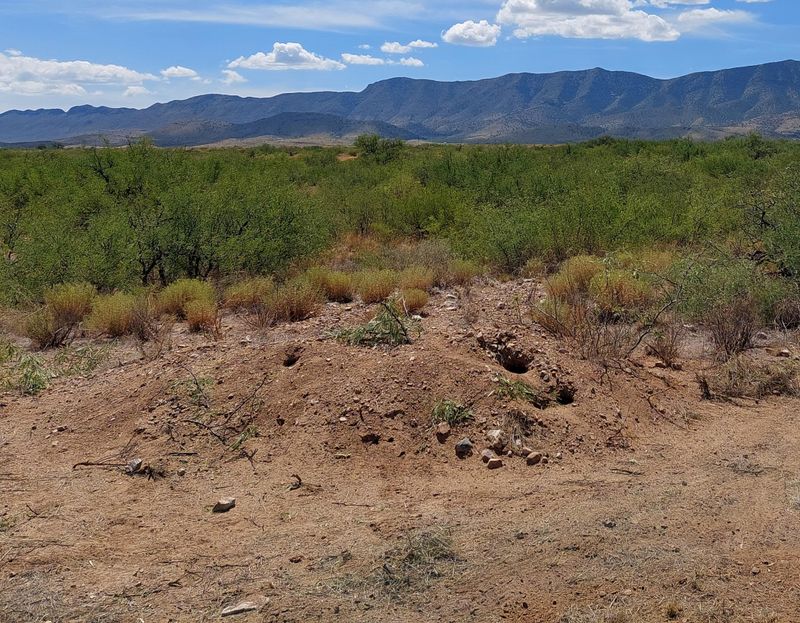
Location does most of the deciding. A nest in a far corner behind a shed is a very different situation from one beside the swing set or the spot where the dog naps.
Exposure depends partly on where people and animals run into the nest.
In an unused corner, treatment may not be necessary. University of Nevada, Reno Extension suggests leaving nests alone when possible.
Where children or pets play regularly, University of Arizona Cooperative Extension points toward keeping them away and considering control.
Try a quick walk-through. Mark the nest with a visible object placed at a distance, and note which paths, play spots, and pet routes pass close to it.
Teach kids to look before they sit or kneel in bare patches.
There is no number of nests or ants that triggers action, and harvester ants are not dangerous to every pet. The goal is simply to reduce chances of accidental disturbance where your family spends time.
Use labeled control only when it is needed
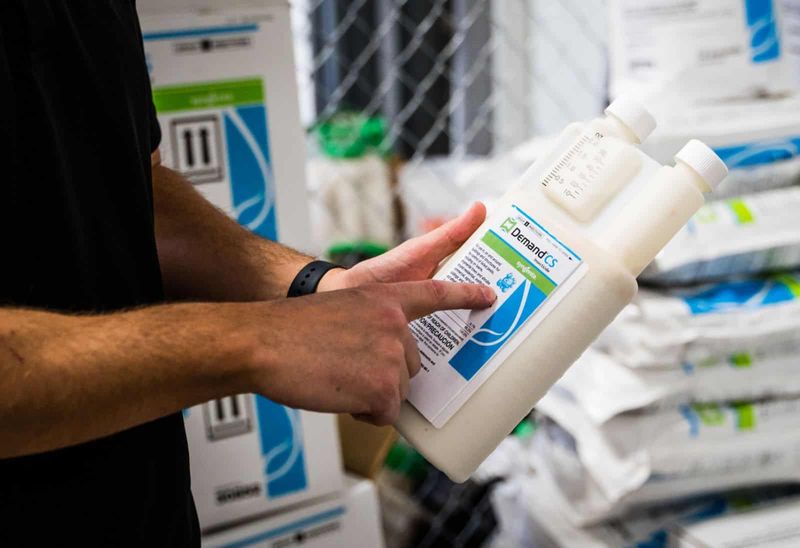
Control is an option, not an automatic step. University of Arizona guidance favors treating only nests that pose a threat rather than every nest in the yard.
A nest far from foot traffic may never need it.
If you do consider control, the product matters. Use only one whose current label permits your intended use, and follow every label direction.
Labels spell out where a product can go, how to apply it, and what precautions to take. You can see what such a document looks like in an EPA pesticide label record.
No product here gets a promise of being pet-safe, and there is no fixed threshold for when to treat. Pesticide safety and permitted use depend on the specific label, so read it before buying and again before applying.
Skip home tricks. Flooding the nest, pouring boiling water, digging it out, or using chemicals not labeled for the job are not recommended, and they can provoke the very stings you are trying to avoid.
The University of Arizona guidance favors avoiding disturbance and, when needed, labeled products. Your local Extension office can help you sort out options.
Let the nest’s location guide your next move
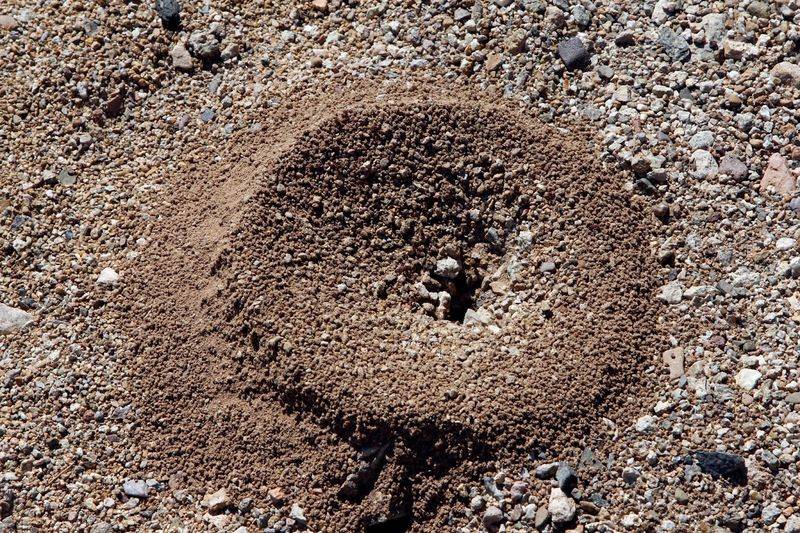
A bare circle is a sign of nest activity, not proof that your lawn is being eaten or that a colony just formed. University of Arizona Cooperative Extension supports leaving the nest undisturbed and keeping people and pets away when it sits in a busy part of the yard.
Consider control only if the spot creates a practical concern. Otherwise, a little distance usually does the job.
Think of the circle as a neighbor’s front yard: it is easy to live beside, as long as you do not walk across it.
Share this story