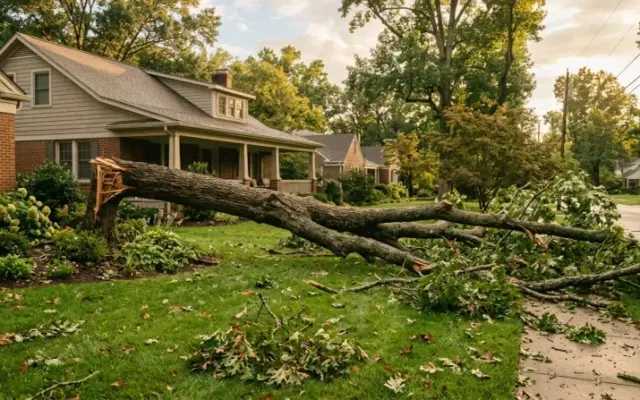
A tree from next door lands on your fence, roof, or car, and the first question is who pays. In Tennessee, the neighbor does not automatically owe you just because the tree grew on their land.
Often your own insurance is the first place to turn, if your policy covers the loss. Knowing how liability, coverage, and cleanup differ can save you time and stress.
Tree ownership alone does not decide who pays
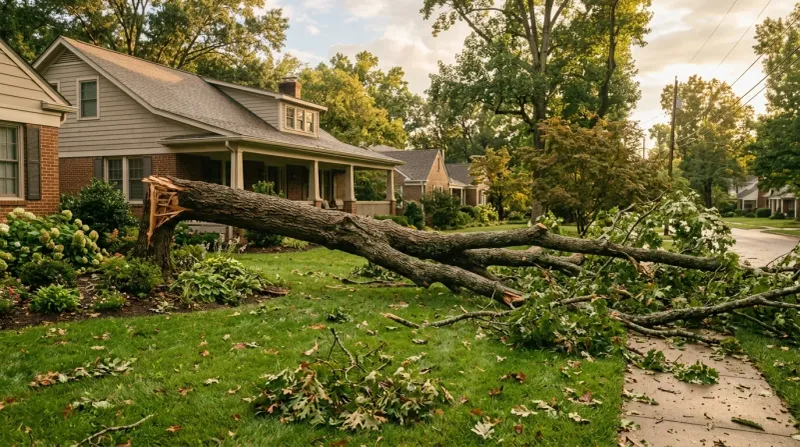
Where a tree stood before it fell does not, by itself, make its owner responsible for the damage. Owning the tree is one fact, but legal responsibility depends on more than that.
Tennessee’s Court of Appeals looked at this in Russell v. Claridy.
A tree that the trial court found healthy and living was knocked down in a severe storm and hit a neighbor’s vehicle. The appeals court upheld the finding of no liability for the tree’s owner.
That result fits those facts. It does not mean a storm always wipes out a neighbor’s responsibility, and the court noted that it was not deciding claims involving dead or decaying trees.
A different tree, with different warning signs, could raise different questions.
It also helps to keep two questions apart. One is legal responsibility: did the neighbor fail to act with reasonable care?
The other is insurance coverage: does a policy pay for this loss under its own terms?
Your policy may pay for storm damage even when the neighbor did nothing wrong. And a neighbor may be able to avoid paying even when you feel the tree was their problem.
Treating these as separate tracks keeps you from expecting a check from the wrong place.
When a known hazard may change the analysis
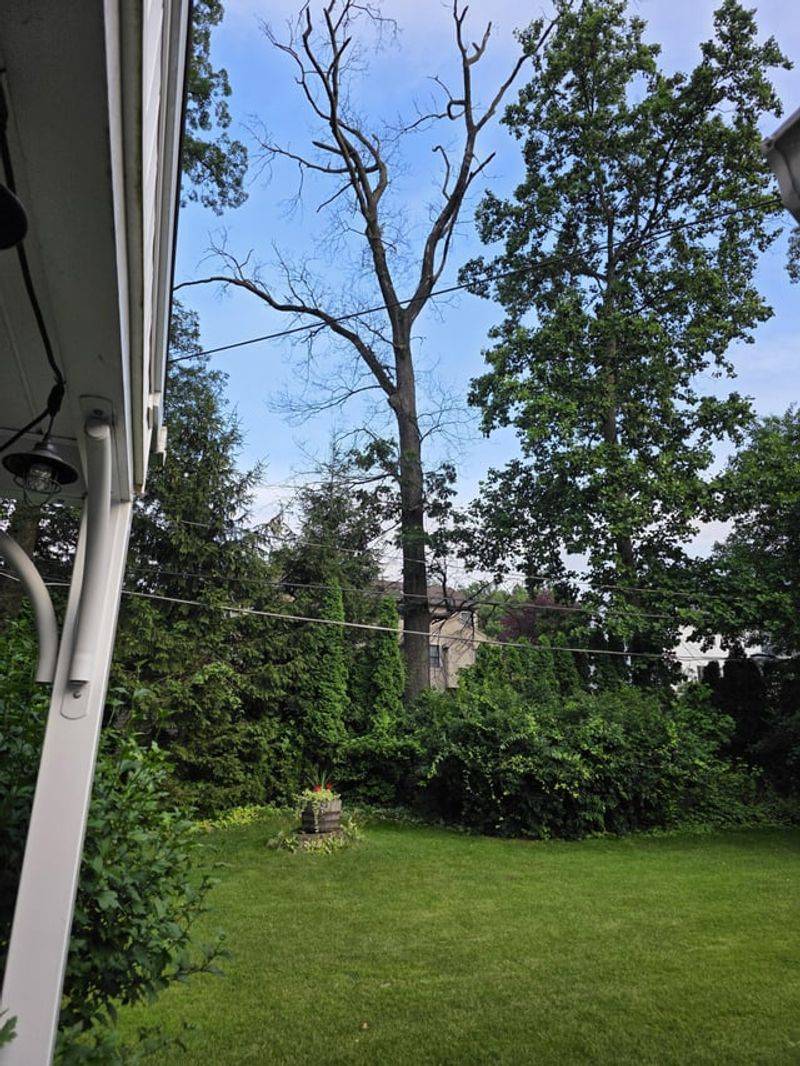
Some trees give warning before they fall. A dead trunk, large rotting limbs, a heavy lean, or fungus at the base can be visible to anyone who looks.
What a tree’s owner knew or should have known may matter when a court weighs a negligence claim.
The Tennessee Supreme Court discussed this in Lane v. W.J.
Curry & Sons. It indicated that dead or decaying tree cases are generally looked at under negligence concepts, and that the setting can matter, including the difference between rural and urban land.
That is context, not a universal rule that every owner must inspect every tree.
Prior notice works the same way. Photos of a rotting tree or a past conversation with the neighbor could be relevant evidence.
But notice does not guarantee liability, and no source here says a warning letter or certified letter is legally required.
Russell adds another limit. It involved a healthy tree and expressly left the dead-tree question for another day.
So the law on dead or decaying trees stays dependent on the facts.
Do not mix this up with Lane’s nuisance discussion. That part deals with branches or roots that reach over the property line and cause actual harm or imminent danger of it.
It is not a rule about who pays when a tree comes down in a storm.
Your own insurer is often the practical first stop
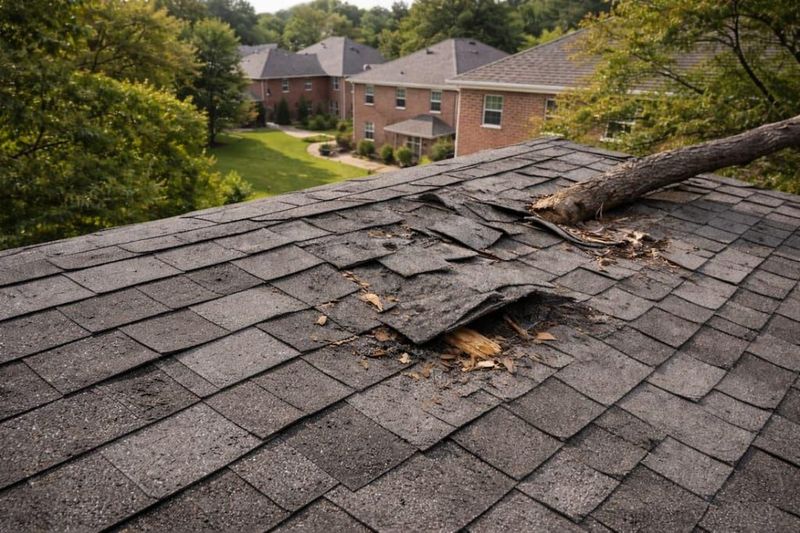
When a tree hits your house, garage, or another insured structure, your own insurer is often the quickest route to help. The Tennessee Department of Commerce and Insurance says wind, trees and other falling objects are typically covered by standard homeowners policies.
It also stresses that the policy terms control.
You can usually file with your own company no matter who owned the tree. The Insurance Information Institute explains that your insurer may later try to recover its costs from the neighbor’s insurer, a process called subrogation.
Filing a claim does not decide whether your neighbor was negligent. Your insurer may look into recovery from another party, but that is a separate matter from paying your claim.
Coverage still depends on your policy. Your deductible, any exclusions, and limits on certain items all affect what you actually receive.
Read the declarations page and ask your agent which parts apply to your loss.
If you are unsure whether a loss is worth reporting, call and ask. A short conversation can clear up what your policy covers before you decide.
Tree removal can be a separate coverage question
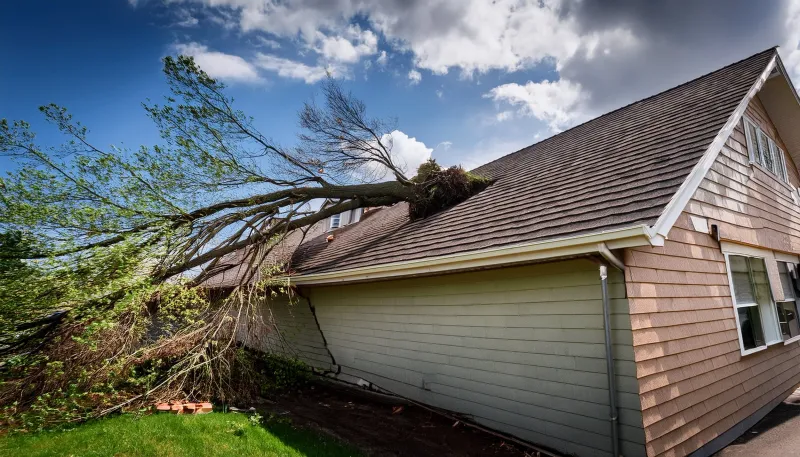
Fixing a damaged roof and hauling away the tree are not always covered the same way. Many homeowners are surprised by this, since the cleanup bill can be large.
The state insurance department says removal of a fallen tree is typically not covered when it did not land on and damage the home. If the tree only crushed a fence or lay in the yard, you may be paying for removal yourself, depending on your policy.
Debris-removal coverage tends to be limited. The Insurance Information Institute notes that some policies make exceptions, such as when a tree blocks a driveway or an accessibility ramp.
Whether any exception applies to you depends on your exact wording.
Look for sections on debris removal, trees, shrubs, and landscaping in your policy. Then ask your insurer directly what applies to your situation and get the answer in writing if you can.
Do not assume the claim will pay for cleanup. Planning for the possibility that it will not helps you avoid a surprise bill.
A prompt claim helps preserve the record
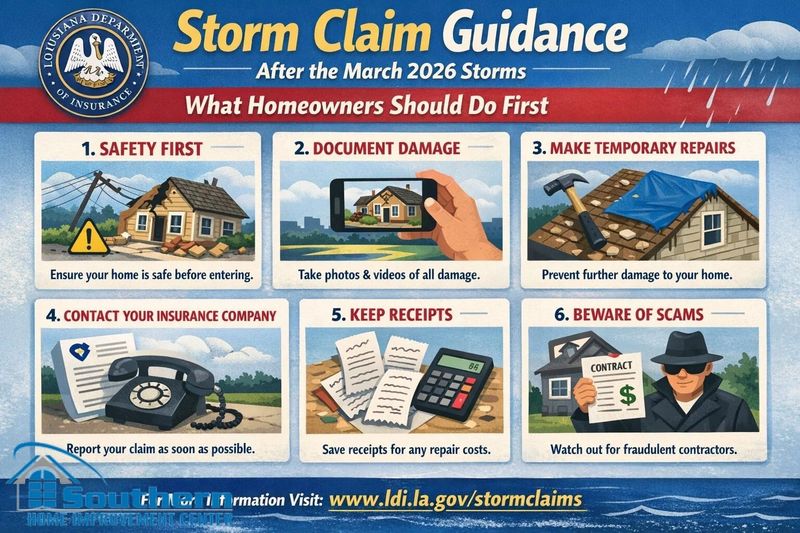
Speed and good records make a claim easier to manage. The Tennessee Department of Commerce and Insurance advises reporting your loss as soon as possible.
Before anything is moved, take photos or video of the damage. Capture the tree, the damaged areas, and any affected belongings from several angles.
Keep notes of every conversation with your insurer. Write down the date, the name of the person you spoke with, and what was said.
Save emails, claim numbers, and estimates in one place.
Temporary repairs are a different matter from permanent ones. Covering a hole in the roof with a tarp, or boarding a broken window, can prevent further damage.
Keep receipts for these costs.
Hold off on permanent repairs until the insurer has inspected and the repair costs have been agreed. Starting early can create disputes about what the original damage was and what the work should cost.
This section is about managing your claim. It does not settle who was at fault for the tree falling.
Downed wires make cleanup a safety issue
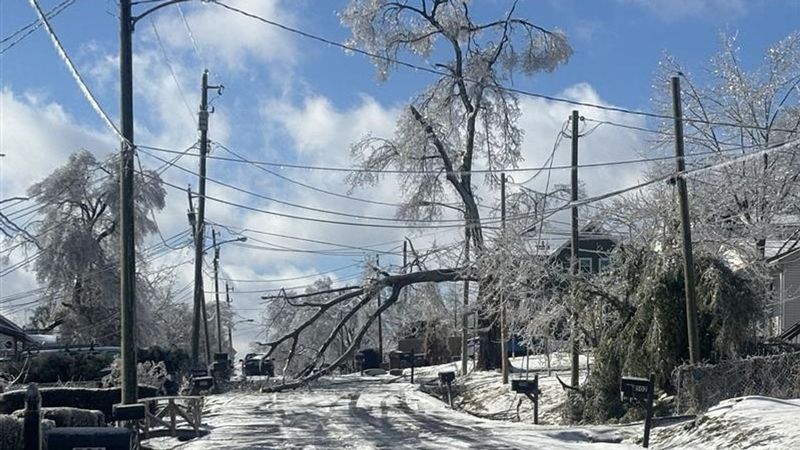
Safety comes before paperwork when a tree and power lines come down together. Tennessee Emergency Management advises people to watch for fallen power lines and trees, report them immediately, and stay away.
A downed wire can still carry electricity even if it looks dead. OSHA warns that downed lines may remain energized and can electrify a tree or the ground nearby.
That means a branch or patch of wet grass could be dangerous too.
Keep yourself, children, and pets well back. Do not touch, cut, or drag the tree, and do not try to move a wire.
Call your utility company and emergency services to report the hazard. If someone is in immediate danger, call 911.
Once the utility has made the area safe, you can think about removal and repairs. Photos taken from a safe distance can still support your claim later.
Start with the claim, then assess responsibility separately
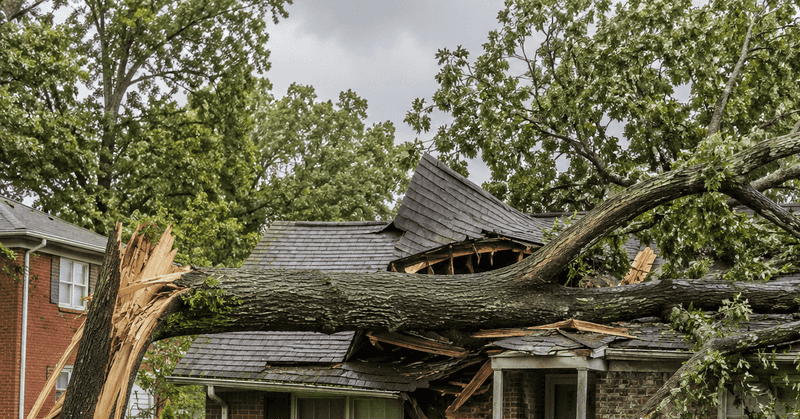
A workable order is simple. Contact your insurer and document the loss, check your policy for both damage and removal coverage, and then look at whether the neighbor may share responsibility.
The state insurance department’s claim guidance fits that first step.
Any neighbor question turns on the tree’s condition, notice, and the circumstances, not ownership alone. Neither insurance payment nor neighbor liability is automatic.
For a storm and a tree that looked fine, the road to the neighbor’s wallet can be a long one. The road to your own claim is often shorter.
Share this story