Get the latest garden guides in your inbox →
Gardening Latest
  • General Gardening
  • Lawn Care
  • Plant Care
  • Composting
  • Soil Health
  • Backyard
  • Garden Muse Magazine
  • General Gardening
  • Lawn Care
  • Plant Care
  • Composting
  • Soil Health
  • Backyard
  • Garden Muse Magazine
  • News
  • Gardening Calendar
  • Garden Structures
  • Vegetable Garden
  • Vertical Garden
  • Raised Beds
  • Hydroponics
  • General Equipment
  • Community Gardens
Garden Themes
  • Spiritual Garden
  • Hydroseeding
  • Seeding and Laying Sod
  • Artificial Grass
  • Lawn Care Equipment
  • Plants
  • Trees
  • Planting Tools
  • Composting Basics
  • Fertilizer
  • Alternative Growing Mediums
  • Front Yard
  • Backyard Activities
  • Landscaping
Gardening Latest

Explore by state

Which state is your garden in?

Currently viewing Tennessee

All states

Northeast

  • Connecticut —
  • Delaware 19
  • Maine —
  • Maryland 5
  • Massachusetts 21
  • New Hampshire —
  • New Jersey 5
  • New York 14
  • Pennsylvania 14
  • Rhode Island —
  • Vermont —

Southeast

  • Alabama 5
  • Arkansas —
  • Florida 5
  • Georgia 5
  • Kentucky 19
  • Louisiana 4
  • Mississippi —
  • North Carolina 3
  • South Carolina 18
  • Tennessee 2
  • Virginia 4
  • West Virginia —

Midwest

  • Illinois 4
  • Indiana 6
  • Iowa 18
  • Kansas —
  • Michigan 5
  • Minnesota 4
  • Missouri 4
  • Nebraska —
  • North Dakota —
  • Ohio 5
  • South Dakota —
  • Wisconsin 19

Southwest

  • Arizona 4
  • Colorado —
  • Nevada —
  • New Mexico —
  • Oklahoma —
  • Texas 3
  • Utah —

West

  • Alaska —
  • California 4
  • Hawaii —
  • Idaho —
  • Montana —
  • Oregon —
  • Washington —
  • Wyoming —

No state matches that search.

Site menu

Gardening Latest
  • General Gardening
    • News
    • Gardening Calendar
    • Garden Structures
    • Vegetable Garden
    • Vertical Garden
    • Raised Beds
    • Hydroponics
    • General Equipment
    • Community Gardens
    Garden Themes
    • Spiritual Garden
  • Lawn Care
    • Hydroseeding
    • Seeding and Laying Sod
    • Artificial Grass
    • Lawn Care Equipment
  • Plant Care
    • Plants
    • Trees
    • Planting Tools
  • Composting
    • Composting Basics
  • Soil Health
    • Fertilizer
    • Alternative Growing Mediums
  • Backyard
    • Front Yard
    • Backyard Activities
    • Landscaping
  • Garden Muse Magazine

Explore

  • About GardeningLatest.com
  • Contact Us

Get the latest from the garden

New guides on lawn care, plants and backyard projects, sent when they go up.

Subscribe →

Follow

  • Facebook
  • X
  • Pinterest
  • YouTube
Tennessee Gardening

Tennessee Gardeners Share Their Yards With a Venomous Mammal That Weighs Under an Ounce

Some Tennessee yards overlap with the habitat of a venomous mammal so small it can fit in the palm of your hand…

JM

By Jolene Mabry

November 22, 2026 · 6 min read

Tennessee Gardeners Share Their Yards With a Venomous Mammal That Weighs Under an Ounce

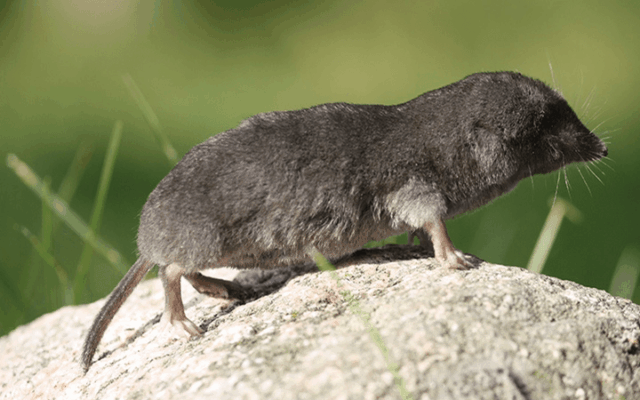
Some Tennessee yards overlap with the habitat of a venomous mammal so small it can fit in the palm of your hand. Short-tailed shrews have saliva that contains a toxin, which they use to subdue prey.

The southern species fits the under-an-ounce claim, while the northern species can reach a full ounce. Knowing a little about them helps you stay calm and make smart choices if one turns up near your garden.

At a glance

Where
Tennessee Gardening
Hardiness zone
7 0 to 10°F
Read
6 minutes
Published
November 22, 2026

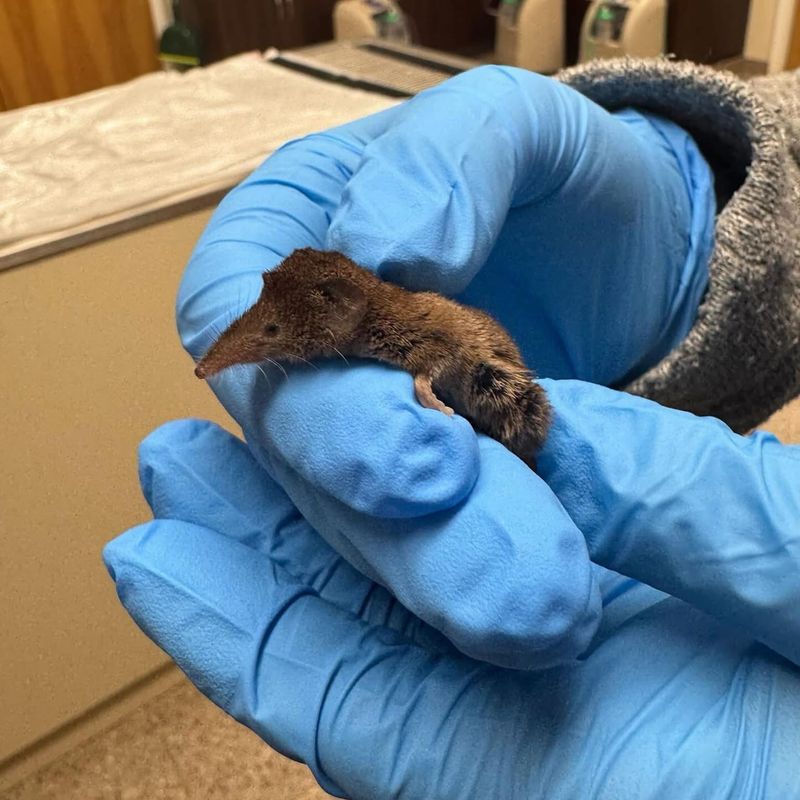
Two short-tailed shrews have different weight ranges
Two short-tailed shrews have different weight ranges
© blueridgewildlifectr

The Tennessee Wildlife Resources Agency lists two short-tailed shrews that live in the state, and their sizes overlap but are not the same. TWRA’s southern short-tailed shrew page gives a weight of 0.25 to 0.75 ounces and says the animal occurs statewide.

The northern short-tailed shrew page lists 0.5 to 1.0 ounces and places that species in middle and eastern Tennessee.

So the phrase “under an ounce” fits the southern species’ whole listed range. It does not fit every northern shrew, since the top of that range reaches a full ounce.

Not every short-tailed shrew in the state is guaranteed to weigh less than an ounce.

Telling the two apart is tough. TWRA notes that they can be hard to distinguish without a detailed examination, so a quick look at one in your yard cannot reliably tell you which species you saw.

Location alone is not a safe shortcut either, because the ranges overlap across much of the state.

Shrews can look a lot like mice, with a pointed snout, tiny eyes, and a short tail. They are small mammals, but they are not mice and not rodents, as the Missouri Department of Conservation explains in its shrew field guide.

A mouse-like look is just that, a look.

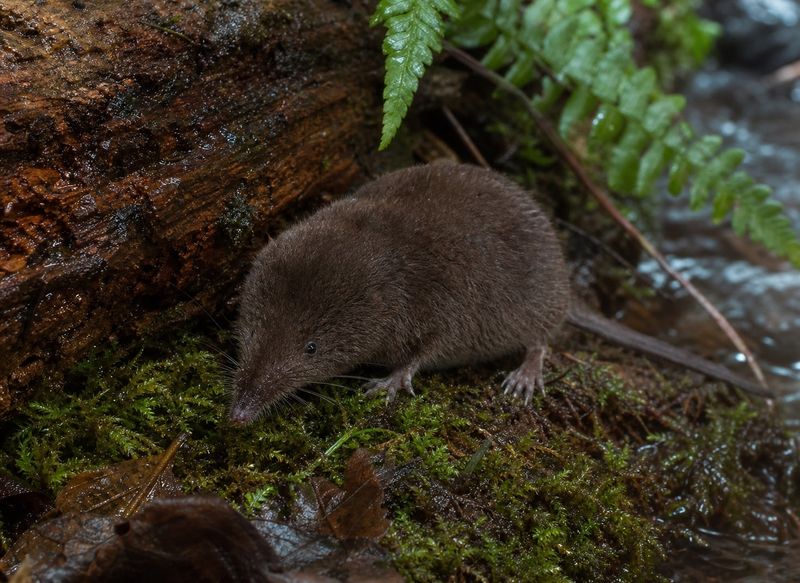
Covered places can bring shrews into a yard
Covered places can bring shrews into a yard
© Outforia

Shrews like cover. They use thick growth, logs, and leaf litter, which gives them shelter and a place to hunt without being seen, as described on TWRA’s northern and southern species pages.

A yard with a brushy back corner, a woodpile, or a deep mulch bed may offer that kind of cover. That is overlap with habitat, nothing more.

Picking one up is the main way a bite happens, and no one needs to catch an animal to figure out what it is.

It does not mean every Tennessee garden has shrews, and most gardeners rarely see one.

When someone does spot something, the moment is usually brief. A small, dark shape slips under a board or into the leaves and is gone.

In that glimpse, you cannot count on seeing the features that separate one species from the other, or even a shrew from a young mouse or vole.

The older Cornell Cooperative Extension guide also describes shrews as secretive and hard to observe. If you want to know what lives in your yard, the practical clue is the type of cover you have, not a one-second view of a fast animal.

Their diet goes beyond garden pests
Their diet goes beyond garden pests
© Edisto Island Open Land Trust

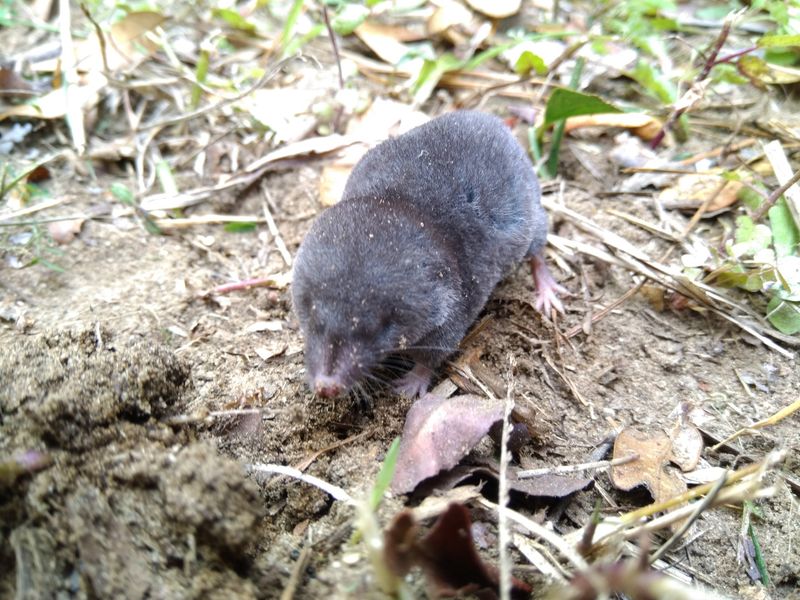
Dinner for a short-tailed shrew is mostly small invertebrates. According to TWRA’s pages on the southern and northern species, the menu includes spiders, centipedes, earthworms, snails, and insect larvae.

That list sounds like a gardener’s wish list, since some of those animals chew on plants. Even so, shrews are not tidy pest controllers working on your behalf.

TWRA also notes that short-tailed shrews may take occasional small vertebrate prey. They eat some plant foods as well.

Earthworms and spiders, meanwhile, are often helpful in a garden, so a shrew eating them is not a clear win for the soil.

A fair way to think about it: a shrew is one small part of the food web under your leaves. It eats what it finds, and what it finds varies by season and spot.

Expect no measurable effect on your tomato crop either way.

The toxin helps shrews subdue prey
The toxin helps shrews subdue prey
© Maryland Biodiversity Project

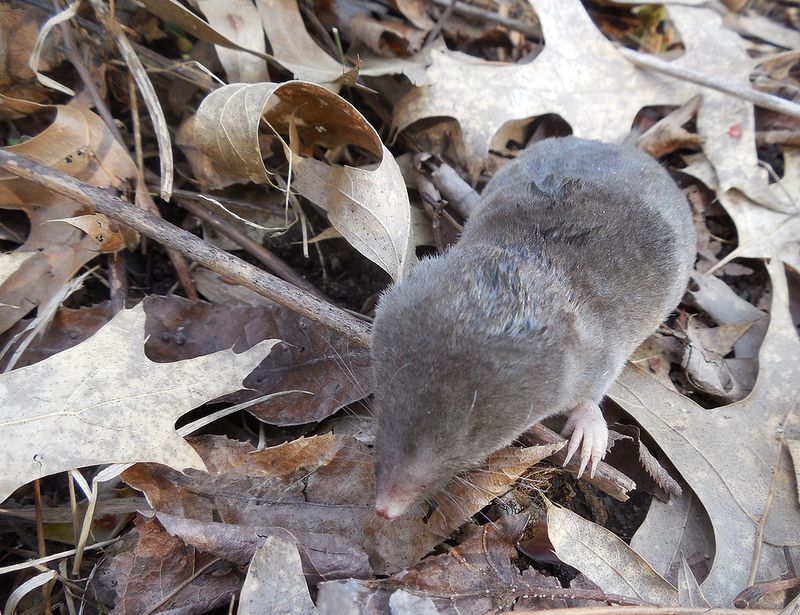
Short-tailed shrews carry a toxin in their saliva. It enters a wound when the shrew bites, so there are no snake-like hollow fangs and nothing is injected the way a snake does it.

The toxin’s job is to help the shrew subdue prey, which lets a tiny animal handle meals that might otherwise fight back.

TWRA attributes this salivary toxin to the genus Blarina, which covers short-tailed shrews in general. That statement appears on its pages for the southern and northern species.

The closest lab evidence comes from the northern short-tailed shrew, Blarina brevicauda. In a peer-reviewed PNAS study, researchers isolated and characterized a toxin from that species.

Both Tennessee species have not been studied equally, so the southern shrew’s details are less well documented.

The National Park Service also describes the northern short-tailed shrew’s venomous saliva in a species spotlight. The toxin works on small prey.

None of this makes a shrew a hazard in an ordinary yard.

What to do if a shrew bites
What to do if a shrew bites
© Maryland Matters

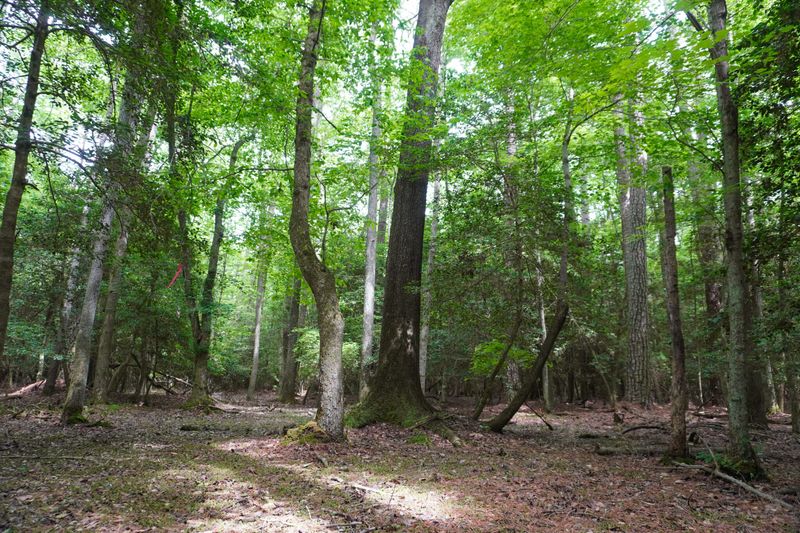
Leave shrews alone. Picking one up is the main way a bite happens, and no one needs to catch an animal to figure out what it is.

Bites are uncommon, and descriptions such as the one from University of Michigan BioKIDS point to local pain and swelling, not a deadly event.

If a bite does happen, wash the wound with soap and water. That matches CDC guidance on animal bites in general.

Then contact a medical professional to describe what happened and ask whether you need care.

Tennessee also asks people to report animal bites to the local health department, as the Tennessee Department of Health explains in its rabies information. A call gives officials a record and lets them advise on next steps.

Gloves are a good habit when you move brush, stones, or boards, since a shrew may be hiding underneath. If one runs out, step back and let it go on its way.

Use exclusion if a shrew enters a building
Use exclusion if a shrew enters a building
© Museum Pests

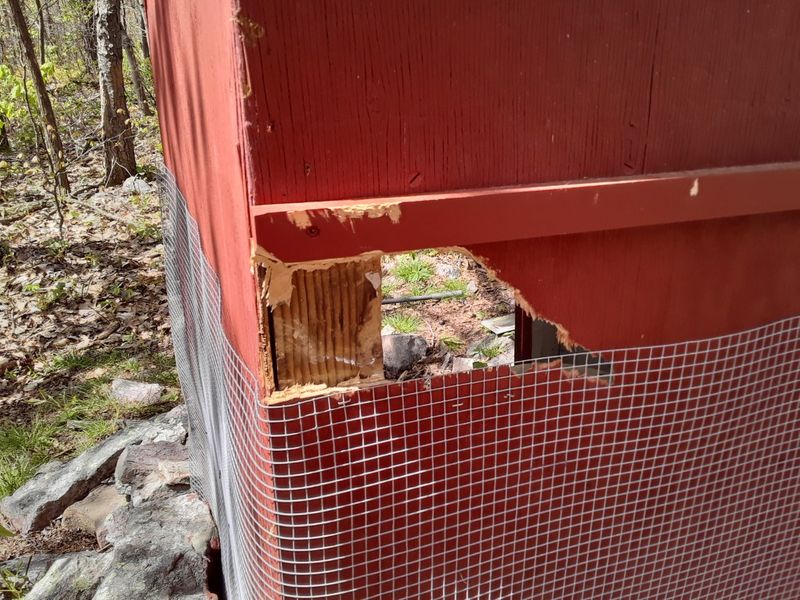
Finding a shrew inside a shed or garage is a different problem from a bite, and the fix is about the building. The older Cornell Cooperative Extension guide recommends sealing openings so animals cannot get in.

Among its suggestions is quarter-inch hardware cloth, a sturdy metal mesh that can cover gaps, vents, and holes around foundations and doors. Walk the outside of the building and look for small cracks, worn weatherstripping, and gaps where pipes or wires pass through walls.

The guide also says no shrew repellents or toxicants were registered in its guidance. That statement reflects that publication, which is older, and it should not be read as a current rule everywhere.

Check current local rules before taking any control action.

There is no need to catch, poison, or kill a shrew to learn what it is. A closed-up building lets an animal that wandered in find its own way out, and keeps new visitors from following.

Leave a yard visitor alone
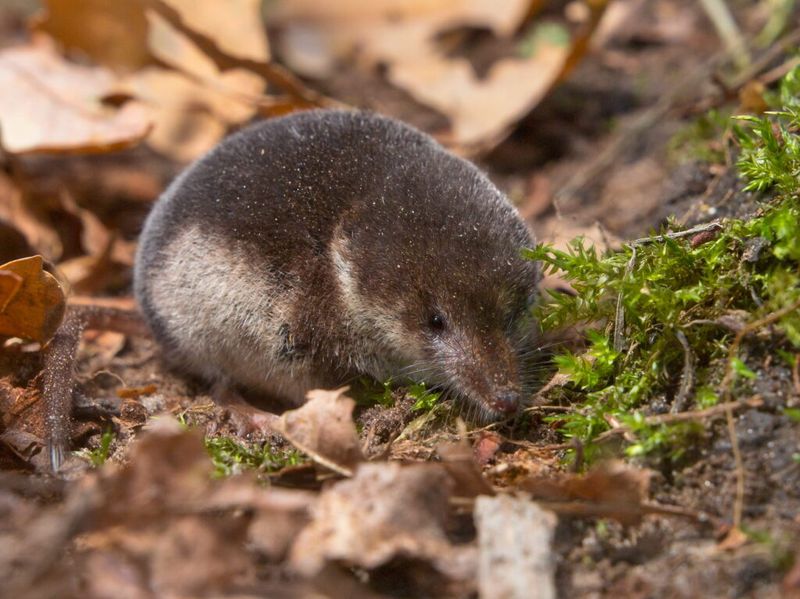
Leave a yard visitor alone
© The Mole Hunter

Tennessee has two short-tailed shrews, listed by TWRA at different weights, and their toxin is a tool for catching worms and insects. A shrew in the leaves is no emergency.

Keep your hands off, treat any bite like CDC guidance describes, and seal gaps if one gets indoors.

The smallest neighbors in the garden are often the ones you never meet.

Share this story
JM

Written by

Jolene Mabry

More from Jolene Mabry →

About Gardening Latest

Gardening Latest provides in-depth guides to maintaining and enhancing your garden and backyard. Learn how to make the most of the space you have and create a beautiful garden.

More about us →

Latest stories

  • Missouri GardeningMissouri Yards Have Their Share Of Venomous Creatures, And Here’s How To Spot Each One

    Missouri Yards Have Their Share Of Venomous Creatures, And Here’s How To Spot Each One

    Just now
  • Alabama GardeningWild Mushrooms Popping Up After Alabama Rains, And How To Tell The Deadly Ones Apart

    Wild Mushrooms Popping Up After Alabama Rains, And How To Tell The Deadly Ones Apart

    12 min ago
  • Minnesota GardeningWhat Those Tracks Crisscrossing Your Snowy Minnesota Yard Are Telling You About Nighttime Visitors

    What Those Tracks Crisscrossing Your Snowy Minnesota Yard Are Telling You About Nighttime Visitors

    18 min ago
  • Illinois GardeningThose Dark Purple Berries Hanging on Pink Stems Along Illinois Fence Lines Are Poison for Your Dog

    Those Dark Purple Berries Hanging on Pink Stems Along Illinois Fence Lines Are Poison for Your Dog

    24 min ago
  • Louisiana GardeningSomething Digs Through Louisiana Lawns Every Night, And By Morning You See The Damage

    Something Digs Through Louisiana Lawns Every Night, And By Morning You See The Damage

    30 min ago

Gardening by state

Stories for your state, and the hardiness zone most of it gardens in.

Keep exploring

Read next

All Tennessee Gardening →
Tennessee GardeningThese Venomous Critters Hide in Tennessee Gardens Every Year, and Here’s How to Spot Them
Tennessee Gardening

These Venomous Critters Hide in Tennessee Gardens Every Year, and Here’s How to Spot Them

3 hr ago
Missouri GardeningMissouri Yards Have Their Share Of Venomous Creatures, And Here’s How To Spot Each One
Missouri Gardening

Missouri Yards Have Their Share Of Venomous Creatures, And Here’s How To Spot Each One

Just now
Alabama GardeningWild Mushrooms Popping Up After Alabama Rains, And How To Tell The Deadly Ones Apart
Alabama Gardening

Wild Mushrooms Popping Up After Alabama Rains, And How To Tell The Deadly Ones Apart

12 min ago

More from Tennessee Gardening

  • That Spider in Your South Carolina Closet Is Probably Not a Brown Recluse, Here’s What It Really Is

    44 min ago
  • Spot a Bobcat Slipping Along Your Kentucky Fence Line This Winter? Here’s What It Wants

    50 min ago
Back to top

Leave a response Cancel

Your email address stays private. Required fields are marked with an asterisk.

Gardening Latest

In-depth guides to maintaining and enhancing your garden and backyard: how to make the most of the space you have, and how to make it beautiful.

  • Facebook
  • X
  • Pinterest
  • YouTube

We may earn a portion of sales from products or services that are purchased through our site as part of our affiliate partnerships with retailers.

Explore

  • About GardeningLatest.com
  • Contact Us
  • Terms and Conditions
  • Privacy
  • Editorial Note:
  • FTC Disclosure

Newsletter

New garden guides and seasonal tips, straight to your inbox.

We’ll email you a link to confirm. Unsubscribe any time.

Almost there! Check your inbox and tap the link to confirm.

© 2026 Gardening Latest. All rights reserved.

Back to top