That shady oak in your backyard might feel like your own property, but in many California cities, it legally belongs to a bigger plan. Cut the wrong tree without permission and you could face fines that cost more than a new car.
Local rules protect certain species and sizes, and they vary from one city to the next. Knowing which trees are on the list can save you money, stress, and a very awkward visit from a city inspector.
1. Coast Live Oak
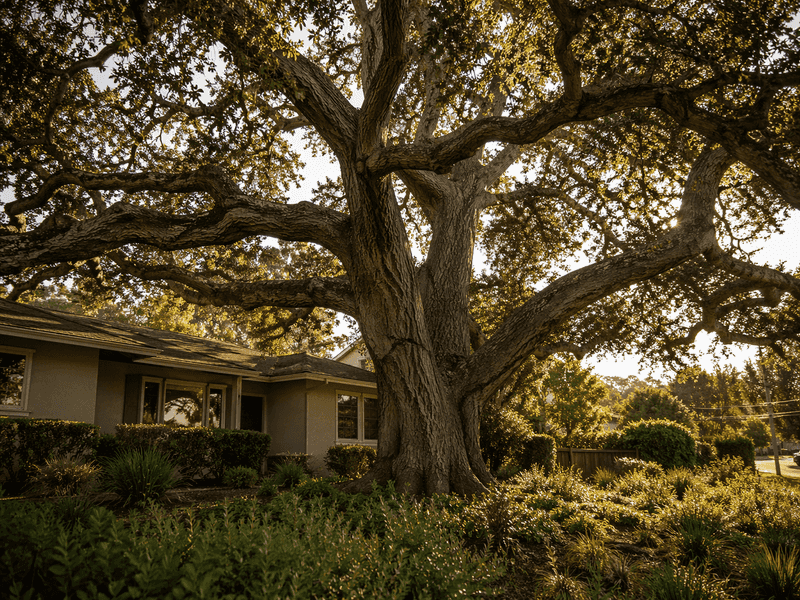
Picture a Los Angeles homeowner who trimmed a few big limbs off an oak to let more sun hit the pool. A neighbor called the city, and the bill that followed ran into the thousands.
Stories like that are surprisingly common.
Coast live oaks are among the most protected trees in the state. Los Angeles, Pasadena, Thousand Oaks, and dozens of other cities require a permit to remove, relocate, or even heavily prune one once the trunk reaches a certain size, often around 8 inches across measured at chest height.
Here is the tricky part. Some cities also regulate work inside the root zone, so digging a trench for a sprinkler line near the trunk can count as damage.
Call your planning department before any project that gets close.
2. Valley Oak
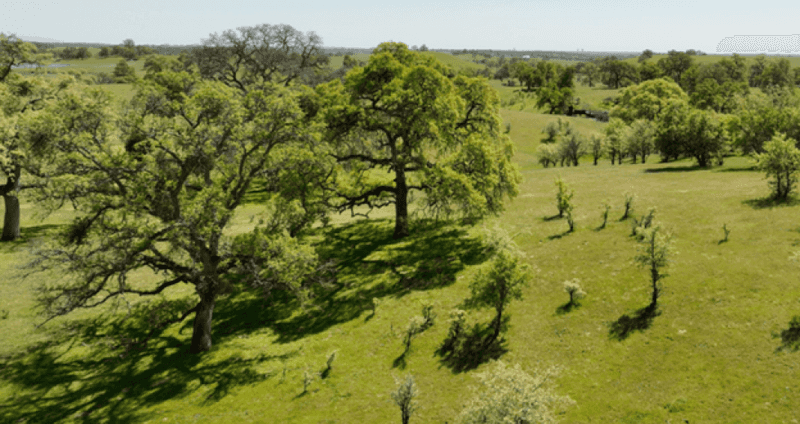
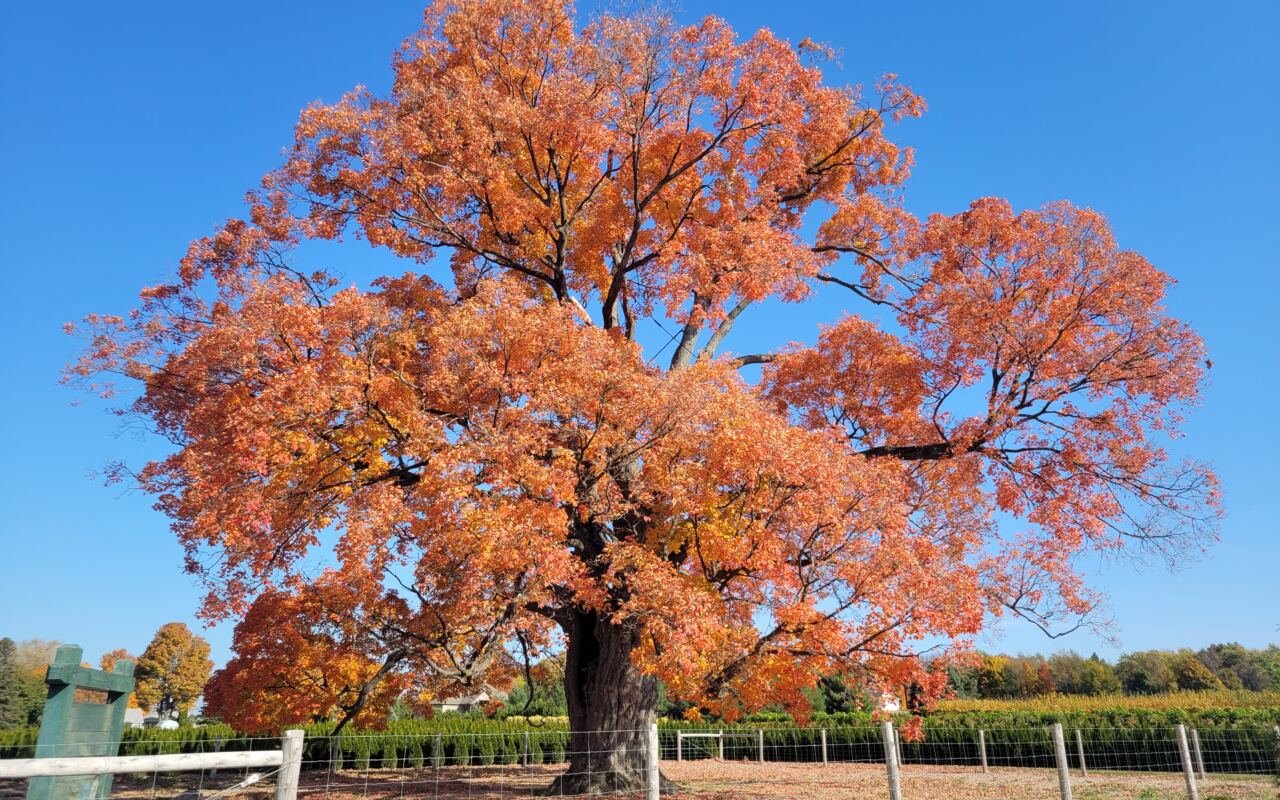
Some valley oaks were already standing when the Gold Rush began. They are the largest oaks in North America, and they can live for several centuries.
Because so many were cleared for farms and housing, cities like Sacramento, Davis, and Chico treat them as treasures. Removal usually needs a permit, and you may be required to plant replacement trees or pay into a city tree fund.
If you own one, consider yourself a caretaker of living history. An arborist report is often the first step if you think the tree is sick or unsafe.
3. California Sycamore
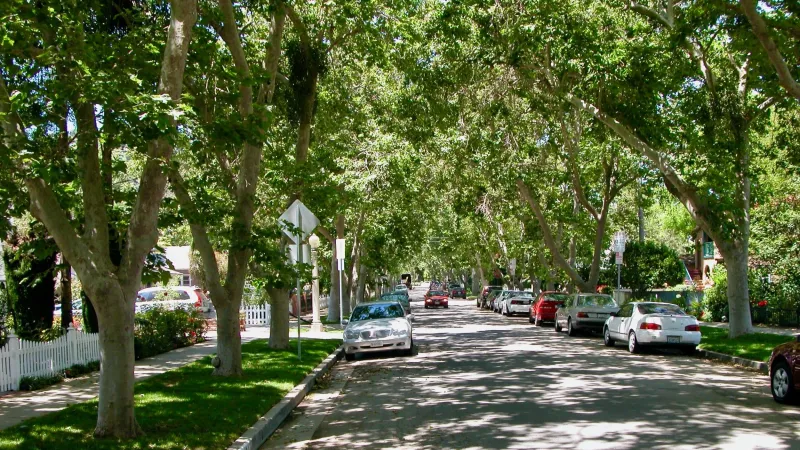
With bark that peels like a jigsaw puzzle and branches that twist in wild angles, the California sycamore looks almost like art. It is also a native tree that many cities guard closely.
Los Angeles added the Western sycamore to its protected list along with oaks, black walnut, and bay laurel. Similar protections show up in parts of Orange County and Ventura County, especially near creeks and stream beds.
Sycamores near water may also fall under state or federal rules for streamside habitat. That means one tree could involve more than one agency, so start asking questions early.
4. Southern California Black Walnut
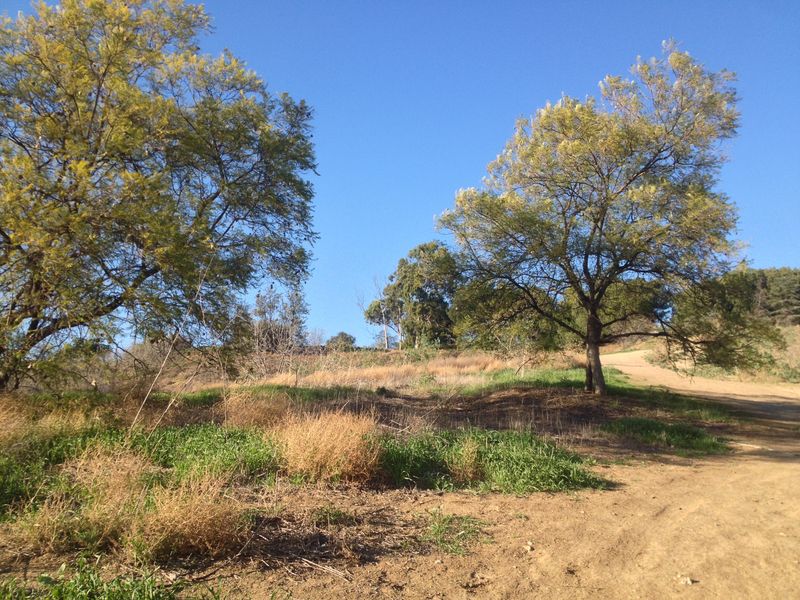
Not many people can pick this tree out of a lineup. It grows on hillsides from Santa Barbara to Orange County and drops small, hard-shelled walnuts that squirrels adore.
Its native woodlands have shrunk dramatically, which is why Los Angeles includes it in its protected tree ordinance. Trees with a trunk of 4 inches or more in diameter may need a permit before removal.
Fun fact: Native peoples of the region used the nuts for food and the shells for game pieces. If one pops up on your property, it may be a quiet survivor of a rare ecosystem.
5. California Bay Laurel
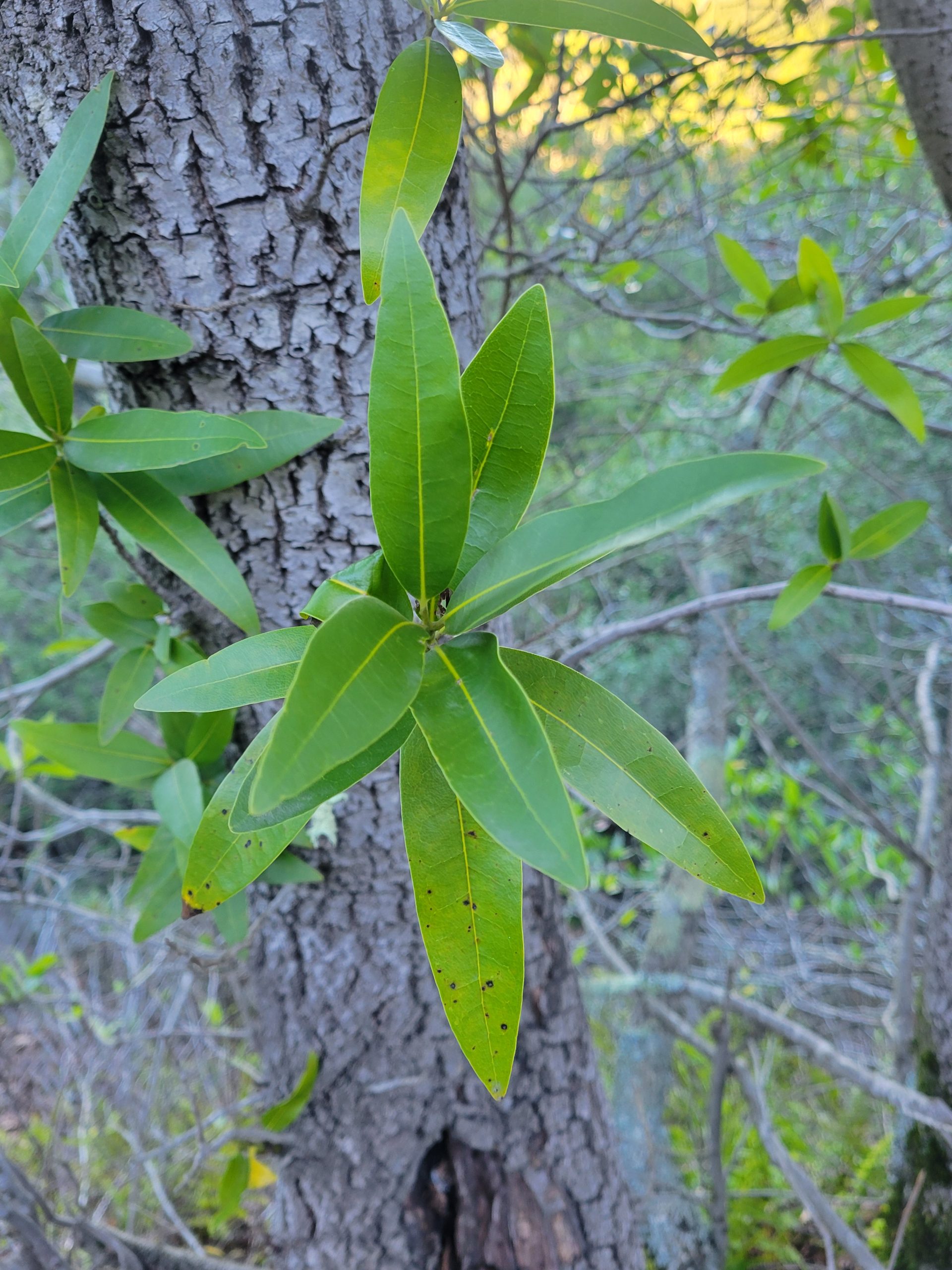
Crush a leaf and you will smell it right away, strong, spicy, and a little like the kitchen bay leaf only bolder. That scent makes the California bay laurel hard to forget.
Los Angeles protects this species too, and many Bay Area cities cover it under broader rules for native trees of a certain size. In places like Palo Alto or Los Altos Hills, size matters as much as species.
Bay laurel can host the pathogen tied to sudden oak death. If you suspect disease, a licensed arborist can help document the issue for your permit application.
6. Coast Redwood
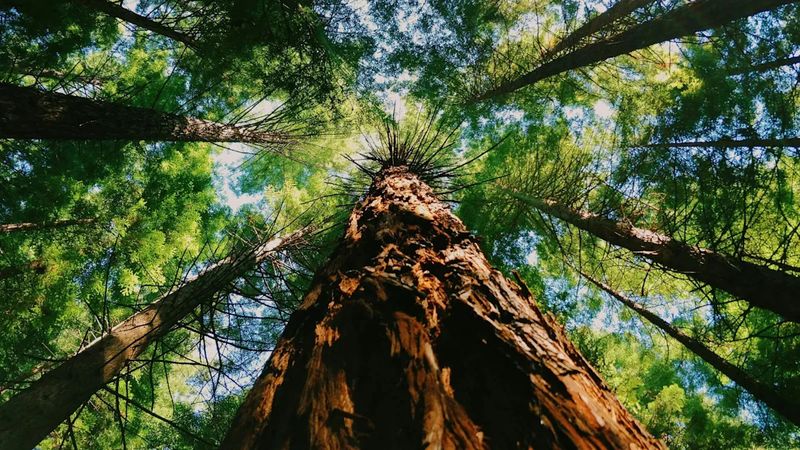
Planting a redwood in a small yard sounded like a great idea back in 1975. Fifty years later, plenty of homeowners are staring up at a giant that has outgrown its welcome.
Unfortunately for those owners, cities such as San Jose, Palo Alto, Mill Valley, and Santa Cruz often regulate redwoods once they reach a set size. San Jose, for example, requires a permit for many trees with a circumference of 38 inches or more measured 4.5 feet above the ground.
Expect the city to ask why the tree must go. Damage to a foundation or a real safety risk usually carries more weight than dropped needles or blocked views.
7. Monterey Cypress
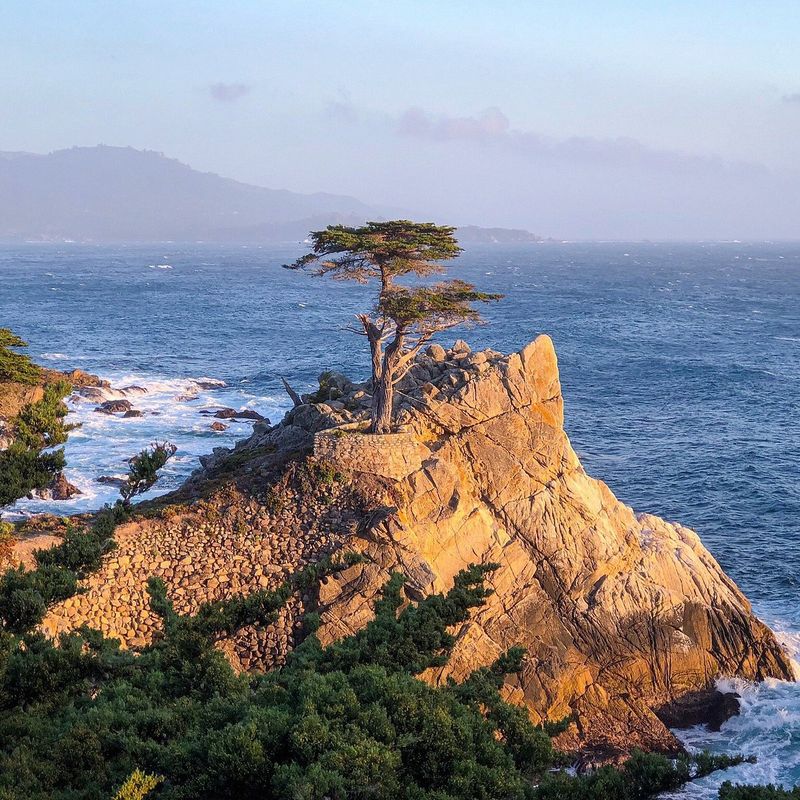
Ever wondered why Carmel looks the way it does? Much of the charm comes from twisted Monterey cypress trees shaped by ocean wind.
Carmel-by-the-Sea takes its urban forest so seriously that even trimming significant trees can require approval. Nearby Monterey and Pacific Grove also have strict tree rules, and native cypress groves are naturally found only in a tiny stretch of coast.
Coastal properties can add another layer, since the California Coastal Commission may weigh in. Patience pays off here.
8. Heritage Trees of Any Species
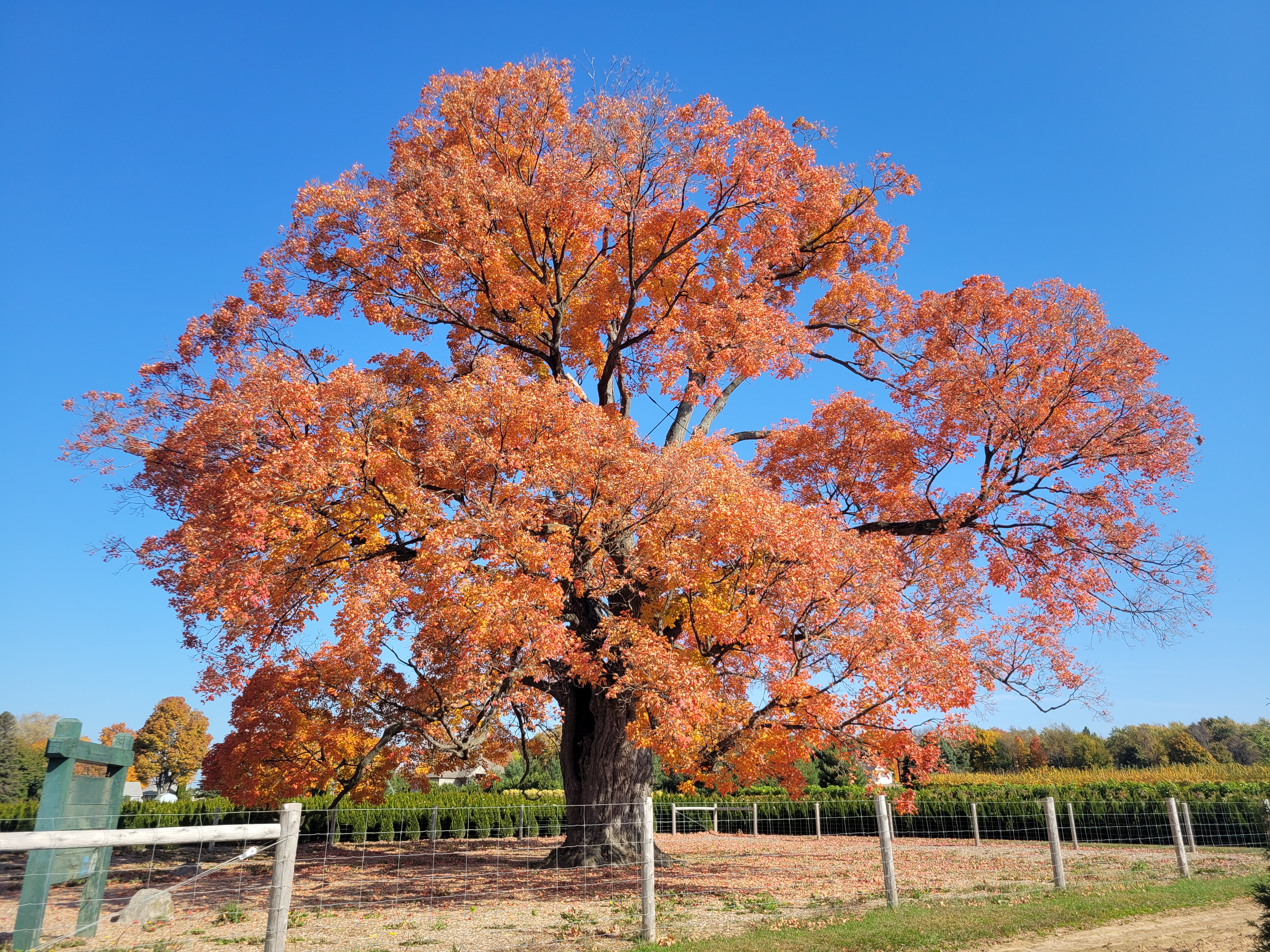
A tree does not have to be native to earn protection. Many cities name certain trees heritage or landmark trees because of age, size, beauty, or history.
Palo Alto, Santa Barbara, and San Francisco all have versions of these programs. A giant Moreton Bay fig, an old olive, or a camphor tree planted a century ago could qualify.
Check whether your tree has been officially listed. Some cities keep public maps or registries you can search by address, which takes only minutes.
9. Street Trees in the Parkway
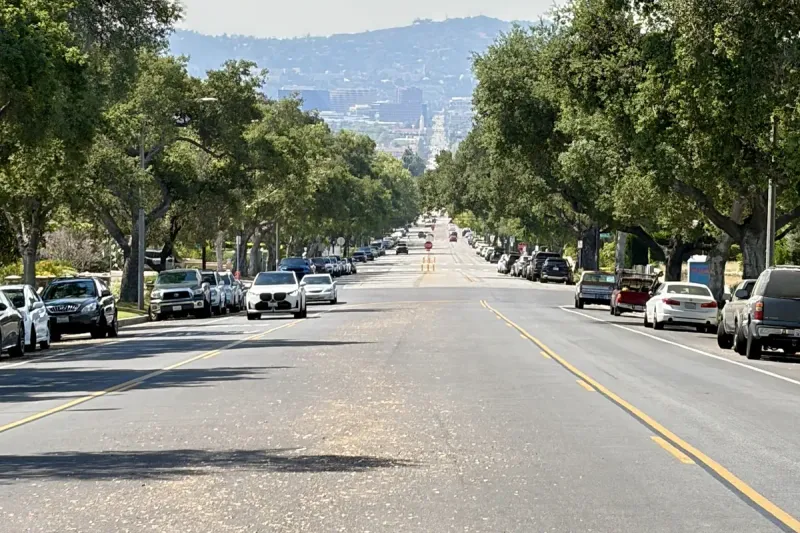
Here is one that surprises a lot of people. That tree between the sidewalk and the curb in front of your house is often owned by the city, not you.
In Los Angeles, San Francisco, San Diego, and many other places, you need a permit to prune, remove, or plant a street tree. Some cities handle the work themselves, while others let you hire a licensed contractor once approved.
Roots lifting the sidewalk? Report it rather than grabbing a saw.
Cutting big roots can kill the tree or make it unstable, and the city may hold you responsible.
10. Any Large Tree Over Your City’s Size Limit
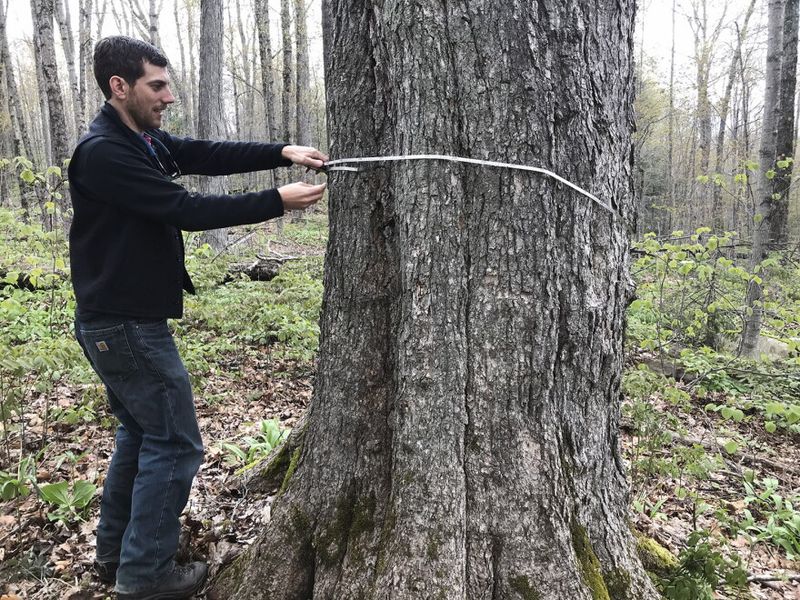
Grab a tape measure. In many cities, the species barely matters once a trunk passes a certain size.
San Jose, Beverly Hills, Walnut Creek, and other communities protect large trees of almost any kind, with thresholds based on trunk diameter or circumference at about 4.5 feet high. Even a common pine or eucalyptus could need approval.
The easiest move is also the smartest one. Search your city name plus tree ordinance, or call the planning office, before scheduling any work.
A quick check can spare you fines, replanting orders, and a lot of regret.
Share this story