Some of the prettiest plants at your local garden center are causing big trouble in California’s wild places. They escape from yards, choke out native plants, fuel wildfires, and cost counties millions of dollars to remove.
Many are still sold legally, so shoppers often have no idea they are buying a problem. Here are ten plants that weed managers and county programs are working hard to stop, plus some friendlier swaps you can plant instead.
1. Pampas Grass
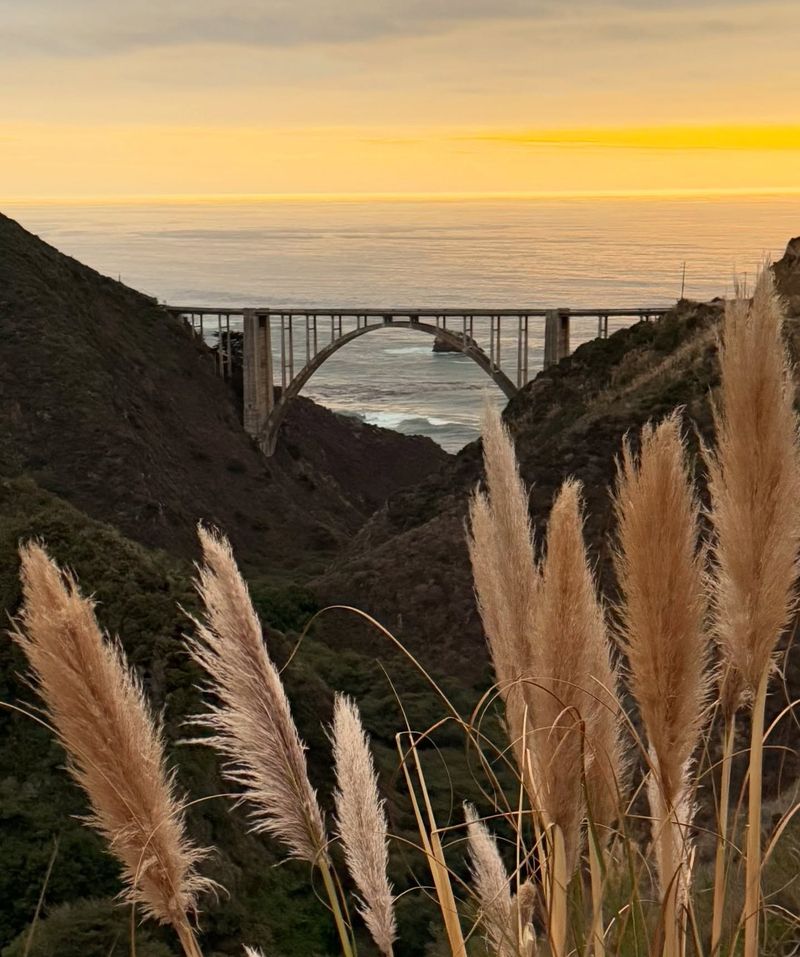
Those feathery plumes look great in wedding photos, but one plant can release up to a million seeds a year. The wind carries them for miles along the California coast.
Once they land, they sprout on cliffs, roadsides, and dunes.
Counties from San Mateo to Santa Cruz have spent years cutting and digging out huge clumps. The dense, dry leaves also build up fuel that can feed wildfires.
Its razor-edged blades even make removal painful work.
Some nurseries sell so-called sterile varieties, but experts warn they can still produce seed. If you love the look, try native deer grass instead.
It gives the same graceful shape without the invasion.
2. Mexican Feather Grass
Run your hand through it and you will understand the appeal. Mexican feather grass is soft, wispy, and moves beautifully in a breeze.
Landscapers loved it for drought-friendly yards across Southern California.
The trouble is how easily it reseeds. Seeds hitch rides on shoes, pets, and mowers, then pop up in open land and grasslands.
The California Invasive Plant Council lists it as a high concern, and several counties urge residents to pull it before it flowers.
It still shows up in big-box stores, sometimes labeled as Nassella or Stipa tenuissima. A great swap is purple three-awn or California fescue, which stay put and support local insects.
3. English Ivy
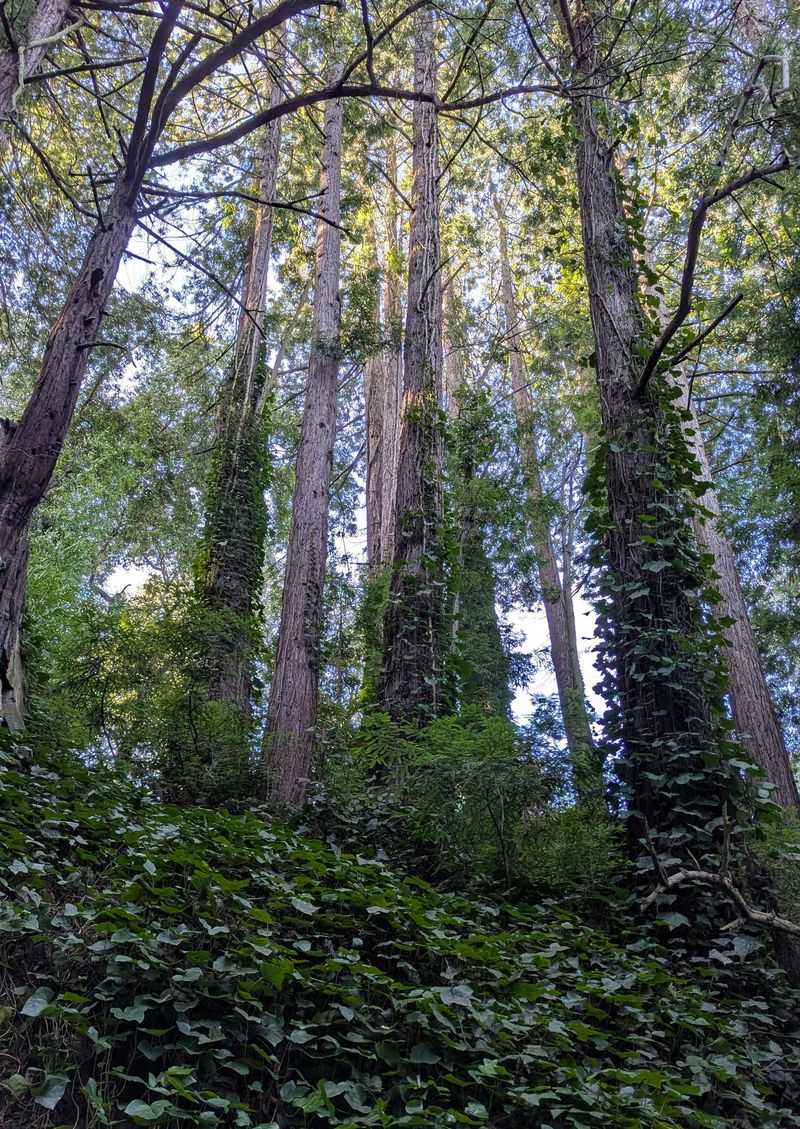
Picture a coastal oak wrapped in green from roots to branches. It looks charming until you learn the tree may be slowly starving.
English ivy climbs, shades out leaves, and adds heavy weight that can topple trunks in winter storms.
Bay Area parks and Marin County volunteers hold regular ivy pulls to protect creek areas. The vine also smothers wildflowers on the forest floor.
Birds spread its berries far from the original garden.
Many nurseries still carry it as easy ground cover. For shady spots, consider native wild ginger or creeping snowberry.
4. Iceplant
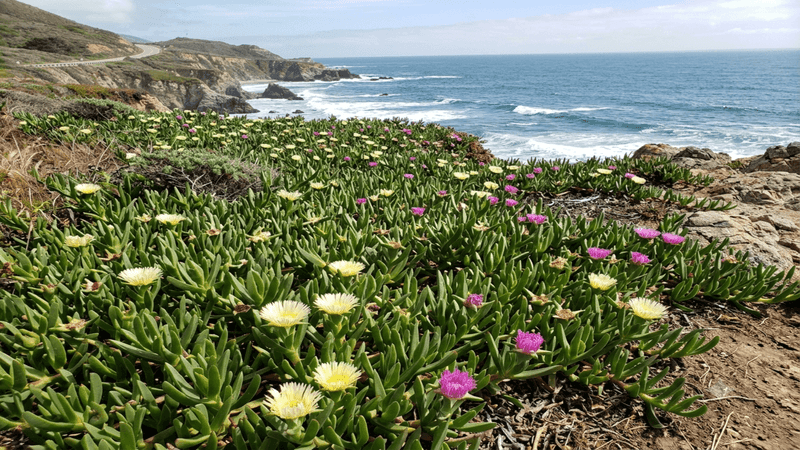
Caltrans once planted it on purpose. Highway iceplant was used for decades to hold soil along freeways.
Now agencies are spending money to rip it out.
The thick mats crowd out rare dune plants and change soil chemistry. In places like Monterey and San Luis Obispo counties, restoration crews peel back acres of it to save native species.
Its heavy, water-filled leaves can also make slopes slide in wet years.
Not every succulent ground cover is a villain, but Carpobrotus edulis is one to skip. Native beach strawberry or seaside daisy make cheerful replacements.
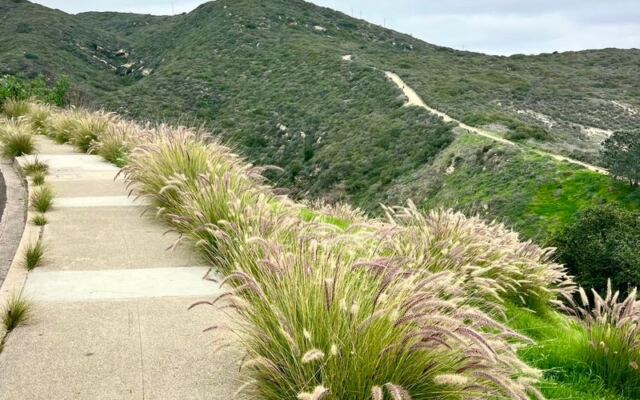
5. Fountain Grass
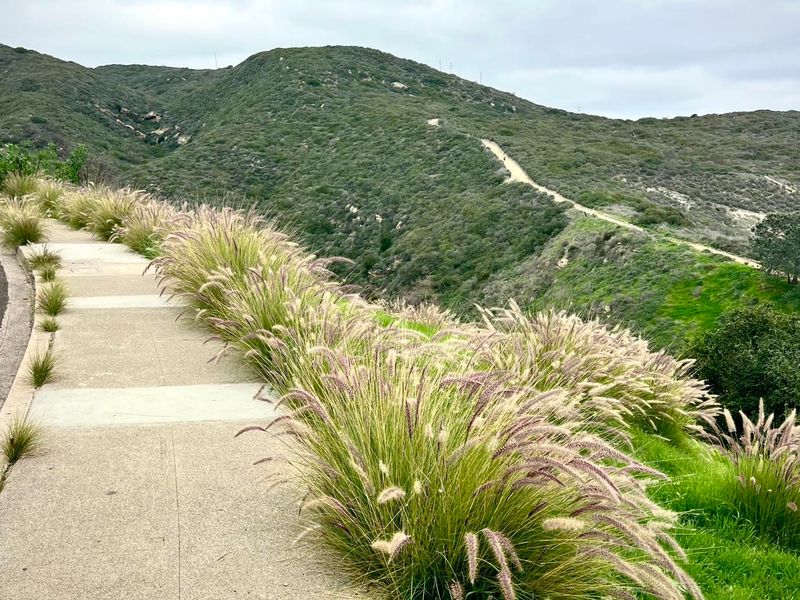
Drive through parts of Los Angeles or San Diego County and you will see it along freeways. Green fountain grass took off from gardens and now lines canyons and roadsides.
It burns hot and fast, which worries fire officials.
Fire actually helps it spread, because it bounces back faster than many native shrubs. That cycle can turn sage scrub into grassland over time.
Several local weed programs ask homeowners to remove the green type.
Purple fountain grass is usually sterile and considered lower risk. Still, read labels carefully, since the two can get mixed up on nursery shelves.
6. Scotch and French Broom
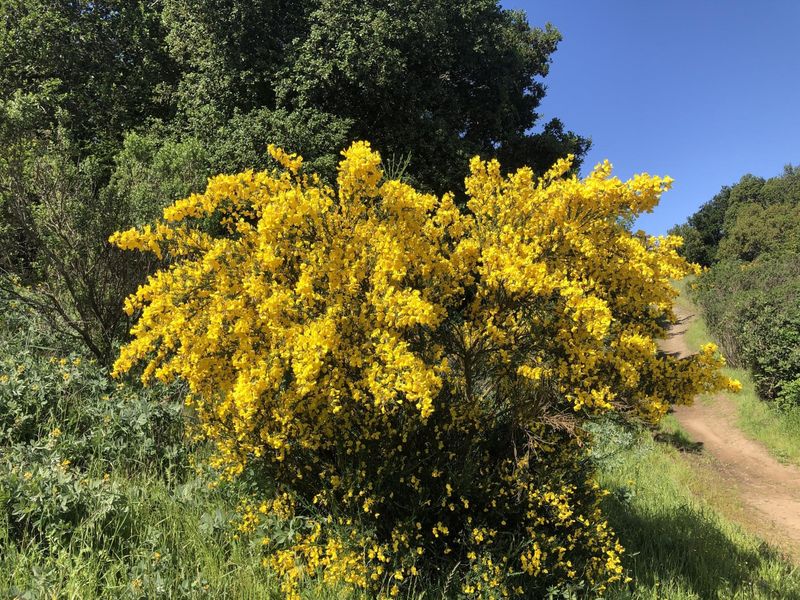
Every spring, foothill roads in Nevada and El Dorado counties turn bright yellow. It looks cheerful, but it signals a serious problem.
Broom shrubs form dense thickets that block wildlife and push out young trees.
The seeds can survive in soil for decades, so one season of pulling is never enough. Community groups like broom-bash crews return year after year.
The plants are also highly flammable thanks to oily stems.
Fun fact: the seed pods snap open with an audible pop on hot days. Native alternatives like flannelbush offer yellow blooms without the headache.
7. Periwinkle
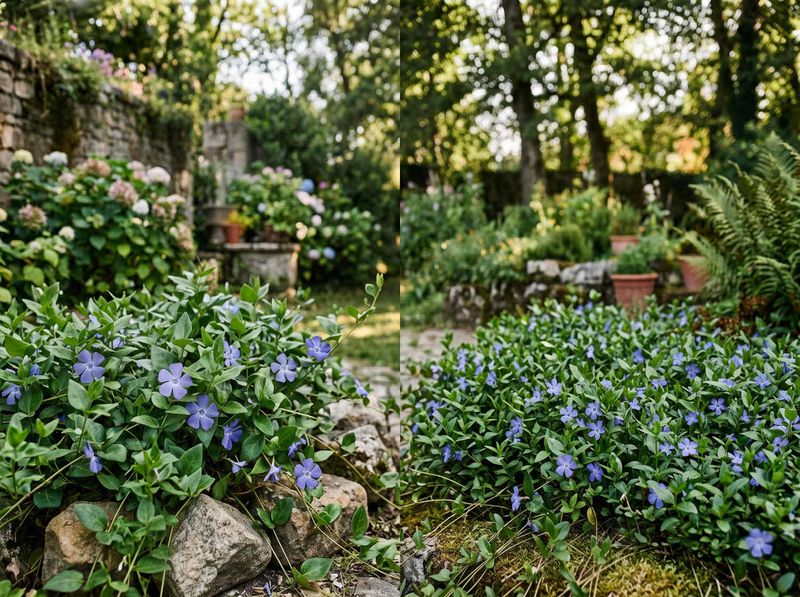
Grandma probably had it under her porch. Big periwinkle, or Vinca major, has been a go-to shade cover for generations.
Sweet blue flowers made it easy to love.
Along streams, though, it forms carpets that keep native seedlings from growing. Pieces break off and float downstream to start new patches.
Santa Barbara and Ventura county creek projects list it among their toughest weeds.
It spreads by stems, not seeds, so even a small cutting can take root. Try hummingbird sage for a colorful, native shady ground cover.
8. Giant Reed
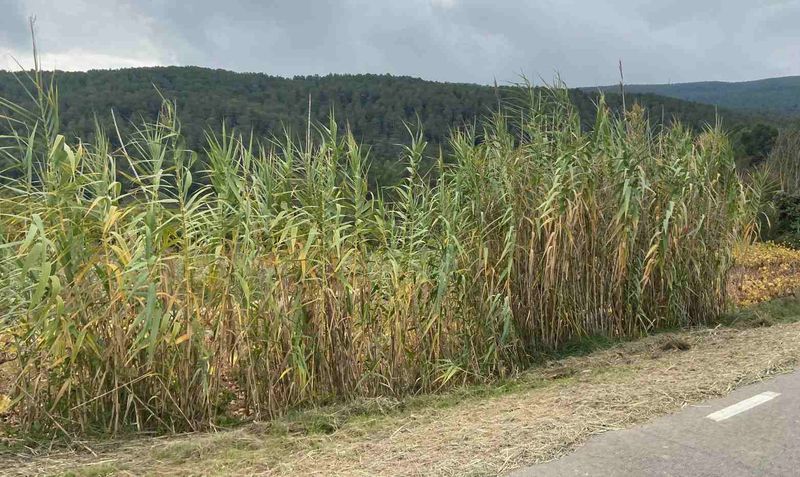
Can a plant really grow four inches in a day? Giant reed can, and it reaches over 20 feet tall.
That speed makes it a nightmare along California rivers.
Arundo drinks huge amounts of water and clogs channels, raising flood risks. The Santa Ana River watershed has spent tens of millions of dollars on removal.
Its tall stems also carry flames into riverside neighborhoods.
Some sellers still offer it for privacy screens or musical reeds. A safer screen idea is native toyon or coffeeberry.
9. Tree of Heaven
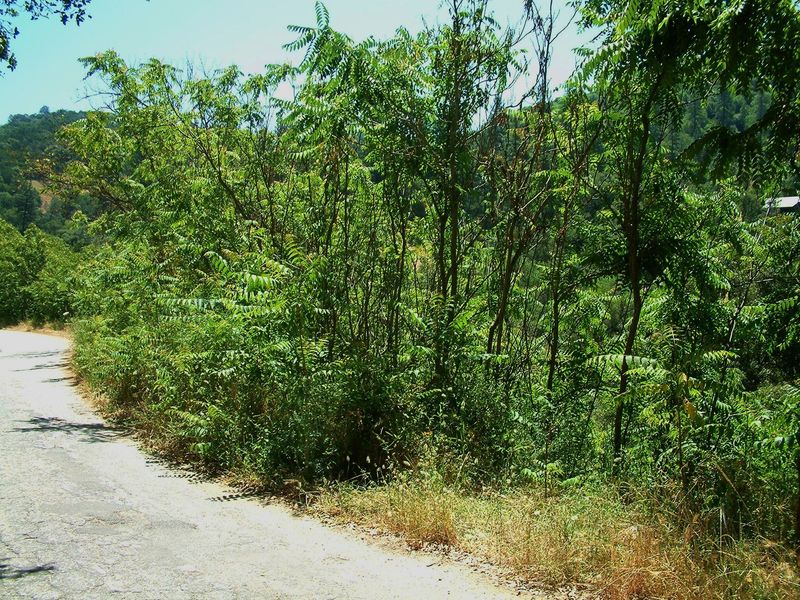
The name sounds lovely, but many weed experts call it something else. Tree of heaven grows fast, smells bad when crushed, and sends up suckers everywhere.
Cut one down and a dozen may sprout back.
It also hosts the spotted lanternfly, a pest California is working hard to keep out. Counties in the Central Valley and Sierra foothills list it as a priority weed.
Its roots can crack pavement and pipes.
Online sellers still list seeds and saplings. For quick shade, look at native western redbud or a valley oak instead.
10. Cape Ivy and Other Climbing Vines
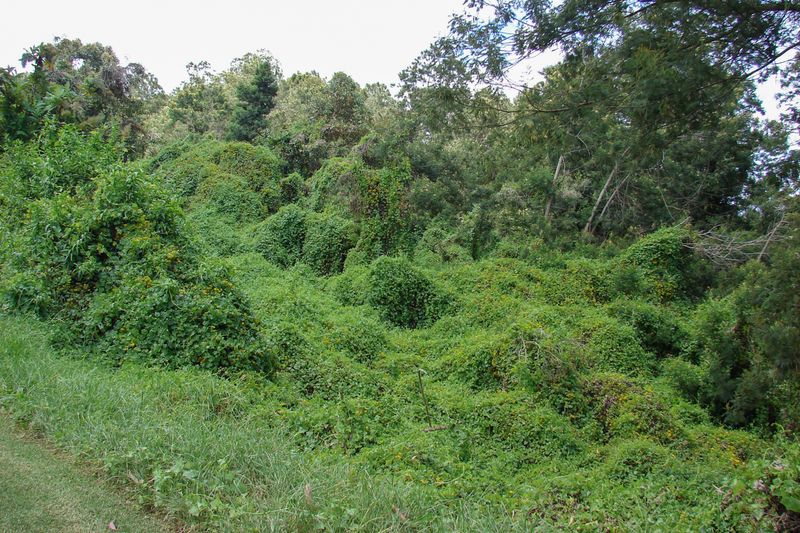
Here is a sneaky one. Cape ivy sometimes arrives mixed into hanging baskets or traded between neighbors.
Within a few seasons, it can cover entire shrubs on coastal hillsides.
Golden Gate parks and Sonoma County crews battle it constantly. The vine is toxic to fish when it falls into creeks.
It grows from tiny stem pieces, so careless pulling can spread it.
Before planting any fast vine, check the Cal-IPC website or ask your county agriculture office. Native California pipevine or wild grape are smart, wildlife-friendly picks.
Choosing well today saves your community money and keeps wild places healthy.
Share this story