A small owl that lives in Ohio yards may be one of the quietest chipmunk hunters around. The Eastern Screech-Owl is only about the size of a coffee mug, but it hunts at night in trees, fields, and neighborhoods.
Chipmunks are one of the animals it may eat, though they are far from its only meal. Here is what that means for your garden, and how to help owls without putting them at risk.
A small owl that can live in Ohio yards
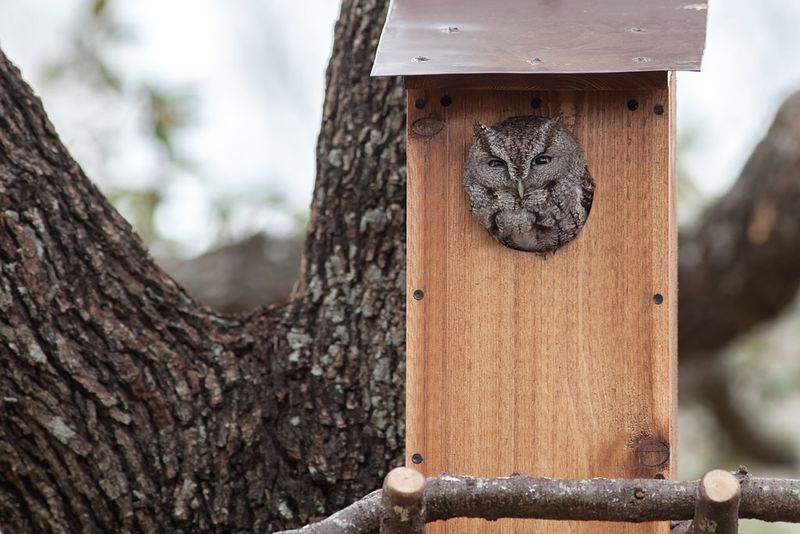
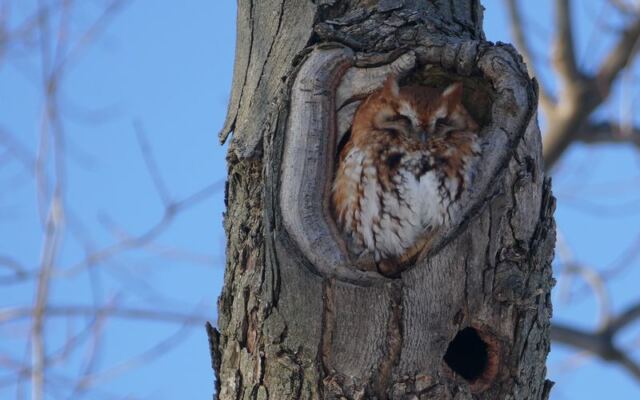
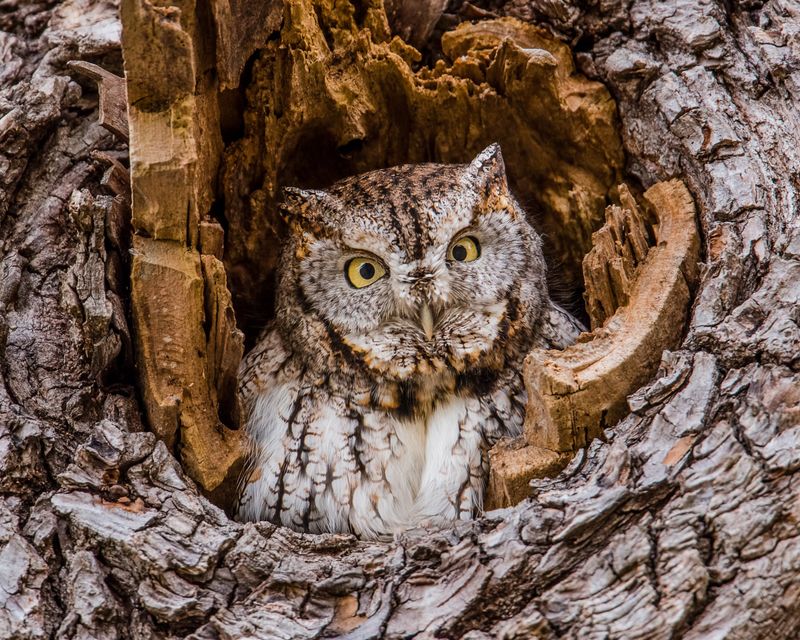
Picture a bird about the size of a coffee mug, with feathers that look just like tree bark. That is the Eastern Screech-Owl, and it is the most likely small owl to be sharing your Ohio yard.
Many people never see one, because it sleeps in tree holes by day and hunts after dark.
According to Ohio DNR’s Common Owls of Ohio guide, this species lives in every county in the state. It may use urban and suburban sites, as long as there are scattered large trees.
So a neighborhood with older maples, oaks, or sycamores can be a good fit, even if it is far from a forest.
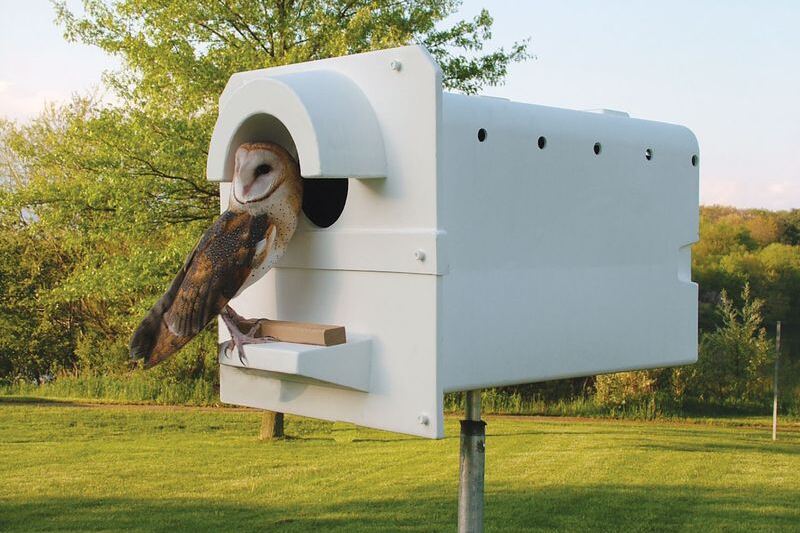
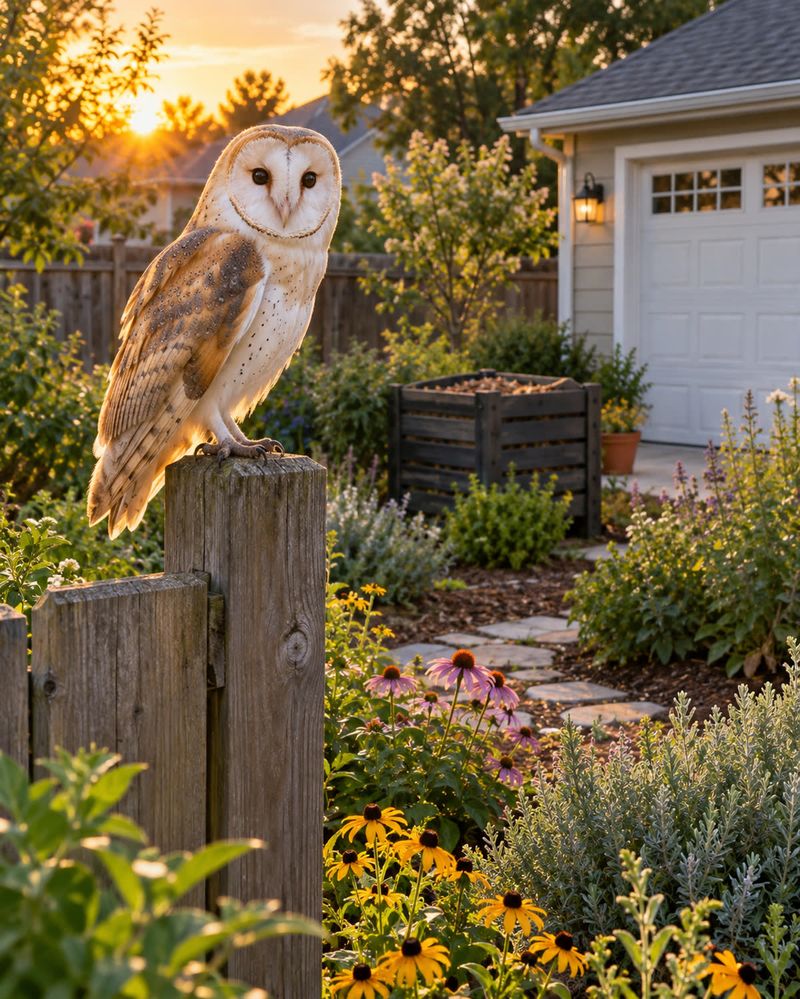
It helps to know it is not the only owl that may eat chipmunks. Ohio DNR also lists chipmunks in the diet of the Barn Owl, but describes that bird as rare and threatened in Ohio.
For most homeowners, a small owl in the yard is far more likely to be a screech-owl.
Listen for its call, too. Despite the name, it makes a soft, quavering whinny and a long trill rather than a scream, and hearing one at dusk is often the first clue that an owl is nearby.
Chipmunks are one item on a varied menu
Screech-owls are not picky eaters. A U.S.
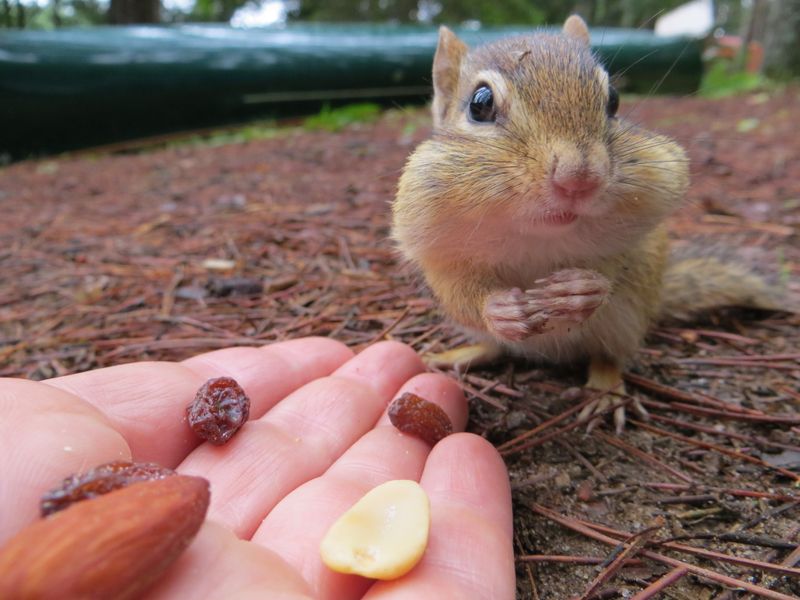
Forest Service review of the species lists a wide menu that includes small mammals, birds, insects, and other small animals. Chipmunks do appear among the documented mammal prey, so yes, an owl may take one.
The same review points to a different group of favorites. Mice and voles are named as favored prey, which makes sense for a small night hunter.
Chipmunks are active in daylight and tuck into burrows at night, so they are not always easy targets for an owl.
Diet also changes with the season and the place. In summer, insects can fill a lot of the menu, and in colder months owls lean more on small mammals and birds.
The review even reports that birds made up a large share of the food brought to nest boxes in one Ohio study.
That is why seeing a chipmunk in your garden tells you very little about what an owl will do. Maybe an owl will catch one now and then, maybe it will focus on voles under the shrubs, or maybe it will pick off songbirds.
Nothing in the research lets you count on a certain result for your yard.
What an owl can—and cannot—do for a garden
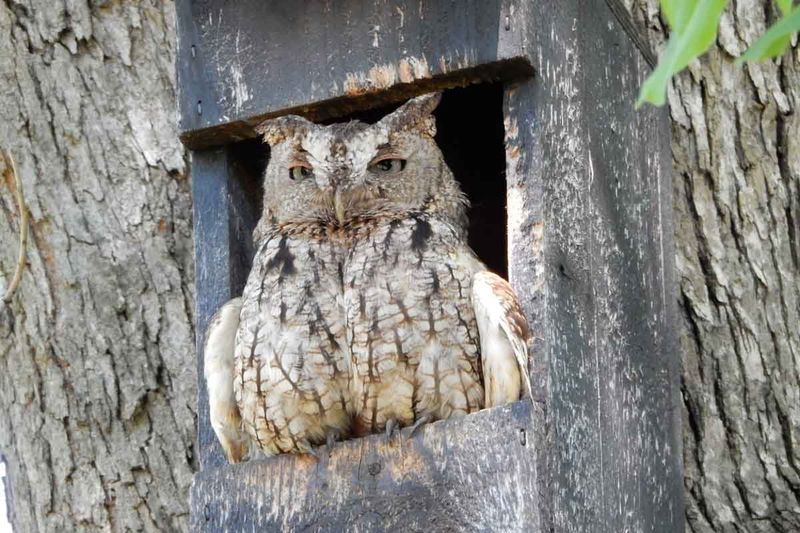
Think of an owl as a bonus, not a service you can order. Owls can add a little natural control of rodents and insects to the local food web, and that is a real ecological benefit.
But a hunting owl is not aiming at your chipmunks or your tomato patch.
You may have heard that orchards saw less rodent damage after owners put up screech-owl boxes. The Forest Service review mentions those reports from orchard owners.
They are interesting, but orchards are not home gardens, and they do not show that an owl will reliably cut down chipmunks in a backyard.
Part of the reason is that screech-owls eat so many kinds of animals. Birds are on the menu, so the same owl that catches a vole might also take a sparrow or a robin.
What it hunts on any given night depends on what is easy to find.
So the practical view is simple. Welcome an owl if one shows up, enjoy the possible benefit, and keep your own garden habits in place.
Tight lids on compost, picked-up fallen fruit, and tidy bird feeders still do the heavy lifting against rodents.
A nest box can help, but cannot promise a visitor
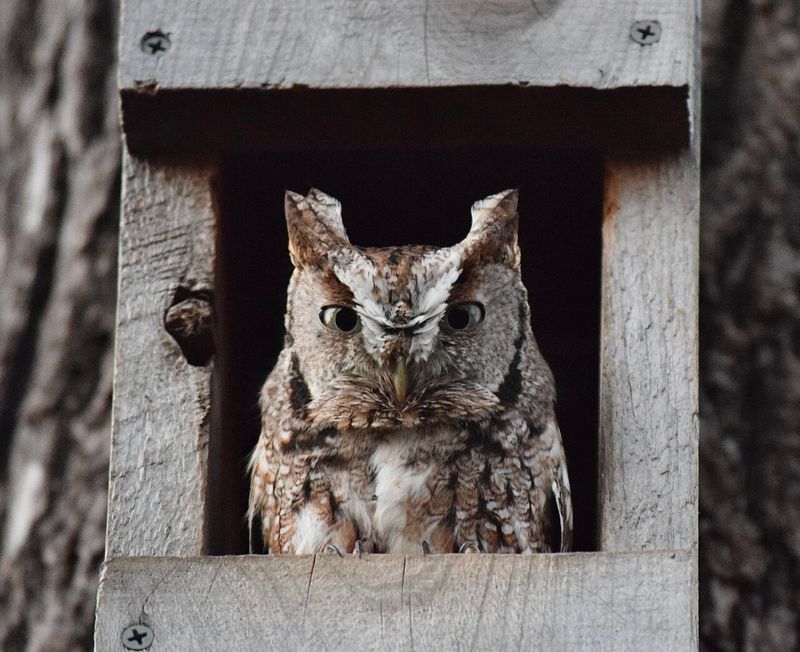
Eastern Screech-Owls nest in cavities, such as old woodpecker holes and natural hollows in trees. Those are getting harder to find in tidy yards, so a well-made box can serve as a possible nesting resource.
Ohio DNR’s owl guide describes nest boxes as an option for the species, not a guarantee.
Putting one up does not mean an owl will move in. Owls choose based on the surrounding habitat, and plenty of boxes sit empty for years.
The box is also a home for raising young, not a pest-control device.
If you want to try, Cornell NestWatch’s screech-owl advice is a good guide. It suggests mounting the box 10 to 30 feet high, near a woodland edge with fields or wetlands close by.
Add 2 to 3 inches of wood shavings inside, and use a predator guard if the box is on a pole.
Those details tie back to habitat. A box set in a spot with big trees nearby and open ground to hunt over has a better chance than one stuck in a bare, treeless lawn.
Even then, treat any visit as a happy surprise.
Choose rodent control that does not put owls at risk
Rodent poison can harm far more than the rodent that eats it. The National Park Service warns that predators, including owls, can be exposed to secondary poisoning when they eat poisoned animals.
A slow-moving, sick rodent is an easy meal for a hunting owl.
The Park Service points to safer steps. Start by removing the food and shelter that draw rodents in the first place.
Store birdseed and pet food in sealed containers, sweep up spilled seed, and clear brush piles or woodpiles stacked against the house.
If that is not enough, the Park Service suggests poison-free traps. Check them often so no animal is left suffering, and place them where pets and wildlife will not stumble into them.
None of this promises that an owl will visit or that chipmunks will disappear. It simply keeps your yard safe for the owls that may already be passing through, and it is a better plan than relying on poison.
Give owls and active nests space
The best things you can do for yard owls are things you control. Keep mature trees and dead standing limbs when they are safe to leave, plant native shrubs and trees, and skip the poison.
Fewer outdoor lights at night also help owls hunt in natural conditions.
If an owl does nest nearby, give it room. Cornell NestWatch advises avoiding disturbance during and shortly after egg-laying.
After you find a nest, wait at least one to two weeks before checking what is inside, and keep any look quick and rare.
Never pick up or try to catch an owl, even a small one that looks stuck on the ground. Call a licensed wildlife rehabilitator or your state wildlife agency instead.
Florida’s wildlife agency notes in its screech-owl profile that owls and active nests are protected under federal law, so check with Ohio wildlife officials about rules where you live.
Choosing poison-free methods, as the National Park Service suggests, keeps the whole neighborhood food chain safer. Some of the best owl help is simply leaving them alone.
A quiet yard, a dark night, and a little patience may be all they ask.
Share this story