Michigan has one venomous snake, the eastern massasauga rattlesnake, but it is not the only animal in the state with venom. A small mammal called the northern short-tailed shrew has venomous saliva, and it can live in gardens and fields.
The shrew uses it to take down prey, not to threaten people. Here is what that means for anyone who digs, mulches, or simply enjoys a backyard.
Michigan’s only venomous snake is not its only venomous animal
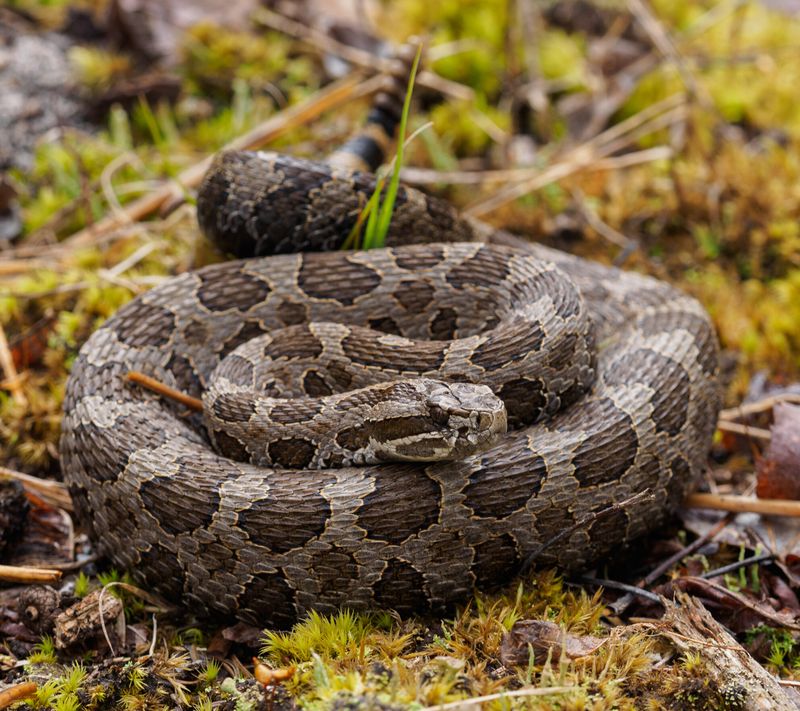
Ask most Michigan residents which local animal has venom, and the answer is the rattlesnake. That is correct as far as snakes go, since the Michigan DNR describes the eastern massasauga as the state’s only venomous snake.
The phrase “only venomous snake” matters, though. It does not mean the massasauga is the only animal in Michigan with venom.
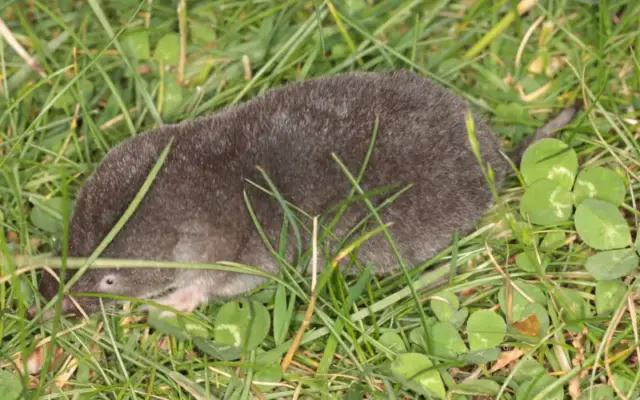
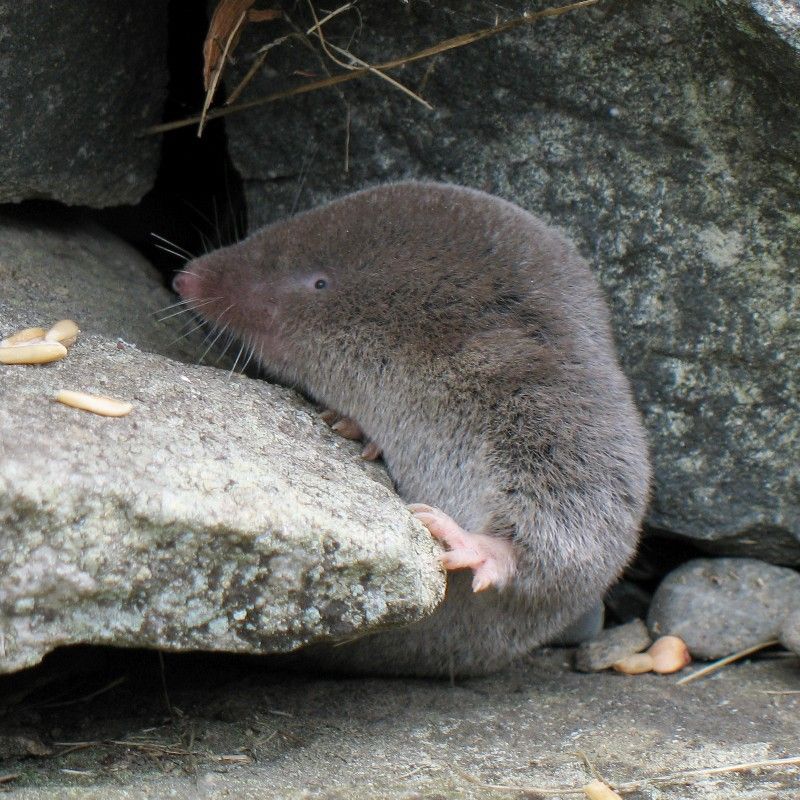
The northern short-tailed shrew, a small mammal with a pointed snout and velvety gray fur, also has venom in its saliva.
Shrews are not tiny rattlesnakes. They have no fangs and no injection system like a snake’s.
Instead, the venom mixes into saliva and passes into prey when the shrew bites and chews, which helps it subdue animals such as insects, worms, and snails.
It also helps to keep the shrew in perspective. The University of Michigan’s BioKIDS account describes the species as common around the Great Lakes, yet most people never see one because shrews spend their time hidden under leaves, logs, and tunnels.
Knowing about the venom is a fun fact about local wildlife, not a reason to worry about your lawn.
Gardens can provide habitat for short-tailed shrews
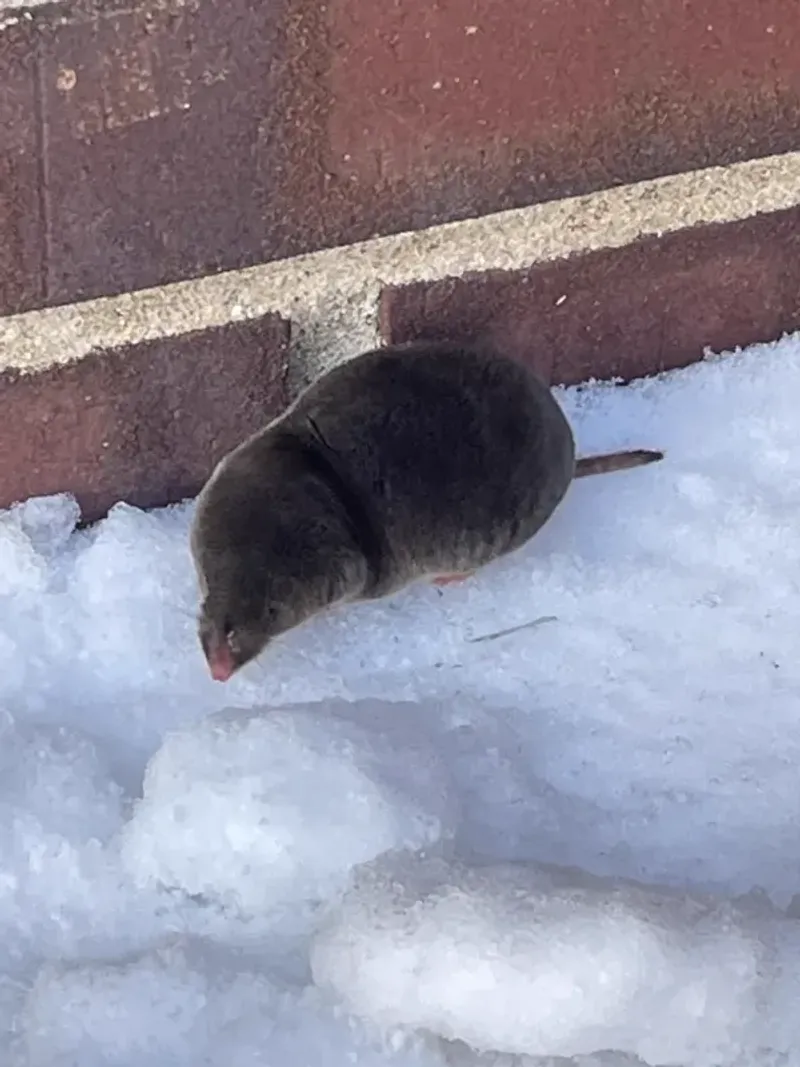
Picture a damp, brushy corner with plenty of leaf litter and loose soil. That is the kind of place a northern short-tailed shrew likes.
According to BioKIDS, the species turns up in flower and vegetable gardens, cultivated fields, and field edges, along with damp, brushy habitats.
That makes a garden a possible home, not a guaranteed one. Plenty of yards have no shrews at all, and having a garden is not proof that one is living under your tomatoes.
Shrews are secretive and spend much of their time in tunnels and under cover, so even yards that do have them rarely get a good look.
As for size, BioKIDS reports a head-and-body length of about 3 to 4 inches, plus a short tail. Some people call the animal thumb-sized, which is a fun comparison, but it makes the shrew sound smaller than it is.
The body alone is several inches long.
Size is also a poor way to name a mammal. Mice, voles, moles, and other shrew species can all look small and dark to a quick glance.
If you spot a little animal scurrying through the mulch, you cannot tell from its size alone that it is a northern short-tailed shrew, so enjoy the sighting from a distance.
The shrew delivers venomous saliva when it bites
A rattlesnake strikes and injects venom through hollow fangs. A shrew works very differently.
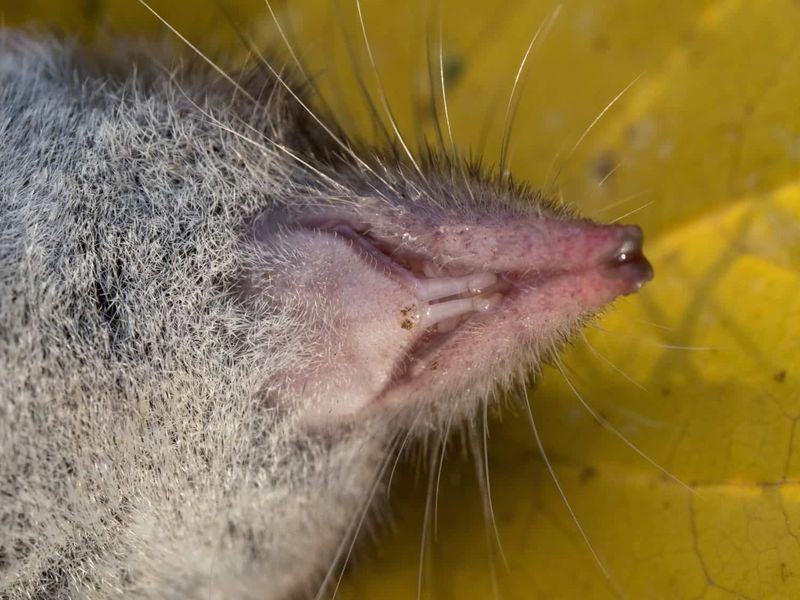
Its venom is carried in its saliva, and it enters prey through biting and chewing, not through a snake-like injection system.
For a shrew, this is a practical tool. It has a fast metabolism and needs to eat often, and the venom helps it subdue prey such as insects, worms, and snails.
A slowed-down meal is easier to handle than a wriggling one.
The anatomy helps explain the transfer. The National Park Service notes that the shrew’s grooved lower incisors help move saliva during a bite.
That detail is only about delivery: the grooves guide saliva, but they do not turn the shrew into a miniature snake.
The same animal is also very small and shy. BioKIDS says bites to people are rare, which fits the picture of a creature that uses its venom to hunt, not to confront anything larger than itself.
Simply having a shrew nearby does not put anyone at risk. The venom is meant for prey, and ordinary proximity to a shrew is not the same as being bitten by one.
What research shows about the shrew’s venom
The shrew’s venom is not just folklore. A peer-reviewed study in PNAS, which isolated and characterized a toxin from short-tailed shrew saliva, gave the venom a scientific footing.
The researchers named it Blarina toxin.
In animal experiments, the toxin showed toxicity. That tells us the saliva really does contain a potent compound, which fits the idea that it helps the shrew subdue prey.
The paper also describes human bite accounts, and these are limited. They involve local burning and swelling at the bite site.
That is about as far as those reports go.
Here is what the findings do not tell us. Results from lab animals do not show how a human bite would play out, so nobody can honestly call a bite harmless, likely severe, or fatal.
The reports are too few for either conclusion.
Nor do they suggest that living near a shrew is dangerous. The research explains what the venom does and how it was studied, and it leaves the practical advice simple: shrews are wild animals best left alone.
Do not pick up a shrew
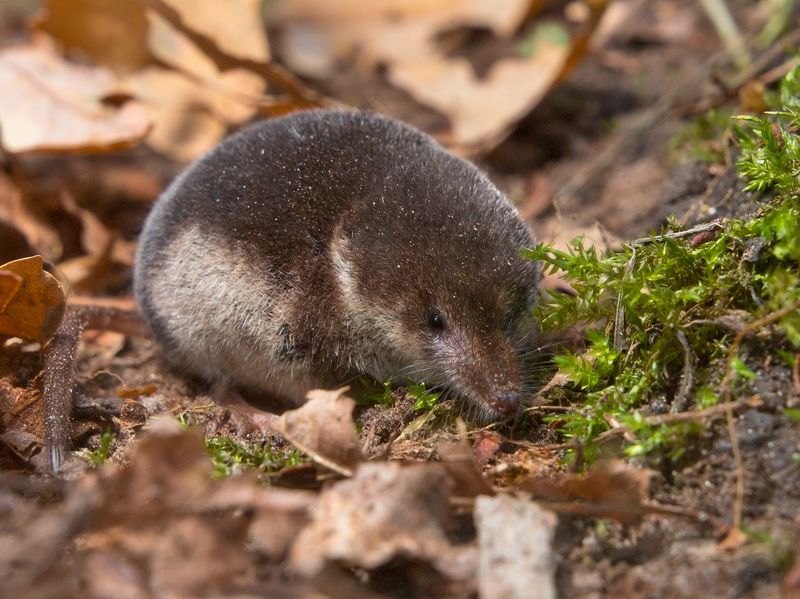
Picture a cat dropping a small, limp animal on the porch, or a tiny creature stuck in a window well. The urge to scoop it up is natural, but this is exactly the situation to skip.
The University of Michigan account describes shrew bites as rare and usually tied to attempted handling. It also says the pain can last several days.
In other words, the shrew bites when it is grabbed, not when it is simply nearby.
So the plan is simple. Do not handle a shrew, even a small one that seems weak or stuck.
If an animal needs help, a wildlife rehabilitator or local animal control office can advise you.
If a bite does happen, seek medical advice. A doctor, a clinic, or a poison control line can look at your situation and tell you what to do next.
There is no need to guess at treatment at home or to predict how serious it will be.
Pets are worth a thought as well. If a cat or dog has caught a small mammal, keep your hands off it, and call a veterinarian if you are worried.
Give a shrew space, not a reason to panic
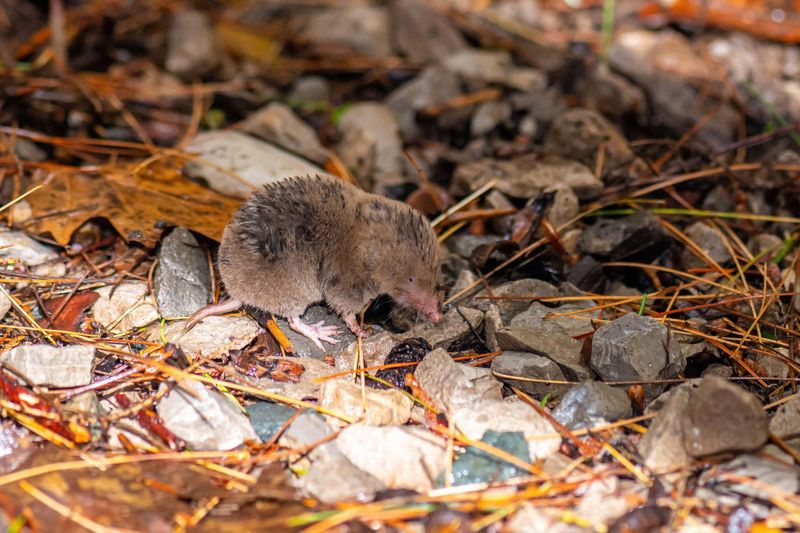
Michigan’s eastern massasauga stays the state’s only venomous snake, and the DNR’s description still holds. The northern short-tailed shrew simply adds a quieter chapter, a mammal whose saliva is venomous.
A garden that suits shrews does not prove one lives there, and a good habitat is not a hazard. BioKIDS lists gardens as places shrews can live, nothing more.
Most shrews will spend their lives out of sight, hunting beneath the leaves. Leave them to it.
Share this story