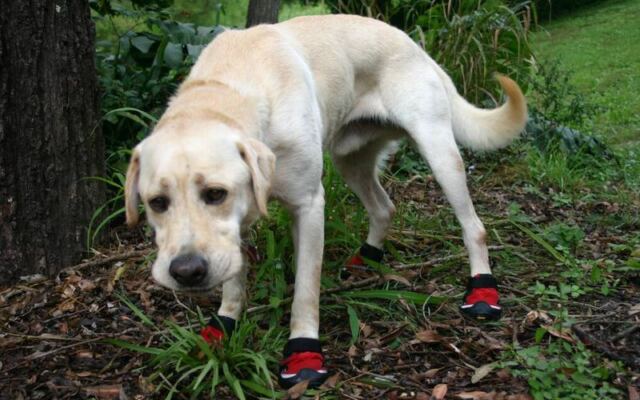
Get your dog away from the mound right now, then brush off every ant you can find while keeping your own hands protected. Fire ants swarm fast and sting again and again, so the first few minutes matter.
After that, you need to know which signs mean a trip to the vet and which ones can be watched at home. Here is a calm, step-by-step plan for North Carolina dog owners.
Move away from the mound and remove any ants
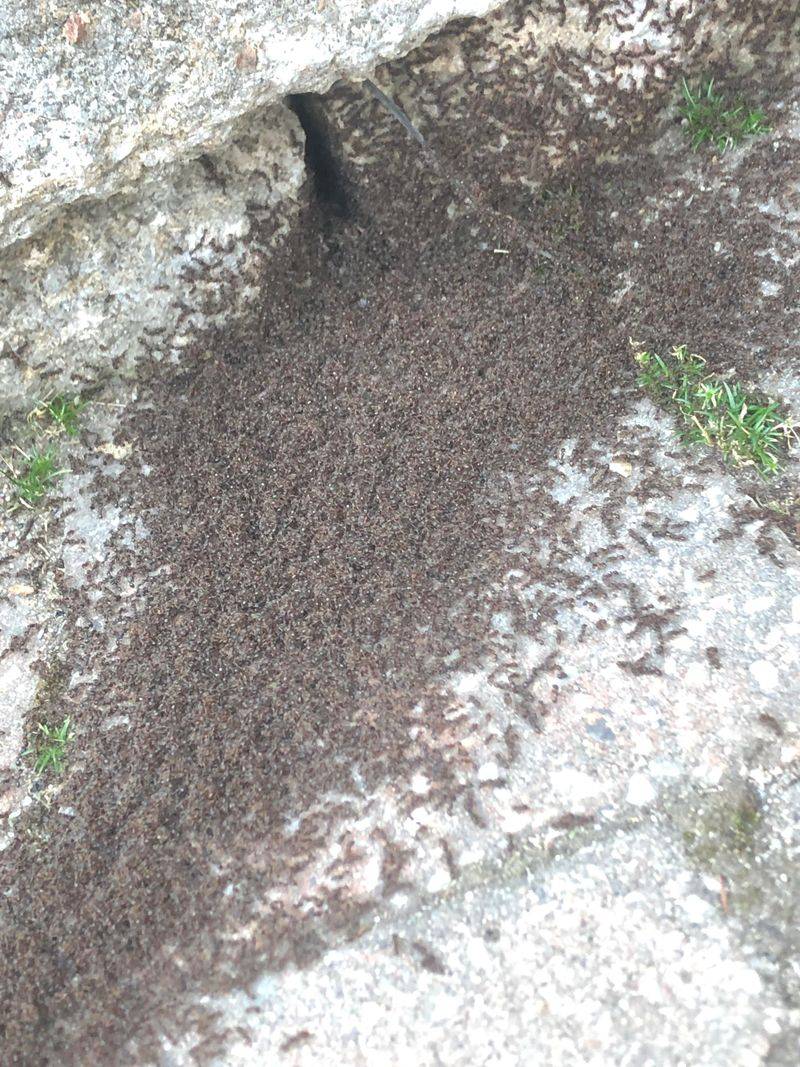
Step one is distance. Lead or carry your dog well away from the mound before you do anything else, because every second near the colony means more ants climbing aboard.
Fire ants swarm when a mound is disturbed. As the MSD Veterinary Manual explains, they can latch onto skin or fur and sting repeatedly, and some may stay attached to the animal.
That is why removal cannot wait.
Protect yourself while you help. Wear gloves if you have them, or use a thick towel or a stiff brush, and sweep the ants off with quick strokes.
Ants can climb onto your hands and arms too, so keep checking your own skin and shake out your sleeves.
Work over the whole coat, then look closely at the spots that are easy to miss. PetMD advises checking the paws, between the toes, the face, and the ears.
Spread the toes gently and look in the folds of skin. Part the fur on the belly, armpits, and groin as well.
If your dog is frantic, licking or chewing at the legs, or yelping when touched, that often points to ants still stuck on. Keep your dog from running back toward the mound while you work.
Once you are sure the ants are gone, you can move on to judging how your dog is doing.
Which signs require an emergency vet?
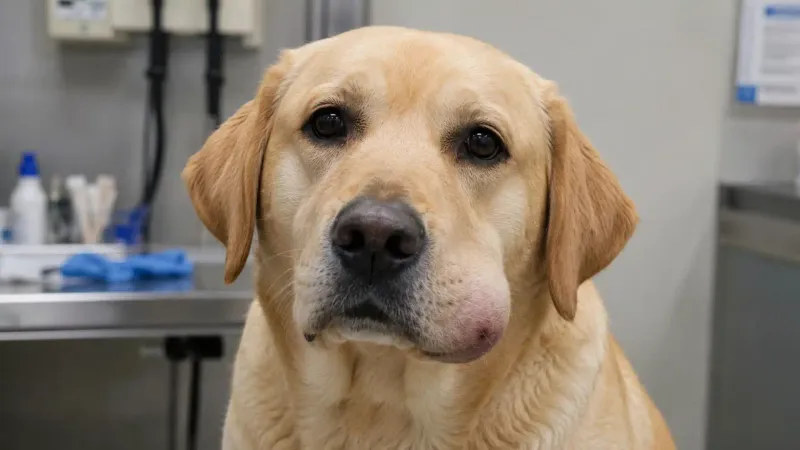
Some signs mean you should leave for an emergency clinic right away. Go if your dog has trouble breathing, major swelling of the face or neck, hives, vomiting, weakness, collapse, disorientation, or seizures.
Do not wait to see whether these get worse, and call ahead so the team can prepare for you.
These are warning signs after insect stings in general. PDSA guidance on insect stings in dogs treats this kind of reaction as urgent, whatever the exact insect.
Here is the fire-ant-specific part. The MSD Veterinary Manual says fire-ant anaphylaxis has not been reported in companion animals.
So these signs do not mean severe allergic shock is common in dogs after fire ants. They mean something is wrong enough that a veterinarian needs to see your dog now.
A practical clue: a bit of redness or a few itchy bumps is one thing, but a puffy muzzle, a dog that will not stand, or a dog that seems confused is another. If you are standing in the yard wondering whether it is bad enough, that doubt is a good reason to phone a clinic.
Drive safely, and have someone else drive if you can so you can watch your dog’s breathing.
Several stings warrant a call, not a guessed cutoff
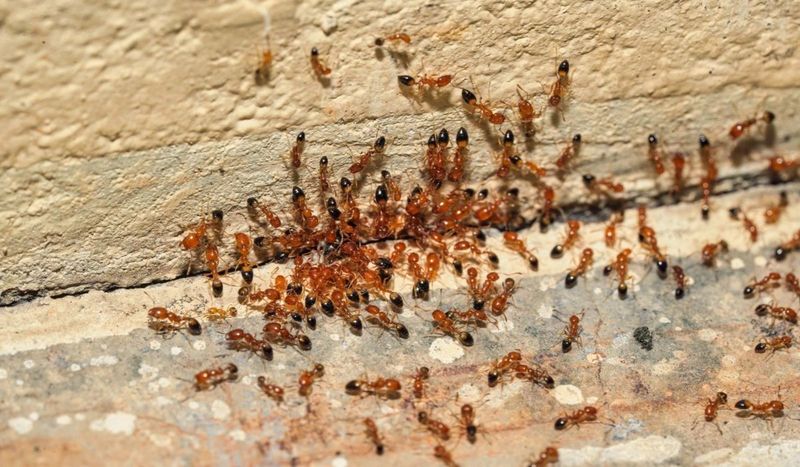
Picture a dog that sprinted through the mound and came out covered in ants. Even if it looks fine ten minutes later, phone your veterinarian after a swarm or multiple stings.
Do this before emergency signs appear, not only after.
You may wonder how many stings count as too many. No reliable number exists.
The sources do not give a sting-count threshold that separates a mild exposure from a dangerous one, so a guessed cutoff would only give false comfort. The vet will weigh your dog’s symptoms and how much exposure happened.
Here is the context. The MSD Veterinary Manual says severe animal cases likely involve multiple stings, and that multiple stings can cause a more serious whole-body reaction needing supportive care.
It also says most ant envenomation resolves without treatment.
That second point is reassuring, but it should not talk you out of calling after heavy exposure. PetMD also advises contacting a veterinarian, especially after a swarm or many stings.
When you call, say where the stings are, how long your dog was in the mound, and how your dog is acting. Small details, like a dog that is quieter than usual, can help the vet decide whether to bring your dog in.
A cool compress may ease a mild local reaction
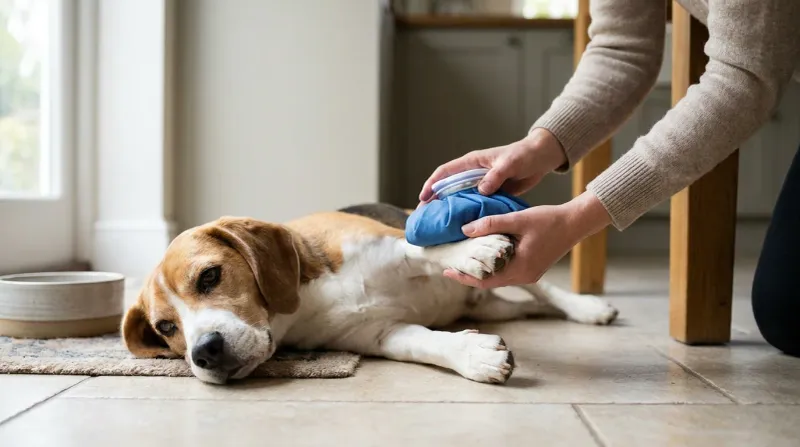
If your dog shows no emergency signs and only has a few sore, swollen spots, a cool compress is a reasonable comfort measure. Wrap a cold pack in a thin cloth, or use a cool damp cloth, and hold it gently on the area for short stretches.
Never put ice directly on the skin.
This idea comes from general first-aid advice for minor injuries, not from fire-ant research. The MSD Veterinary Manual’s minor injuries guidance notes that a cold pack or cool cloth may help reduce swelling and discomfort.
Watch your dog closely afterward. The same general guidance warns that allergic reactions to insect stings can be delayed for hours, so a dog that looks fine at lunch may look different by evening.
Check the gums, the face, and the breathing every so often, and keep your dog nearby.
Remember the limits. A compress is for mild, local symptoms only.
It does not replace a call to your vet after extensive exposure, and if swelling spreads or your dog starts acting off, stop and get veterinary help.
Skip unapproved medicines and treat bait exposure separately
Your medicine cabinet is not the answer here, at least not on your own. Before giving diphenhydramine or any other human medication, ask a veterinarian whether it is appropriate for your dog and what dose to use.
VCA Animal Hospitals advises confirming the medication and dose with a vet first, and some products contain ingredients that are unsafe for dogs.
Household remedies deserve the same caution. Baking soda paste, vinegar, and similar kitchen items are unproven for fire-ant stings.
PDSA’s general advice does not show a fire-ant-specific benefit, so none of them should be treated as a venom antidote or a substitute for removing ants and getting veterinary guidance.
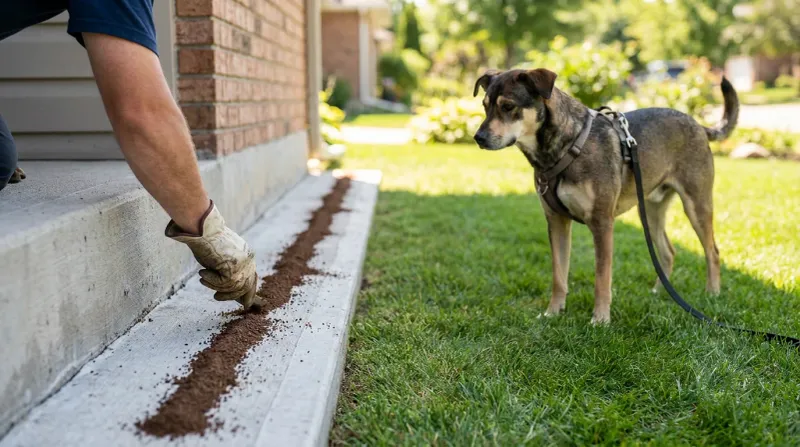
Now a separate question: did your dog only get stung, or could it have touched or eaten something? Fire-ant bait and insecticide are pesticides, and exposure to them is a different problem from stings.
Look around the mound for granules, spray residue, or product containers.
If you suspect pesticide contact or ingestion, call your veterinarian or an animal poison-control service such as Pet Poison Helpline. Keep the product label handy so you can read out the name and ingredients.
Fire ants are a practical concern across North Carolina
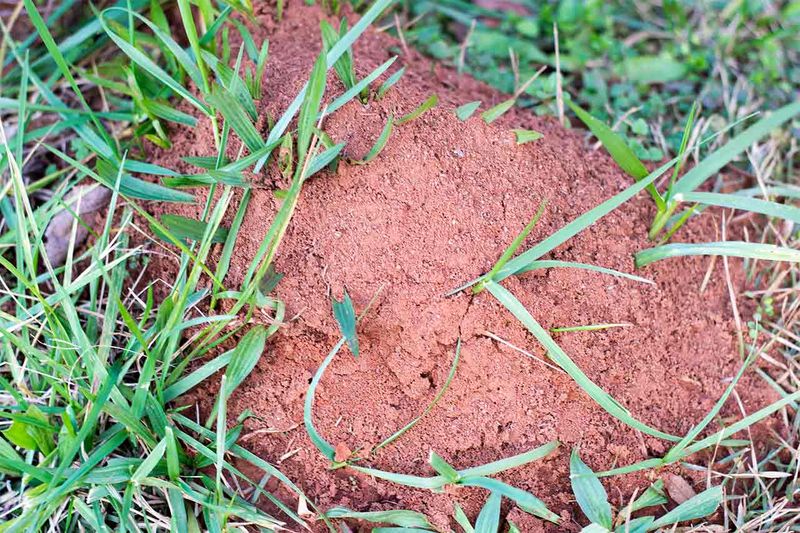
This is a local problem. The North Carolina Department of Agriculture and Consumer Services reports that portions or all of 81 of the state’s 100 counties are generally infested with one or more imported fire-ant species.
So the plan is worth remembering: move away, remove the ants, check the paws, face, and ears, and get veterinary help when the exposure or symptoms call for it.
A mound is easy to miss until your dog is already in it, and speed is your best tool.
Share this story