Get the latest garden guides in your inbox →
Gardening Latest
  • General Gardening
  • Lawn Care
  • Plant Care
  • Composting
  • Soil Health
  • Backyard
  • Garden Muse Magazine
  • General Gardening
  • Lawn Care
  • Plant Care
  • Composting
  • Soil Health
  • Backyard
  • Garden Muse Magazine
  • News
  • Gardening Calendar
  • Garden Structures
  • Vegetable Garden
  • Vertical Garden
  • Raised Beds
  • Hydroponics
  • General Equipment
  • Community Gardens
Garden Themes
  • Spiritual Garden
  • Hydroseeding
  • Seeding and Laying Sod
  • Artificial Grass
  • Lawn Care Equipment
  • Plants
  • Trees
  • Planting Tools
  • Composting Basics
  • Fertilizer
  • Alternative Growing Mediums
  • Front Yard
  • Backyard Activities
  • Landscaping
Gardening Latest

Explore by state

Which state is your garden in?

Currently viewing Missouri

All states

Northeast

  • Connecticut —
  • Delaware 27
  • Maine —
  • Maryland 13
  • Massachusetts 29
  • New Hampshire —
  • New Jersey 13
  • New York 22
  • Pennsylvania 22
  • Rhode Island —
  • Vermont —

Southeast

  • Alabama 13
  • Arkansas —
  • Florida 13
  • Georgia 13
  • Kentucky 27
  • Louisiana 12
  • Mississippi —
  • North Carolina 11
  • South Carolina 26
  • Tennessee 10
  • Virginia 12
  • West Virginia —

Midwest

  • Illinois 12
  • Indiana 14
  • Iowa 26
  • Kansas —
  • Michigan 13
  • Minnesota 12
  • Missouri 12
  • Nebraska —
  • North Dakota —
  • Ohio 13
  • South Dakota —
  • Wisconsin 28

Southwest

  • Arizona 13
  • Colorado —
  • Nevada —
  • New Mexico —
  • Oklahoma —
  • Texas 12
  • Utah —

West

  • Alaska —
  • California 12
  • Hawaii —
  • Idaho —
  • Montana —
  • Oregon —
  • Washington —
  • Wyoming —

No state matches that search.

Site menu

Gardening Latest
  • General Gardening
    • News
    • Gardening Calendar
    • Garden Structures
    • Vegetable Garden
    • Vertical Garden
    • Raised Beds
    • Hydroponics
    • General Equipment
    • Community Gardens
    Garden Themes
    • Spiritual Garden
  • Lawn Care
    • Hydroseeding
    • Seeding and Laying Sod
    • Artificial Grass
    • Lawn Care Equipment
  • Plant Care
    • Plants
    • Trees
    • Planting Tools
  • Composting
    • Composting Basics
  • Soil Health
    • Fertilizer
    • Alternative Growing Mediums
  • Backyard
    • Front Yard
    • Backyard Activities
    • Landscaping
  • Garden Muse Magazine

Explore

  • About GardeningLatest.com
  • Contact Us

Get the latest from the garden

New guides on lawn care, plants and backyard projects, sent when they go up.

Subscribe →

Follow

  • Facebook
  • X
  • Pinterest
  • YouTube
Missouri Gardening

Missouri Yuccas Send Up Those Giant Flower Stalks for a Reason, So Should You Cut Them Off?

Yuccas send up those tall flower stalks to make flowers and, sometimes, seed capsules, and you can cut the stalk…

CR

By Clayton Reeves

November 24, 2026 · 6 min read

Missouri Yuccas Send Up Those Giant Flower Stalks for a Reason, So Should You Cut Them Off?

Yuccas send up those tall flower stalks to make flowers and, sometimes, seed capsules, and you can cut the stalk off afterward if you like, but you do not have to. The plant will be fine either way.

Whether to cut it comes down to how you want your garden to look and what you want to happen with the seeds. Here is how to decide.

At a glance

Where
Missouri Gardening
Hardiness zone
6 −10 to 0°F
Read
6 minutes
Published
November 24, 2026

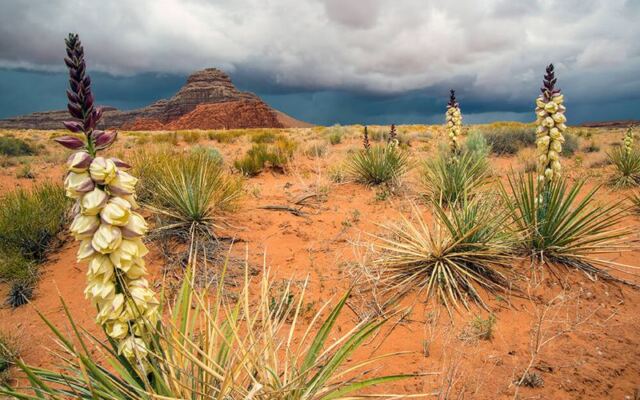
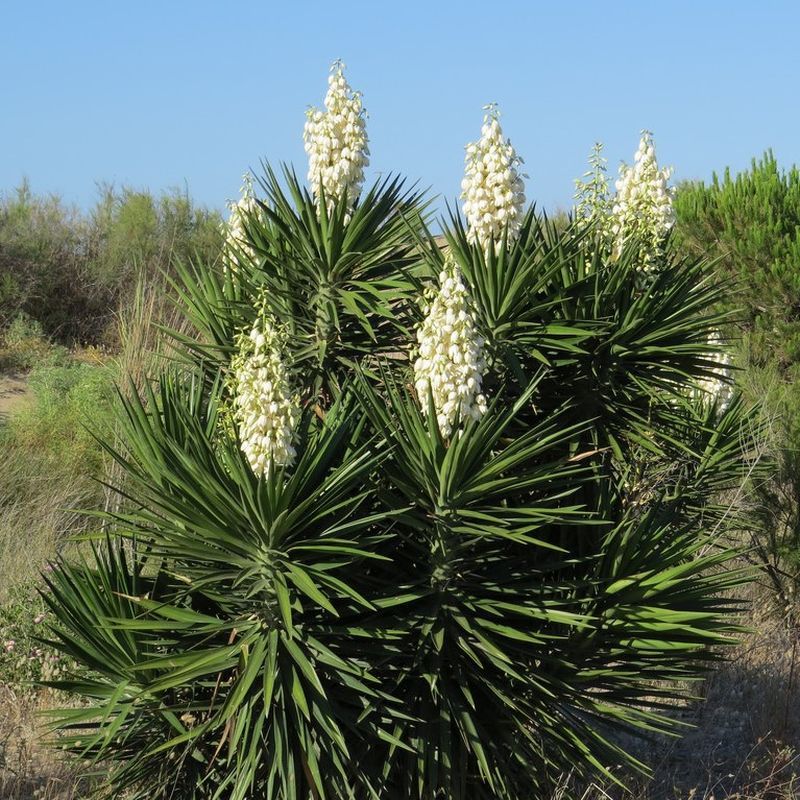
Missouri has more than one kind of yucca
Missouri has more than one kind of yucca
© Star Nursery

Ask ten Missouri gardeners about their yucca and you may get several different plants. The one most people see in yards and along roadsides is Spanish bayonet, which the Missouri Department of Conservation identifies as introduced from the Southwest.

Missouri also has two native yuccas, both called soapweeds. They are much less common, and the Department of Conservation lists both as species of conservation concern.

So a yucca in a Missouri yard is not automatically a Missouri native.

This matters because details learned about one yucca may not fit another. When you read advice about flower stalks, moths, or seeds, keep in mind which species the advice describes.

If you are unsure what you are growing, comparing your plant with a field guide entry is a good first step before you decide what to do with its stalk.

Flowers and capsules carry the plant’s next generation
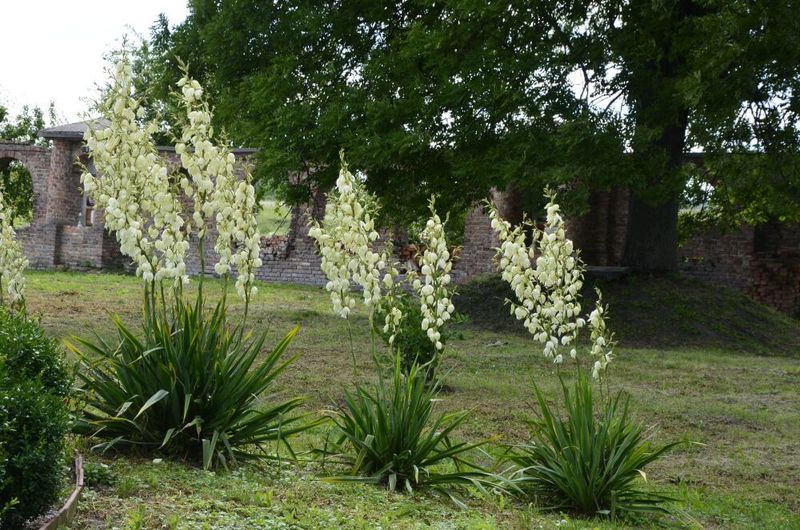
Flowers and capsules carry the plant’s next generation
© Direct Native Plants

A yucca stalk is the plant’s way of showing off its reproductive parts. It carries clusters of bell-shaped flowers, and once flowers are pollinated they can develop into capsules that hold seeds.

The Missouri Department of Conservation describes this flower and fruit structure for Missouri yuccas.

You can remove the stalk right after flowering, at the end of the growing season, or after you have enjoyed the seed capsules.

For Yucca filamentosa, a plant often grown in gardens, North Carolina State Extension describes a special partnership with yucca moths. The moths pollinate the flowers, and their larvae feed on some of the seeds as the fruits develop.

Other seeds are left alone and can remain viable.

That story belongs to the species the source covers. It does not show that every yucca in Missouri has the same moth relationship, so treat it as one well-described example rather than a rule for all yuccas.

Also remember that flowers do not always turn into full capsules. Weather, timing, and pollination all play a part, so a stalk may produce plenty of seed pods one year and few the next.

Removing a spent stalk is optional
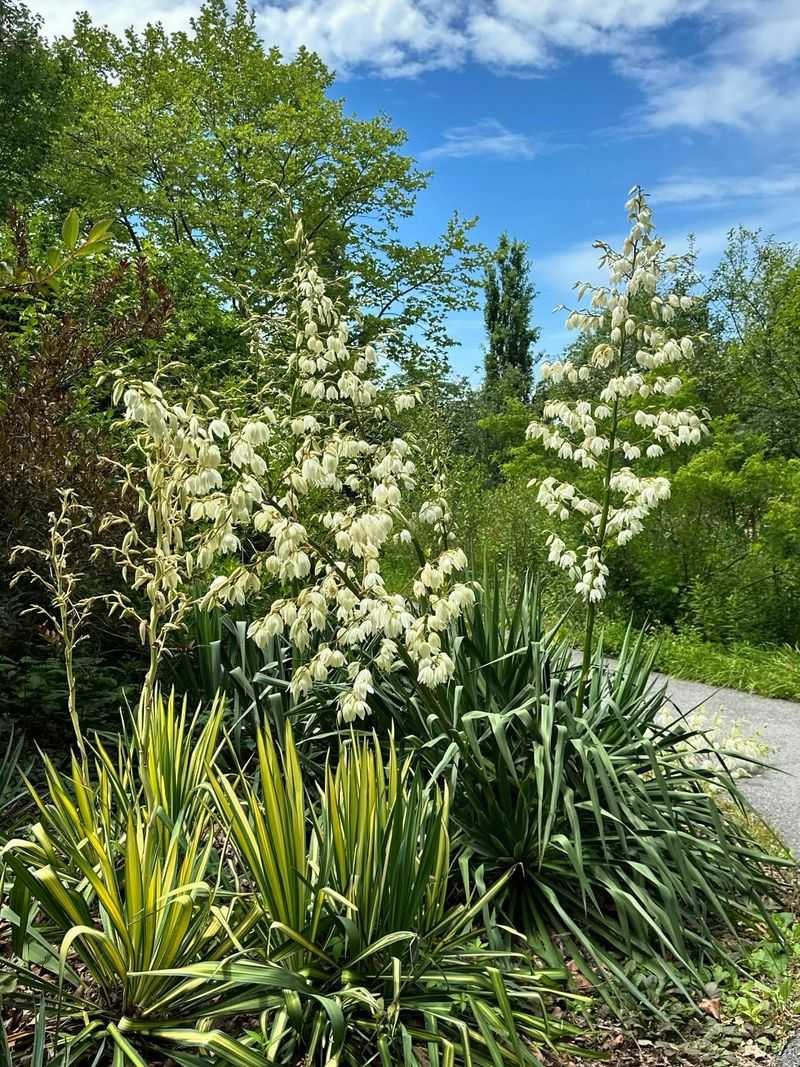
Removing a spent stalk is optional
© johnsendesign

You do not have to remove a spent stalk to keep your yucca alive. Guidance from University of Illinois Extension treats cutting as a choice, and a Virginia Cooperative Extension publication frames it the same way.

People cut stalks mainly for looks or cleanup.

Nothing in those sources says that cutting makes a yucca bloom more, or that you must cut to protect the plant. A brown stalk is simply finished with its job.

The idea that cutting is required may come from agaves. Many agaves flower once and then die, so people sometimes assume yuccas do the same.

Yuccas are different. According to the Arizona-Sonora Desert Museum, most yuccas flower more than once during their lives.

Notice the word most. Flowering habits vary from species to species, so there is no single pattern that fits every yucca.

The safe takeaway is that a spent stalk is not a warning sign, and your yucca will keep growing whether you trim it today, next month, or not at all.

Leaving a stalk preserves a possibility, not a guarantee
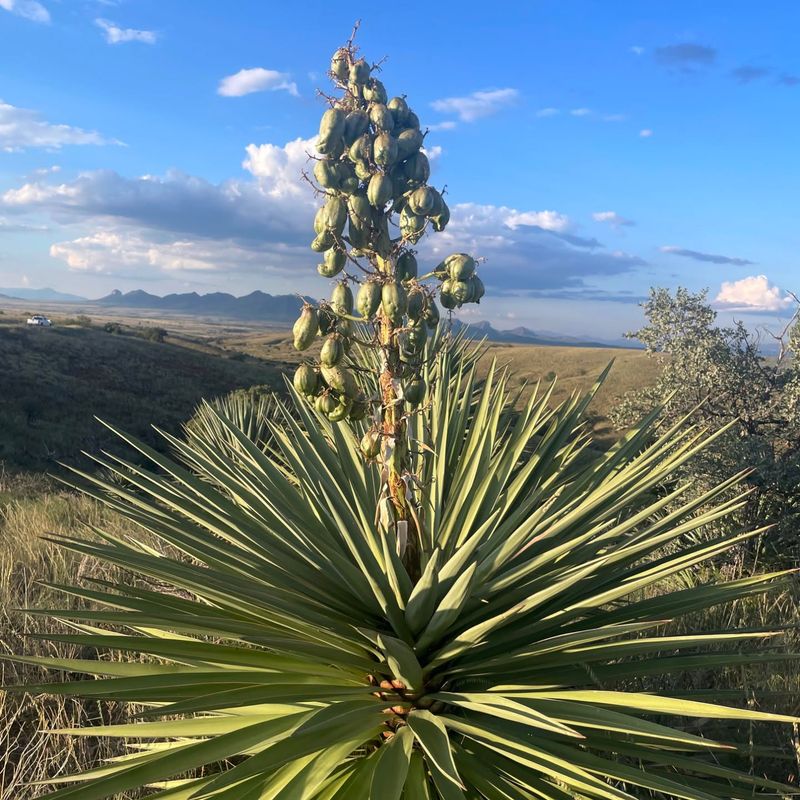
Leaving a stalk preserves a possibility, not a guarantee
© ancientpottery

Keeping a stalk in place lets any developing fruits carry on maturing. For Yucca filamentosa, North Carolina State Extension places the moth interaction during flowering and fruit development.

If larvae are already inside, leaving the stalk may preserve them.

Leaving a stalk does not attract moths or start the relationship. Moths either visited the flowers or they did not, and a standing stalk cannot change that afterward.

Seeds are a possibility, too. University of Nevada, Reno Extension advises waiting until seeds mature or disperse before pruning if seeds or wildlife value matter to you.

The Lady Bird Johnson Wildflower Center suggests leaving one or two stalks in the garden for the yucca-moth relationship.

A practical middle path is to leave a stalk or two and cut the rest. That is a gardener’s compromise, not a rule for every yard.

Choose when to cut based on what you want
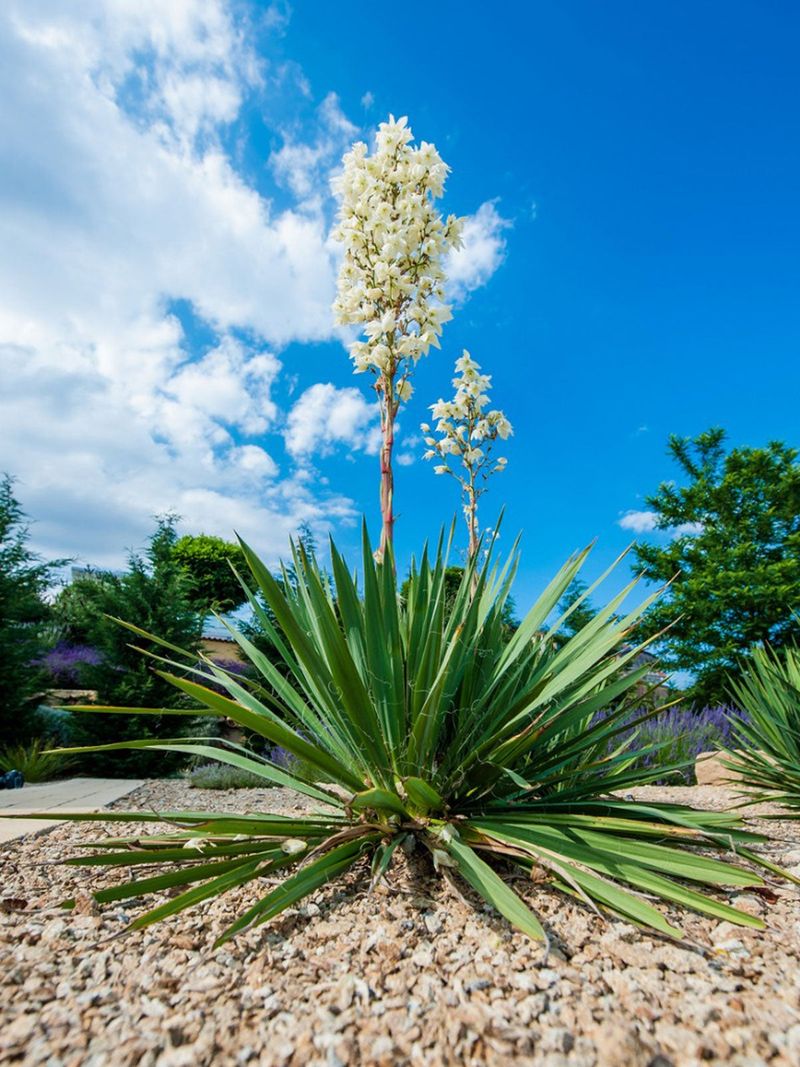
Choose when to cut based on what you want
© Gardening Know How

Extension advice leaves the timing open. You can remove the stalk right after flowering, at the end of the growing season, or after you have enjoyed the seed capsules.

University of Illinois Extension notes that the stalk and pods can even stay for winter interest.

If you want to limit mature seeds or their spread, cut before the capsules mature. Cutting early gives seeds less chance to ripen and scatter.

Timing has limits, though. Pollination may already be underway by the time the petals drop, so a cut after pollination may not stop seeds from forming.

If capsules have started swelling, cutting will not undo them.

If you would like seeds to mature or disperse, wait, as University of Nevada, Reno Extension advises. Waiting is a separate matter from the moth story, which North Carolina State Extension ties to flowering and fruit development.

Cut the stalk rather than pulling it
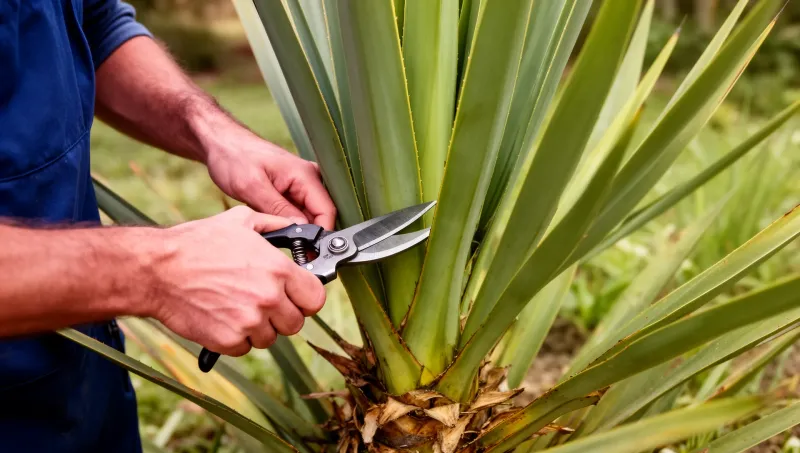
Cut the stalk rather than pulling it
© Blooming Expert

When you are ready, use pruners or loppers and cut the stalk near the spot where it comes out of the foliage. University of Illinois Extension describes the stalk as woody and recommends cutting it instead of pulling.

Yanking at it can tug on the plant and is not a good way to remove it.

Mind the leaves. Yucca leaves end in sharp points, which the Missouri Department of Conservation notes in its description of Spanish bayonet.

Wear sturdy gloves and eye protection, and long sleeves help too.

A Virginia Cooperative Extension publication also describes yuccas as having stiff, pointed foliage, so careful handling makes sense.

Tall stalks can topple when cut, so check where it will fall first. Remember this is a cleanup job, not a rescue.

The yucca does not need the cut to stay healthy.

Make the choice that fits your garden
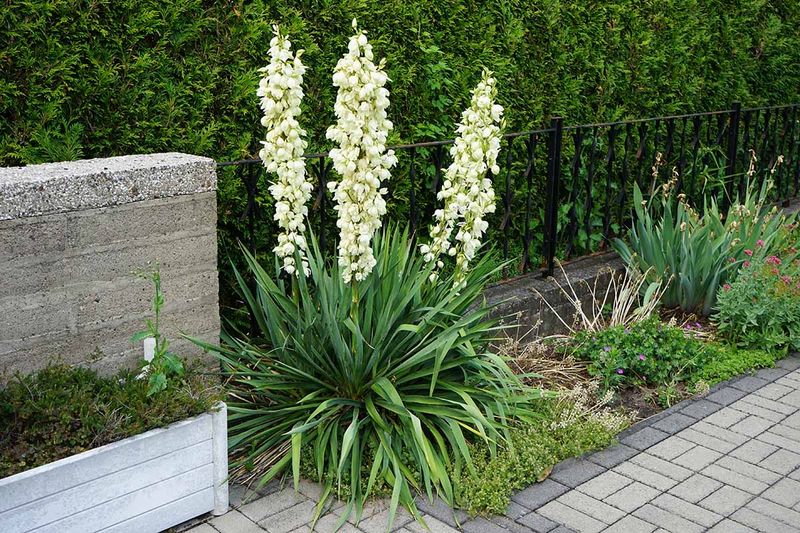
Make the choice that fits your garden
© Gardener’s Path

Here is a simple rule. Leave the stalk if you want to watch capsules develop or let seeds mature.

Cut it if you prefer a neater look or want to limit mature seeds and their spread.

Cutting is optional either way, and a cut after flowering may not stop seeds already forming. As University of Nevada, Reno Extension suggests for seed value, waiting is fine, and University of Illinois Extension gives you room on timing.

You can also leave some stalks and remove others.

A yucca will happily keep its sword-leaved shape whichever way you go.

Share this story
CR

Written by

Clayton Reeves

More from Clayton Reeves →

About Gardening Latest

Gardening Latest provides in-depth guides to maintaining and enhancing your garden and backyard. Learn how to make the most of the space you have and create a beautiful garden.

More about us →

Latest stories

  • Arizona GardeningWhat It Means When Harvester Ant Mounds Suddenly Pop Up in Your Arizona Yard

    What It Means When Harvester Ant Mounds Suddenly Pop Up in Your Arizona Yard

    7 min ago
  • Texas GardeningHere’s What All That Coyote Howling Outside Your Texas Home After Dark Really Means This Time of Year

    Here’s What All That Coyote Howling Outside Your Texas Home After Dark Really Means This Time of Year

    12 min ago
  • Wisconsin GardeningFall Cleanup Left You With an Io Moth Caterpillar Sting in Wisconsin? Here’s What Helps Right Away

    Fall Cleanup Left You With an Io Moth Caterpillar Sting in Wisconsin? Here’s What Helps Right Away

    23 min ago
  • Tennessee GardeningTennessee Law Lets You Trim a Neighbor’s Overhanging Branches, as Long as You Stop at the Property Line

    Tennessee Law Lets You Trim a Neighbor’s Overhanging Branches, as Long as You Stop at the Property Line

    35 min ago
  • Alabama GardeningFall Brings Alabama’s Venomous Yard Critters Out Into The Open, Right Where You Garden

    Fall Brings Alabama’s Venomous Yard Critters Out Into The Open, Right Where You Garden

    41 min ago

Gardening by state

Stories for your state, and the hardiness zone most of it gardens in.

Keep exploring

Read next

All Missouri Gardening →
Missouri GardeningHere’s Who Actually Pays When Storm Winds Drop Your Neighbor’s Tree in Your Missouri Yard
Missouri Gardening

Here’s Who Actually Pays When Storm Winds Drop Your Neighbor’s Tree in Your Missouri Yard

3 hr ago
Missouri GardeningMissouri’s Venomous Critters Hide Closer Than You Think, And Fall Draws Them Into Yards
Missouri Gardening

Missouri’s Venomous Critters Hide Closer Than You Think, And Fall Draws Them Into Yards

18 hr ago
Missouri GardeningThere’s a Real Reason That Red Fox Keeps Crossing Your Missouri Yard This Winter
Missouri Gardening

There’s a Real Reason That Red Fox Keeps Crossing Your Missouri Yard This Winter

21 hr ago

More from Missouri Gardening

  • Missouri Yards Have Their Share Of Venomous Creatures, And Here’s How To Spot Each One

    Nov 22
  • Silky Webs in Missouri Trees Are Often Fall Webworm Colonies, But Not Every Web Is Active

    Nov 22
Back to top

Leave a response Cancel

Your email address stays private. Required fields are marked with an asterisk.

Gardening Latest

In-depth guides to maintaining and enhancing your garden and backyard: how to make the most of the space you have, and how to make it beautiful.

  • Facebook
  • X
  • Pinterest
  • YouTube

We may earn a portion of sales from products or services that are purchased through our site as part of our affiliate partnerships with retailers.

Explore

  • About GardeningLatest.com
  • Contact Us
  • Terms and Conditions
  • Privacy
  • Editorial Note:
  • FTC Disclosure

Newsletter

New garden guides and seasonal tips, straight to your inbox.

We’ll email you a link to confirm. Unsubscribe any time.

Almost there! Check your inbox and tap the link to confirm.

© 2026 Gardening Latest. All rights reserved.

Back to top