Jumping worms can turn the top layer of garden soil into something that looks like coarse coffee grounds. These invasive worms have been found in Georgia, so the look of your soil may be worth a closer check.
Gardeners who are about to move plants, mulch, or compost can catch problems early by knowing the clues. Here is what to look for, what is still unknown, and what to do next.
Georgia records show where worms have been found
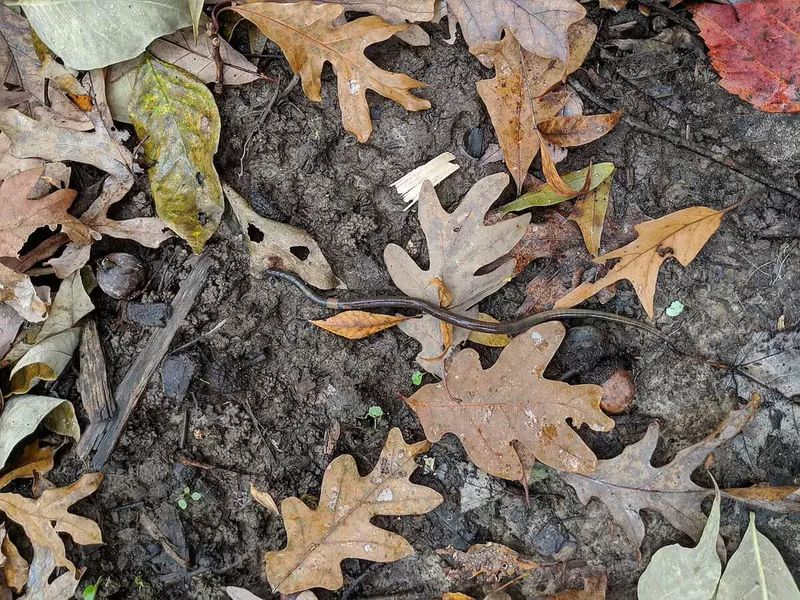
Jumping-ague worm species are documented in Georgia. A 2024 Georgia earthworm survey lists Amynthas agrestis in several counties, A. tokioensis in Harris, Henry, and Murray counties, and Metaphire hilgendorfi in Clarke County.
The Georgia Invasive Species Council also tracks invasive invertebrates in the state.
Those records show that the worms have turned up in places where people looked. They do not tell us how common the worms are in home gardens, how much garden soil they have changed, or how fast they are spreading.
The survey authors say incomplete sampling keeps them from drawing firm conclusions about range expansion.
So the picture is real but patchy. A county that is not on the list may simply not have been sampled, and a county that is listed does not mean every yard there is affected.
That is why a coffee-ground look in your beds is a reason to investigate, not proof of a statewide problem. Dark, crumbly, loose soil can come from other causes, including compost, fertilizer, or other worms.
Treat the texture as a prompt to look closer, take photos, and check what is living in the top few inches before you move anything around your yard.
Why castings can resemble coffee grounds
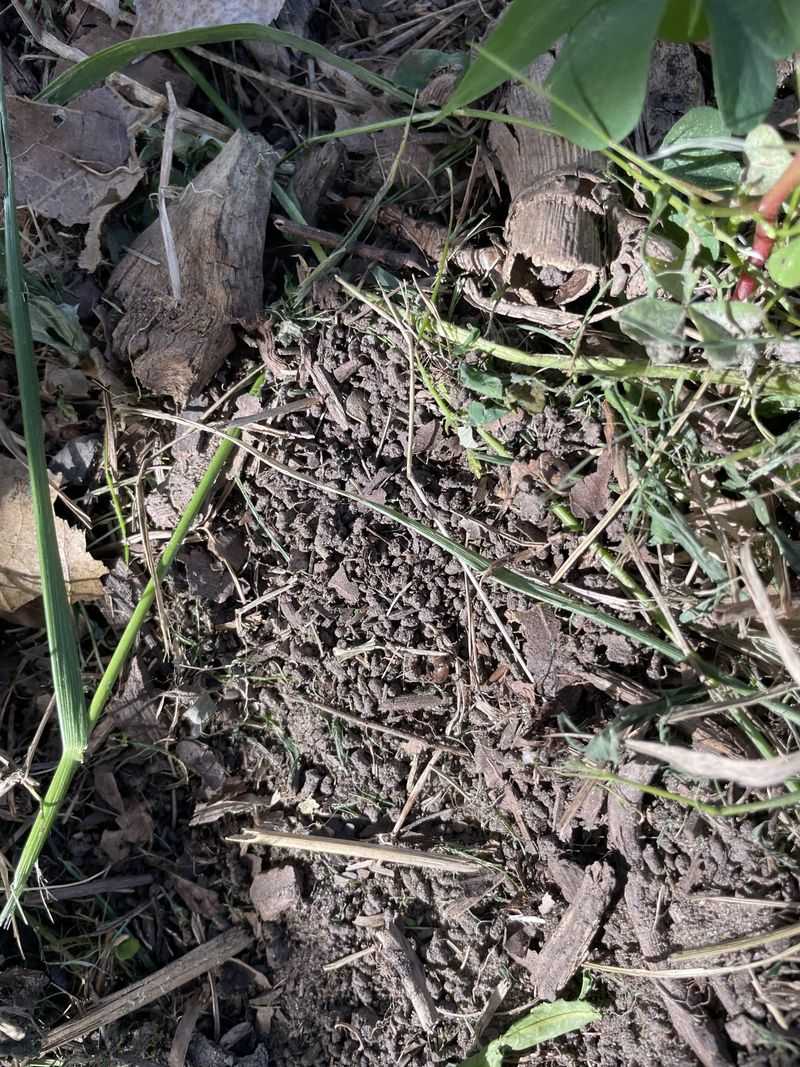
Picture a bed where the top layer has gone loose, dark, and crumbly, almost like spent coffee. Several non-native species are lumped under the name jumping worms, and they feed near the surface and leave granular castings, according to University of Maryland Extension and NC State Extension.
Those castings pile up and can give the surface that coarse look.
Researchers are concerned about changes to surface soil and forest floors where these worms settle. Still, the details are not settled.
A U.S. Forest Service review describes open questions about effects on nutrients, microbes, plants, and other organisms, including contrasting results between lab and field studies.
In plain terms, outcomes vary with the species, the habitat, and the study. A garden with jumping worms may look very different from a woodland with them.
Texture alone cannot name the cause. Some compost, rich potting mix, or other worm castings can look similar.
Use the look as a clue, then confirm what is actually in the soil.
Thrashing is a clue, not an identification
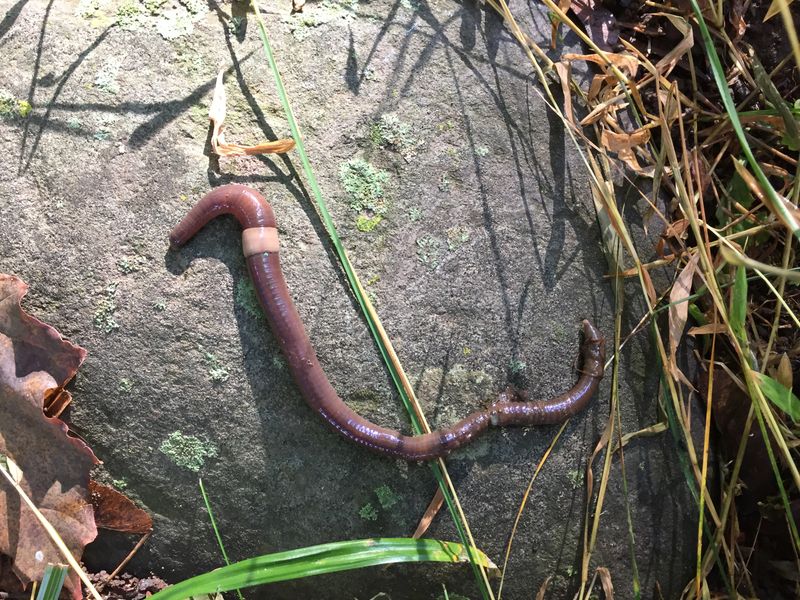
A worm that flips and wriggles like a snake gets attention fast. Wild thrashing is a handy clue, but it cannot confirm the species.
Other worms can move erratically when disturbed, and UConn Extension notes that earthworms can be hard for non-experts to identify.
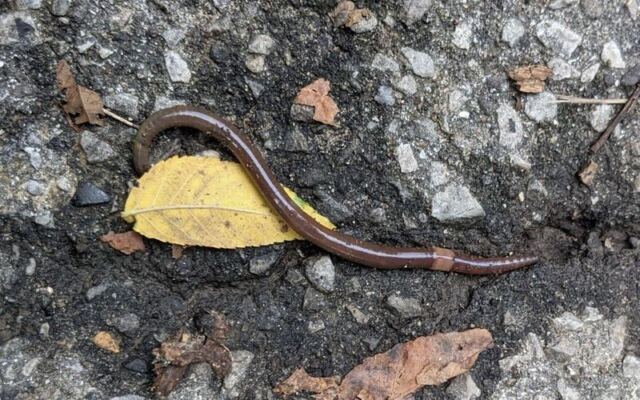
Better clues show up in mature worms. Look for a pale, smooth band that fully encircles the body and sits fairly close to the head.
NC State Extension also points to a smooth body that is often shiny.
Remember that the common name covers several similar-looking non-native species, so you are not looking for just one animal. Young worms may lack the band, which makes a single look unreliable.
If you find a suspect, take clear photos from above and from the side, with the band visible and something for scale. Then ask an Extension office or another expert to look.
Movement and appearance together make a good lead, not a verdict.
Spring checks cannot rule out cocoons
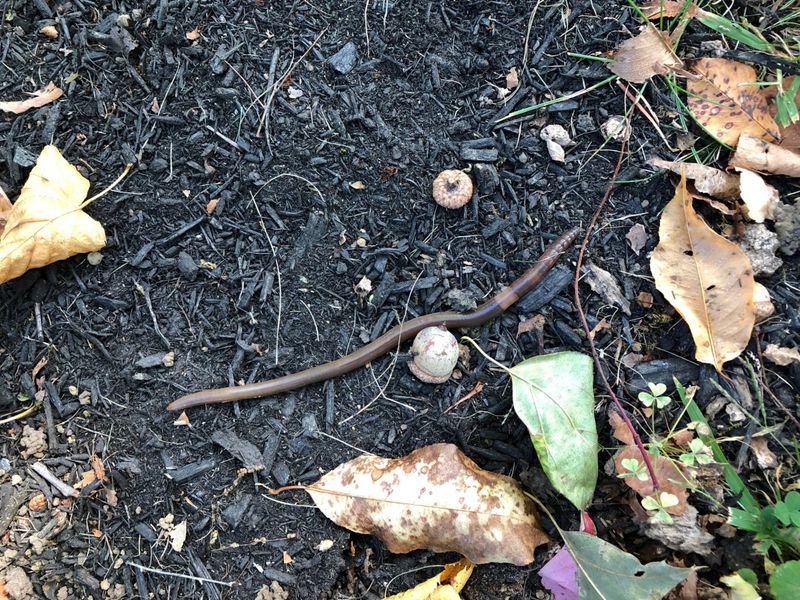
Jumping worms live on a yearly clock. Adults die after frost, but tiny cocoons survive the winter and hatch as the soil warms, as described by University of Minnesota Extension.
By early spring, the adults you might recognize are gone.
Mature worms are easier to identify from June through late summer, according to University of Maryland Extension. That makes summer the better season for putting a name to a suspect worm.
The cocoons are the tricky part. They resemble soil particles, so a clean-looking surface or a negative spring check cannot show that a bed is worm-free.
Spring still has a job. It is a good moment to inspect the plants, soil, and mulch you plan to move or bring in.
Just treat a clear result as a reason for ordinary caution, not a certificate. Keep an eye on the same beds again once summer arrives.
Inspect plants and materials before moving them
Start with a slow look at the places jumping worms like to feed. Pull back leaf litter and mulch, then scan the top layer of soil for castings and worms.
Do the same with potted plants and bags or piles of soil amendments before they enter your garden.
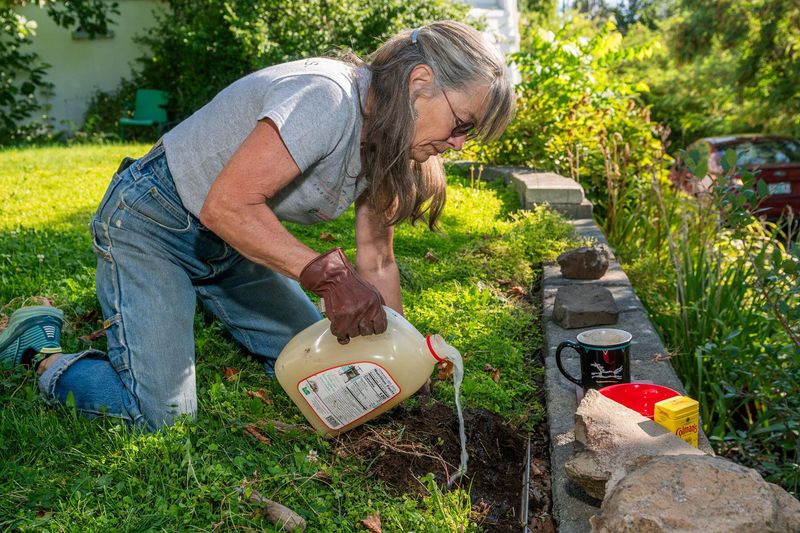
One way to bring worms to the surface is a mustard-water pour. University of Maryland Extension describes mixing mustard powder with water and pouring it over a patch of soil.
Earthworms rise so you can inspect them.
The pour is a viewing tool. It draws up other earthworms too, and it does not kill them or single out jumping worms.
Rinse the area with plain water afterward and look closely at what surfaced.
Keep the scope realistic. This kind of check shows worms that are present near the surface.
It will not expose hidden cocoons, so a quiet result in spring is not a guarantee. Photograph anything suspicious and set the plant or material aside until you know more.
Keep suspect soil from hitching a ride
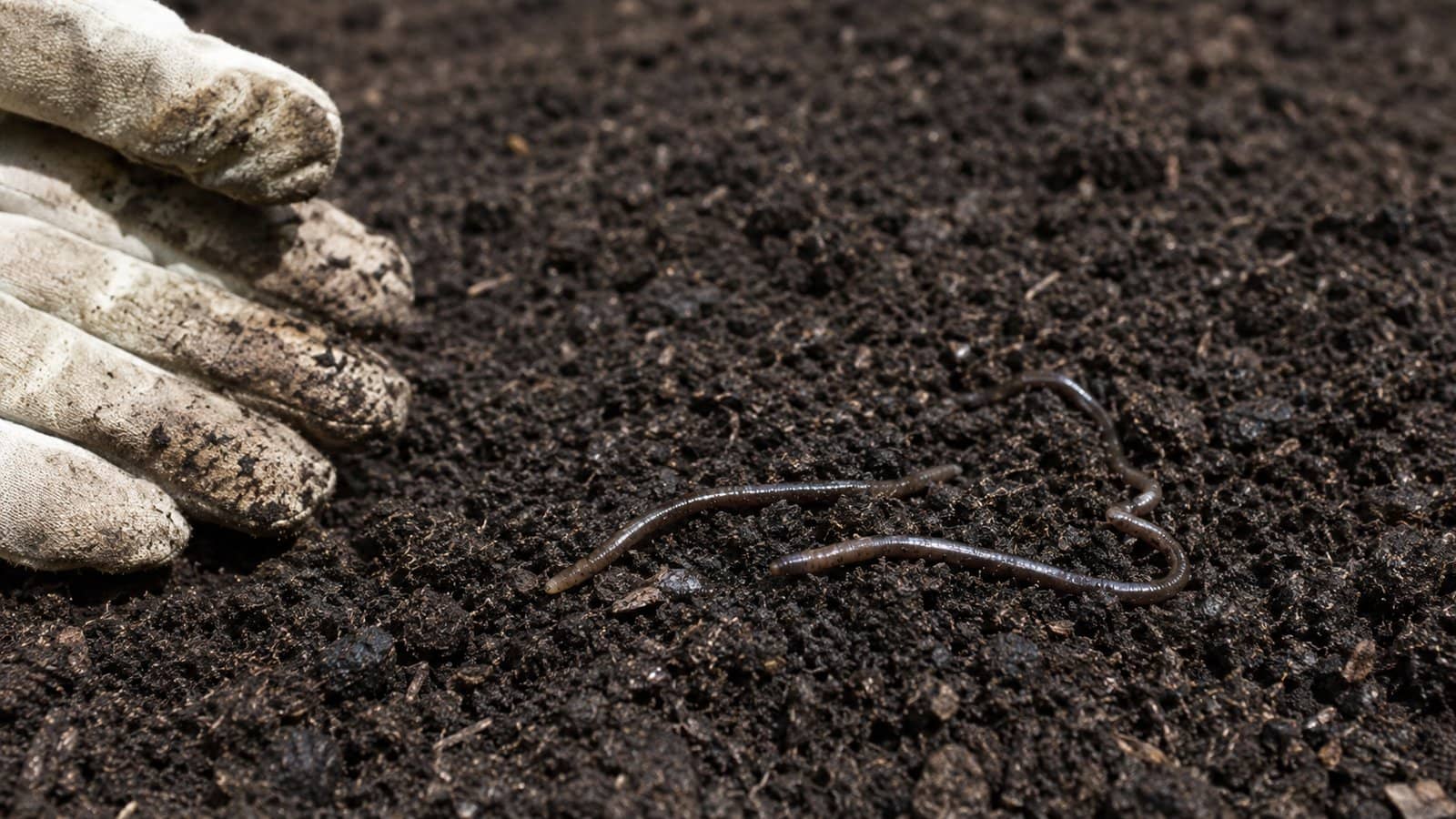
Soil is how these worms travel. Tiny cocoons can ride along in potted plants, mulch, compost, and soil stuck to boots and tools, as noted by the Minnesota Department of Natural Resources.
A few simple habits cut down the chances.
Choose bare-root plants when that is practical, since there is no soil to carry hitchhikers. Inspect any potted plants and amendments you do buy, and hold back suspect soil, mulch, compost, or plants rather than sharing them with neighbors or moving them across your yard.
Brush soil off shoes, shovels, and wheelbarrows before heading to a new bed. A stiff brush at the edge of a suspect area takes seconds and keeps clumps from traveling.
These steps lower the odds of spreading worms, but they cannot prove your garden is free of cocoons. Think of them as good housekeeping, similar to Extension advice on avoiding the movement of soil, and keep watching your beds through summer.
Document a find and ask for help
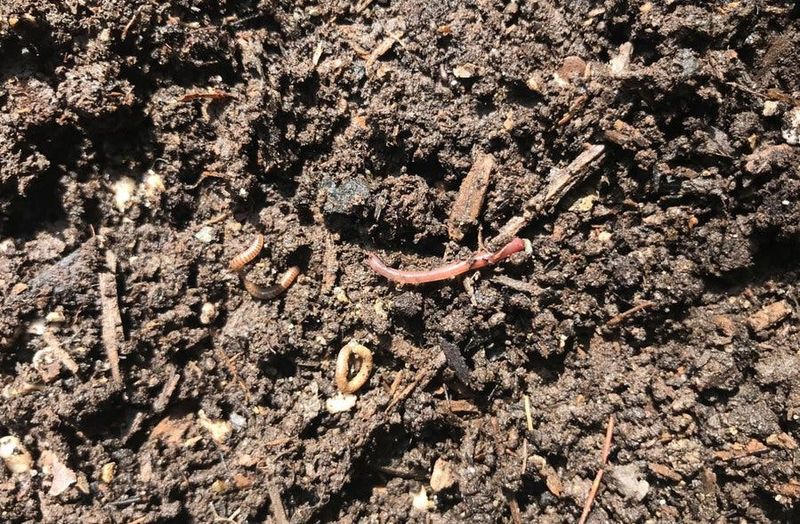
If you find a worm that fits the clues, take photos before you do anything else. Show the pale band, the body, and the soil around it.
Then contact your county Extension office or submit a report through Georgia’s invasive-species reporting portal.
Worms you find can be hand-picked and sealed in household trash. That is a practical step, but it is not eradication.
University of Minnesota Extension notes it does not remove tiny cocoons from soil.
You may be tempted to reach for a quick fix. Extension sources report no established chemical treatment, so skip unlabelled pesticides, salt, vinegar, and other home remedies.
They are unsupported and can harm your soil and plants.
A photo, a report, and careful handling of what you find do more good than guesswork. The worms are small, but a well-timed question to the right person can keep a quiet problem from moving next door.
Share this story