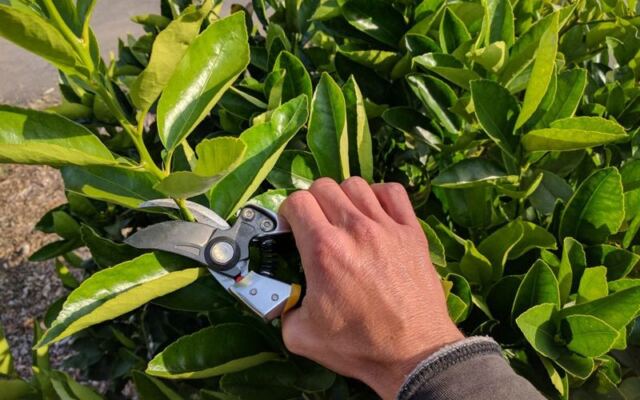
Get the latest garden guides in your inbox →
Gardening Latest
  • General Gardening
  • Lawn Care
  • Plant Care
  • Composting
  • Soil Health
  • Backyard
  • Garden Muse Magazine
  • General Gardening
  • Lawn Care
  • Plant Care
  • Composting
  • Soil Health
  • Backyard
  • Garden Muse Magazine
  • News
  • Gardening Calendar
  • Garden Structures
  • Vegetable Garden
  • Vertical Garden
  • Raised Beds
  • Hydroponics
  • General Equipment
  • Community Gardens
Garden Themes
  • Spiritual Garden
  • Hydroseeding
  • Seeding and Laying Sod
  • Artificial Grass
  • Lawn Care Equipment
  • Plants
  • Trees
  • Planting Tools
  • Composting Basics
  • Fertilizer
  • Alternative Growing Mediums
  • Front Yard
  • Backyard Activities
  • Landscaping
Gardening Latest

Explore by state

Which state is your garden in?

Currently viewing Arizona

All states

Northeast

  • Connecticut —
  • Delaware 28
  • Maine —
  • Maryland 14
  • Massachusetts 30
  • New Hampshire —
  • New Jersey 14
  • New York 23
  • Pennsylvania 24
  • Rhode Island —
  • Vermont —

Southeast

  • Alabama 14
  • Arkansas —
  • Florida 14
  • Georgia 15
  • Kentucky 28
  • Louisiana 13
  • Mississippi —
  • North Carolina 12
  • South Carolina 27
  • Tennessee 11
  • Virginia 13
  • West Virginia —

Midwest

  • Illinois 13
  • Indiana 16
  • Iowa 27
  • Kansas —
  • Michigan 14
  • Minnesota 13
  • Missouri 13
  • Nebraska —
  • North Dakota —
  • Ohio 14
  • South Dakota —
  • Wisconsin 29

Southwest

  • Arizona 14
  • Colorado —
  • Nevada —
  • New Mexico —
  • Oklahoma —
  • Texas 13
  • Utah —

West

  • Alaska —
  • California 13
  • Hawaii —
  • Idaho —
  • Montana —
  • Oregon —
  • Washington —
  • Wyoming —

No state matches that search.

Site menu

Gardening Latest
  • General Gardening
    • News
    • Gardening Calendar
    • Garden Structures
    • Vegetable Garden
    • Vertical Garden
    • Raised Beds
    • Hydroponics
    • General Equipment
    • Community Gardens
    Garden Themes
    • Spiritual Garden
  • Lawn Care
    • Hydroseeding
    • Seeding and Laying Sod
    • Artificial Grass
    • Lawn Care Equipment
  • Plant Care
    • Plants
    • Trees
    • Planting Tools
  • Composting
    • Composting Basics
  • Soil Health
    • Fertilizer
    • Alternative Growing Mediums
  • Backyard
    • Front Yard
    • Backyard Activities
    • Landscaping
  • Garden Muse Magazine

Explore

  • About GardeningLatest.com
  • Contact Us

Get the latest from the garden

New guides on lawn care, plants and backyard projects, sent when they go up.

Subscribe →

Follow

  • Facebook
  • X
  • Pinterest
  • YouTube
Arizona Gardening

Roof Rats Leave These Clues Around Arizona Citrus Trees Long Before They Get Inside

Your backyard orange tree might be feeding more than your family. Roof rats have spread across Phoenix, Tucson, and other…

EM

By Elena Marquez

November 25, 2026 · 5 min read

Roof Rats Leave These Clues Around Arizona Citrus Trees Long Before They Get Inside

Your backyard orange tree might be feeding more than your family. Roof rats have spread across Phoenix, Tucson, and other Arizona neighborhoods, and they love ripe citrus.

The good news is that they leave plenty of signs outside long before they move into your attic or walls. Learn to spot these clues early, and you can stop a small problem before it becomes a big, smelly one.

At a glance

Where
Arizona Gardening
Hardiness zone
9 20 to 30°F
Read
5 minutes
Published
November 25, 2026

1. Hollowed-Out Oranges Still Hanging on the Branch

Hollowed-Out Oranges Still Hanging on the Branch
© Reddit

Picture reaching for a plump navel orange and finding nothing inside but air. That empty shell is the classic calling card of a roof rat.

The rat chews a small round hole, usually about the size of a quarter, and scoops out the juicy pulp while leaving the peel attached to the branch.

Birds tend to peck messy, open wounds in fruit, and they often leave the flesh behind. Roof rats are much neater eaters.

They tidy up the inside like someone cleaning a bowl, which makes the hollow fruit look almost spooky.

Check the higher branches first, since roof rats are skilled climbers and feel safer up there. If you see several emptied oranges or grapefruits in one tree, rats have likely been visiting for a while.

2. Peels and Rinds Scattered Under the Canopy

Peels and Rinds Scattered Under the Canopy

Ever notice little curls of orange peel on the ground and blame the neighbor kids? Take a closer look.

Roof rats often drop chewed rind pieces and empty shells beneath the tree after a night of snacking.

These scraps usually have rough, gnawed edges instead of clean knife cuts. You might also find fallen fruit with the same tidy hole found on the branches.

Rake under your trees every few days and watch for new scraps. Fresh peels appearing again and again tell you the feeding is ongoing, not a one-time visit.

3. Small Spindle-Shaped Droppings
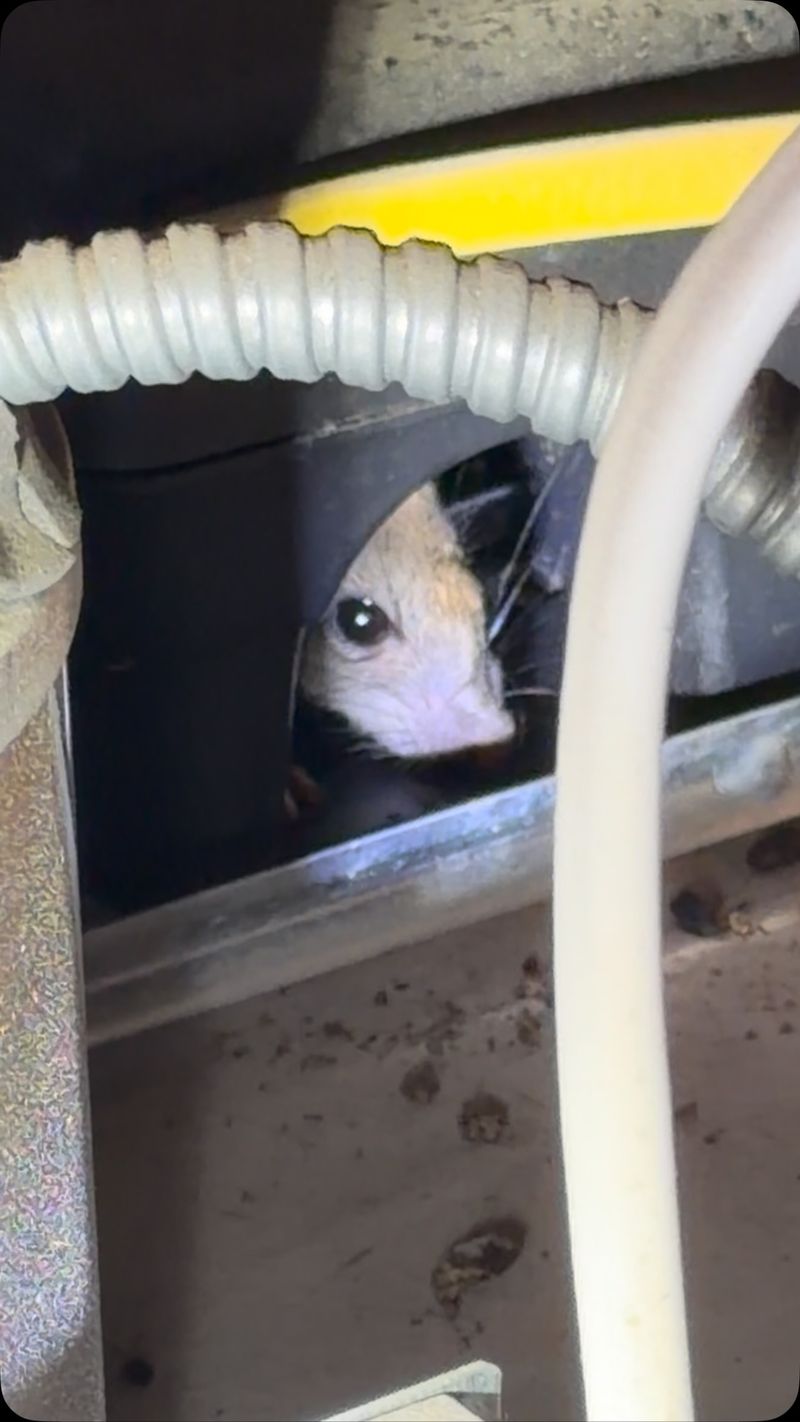
Small Spindle-Shaped Droppings
© critterevictors

Nobody enjoys inspecting poop, but it is one of the most reliable signs out there. Roof rat droppings are about half an inch long, dark, and shaped like a grain of rice with pointed ends.

You will often find them along block walls, on patio furniture, under the tree, or on top of fences. Fresh droppings look shiny and soft, while old ones turn dry and crumbly.

You step outside after dark to take out the trash and hear leaves shaking with no wind at all.

Always wear gloves and use a damp paper towel with disinfectant to clean them up. Never sweep or vacuum dry droppings, since that can stir up germs into the air.

4. Gnaw Marks on Branches, Hoses, and Drip Lines

Gnaw Marks on Branches, Hoses, and Drip Lines
© iraqdrip.com

Here is a fun fact: a rat’s front teeth never stop growing. That means roof rats chew constantly just to keep them trimmed, and your yard pays the price.

In the dry Arizona heat, rats also hunt for water. Chewed drip irrigation lines and garden hoses are a big clue, especially if you suddenly spot a leak or a puddle near your citrus.

Look for small, paired grooves on young branches, wooden fences, and plastic pipes too. One chewed line might be bad luck, but several are a strong hint that rats are working the area.

5. Greasy Rub Marks Along Walls and Fences

Greasy Rub Marks Along Walls and Fences
© Critter Control

Rats are creatures of habit. They run the same paths night after night, and their oily fur leaves behind dark, smeary stains.

Check the top edges of block walls, the corners where fences meet, and spots where branches touch the house. A gray or brown smudge that looks like grease is a solid sign of a regular travel route.

Finding these marks tells you exactly where rats are moving. That makes it much easier to place traps or trim back the shortcuts they use.

6. Nighttime Rustling in the Treetops
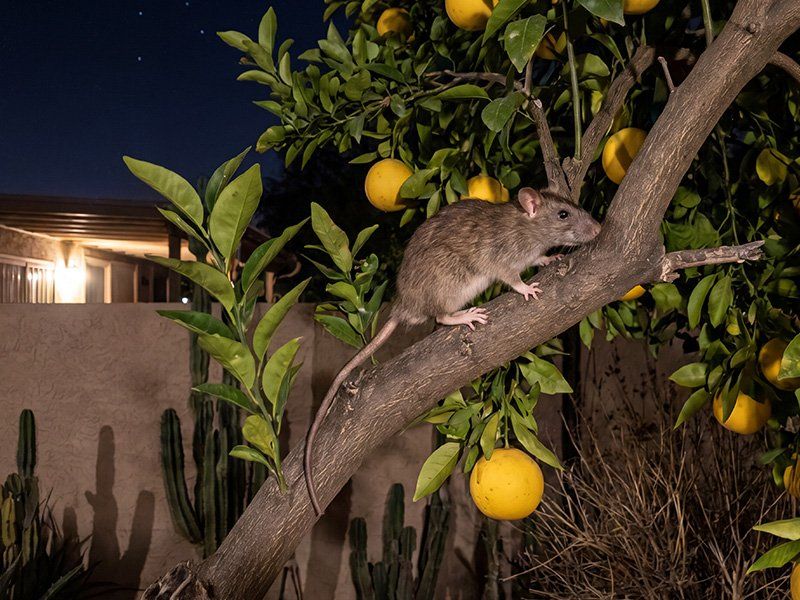
Nighttime Rustling in the Treetops
© Northwest Exterminating

You step outside after dark to take out the trash and hear leaves shaking with no wind at all. That rustle is often a roof rat moving through the branches on its nightly dinner run.

These rodents are most active a few hours after sunset. Grab a flashlight and shine it slowly into the tree.

Glowing eyes or a long tail hanging down will clear up any doubt.

Many homeowners also see rats racing along power lines or the top of a wall. Once you spot one, there are almost always more nearby.

7. Nests Hidden in Dense Foliage and Palms
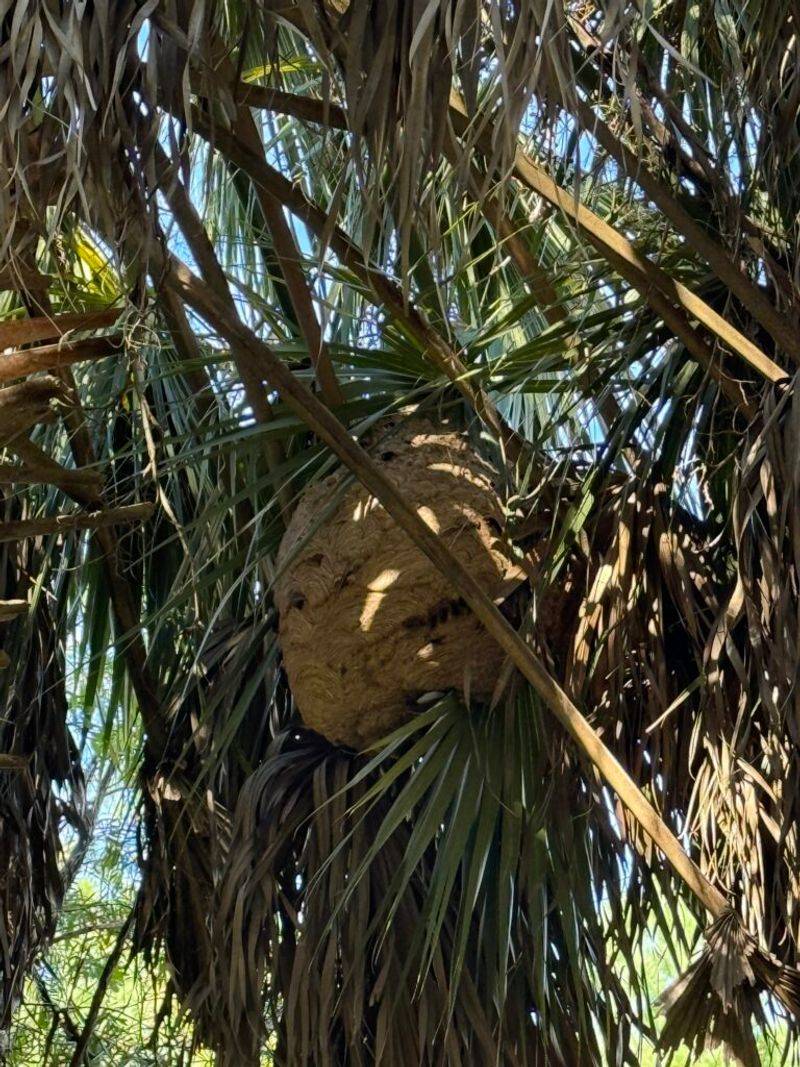
Nests Hidden in Dense Foliage and Palms
© Hornet Herald – Regulatory Services

Roof rats like to live close to their food, kind of like having a snack bar next to the bedroom. Thick citrus trees, untrimmed palms, bougainvillea, and oleander hedges all make cozy hideouts.

A nest looks like a messy ball of shredded leaves, palm fibers, paper, or cloth. It is often tucked into the densest part of a plant, well off the ground.

Wear gloves and long sleeves when checking. If you find a nest, thinning that plant and trimming dead palm fronds can take away their safe home.

8. Branches Touching the Roof and Walls
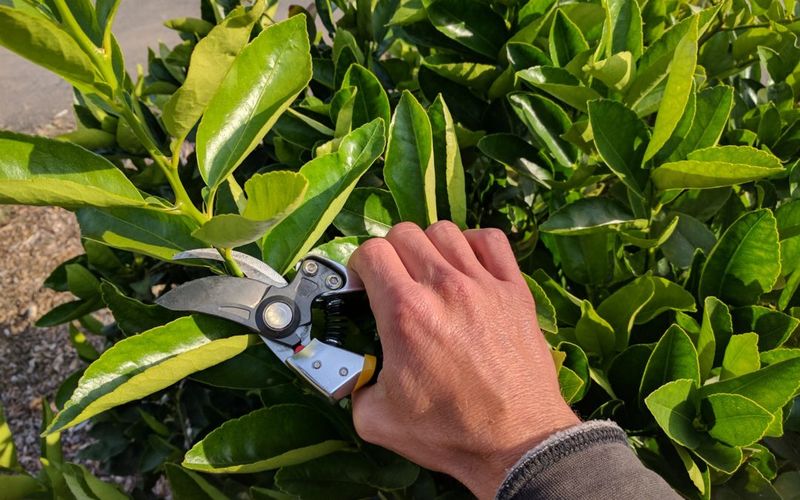
Branches Touching the Roof and Walls
© gregalder.com

Think of overhanging branches as a bridge with a welcome sign. Roof rats get their name because they climb so well, and a branch touching your roof is their easiest route inside.

Walk around your home and look up. Any limb resting on the roof, eaves, or walls gives rats direct access to vents and gaps under roof tiles.

Experts often suggest trimming citrus so branches stay at least three to four feet away from the house. Raising the skirt of the tree off the ground also helps you spot activity underneath.

9. Pets Acting Strange Near the Yard

Pets Acting Strange Near the Yard
© OneGreenPlanet

Your dog may notice rats before you ever do. A pup that stares at the citrus tree, barks at the wall at night, or sniffs one spot obsessively is often picking up rodent scent.

Cats might sit under the tree for long stretches or bring you an unwelcome gift. These behavior changes are easy to dismiss, but they are worth paying attention to.

Use pet-safe traps or call a professional, since poison baits can harm dogs and cats. Catching the problem early outdoors is far easier than chasing rats out of your attic later.

Share this story
EM

Written by

Elena Marquez

More from Elena Marquez →

About Gardening Latest

Gardening Latest provides in-depth guides to maintaining and enhancing your garden and backyard. Learn how to make the most of the space you have and create a beautiful garden.

More about us →

Latest stories

  • Indiana GardeningCoyotes Howling Outside Your Indiana Home After Dark Usually Have a Seasonal Reason, and Here’s What It Is

    Coyotes Howling Outside Your Indiana Home After Dark Usually Have a Seasonal Reason, and Here’s What It Is

    2 min ago
  • Pennsylvania Gardening7 Venomous Critters That Slip Into Pennsylvania Homes Once The Cold Sets In

    7 Venomous Critters That Slip Into Pennsylvania Homes Once The Cold Sets In

    7 min ago
  • Texas GardeningRattlesnakes, Coral Snakes, And Scorpions All Turn Up In Texas Yards, So Learn To Recognize Each One

    Rattlesnakes, Coral Snakes, And Scorpions All Turn Up In Texas Yards, So Learn To Recognize Each One

    17 min ago
  • Georgia GardeningThe Hidden Spots Georgia Roaches Move Into Once Cold Nights Settle In

    The Hidden Spots Georgia Roaches Move Into Once Cold Nights Settle In

    22 min ago
  • Wisconsin GardeningThose Sandy Ant Hills Along Your Wisconsin Sidewalk After It Rains Mean More Than You Think

    Those Sandy Ant Hills Along Your Wisconsin Sidewalk After It Rains Mean More Than You Think

    28 min ago

Gardening by state

Stories for your state, and the hardiness zone most of it gardens in.

Keep exploring

Read next

All Arizona Gardening →
Arizona GardeningWhat It Means When Harvester Ant Mounds Suddenly Pop Up in Your Arizona Yard
Arizona Gardening

What It Means When Harvester Ant Mounds Suddenly Pop Up in Your Arizona Yard

3 hr ago
Arizona GardeningThe Arizona Plants That Keep Javelinas From Tearing Up Your Front Yard Beds
Arizona Gardening

The Arizona Plants That Keep Javelinas From Tearing Up Your Front Yard Beds

6 hr ago
Arizona GardeningA Roadrunner Visiting Your Arizona Yard Is Telling You Something About the Land Nearby
Arizona Gardening

A Roadrunner Visiting Your Arizona Yard Is Telling You Something About the Land Nearby

21 hr ago

More from Arizona Gardening

  • Kissing Bugs Head Indoors As Arizona Nights Get Colder, So Check These Bedroom Spots

    Nov 23
  • What Those Late-Night Coyote Yips Around Arizona Neighborhoods Are Really Telling You

    Nov 22
Back to top

Leave a response Cancel

Your email address stays private. Required fields are marked with an asterisk.

Gardening Latest

In-depth guides to maintaining and enhancing your garden and backyard: how to make the most of the space you have, and how to make it beautiful.

  • Facebook
  • X
  • Pinterest
  • YouTube

We may earn a portion of sales from products or services that are purchased through our site as part of our affiliate partnerships with retailers.

Explore

  • About GardeningLatest.com
  • Contact Us
  • Terms and Conditions
  • Privacy
  • Editorial Note:
  • FTC Disclosure

Newsletter

New garden guides and seasonal tips, straight to your inbox.

We’ll email you a link to confirm. Unsubscribe any time.

Almost there! Check your inbox and tap the link to confirm.

© 2026 Gardening Latest. All rights reserved.

Back to top