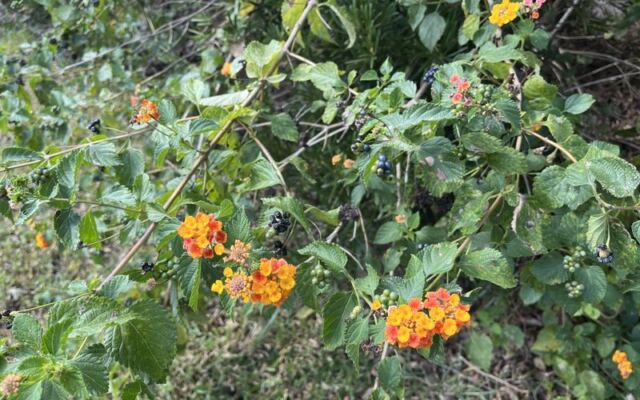
Some of the green berries growing in Georgia yards come from plants that are poisonous, and a popular landscape favorite called lantana is one plausible suspect. Its unripe fruit is described as toxic, which matters if kids or pets like to nibble on things outside.
Green berries alone cannot tell you what plant you have, so a little detective work comes first. Here is how to look closely, what the research says, and what to do if someone eats something unknown.
Lantana is a plausible lead
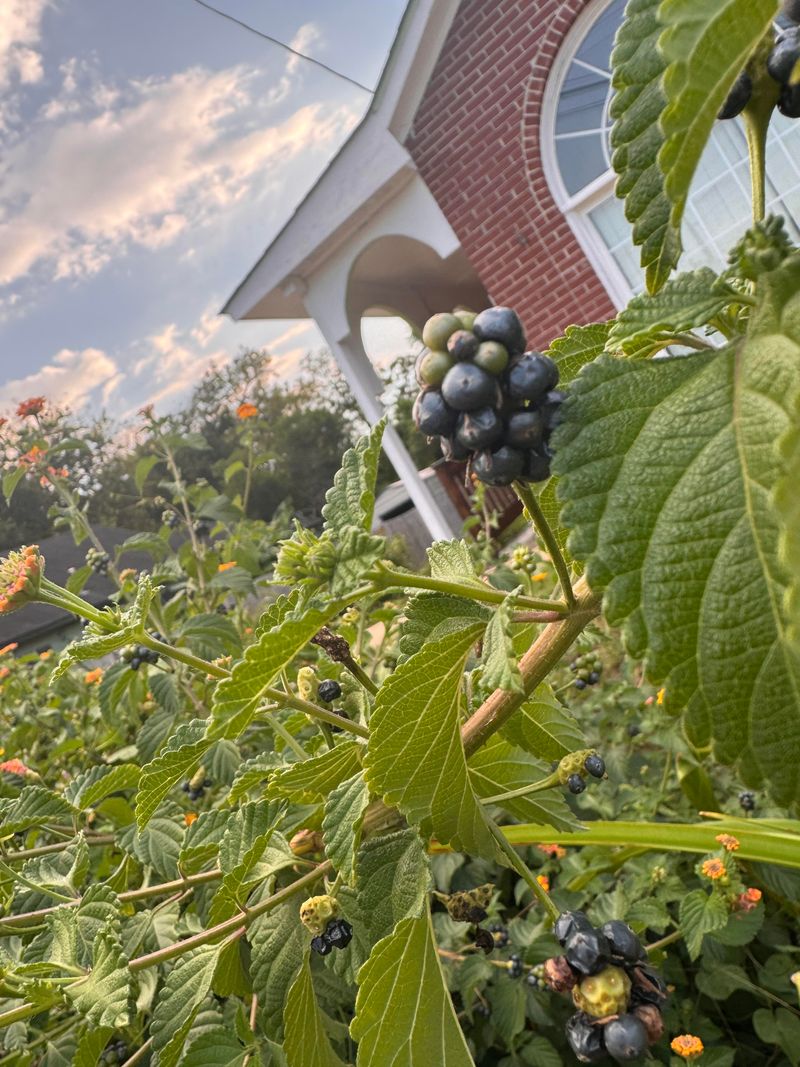
Plenty of Georgia yards have a shrub that blooms nonstop through the hot months, and lantana is often the one. UGA Extension calls lantana a favorite in residential landscapes and warns that its leaves and unripe fruit are poisonous.
That warning names pets and children as the ones to protect.
So why does this plant make a good starting point for a mystery about green berries? It is common, it produces small berries, and it carries a published poison warning.
That combination makes it worth a closer look.
A starting point is not an answer, though. The headline gives no photograph and no botanical description, so nobody can say that the plant in your yard is lantana.
Many yards hold more than one plant that could be hazardous, and berries that look alike at a glance can come from very different species.
The rest of this article treats lantana as a research lead. We will look at the whole plant instead of just the fruit, then at what a poison information source reports about unripe berries.
After that we will cover what a study of children’s exposures found, and what to do if a person or a pet may have eaten something.
The available sources also do not measure what people realize about lantana’s toxicity, and they do not rank it against other plants. What they do offer are documented hazards, plus honest limits on what can be concluded.
Knowing both will help you act sensibly without panic or shrugging it off.
Look beyond the berries to identify lantana
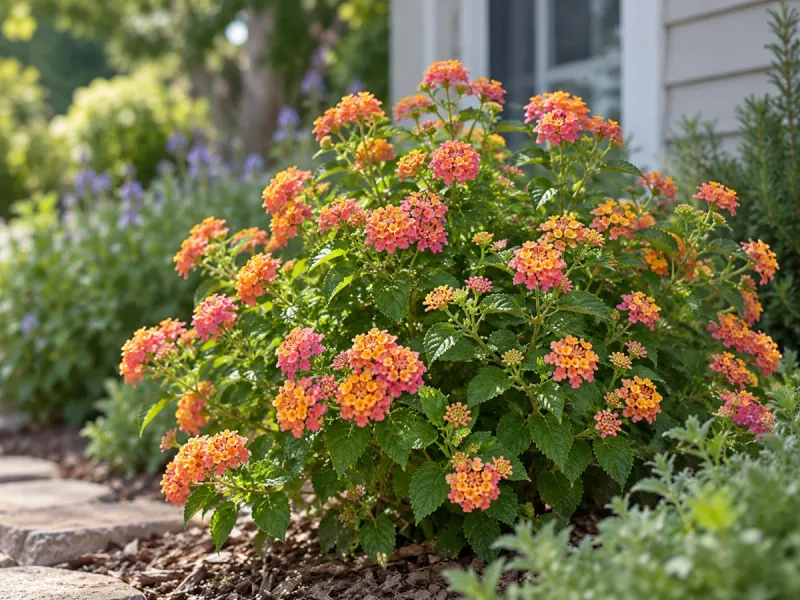
Berry color is a weak clue. Many plants make green fruit, so a better approach is to check several features at once.
The Queensland poisons information page and the NC State Extension Plant Toolbox describe the traits that go together.
Start with the flowers, which grow in tight clusters of many small blossoms. Then look at the leaves, which sit opposite each other on the stem.
They are toothed and feel rough or hairy. Run your eyes along a stem, too, because lantana stems are square rather than round.
Finally, check the fruit. Lantana berries are small and begin green, then turn glossy black as they ripen.
If a plant shows only some of these traits, that is a reason to hold back on naming it.
A short checklist like this one cannot confirm every identification. Garden varieties can look different from the wild type, and flowers or berries may be missing at certain times of year.
Photos taken of the whole plant, leaves and stem included, can help a local expert or Extension office give a better opinion.
One rule stays firm no matter what the checklist says. Never taste an unfamiliar berry to test what it is.
Looking, photographing, and asking are all safer ways to learn.
Green lantana fruit is unripe
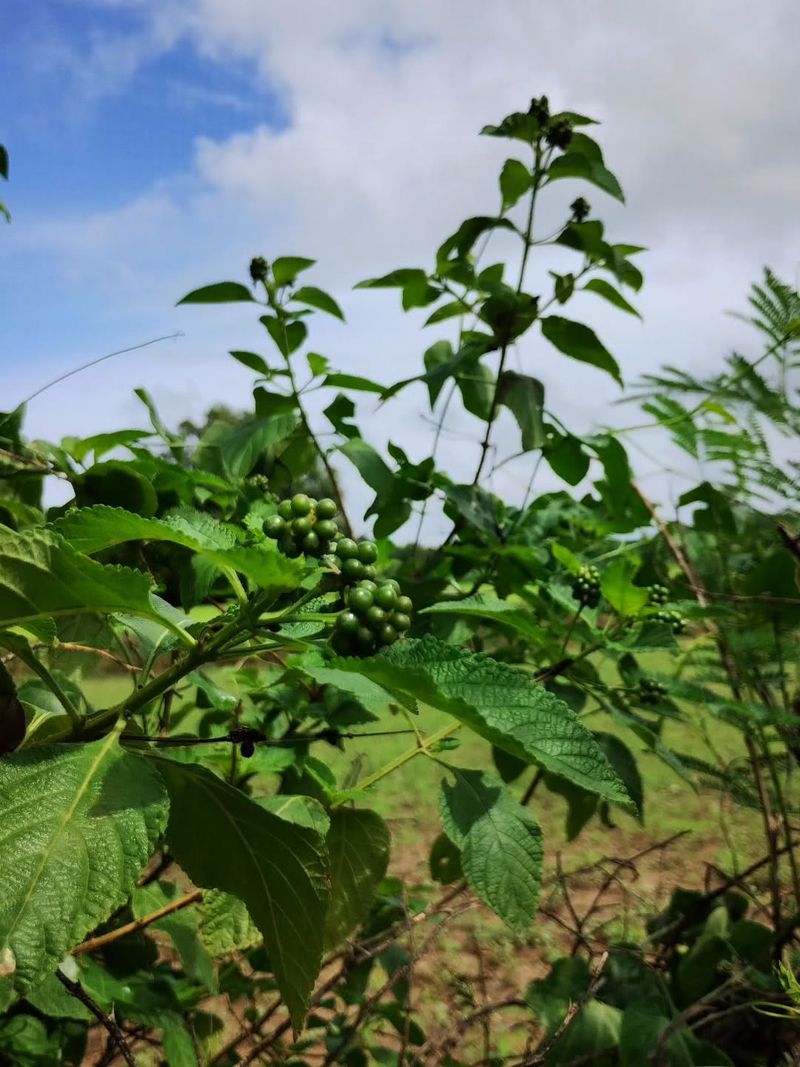
Here is the simple part. On lantana, the green berries are the unripe ones, and they darken to glossy black as they ripen.
So green fruit on this plant is a stage, not a separate kind of berry.
The Queensland poisons information source warns that unripe green lantana fruit is toxic to humans. It also reports possible effects after plant parts are eaten, including vomiting, diarrhea, breathing difficulty, and liver failure.
Those are the reported possibilities, and they come from that source.
A list like that is easy to misread. It does not say that any of these things will happen after a particular exposure.
It also does not name an amount that is harmful, and nothing here supports the idea that one berry is likely to cause severe poisoning.
Poisonous also does not mean fatal. Severity can depend on the person, how much was eaten, and what form of the plant was involved.
Because those details differ so much, the same plant can lead to very different outcomes.
The practical takeaway is modest but useful. Treat the fruit as something kids and pets should not eat, and do not assume the effects listed above are certain or impossible.
The next section looks at what actual reports of children’s exposures showed, which adds an important counterweight.
What a study of children’s exposures found
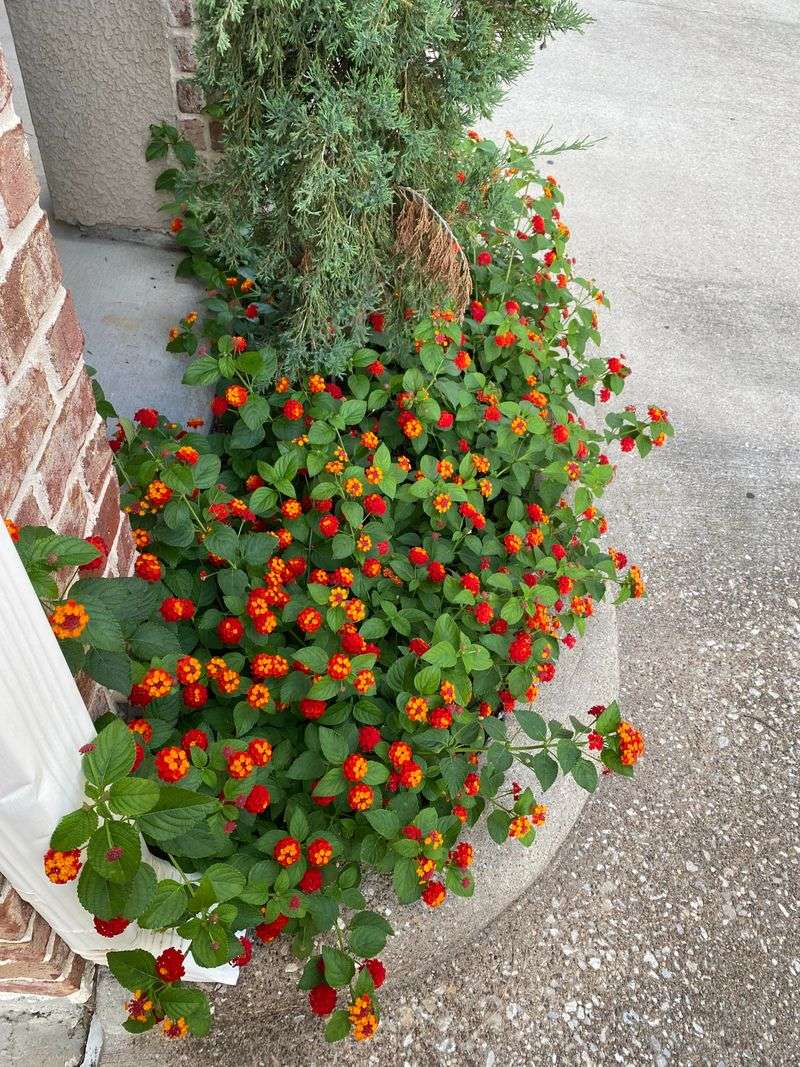
A retrospective review from California Poison Control looked at 641 reported pediatric lantana ingestions from 1997 to 2008. In this case series, most children had no reported symptoms, and reported effects were generally mild.
The authors found no significant toxicity, and no greater frequency or severity of symptoms for unripe berries than for ripe berries or other plant parts.
That sounds reassuring, but it has limits. These were reported exposures only, so cases that never reached a poison center are missing.
The study does not prove lantana is harmless, and it does not set a safe dose.
It also cannot settle the risks for pets, adults, or different varieties of the plant. Nor is it advice about eating anything.
Ripe berries are not established as safe to eat, and the study is not an edibility recommendation.
Where does that leave the headline’s claim? The available sources do not measure what people realize about lantana’s toxicity, and they do not establish a comparative toxicity ranking.
What they give us is a warning on one side and a mild-outcome pattern on the other, and neither predicts what will happen to an individual child.
The Georgia Poison Center also keeps a list of poisonous plants that is not exhaustive. Lantana is not specifically named there, but that absence is no proof of safety.
A list that is not complete cannot clear a plant.
Call for expert advice after a possible human ingestion
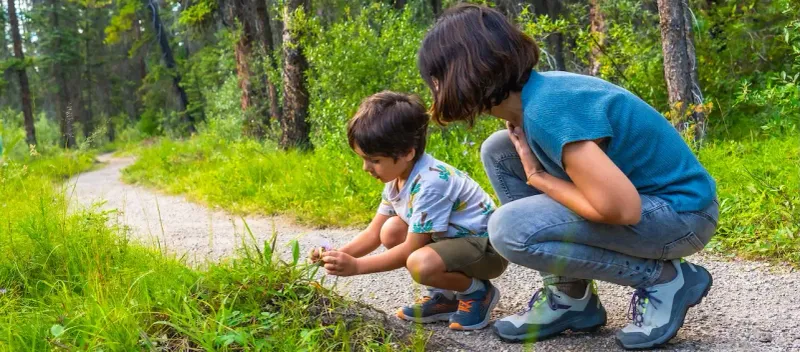
If a child or adult may have eaten an unknown berry, act on the exposure, not on a guess about the plant. The Georgia Poison Center advises removing any plant material from the person’s mouth.
Do not try to make the person vomit.
Then call Poison Help at 1-800-222-1222. HRSA’s Poison Help service gives this same number for wild-berry ingestion.
Poison Control likewise says not to induce vomiting and to seek expert guidance.
Call promptly rather than waiting to see whether symptoms appear. Poison experts can ask about the person’s age, size, health, and what was eaten, and then advise based on that exposure.
A general article cannot do that for an individual case.
It helps to have details ready. Note when it happened, roughly how much may have been eaten, and what the plant looked like.
A photo of the plant, including leaves and stem, can be useful if it is safe to take one.
Skip home remedies and do not treat anyone based on a guessed plant name. Even if you feel sure it was lantana, the experts on the phone are the ones to decide what comes next.
Ask a veterinarian about a pet exposure
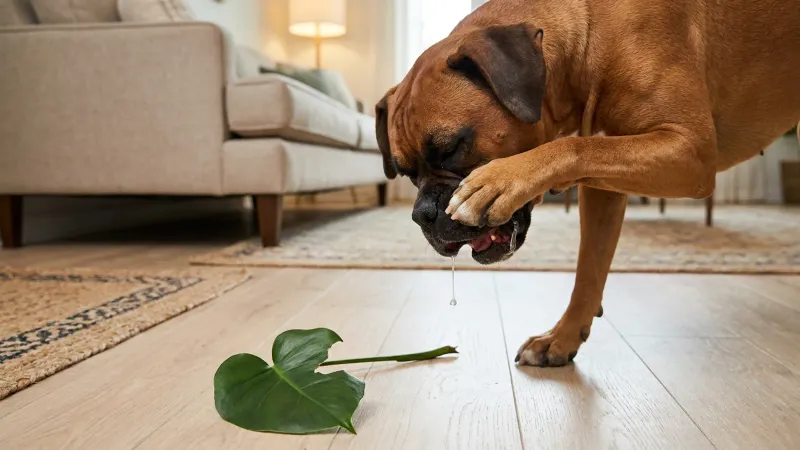
Pets need their own plan. The ASPCA lists lantana as toxic to dogs, cats, and horses.
It advises contacting a veterinarian or its animal poison-control service if a pet may have eaten it.
The Georgia Poison Center’s pets and poisons page points pet-poisoning calls to a veterinarian as well. That means the human hotline is not the right first call for a dog or cat.
Keep the two kinds of evidence apart. The mild findings in the children’s study do not carry over to animals, and an animal warning does not predict what happens after a child eats a berry.
Neither one offers a safe amount for pets or people.
If you suspect your pet chewed on a plant, gather what you can. Bring or photograph the plant, note when it happened, and mention your pet’s size and any changes in behavior.
Then call a veterinarian right away instead of watching and waiting.
As with people, avoid home treatment or inducing vomiting on your own. A professional who knows your animal can say what to do.
Keep unidentified yard berries off-limits
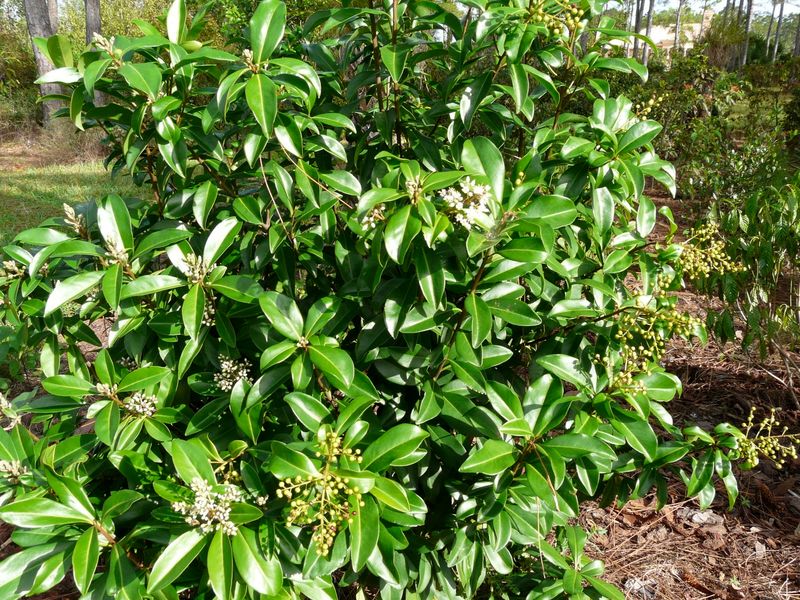
The safest habit is a simple one: kids and pets should not eat any yard plant you cannot name. Learn what grows in your yard and label it, as the Georgia Poison Center suggests.
If someone does eat something, get expert advice quickly.
Remember that the state’s poisonous-plant list is not exhaustive, and lantana is only a plausible lead, not a confirmed identity for your plant. A green berry is a question, not an answer.
So look, photograph, and ask, but never taste an unfamiliar berry to find out.
Share this story