Get the latest garden guides in your inbox →
Gardening Latest
  • General Gardening
  • Lawn Care
  • Plant Care
  • Composting
  • Soil Health
  • Backyard
  • Garden Muse Magazine
  • General Gardening
  • Lawn Care
  • Plant Care
  • Composting
  • Soil Health
  • Backyard
  • Garden Muse Magazine
  • News
  • Gardening Calendar
  • Garden Structures
  • Vegetable Garden
  • Vertical Garden
  • Raised Beds
  • Hydroponics
  • General Equipment
  • Community Gardens
Garden Themes
  • Spiritual Garden
  • Hydroseeding
  • Seeding and Laying Sod
  • Artificial Grass
  • Lawn Care Equipment
  • Plants
  • Trees
  • Planting Tools
  • Composting Basics
  • Fertilizer
  • Alternative Growing Mediums
  • Front Yard
  • Backyard Activities
  • Landscaping
Gardening Latest

Explore by state

Which state is your garden in?

Currently viewing Texas

All states

Northeast

  • Connecticut —
  • Delaware 28
  • Maine —
  • Maryland 14
  • Massachusetts 30
  • New Hampshire —
  • New Jersey 14
  • New York 23
  • Pennsylvania 24
  • Rhode Island —
  • Vermont —

Southeast

  • Alabama 14
  • Arkansas —
  • Florida 14
  • Georgia 15
  • Kentucky 28
  • Louisiana 13
  • Mississippi —
  • North Carolina 12
  • South Carolina 27
  • Tennessee 11
  • Virginia 13
  • West Virginia —

Midwest

  • Illinois 13
  • Indiana 16
  • Iowa 27
  • Kansas —
  • Michigan 14
  • Minnesota 13
  • Missouri 13
  • Nebraska —
  • North Dakota —
  • Ohio 14
  • South Dakota —
  • Wisconsin 29

Southwest

  • Arizona 14
  • Colorado —
  • Nevada —
  • New Mexico —
  • Oklahoma —
  • Texas 13
  • Utah —

West

  • Alaska —
  • California 13
  • Hawaii —
  • Idaho —
  • Montana —
  • Oregon —
  • Washington —
  • Wyoming —

No state matches that search.

Site menu

Gardening Latest
  • General Gardening
    • News
    • Gardening Calendar
    • Garden Structures
    • Vegetable Garden
    • Vertical Garden
    • Raised Beds
    • Hydroponics
    • General Equipment
    • Community Gardens
    Garden Themes
    • Spiritual Garden
  • Lawn Care
    • Hydroseeding
    • Seeding and Laying Sod
    • Artificial Grass
    • Lawn Care Equipment
  • Plant Care
    • Plants
    • Trees
    • Planting Tools
  • Composting
    • Composting Basics
  • Soil Health
    • Fertilizer
    • Alternative Growing Mediums
  • Backyard
    • Front Yard
    • Backyard Activities
    • Landscaping
  • Garden Muse Magazine

Explore

  • About GardeningLatest.com
  • Contact Us

Get the latest from the garden

New guides on lawn care, plants and backyard projects, sent when they go up.

Subscribe →

Follow

  • Facebook
  • X
  • Pinterest
  • YouTube
Texas Gardening

Rattlesnakes, Coral Snakes, And Scorpions All Turn Up In Texas Yards, So Learn To Recognize Each One

Texas backyards are full of life, and some of it can bite or sting. Rattlesnakes, coral snakes, and scorpions all wander…

RC

By Ruby Castillo

November 25, 2026 · 5 min read

Rattlesnakes, Coral Snakes, And Scorpions All Turn Up In Texas Yards, So Learn To Recognize Each One

Texas backyards are full of life, and some of it can bite or sting. Rattlesnakes, coral snakes, and scorpions all wander into lawns, garages, and flower beds across the state.

Knowing what each one looks like helps you stay calm, keep your family and pets safe, and avoid hurting harmless critters by mistake. Here are nine creatures and tips every Texan should know.

At a glance

Where
Texas Gardening
Hardiness zone
8 10 to 20°F
Read
5 minutes
Published
November 25, 2026

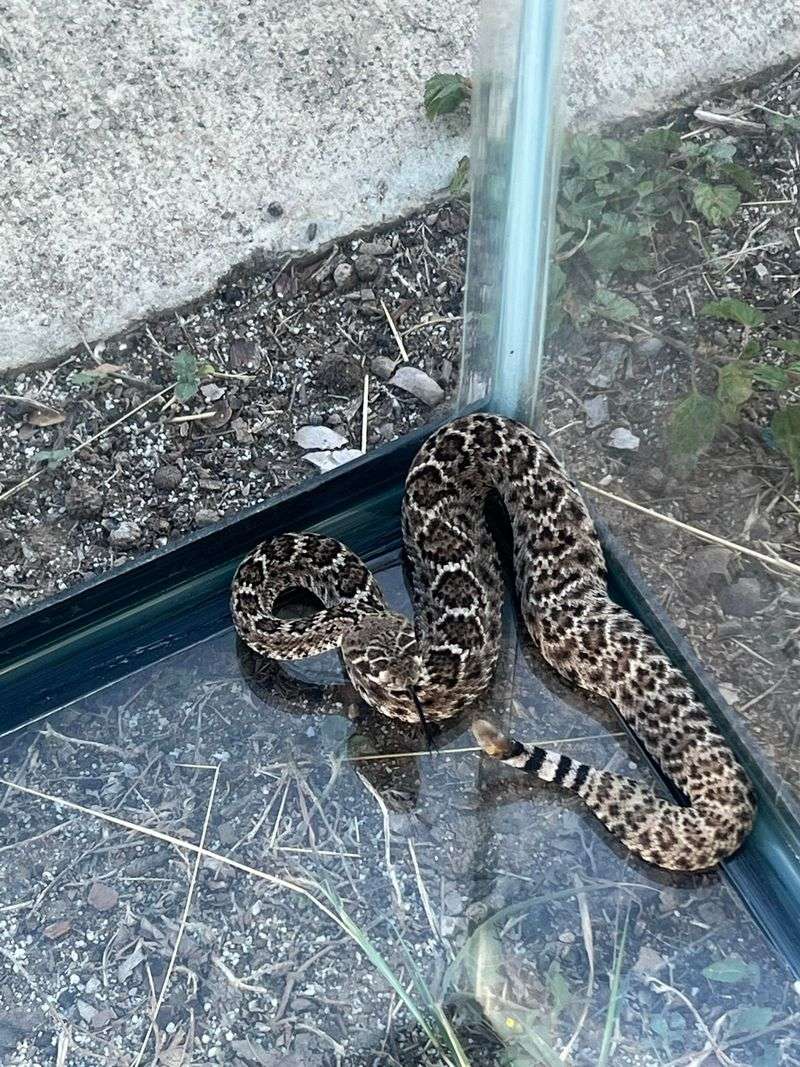
1. Western Diamondback Rattlesnake

Western Diamondback Rattlesnake
© Reddit

Ask any rancher west of Austin about snakes, and this one usually comes up first. The western diamondback is the most common rattlesnake in Texas, and it causes more bites than any other snake in the state.

Look for brown or gray diamond shapes running down its back, outlined in lighter scales. The easiest clue is the tail, which has bold black and white rings right before the rattle, earning it the nickname coon tail.

Adults often reach four feet or longer.

Diamondbacks like woodpiles, rock walls, and thick brush where mice hide. If you hear a buzzing sound, freeze, find the snake, and back away slowly.

They would rather warn you than waste venom.

2. Timber Rattlesnake
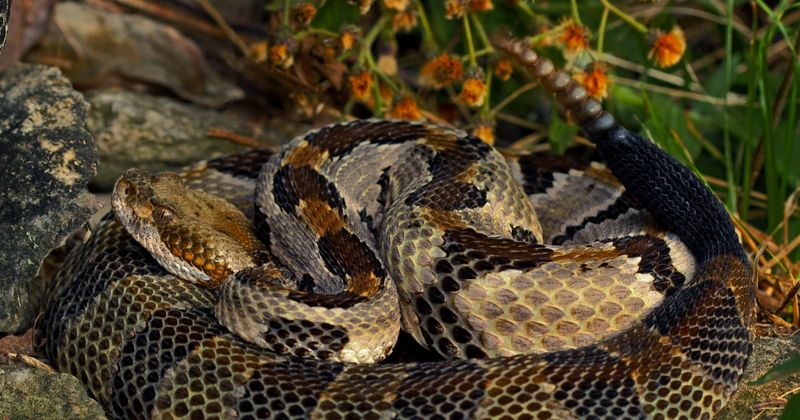
Timber Rattlesnake
© U.S. Fish and Wildlife Service

East Texas folks sometimes call it the canebrake rattler. You will find it in shady, wooded neighborhoods near creeks and pine forests.

Instead of diamonds, timber rattlesnakes wear dark, wavy bands shaped like the letter V, often with a rusty orange stripe down the middle of the back. The tail is solid black, which sets it apart from the diamondback.

These snakes are famously laid back and often stay perfectly still to hide. That calm attitude is great, but it also means people can step close without noticing.

Wear boots and watch where you put your hands when clearing leaf piles.

3. Prairie And Mojave Rattlesnakes
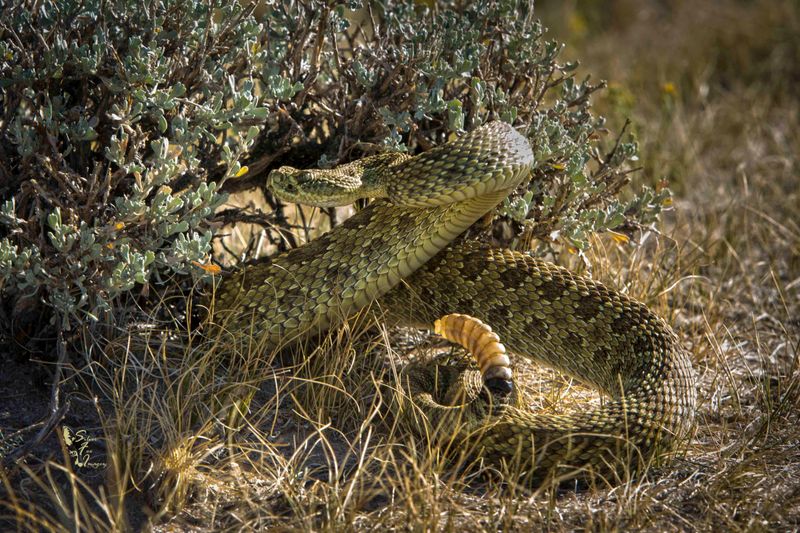
Prairie And Mojave Rattlesnakes
© WY Field Guide

Out in the Panhandle and far West Texas, the rattlers look a little different. Prairie rattlesnakes are tan or greenish with rounded brown blotches, and they love open grasslands and prairie dog towns.

Mojave rattlesnakes show up in the Trans-Pecos region. They look a lot like diamondbacks, but the white tail rings are wider than the black ones.

Copperheads cause many bites in Central and East Texas, mostly when people reach into leaf litter or flower beds.

Their venom can affect breathing and nerves, so any bite is a true emergency.

Fun fact: baby rattlesnakes are born with only a single button on the tail. They cannot rattle at all until they shed a few times, so size is no guarantee of safety.

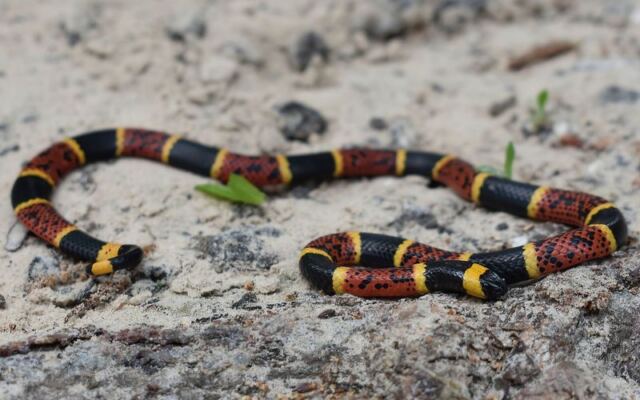
4. Texas Coral Snake
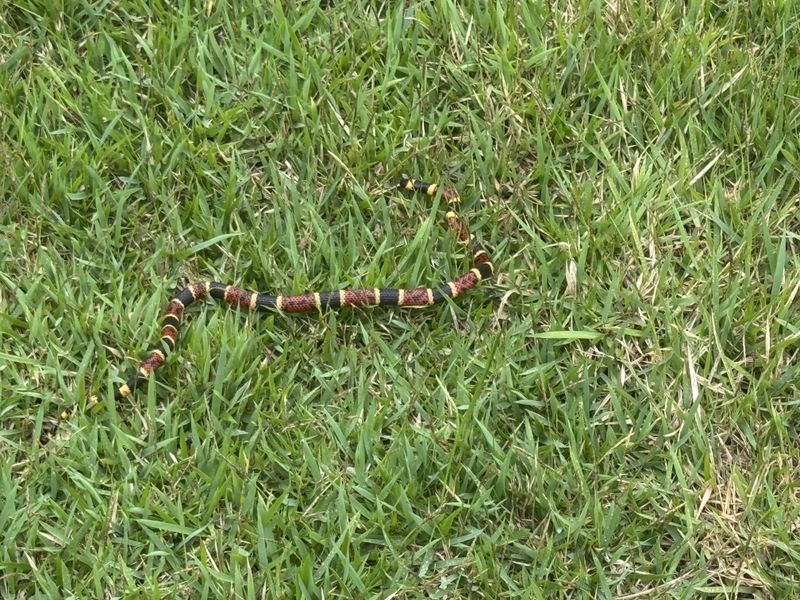
Texas Coral Snake
© Reddit

Bright, shiny, and surprisingly small, the Texas coral snake looks more like a toy than a threat. Do not let that fool you.

Its venom is among the most powerful of any North American snake.

Coral snakes have wide red and black bands separated by thin yellow rings. They have small round heads and are usually under three feet long.

They spend most of their time hiding under mulch, leaves, and logs in gardens.

Bites are rare because these snakes are shy and have small mouths. Still, never pick one up.

Symptoms can be delayed for hours, so anyone bitten needs a hospital right away.

5. Coral Snake Look-Alikes
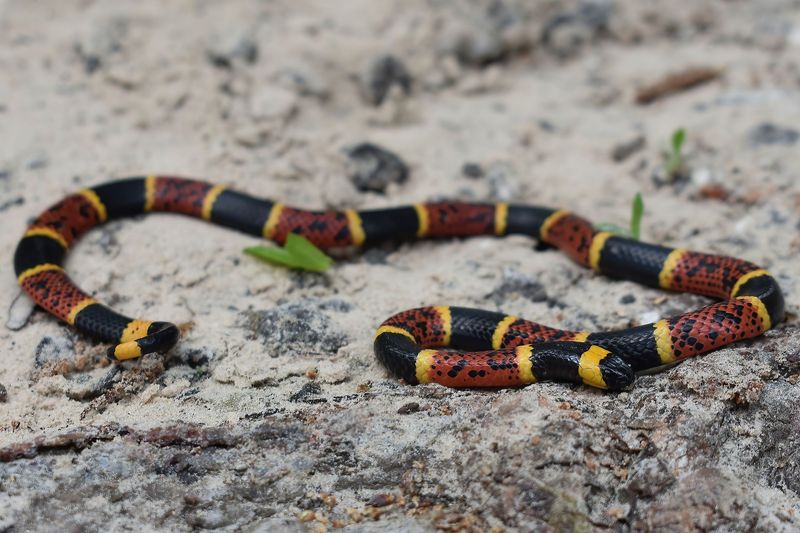
Coral Snake Look-Alikes
© Animals

Red touches yellow, kills a fellow. Red touches black, friend of Jack.

Many Texans learned that rhyme as kids, and it works well here.

Milk snakes and scarlet kingsnakes copy the coral snake colors to scare off predators. On these harmless snakes, red bands touch black bands.

On the coral snake, red touches yellow. Look-alikes also tend to have red or pale snouts, while coral snakes have black noses.

One warning: the rhyme only works for snakes in the United States. And honestly, if you are close enough to read the bands, you are close enough to step back.

Kingsnakes even eat other snakes, rattlers included, so they are worth keeping around.

6. Copperheads And Cottonmouths
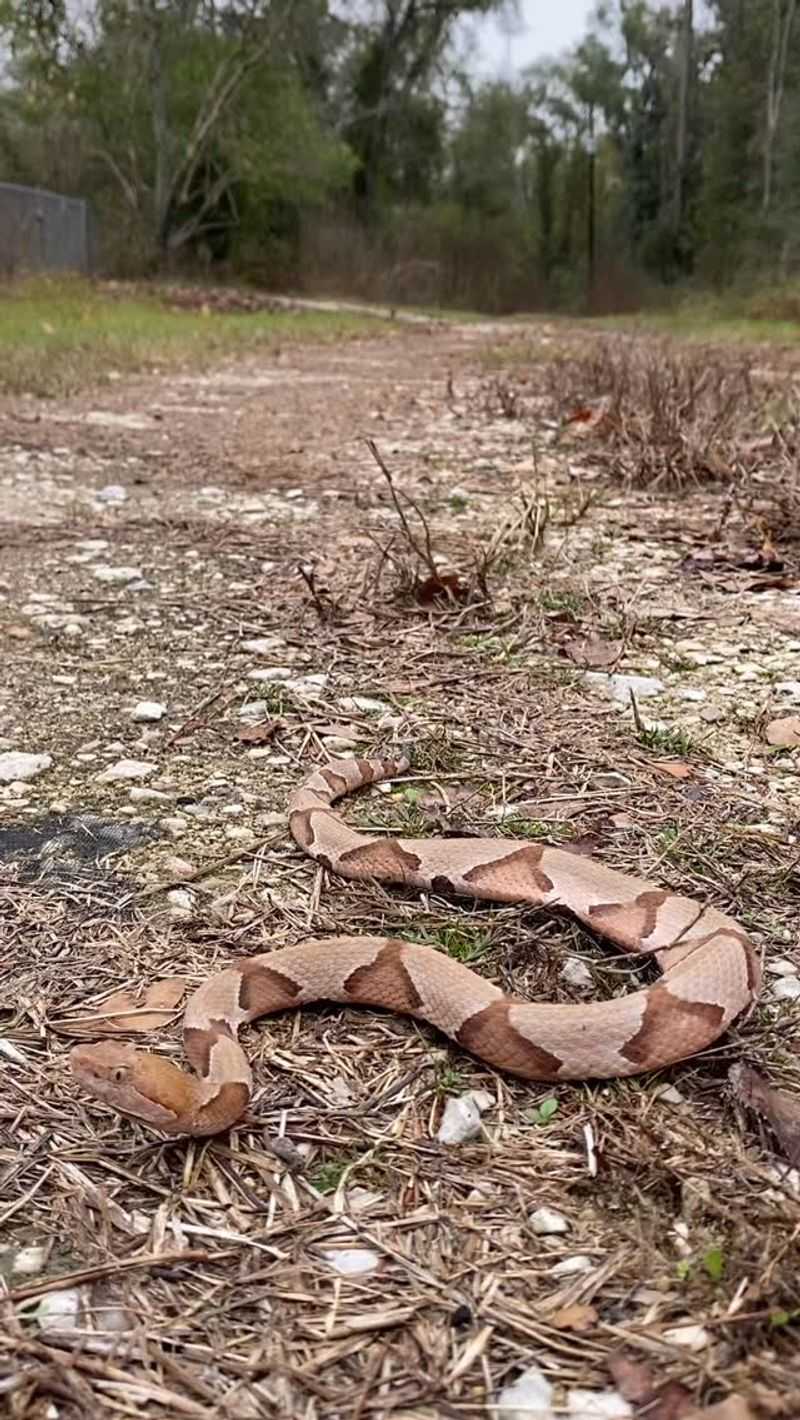
Copperheads And Cottonmouths
© j.dollsphotowall

They are not on the title list, but leaving them out would be a mistake. Copperheads cause many bites in Central and East Texas, mostly when people reach into leaf litter or flower beds.

Copperheads have tan bodies with darker hourglass bands that look wide on the sides and narrow on top. Cottonmouths, also called water moccasins, are thick, dark snakes found near ponds and creeks.

When threatened, they open their mouths wide to show a white lining.

Like rattlers, both are pit vipers with heat-sensing pits and catlike pupils. Keeping grass short and gardens tidy gives them fewer places to hide.

7. Striped Bark Scorpion
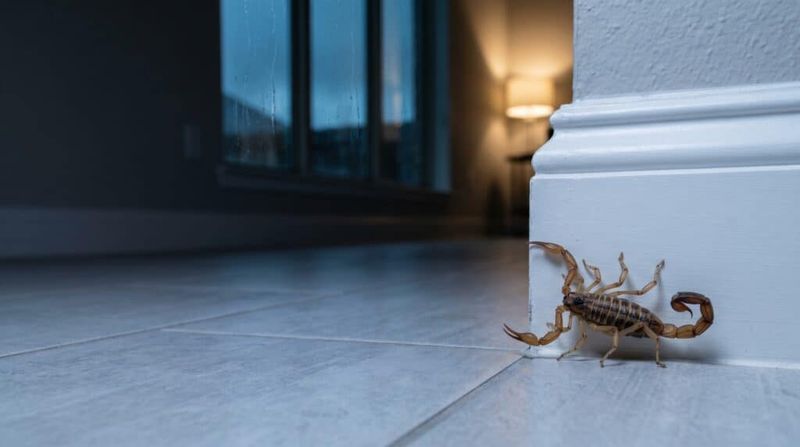
Striped Bark Scorpion
© Summit Pest Defense

Picture slipping on a shoe in the morning and feeling a sharp, hot jab. For a lot of Texans, that is how they meet the striped bark scorpion, the most common scorpion in the state.

It is light tan or yellow with two dark stripes running down its back and grows to about two and a half inches. It can climb walls and ceilings, so it often ends up inside closets, attics, and even bathtubs.

The sting hurts a lot, often with numbness and tingling, but it is rarely dangerous for healthy adults. Small kids, older people, and anyone with allergy signs should get medical care.

Shake out shoes and towels before using them.

8. Texas Cave And Lesser Stripetail Scorpions
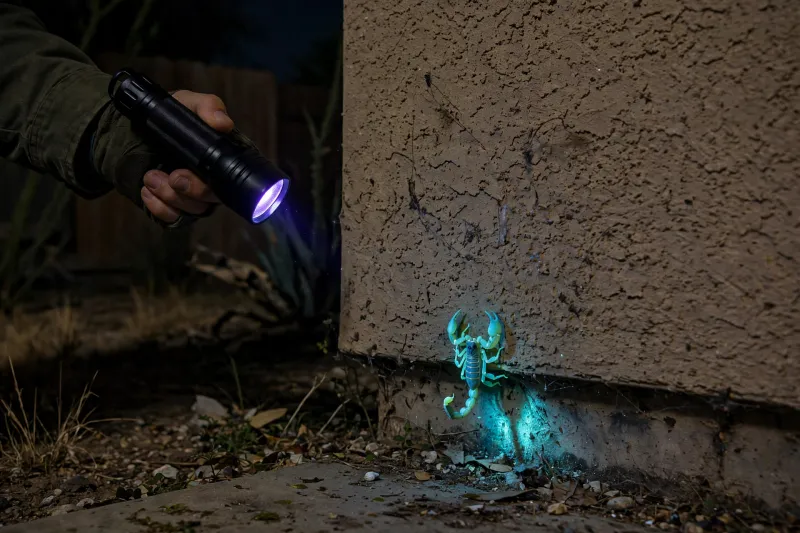
Texas Cave And Lesser Stripetail Scorpions
© SilkStoneHome

Flip a flat rock in the Hill Country and you might uncover a darker scorpion. Texas cave scorpions and lesser stripetail scorpions are brownish and usually less likely to wander indoors.

These scorpions tend to have thicker pincers and stay under stones, logs, and landscaping timbers. Their stings feel like a bee or wasp sting for most people.

Here is a cool trick: scorpions glow under a black light. A UV flashlight at night makes them shine blue-green, which is a handy way to check patios and walls for unwanted guests.

9. Safety Steps For Your Yard
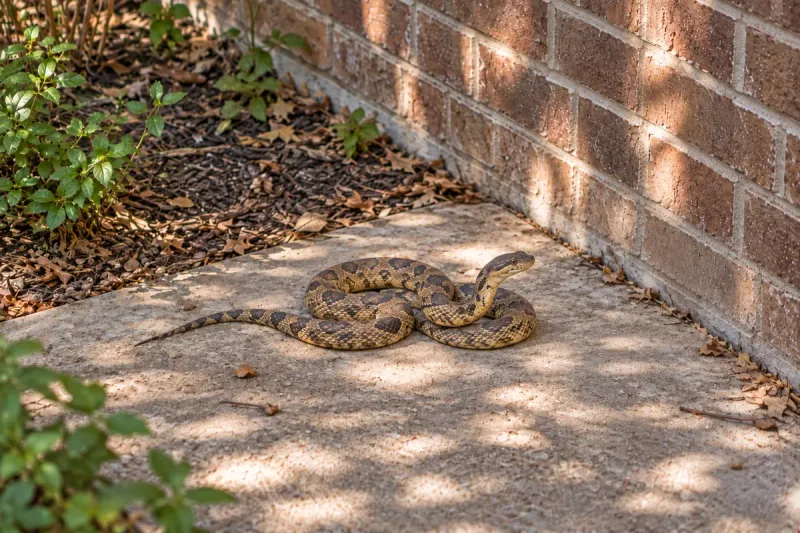
Safety Steps For Your Yard
© Pest Me Off

Prevention beats panic every time. Most bites and stings happen when people surprise an animal, so a few habits go a long way.

Keep grass mowed, store firewood away from the house, and seal gaps under doors. Fewer rodents and insects mean fewer snakes and scorpions looking for a meal.

Wear gloves and boots when gardening, and use a flashlight at night.

If someone is bitten by a snake, keep them calm, remove rings, and call 911 or Poison Control at 1-800-222-1222. Skip ice, tight tourniquets, and cutting the wound.

Snapping a photo from a safe distance can help doctors, but never try to catch the snake.

Share this story

RC

Written by

Ruby Castillo

More from Ruby Castillo →

About Gardening Latest

Gardening Latest provides in-depth guides to maintaining and enhancing your garden and backyard. Learn how to make the most of the space you have and create a beautiful garden.

More about us →

Latest stories

  • Indiana GardeningCoyotes Howling Outside Your Indiana Home After Dark Usually Have a Seasonal Reason, and Here’s What It Is

    Coyotes Howling Outside Your Indiana Home After Dark Usually Have a Seasonal Reason, and Here’s What It Is

    2 min ago
  • Pennsylvania Gardening7 Venomous Critters That Slip Into Pennsylvania Homes Once The Cold Sets In

    7 Venomous Critters That Slip Into Pennsylvania Homes Once The Cold Sets In

    7 min ago
  • Arizona GardeningRoof Rats Leave These Clues Around Arizona Citrus Trees Long Before They Get Inside

    Roof Rats Leave These Clues Around Arizona Citrus Trees Long Before They Get Inside

    12 min ago
  • Georgia GardeningThe Hidden Spots Georgia Roaches Move Into Once Cold Nights Settle In

    The Hidden Spots Georgia Roaches Move Into Once Cold Nights Settle In

    22 min ago
  • Wisconsin GardeningThose Sandy Ant Hills Along Your Wisconsin Sidewalk After It Rains Mean More Than You Think

    Those Sandy Ant Hills Along Your Wisconsin Sidewalk After It Rains Mean More Than You Think

    28 min ago

Gardening by state

Stories for your state, and the hardiness zone most of it gardens in.

Keep exploring

Read next

All Texas Gardening →
Texas GardeningHere’s What All That Coyote Howling Outside Your Texas Home After Dark Really Means This Time of Year
Texas Gardening

Here’s What All That Coyote Howling Outside Your Texas Home After Dark Really Means This Time of Year

3 hr ago
Texas GardeningTexans Who Crunch On Celery Every Day Are Noticing What It Does For Their Bodies
Texas Gardening

Texans Who Crunch On Celery Every Day Are Noticing What It Does For Their Bodies

6 hr ago
Texas GardeningWho Pays When Your Neighbor’s Tree Limb Smashes Your Roof in Texas
Texas Gardening

Who Pays When Your Neighbor’s Tree Limb Smashes Your Roof in Texas

21 hr ago

More from Texas Gardening

  • Spotted a Huge Black Moth Near Your Texas Front Door? Here’s What It Is

    Nov 23
  • What Those Fresh Fire Ant Mounds After a Texas Rain Are Really Telling You

    Nov 22
Back to top

Leave a response Cancel

Your email address stays private. Required fields are marked with an asterisk.

Gardening Latest

In-depth guides to maintaining and enhancing your garden and backyard: how to make the most of the space you have, and how to make it beautiful.

  • Facebook
  • X
  • Pinterest
  • YouTube

We may earn a portion of sales from products or services that are purchased through our site as part of our affiliate partnerships with retailers.

Explore

  • About GardeningLatest.com
  • Contact Us
  • Terms and Conditions
  • Privacy
  • Editorial Note:
  • FTC Disclosure

Newsletter

New garden guides and seasonal tips, straight to your inbox.

We’ll email you a link to confirm. Unsubscribe any time.

Almost there! Check your inbox and tap the link to confirm.

© 2026 Gardening Latest. All rights reserved.

Back to top