Get the latest garden guides in your inbox →
Gardening Latest
  • General Gardening
  • Lawn Care
  • Plant Care
  • Composting
  • Soil Health
  • Backyard
  • Garden Muse Magazine
  • General Gardening
  • Lawn Care
  • Plant Care
  • Composting
  • Soil Health
  • Backyard
  • Garden Muse Magazine
  • News
  • Gardening Calendar
  • Garden Structures
  • Vegetable Garden
  • Vertical Garden
  • Raised Beds
  • Hydroponics
  • General Equipment
  • Community Gardens
Garden Themes
  • Spiritual Garden
  • Hydroseeding
  • Seeding and Laying Sod
  • Artificial Grass
  • Lawn Care Equipment
  • Plants
  • Trees
  • Planting Tools
  • Composting Basics
  • Fertilizer
  • Alternative Growing Mediums
  • Front Yard
  • Backyard Activities
  • Landscaping
Gardening Latest

Explore by state

Which state is your garden in?

Currently viewing New York

All states

Northeast

  • Connecticut —
  • Delaware 28
  • Maine —
  • Maryland 14
  • Massachusetts 31
  • New Hampshire —
  • New Jersey 15
  • New York 24
  • Pennsylvania 24
  • Rhode Island —
  • Vermont —

Southeast

  • Alabama 14
  • Arkansas —
  • Florida 14
  • Georgia 15
  • Kentucky 28
  • Louisiana 13
  • Mississippi —
  • North Carolina 13
  • South Carolina 27
  • Tennessee 11
  • Virginia 13
  • West Virginia —

Midwest

  • Illinois 13
  • Indiana 16
  • Iowa 27
  • Kansas —
  • Michigan 15
  • Minnesota 13
  • Missouri 13
  • Nebraska —
  • North Dakota —
  • Ohio 15
  • South Dakota —
  • Wisconsin 29

Southwest

  • Arizona 14
  • Colorado —
  • Nevada —
  • New Mexico —
  • Oklahoma —
  • Texas 13
  • Utah —

West

  • Alaska —
  • California 14
  • Hawaii —
  • Idaho —
  • Montana —
  • Oregon —
  • Washington —
  • Wyoming —

No state matches that search.

Site menu

Gardening Latest
  • General Gardening
    • News
    • Gardening Calendar
    • Garden Structures
    • Vegetable Garden
    • Vertical Garden
    • Raised Beds
    • Hydroponics
    • General Equipment
    • Community Gardens
    Garden Themes
    • Spiritual Garden
  • Lawn Care
    • Hydroseeding
    • Seeding and Laying Sod
    • Artificial Grass
    • Lawn Care Equipment
  • Plant Care
    • Plants
    • Trees
    • Planting Tools
  • Composting
    • Composting Basics
  • Soil Health
    • Fertilizer
    • Alternative Growing Mediums
  • Backyard
    • Front Yard
    • Backyard Activities
    • Landscaping
  • Garden Muse Magazine

Explore

  • About GardeningLatest.com
  • Contact Us

Get the latest from the garden

New guides on lawn care, plants and backyard projects, sent when they go up.

Subscribe →

Follow

  • Facebook
  • X
  • Pinterest
  • YouTube
New York Gardening

Don’t Pick Up This Fuzzy Caterpillar If You Find It Around Your New York Home

Some caterpillars look so soft and cuddly that you just want to scoop one up and let it crawl across your hand…

E

By Elyanna

November 24, 2026 · 5 min read

Don’t Pick Up This Fuzzy Caterpillar If You Find It Around Your New York Home
Don't Pick Up This Fuzzy Caterpillar If You Find It Around Your New York Home

Some caterpillars look so soft and cuddly that you just want to scoop one up and let it crawl across your hand. In New York, that urge can lead to an itchy rash, a burning sting, or even a trip to the doctor.

Several fuzzy caterpillars living in backyards, parks, and woods across the state carry tiny hairs or hidden spines that pack a real punch. Knowing which ones to leave alone can save you and your kids a lot of pain this summer.

At a glance

Where
New York Gardening
Hardiness zone
7 0 to 10°F
Read
5 minutes
Published
November 24, 2026

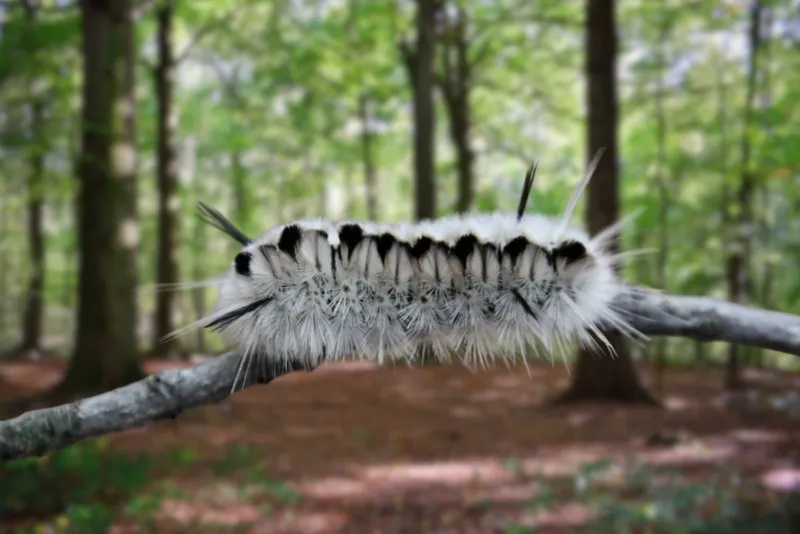
1. Hickory Tussock Moth Caterpillar

Hickory Tussock Moth Caterpillar
© WRRV

Picture a little white mop with black stripes and a few long black pencil hairs poking out like antennae. That is the hickory tussock moth caterpillar, and it shows up all over New York from July through September.

Kids spot it on decks, sidewalks, and picnic tables and think it looks like a toy.

Those bristly hairs are the problem. They can break off in your skin and cause redness, swelling, and an itchy rash that feels a lot like a nettle sting.

People with sensitive skin sometimes react much more strongly.

If one wanders onto your patio, nudge it onto a leaf or stick and move it to a nearby tree. Hickory, walnut, and ash trees are its favorite snacks, so it will be happy to go.

2. White Hickory Tussock Look-Alike: Sycamore Tussock Moth
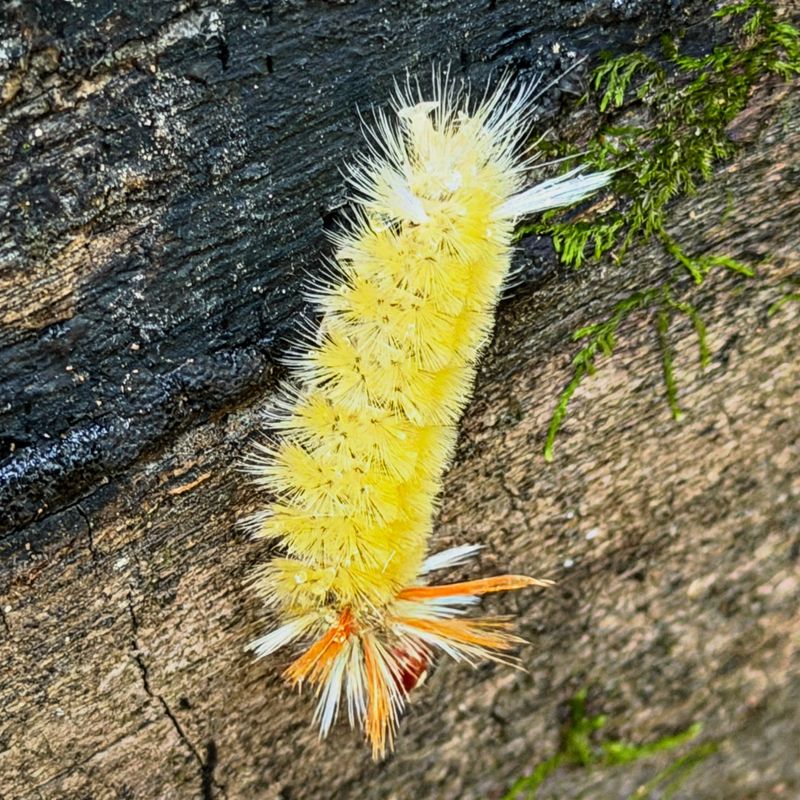
White Hickory Tussock Look-Alike: Sycamore Tussock Moth
© woodside_wanderer

Here is a sneaky cousin that fools a lot of people. The sycamore tussock moth caterpillar has a pale yellow body, fluffy tufts, and long orange and white hair pencils at each end.

It tends to hang out near sycamore trees, which line many streets and parks in the Hudson Valley and Long Island.

Its hairs can trigger the same kind of skin irritation as its hickory relative. Some folks barely notice, while others end up with a rash that itches for days.

A good rule of thumb: if a caterpillar has tufts, pencils, or bristles sticking out, admire it with your eyes only.

3. Saddleback Caterpillar
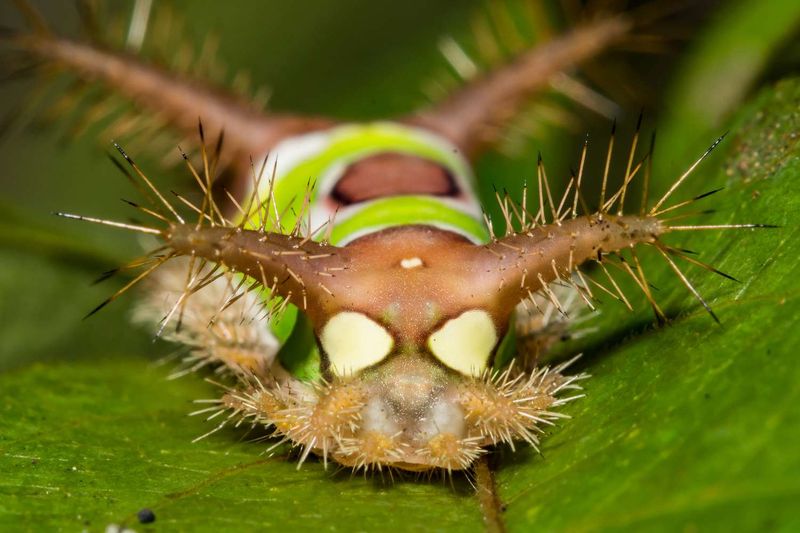
Saddleback Caterpillar
© Treehugger

Ever seen a bug wearing a tiny green saddle blanket? The saddleback caterpillar looks like a cartoon horse rider from above, with a bright green patch and a brown spot in the middle.

Don’t let the funny outfit fool you. Its fleshy horns are covered in venom-filled spines that deliver a sting many people compare to a wasp.

With hair that looks like a fancy wig or a tiny Persian cat, the puss caterpillar may be the cutest stinger around.

The pain can throb for hours, and nausea or swelling sometimes follows.

Saddlebacks are more common in the southern part of the state and like oaks, maples, and garden plants such as corn. Gardeners should wear gloves when pulling weeds in late summer.

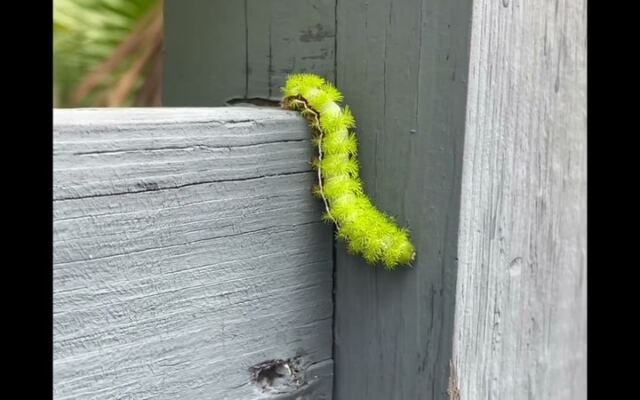
4. Io Moth Caterpillar
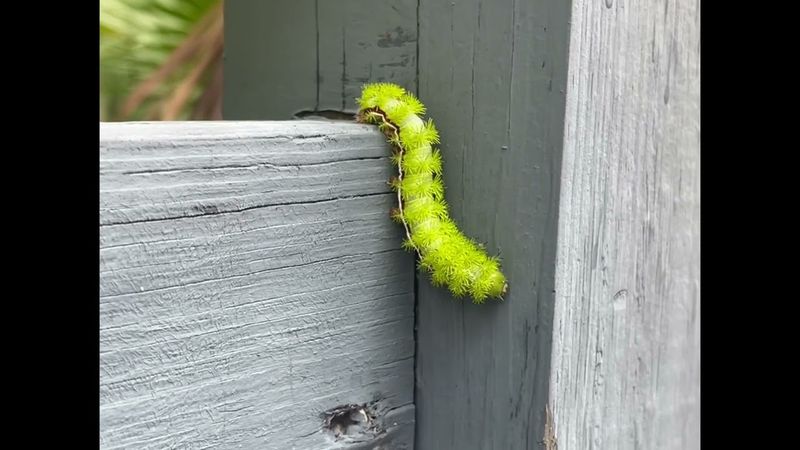
Io Moth Caterpillar
© YouTube

Bright green and covered in spiky clusters, the io moth caterpillar looks almost like a living cactus. A red and white stripe runs down each side, adding a splash of color that is easy to spot on willow, cherry, and maple leaves.

Each of those spines connects to a venom gland. Brush against one and you may feel an instant burning sting, followed by redness and a welt.

Fun fact: the adult io moth has big eyespots on its wings to scare off birds. Even as a grown-up, this insect is all about defense.

5. Puss Caterpillar (Southern Flannel Moth)
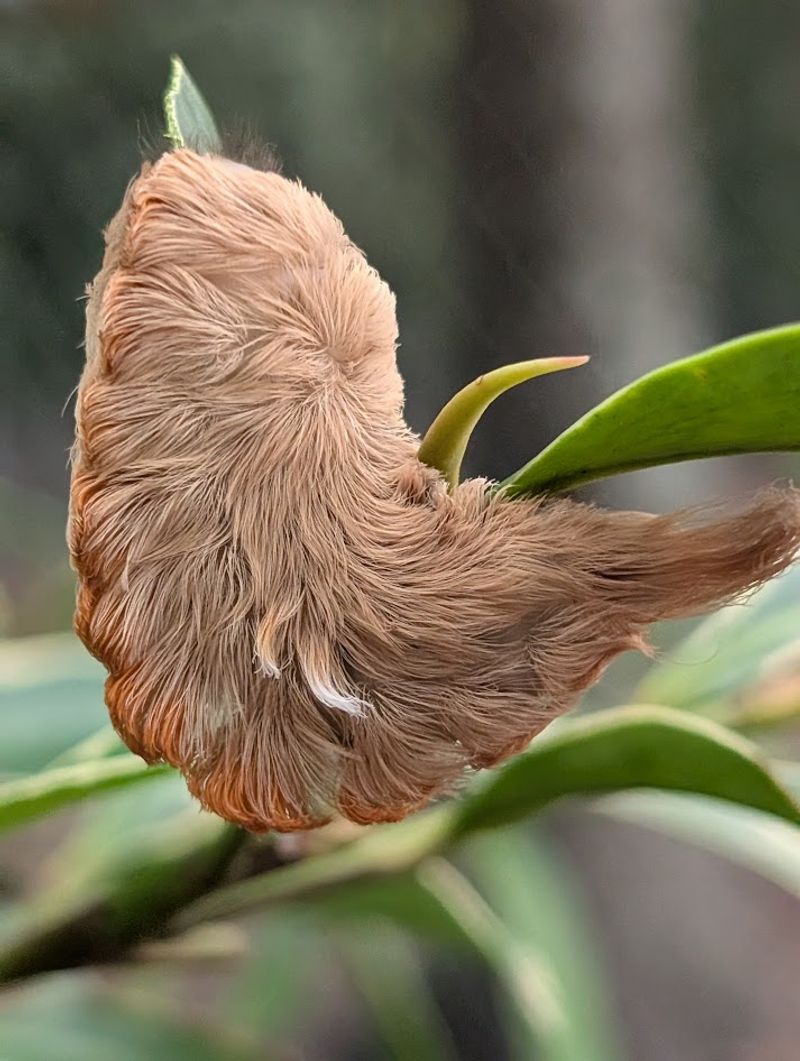
Puss Caterpillar (Southern Flannel Moth)
© Clemson HGIC – Clemson University

With hair that looks like a fancy wig or a tiny Persian cat, the puss caterpillar may be the cutest stinger around. It is far more common in southern states, but sightings near the southern edge of New York and in nearby states keep popping up.

Underneath all that silky fluff are venomous spines. Experts often call its sting one of the most painful of any North American caterpillar, with burning pain that can spread up an arm.

Rare as it is here, it earns a spot on this list because one touch is enough to ruin a weekend. Snap a photo and report the sighting instead.

6. Spongy Moth Caterpillar
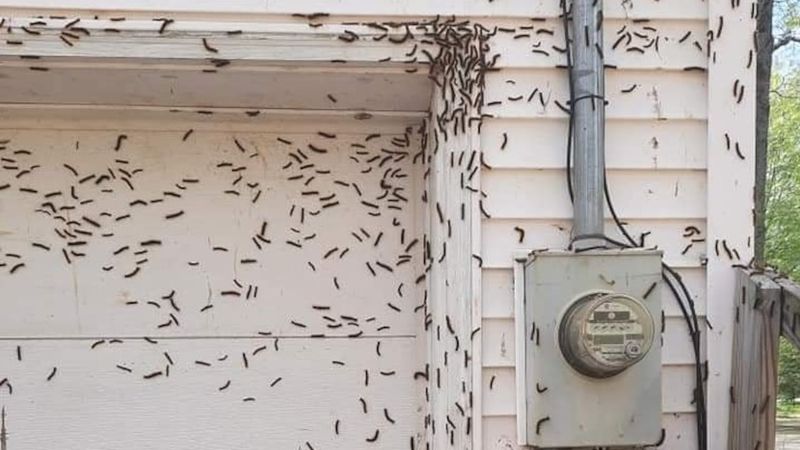
Spongy Moth Caterpillar
© Syracuse.com

Back in 2021, many New Yorkers watched these caterpillars strip whole hillsides of oak leaves. Once called the gypsy moth, the spongy moth is an invasive pest that has caused huge outbreaks across the state.

Look for a hairy gray body with pairs of blue dots followed by red dots along the back. The hairs can cause itchy rashes, and during big outbreaks people even react to hairs floating in the air.

Since it harms trees, the state encourages scraping off egg masses in fall and winter. Just use a tool, not your bare hands.

7. Browntail Moth Caterpillar
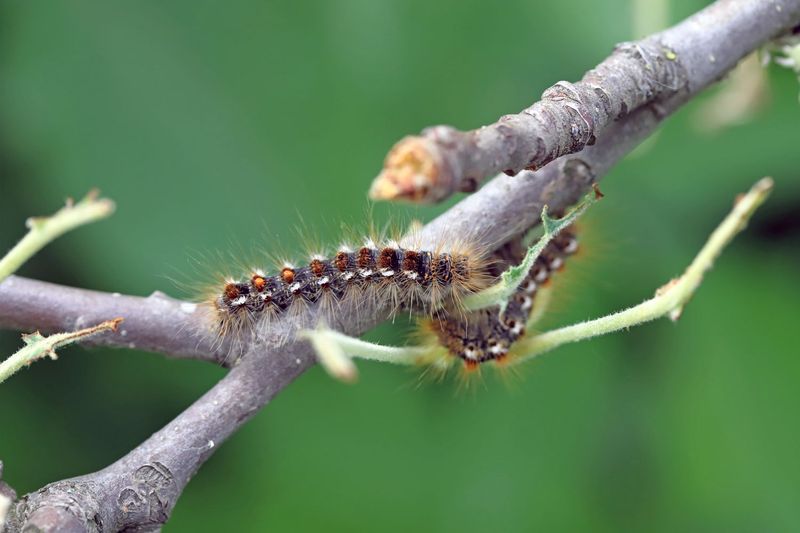
Browntail Moth Caterpillar
© Verywell Health

Maine residents know this one all too well, and New Yorkers in border areas should keep an eye out. The browntail moth caterpillar is dark brown with white tufts on its sides and two small orange dots near its tail.

Its tiny hairs contain a toxin that can stay active for up to three years. They blow around, land on laundry and lawn chairs, and cause a poison ivy-like rash or breathing trouble.

Spot one near your home? Contact your local Cooperative Extension office so experts can track the spread.

8. What to Do If You Get Stung

What to Do If You Get Stung
© Woodland Tree Service

Accidents happen, especially with curious kids. First, stay calm and avoid rubbing the spot, since that pushes hairs deeper into the skin.

Press a piece of sticky tape over the area and peel it off to pull out loose hairs and spines. Then wash with soap and water, and apply an ice pack to ease swelling.

A hydrocortisone cream or an oral antihistamine can help calm the itch.

Watch closely for trouble breathing, swelling of the face, or spreading hives. Those signs mean it is time to call 911 or head to urgent care right away.

Share this story

E

Written by

Elyanna

More from Elyanna →

A passion for lavender! From a young age, Elyanna has had a passion for lavender. It began at the age of two when her mother walked her through fields of lavender in Norfolk England. This ignited her interest; she has grown harvested and learned about this beautiful herb.

About Gardening Latest

Gardening Latest provides in-depth guides to maintaining and enhancing your garden and backyard. Learn how to make the most of the space you have and create a beautiful garden.

More about us →

Latest stories

  • New Jersey GardeningHere’s How New Jersey Gardeners Should Treat a Saddleback Caterpillar Sting the Moment It Happens

    Here’s How New Jersey Gardeners Should Treat a Saddleback Caterpillar Sting the Moment It Happens

    5 min ago
  • North Carolina GardeningCoyotes Are Howling Outside North Carolina Homes After Dark This Season, and There’s a Reason

    Coyotes Are Howling Outside North Carolina Homes After Dark This Season, and There’s a Reason

    11 min ago
  • Michigan GardeningRed Foxes Get Busier in Michigan Yards During Winter, and Here’s What They’re Actually Doing

    Red Foxes Get Busier in Michigan Yards During Winter, and Here’s What They’re Actually Doing

    16 min ago
  • Massachusetts GardeningAn Opossum Near Your Massachusetts Home in Winter Has a Reason, and Here’s What to Do

    An Opossum Near Your Massachusetts Home in Winter Has a Reason, and Here’s What to Do

    21 min ago
  • California GardeningHearing Coyotes Yip and Howl Around Your California Home After Dark? The Season Explains a Lot

    Hearing Coyotes Yip and Howl Around Your California Home After Dark? The Season Explains a Lot

    26 min ago

Gardening by state

Stories for your state, and the hardiness zone most of it gardens in.

Keep exploring

Read next

All New York Gardening →
New York GardeningIs That Poinsettia Actually Dangerous To Your Cat Or Dog? New York Pet Owners Should Know
New York Gardening

Is That Poinsettia Actually Dangerous To Your Cat Or Dog? New York Pet Owners Should Know

31 min ago
New York GardeningThese Wild Plants Around New York Homes Are Poisonous, And One Is Probably In Your Yard
New York Gardening

These Wild Plants Around New York Homes Are Poisonous, And One Is Probably In Your Yard

6 hr ago
New York GardeningThousands Of Crows Are Gathering Over New York Towns At Dusk, And Here’s Why
New York Gardening

Thousands Of Crows Are Gathering Over New York Towns At Dusk, And Here’s Why

9 hr ago

More from New York Gardening

  • Stink Bugs Sneaking Into Your New York House? This Cheap Trap Catches Them Overnight

    Nov 23
  • What It Really Means When a Red Fox Keeps Visiting Your New York Yard

    Nov 22
Back to top

Leave a response Cancel

Your email address stays private. Required fields are marked with an asterisk.

Gardening Latest

In-depth guides to maintaining and enhancing your garden and backyard: how to make the most of the space you have, and how to make it beautiful.

  • Facebook
  • X
  • Pinterest
  • YouTube

We may earn a portion of sales from products or services that are purchased through our site as part of our affiliate partnerships with retailers.

Explore

  • About GardeningLatest.com
  • Contact Us
  • Terms and Conditions
  • Privacy
  • Editorial Note:
  • FTC Disclosure

Newsletter

New garden guides and seasonal tips, straight to your inbox.

We’ll email you a link to confirm. Unsubscribe any time.

Almost there! Check your inbox and tap the link to confirm.

© 2026 Gardening Latest. All rights reserved.

Back to top