Get the latest garden guides in your inbox →
Gardening Latest
  • General Gardening
  • Lawn Care
  • Plant Care
  • Composting
  • Soil Health
  • Backyard
  • Garden Muse Magazine
  • General Gardening
  • Lawn Care
  • Plant Care
  • Composting
  • Soil Health
  • Backyard
  • Garden Muse Magazine
  • News
  • Gardening Calendar
  • Garden Structures
  • Vegetable Garden
  • Vertical Garden
  • Raised Beds
  • Hydroponics
  • General Equipment
  • Community Gardens
Garden Themes
  • Spiritual Garden
  • Hydroseeding
  • Seeding and Laying Sod
  • Artificial Grass
  • Lawn Care Equipment
  • Plants
  • Trees
  • Planting Tools
  • Composting Basics
  • Fertilizer
  • Alternative Growing Mediums
  • Front Yard
  • Backyard Activities
  • Landscaping
Gardening Latest

Explore by state

Which state is your garden in?

Currently viewing New York

All states

Northeast

  • Connecticut —
  • Delaware 20
  • Maine —
  • Maryland 6
  • Massachusetts 22
  • New Hampshire —
  • New Jersey 6
  • New York 16
  • Pennsylvania 16
  • Rhode Island —
  • Vermont —

Southeast

  • Alabama 6
  • Arkansas —
  • Florida 6
  • Georgia 7
  • Kentucky 20
  • Louisiana 5
  • Mississippi —
  • North Carolina 4
  • South Carolina 19
  • Tennessee 3
  • Virginia 5
  • West Virginia —

Midwest

  • Illinois 5
  • Indiana 8
  • Iowa 19
  • Kansas —
  • Michigan 6
  • Minnesota 5
  • Missouri 5
  • Nebraska —
  • North Dakota —
  • Ohio 7
  • South Dakota —
  • Wisconsin 21

Southwest

  • Arizona 6
  • Colorado —
  • Nevada —
  • New Mexico —
  • Oklahoma —
  • Texas 5
  • Utah —

West

  • Alaska —
  • California 6
  • Hawaii —
  • Idaho —
  • Montana —
  • Oregon —
  • Washington —
  • Wyoming —

No state matches that search.

Site menu

Gardening Latest
  • General Gardening
    • News
    • Gardening Calendar
    • Garden Structures
    • Vegetable Garden
    • Vertical Garden
    • Raised Beds
    • Hydroponics
    • General Equipment
    • Community Gardens
    Garden Themes
    • Spiritual Garden
  • Lawn Care
    • Hydroseeding
    • Seeding and Laying Sod
    • Artificial Grass
    • Lawn Care Equipment
  • Plant Care
    • Plants
    • Trees
    • Planting Tools
  • Composting
    • Composting Basics
  • Soil Health
    • Fertilizer
    • Alternative Growing Mediums
  • Backyard
    • Front Yard
    • Backyard Activities
    • Landscaping
  • Garden Muse Magazine

Explore

  • About GardeningLatest.com
  • Contact Us

Get the latest from the garden

New guides on lawn care, plants and backyard projects, sent when they go up.

Subscribe →

Follow

  • Facebook
  • X
  • Pinterest
  • YouTube
New York Gardening

Stink Bugs Sneaking Into Your New York House? This Cheap Trap Catches Them Overnight

A shallow pan of soapy water with a light aimed at it can catch brown marmorated stink bugs that are already inside…

E

By Elyanna

November 23, 2026 · 6 min read

Stink Bugs Sneaking Into Your New York House? This Cheap Trap Catches Them Overnight

A shallow pan of soapy water with a light aimed at it can catch brown marmorated stink bugs that are already inside your home. It costs next to nothing and uses things most people have in the kitchen.

Results vary from house to house, so it helps to know what to expect before you set it up. Here is how the trap works, how to use it safely, and what else you can do.

At a glance

Where
New York Gardening
Hardiness zone
7 0 to 10°F
Read
6 minutes
Published
November 23, 2026

Why brown marmorated stink bugs appear indoors in winter
Why brown marmorated stink bugs appear indoors in winter
© Green Pest Management

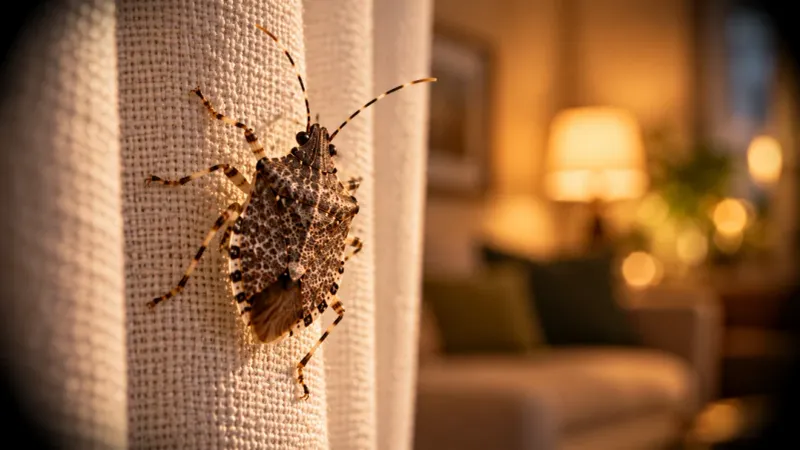
Cold weather sends brown marmorated stink bugs looking for shelter. Cornell’s New York fact sheet explains that in fall they seek protected places to overwinter, and in spring they emerge again.

Wall voids, attics, and gaps around window frames all make good hiding spots.

Winter can still bring surprises. On a sunny day or after the heat kicks on, warmth can draw the bugs out of hiding.

That is why you might spot one crawling on a curtain, a lamp, or a ceiling in January, even though it is freezing outside.

Picture a bug on your living room wall at noon in February. It did not just arrive.

It was probably tucked inside your house for weeks and woke up because the room warmed.

One note about scope. Everything in this article, from the seasonal timing to the trap advice, applies to brown marmorated stink bugs.

Other insects get called stink bugs too, and Purdue Extension notes that this species can be confused with other brown insects.

Look for a shield-shaped, mottled brown body about the size of a dime or a little larger. If your visitor looks quite different, the trap advice here may not apply to it.

What a home study found about light traps
What a home study found about light traps
© WVTF

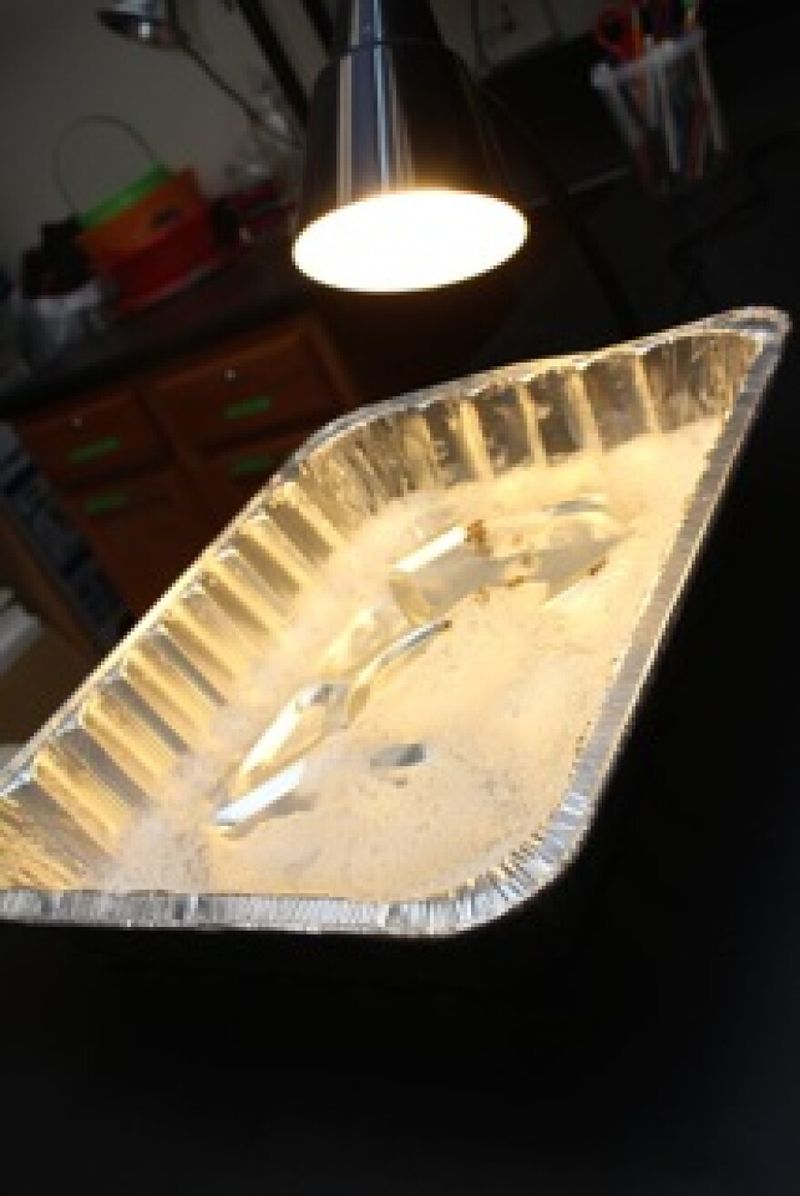
Researchers in Virginia wanted to know which light traps work best inside real homes. In a Journal of Extension study, citizen scientists tested several indoor light traps for catching brown marmorated stink bugs.

The aluminum-foil water-pan light trap performed best among those tested.

You can reduce the number of bugs wandering your rooms, but you are not eliminating an infestation.

The timing matters. The researchers tested homes in late winter and early spring, when overwintering bugs begin to stir indoors.

Your own house in a different month could behave differently.

So what does this tell you? It shows the pan trap is a reasonable, low-cost way to catch some bugs.

It was the top performer among the options the study compared.

What it does not tell you is how your home will fare. The study does not establish a universal result for New York households, and it gives no promised count.

Your trap might catch several bugs, a couple, or none.

Treat the trap as a low-risk experiment. If it catches bugs, you have removed a few.

If it does not, you have lost a little water and a few minutes.

Set up a soapy-water trap safely
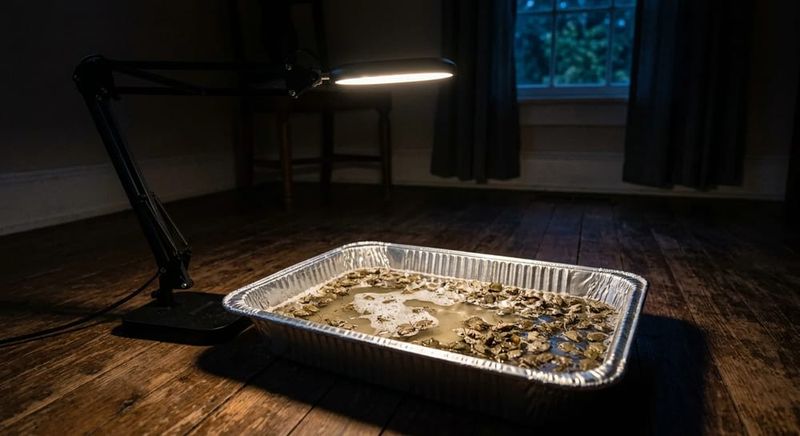
Set up a soapy-water trap safely
© I’m Home

Start with a roasting pan or other shallow pan. Fill it with water and add a few drops of dish soap.

The soap breaks the surface tension so bugs sink instead of floating away.

Next, aim a light at the pan and place the setup in a dark room. As UC Statewide IPM describes it, bugs drawn to the light may fall into the water and drown.

Turn off other lights so the pan is the brightest thing in the room.

Electricity and water are a dangerous mix. University of Tennessee Extension warns about using an electrical light source near water.

Do not place an unprotected electrical light where it could contact the pan or the water, and do not leave a plugged-in lamp where it could tip or be knocked over. There is no safe distance to rely on, so set it up so contact cannot happen.

Check the trap in the morning. Empty the pan, rinse it, and refill it if you want to try again that night.

Repeat as needed while bugs keep showing up.

Keep pets and small children out of the room, since the pan holds soapy water. Dispose of the bugs in the toilet or trash.

The trap removes bugs but does not keep them out
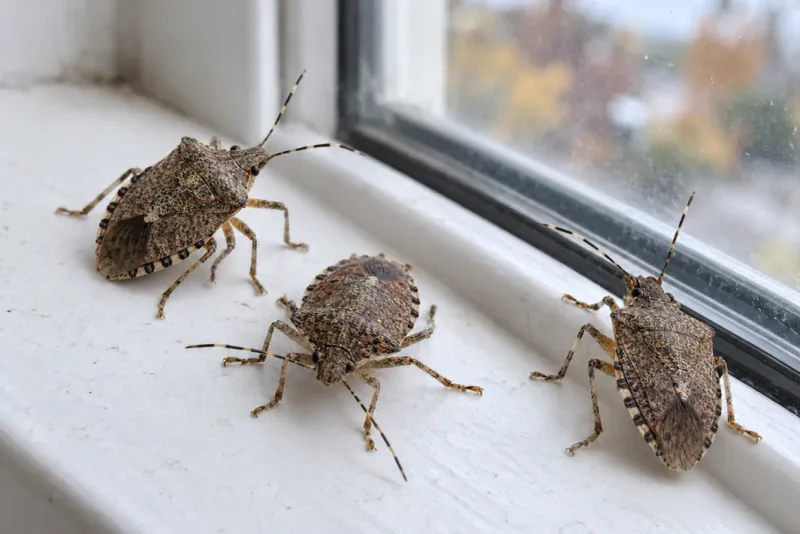
The trap removes bugs but does not keep them out
© Green Pest Management

A pan trap deals with bugs that are already inside. It does not stop more from crawling out of wall gaps, and it does not block new ones from entering.

The EPA says additional tactics are needed for complete control.

Think of it as bailing water, not fixing the leak. You can reduce the number of bugs wandering your rooms, but you are not eliminating an infestation.

Here is the reassuring part. Brown marmorated stink bugs are a nuisance indoors, but Cornell’s fact sheet notes that they do not reproduce in homes or cause structural damage.

The ones you see are the ones that came in last fall, not a growing family.

Skip the sprays and foggers. The EPA says indoor sprays will not prevent more bugs from emerging from cracks, and Cornell’s New York fact sheet says foggers are not recommended for this problem.

They are not a lasting fix.

If you keep finding bugs week after week, that is a clue. They are likely emerging from the same hiding spot, such as a window frame or attic edge, and sealing entry points will do more than any trap.

Remove a single bug without crushing it
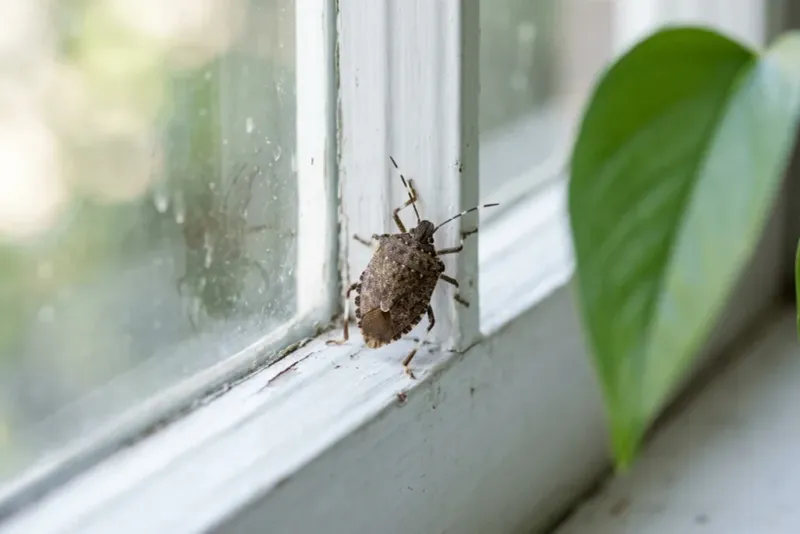
Remove a single bug without crushing it
© Pest Me Off

One bug on the wall does not call for a trap. Cornell recommends vacuuming it or removing it without crushing it.

The reason is simple. A crushed stink bug can release an unpleasant odor, and nobody wants that smell on a curtain or a couch.

A vacuum may also retain the odor. If your vacuum starts to smell, empty the bag or canister soon, and take the contents outside.

If you would rather skip the vacuum, scoop the bug gently into a cup or jar with a piece of paper. Then release it outdoors or drop it into a toilet and flush.

Save the pan trap for nights when you are seeing several bugs, or when they keep reappearing in the same room. For a lone visitor, a calm, quick removal is plenty.

Seal gaps to reduce entry

Seal gaps to reduce entry
© Specter Pest Control

Removing bugs indoors is only half the job. Reducing the ways they get in is the other half.

The EPA and Cornell IPM both point to sealing entry points as a key step.

Walk around your home and look closely at windows, doors, foundations, pipes, vents, and other openings. Seal gaps you find with caulk or weatherstripping.

Pay attention to spots where utility lines pass through walls.

Check your screens too. Small tears in a window or vent screen are easy for a stink bug to use.

Patch or replace damaged ones so they stay in good repair.

Renters can still help. Report gaps or torn screens to your landlord, and use removable weatherstripping on windows if your lease allows it.

Even careful sealing will not guarantee that no bugs ever appear. It simply reduces the routes inside, which means fewer bugs for your trap to deal with next winter.

A tight house and a simple pan make a sensible pair.

Share this story

E

Written by

Elyanna

More from Elyanna →

A passion for lavender! From a young age, Elyanna has had a passion for lavender. It began at the age of two when her mother walked her through fields of lavender in Norfolk England. This ignited her interest; she has grown harvested and learned about this beautiful herb.

About Gardening Latest

Gardening Latest provides in-depth guides to maintaining and enhancing your garden and backyard. Learn how to make the most of the space you have and create a beautiful garden.

More about us →

Latest stories

  • California GardeningThis Is the California Shrub Rattlesnakes Love to Hide Under Near Your Path

    This Is the California Shrub Rattlesnakes Love to Hide Under Near Your Path

    2 min ago
  • Ohio GardeningWhen Your Neighbor’s Tree Crashes Into Your Ohio Yard, Here’s Who Actually Pays

    When Your Neighbor’s Tree Crashes Into Your Ohio Yard, Here’s Who Actually Pays

    13 min ago
  • Indiana GardeningSpot A Big Black Caterpillar With White Spots In Indiana? Here’s Why You Shouldn’t Touch It

    Spot A Big Black Caterpillar With White Spots In Indiana? Here’s Why You Shouldn’t Touch It

    19 min ago
  • Pennsylvania GardeningThese Backyard Plants Are Actually Banned In Pennsylvania And Growing Them Gets You In Trouble

    These Backyard Plants Are Actually Banned In Pennsylvania And Growing Them Gets You In Trouble

    24 min ago
  • Arizona GardeningKissing Bugs Head Indoors As Arizona Nights Get Colder, So Check These Bedroom Spots

    Kissing Bugs Head Indoors As Arizona Nights Get Colder, So Check These Bedroom Spots

    29 min ago

Gardening by state

Stories for your state, and the hardiness zone most of it gardens in.

Keep exploring

Read next

All New York Gardening →
New York GardeningWhat It Really Means When a Red Fox Keeps Visiting Your New York Yard
New York Gardening

What It Really Means When a Red Fox Keeps Visiting Your New York Yard

2 hr ago
New York GardeningThese Venomous Animals Share Your New York Backyard, Here’s How To Spot Them
New York Gardening

These Venomous Animals Share Your New York Backyard, Here’s How To Spot Them

6 hr ago
New York GardeningYour Neighbor’s Leaves Keep Blowing Into Your New York Yard, So Who Has To Rake Them?
New York Gardening

Your Neighbor’s Leaves Keep Blowing Into Your New York Yard, So Who Has To Rake Them?

9 hr ago

More from New York Gardening

  • Getting Your New York Yard Ready for Coyote Breeding Season

    Nov 18
  • Your New York Christmas Cactus Is Dropping Its Buds, And Here’s What It’s Telling You

    Nov 18
Back to top

Leave a response Cancel

Your email address stays private. Required fields are marked with an asterisk.

Gardening Latest

In-depth guides to maintaining and enhancing your garden and backyard: how to make the most of the space you have, and how to make it beautiful.

  • Facebook
  • X
  • Pinterest
  • YouTube

We may earn a portion of sales from products or services that are purchased through our site as part of our affiliate partnerships with retailers.

Explore

  • About GardeningLatest.com
  • Contact Us
  • Terms and Conditions
  • Privacy
  • Editorial Note:
  • FTC Disclosure

Newsletter

New garden guides and seasonal tips, straight to your inbox.

We’ll email you a link to confirm. Unsubscribe any time.

Almost there! Check your inbox and tap the link to confirm.

© 2026 Gardening Latest. All rights reserved.

Back to top