Get the latest garden guides in your inbox →
Gardening Latest
  • General Gardening
  • Lawn Care
  • Plant Care
  • Composting
  • Soil Health
  • Backyard
  • Garden Muse Magazine
  • General Gardening
  • Lawn Care
  • Plant Care
  • Composting
  • Soil Health
  • Backyard
  • Garden Muse Magazine
  • News
  • Gardening Calendar
  • Garden Structures
  • Vegetable Garden
  • Vertical Garden
  • Raised Beds
  • Hydroponics
  • General Equipment
  • Community Gardens
Garden Themes
  • Spiritual Garden
  • Hydroseeding
  • Seeding and Laying Sod
  • Artificial Grass
  • Lawn Care Equipment
  • Plants
  • Trees
  • Planting Tools
  • Composting Basics
  • Fertilizer
  • Alternative Growing Mediums
  • Front Yard
  • Backyard Activities
  • Landscaping
Gardening Latest

Explore by state

Which state is your garden in?

Currently viewing New Jersey

All states

Northeast

  • Connecticut —
  • Delaware 28
  • Maine —
  • Maryland 15
  • Massachusetts 31
  • New Hampshire —
  • New Jersey 15
  • New York 24
  • Pennsylvania 24
  • Rhode Island —
  • Vermont —

Southeast

  • Alabama 14
  • Arkansas —
  • Florida 15
  • Georgia 15
  • Kentucky 28
  • Louisiana 13
  • Mississippi —
  • North Carolina 13
  • South Carolina 27
  • Tennessee 11
  • Virginia 14
  • West Virginia —

Midwest

  • Illinois 13
  • Indiana 16
  • Iowa 28
  • Kansas —
  • Michigan 15
  • Minnesota 13
  • Missouri 13
  • Nebraska —
  • North Dakota —
  • Ohio 15
  • South Dakota —
  • Wisconsin 29

Southwest

  • Arizona 14
  • Colorado —
  • Nevada —
  • New Mexico —
  • Oklahoma —
  • Texas 13
  • Utah —

West

  • Alaska —
  • California 14
  • Hawaii —
  • Idaho —
  • Montana —
  • Oregon —
  • Washington —
  • Wyoming —

No state matches that search.

Site menu

Gardening Latest
  • General Gardening
    • News
    • Gardening Calendar
    • Garden Structures
    • Vegetable Garden
    • Vertical Garden
    • Raised Beds
    • Hydroponics
    • General Equipment
    • Community Gardens
    Garden Themes
    • Spiritual Garden
  • Lawn Care
    • Hydroseeding
    • Seeding and Laying Sod
    • Artificial Grass
    • Lawn Care Equipment
  • Plant Care
    • Plants
    • Trees
    • Planting Tools
  • Composting
    • Composting Basics
  • Soil Health
    • Fertilizer
    • Alternative Growing Mediums
  • Backyard
    • Front Yard
    • Backyard Activities
    • Landscaping
  • Garden Muse Magazine

Explore

  • About GardeningLatest.com
  • Contact Us

Get the latest from the garden

New guides on lawn care, plants and backyard projects, sent when they go up.

Subscribe →

Follow

  • Facebook
  • X
  • Pinterest
  • YouTube
New Jersey Gardening

The Northern Short-tailed Shrew: A Small Venomous Mammal Documented in New Jersey

Venom is not just for snakes and spiders. A small mammal called the northern short-tailed shrew has saliva that scientists…

AR

By Angela Russo

November 24, 2026 · 6 min read

The Northern Short-tailed Shrew: A Small Venomous Mammal Documented in New Jersey

Venom is not just for snakes and spiders. A small mammal called the northern short-tailed shrew has saliva that scientists describe as venomous, and it is listed as living in New Jersey.

Some headlines stretch the story, so it helps to sort out what is known from what is guessed. Here is what the research says, and what to do if you ever meet one.

At a glance

Where
New Jersey Gardening
Hardiness zone
7 0 to 10°F
Read
6 minutes
Published
November 24, 2026

A venomous shrew is documented in New Jersey
A venomous shrew is documented in New Jersey
© Reddit

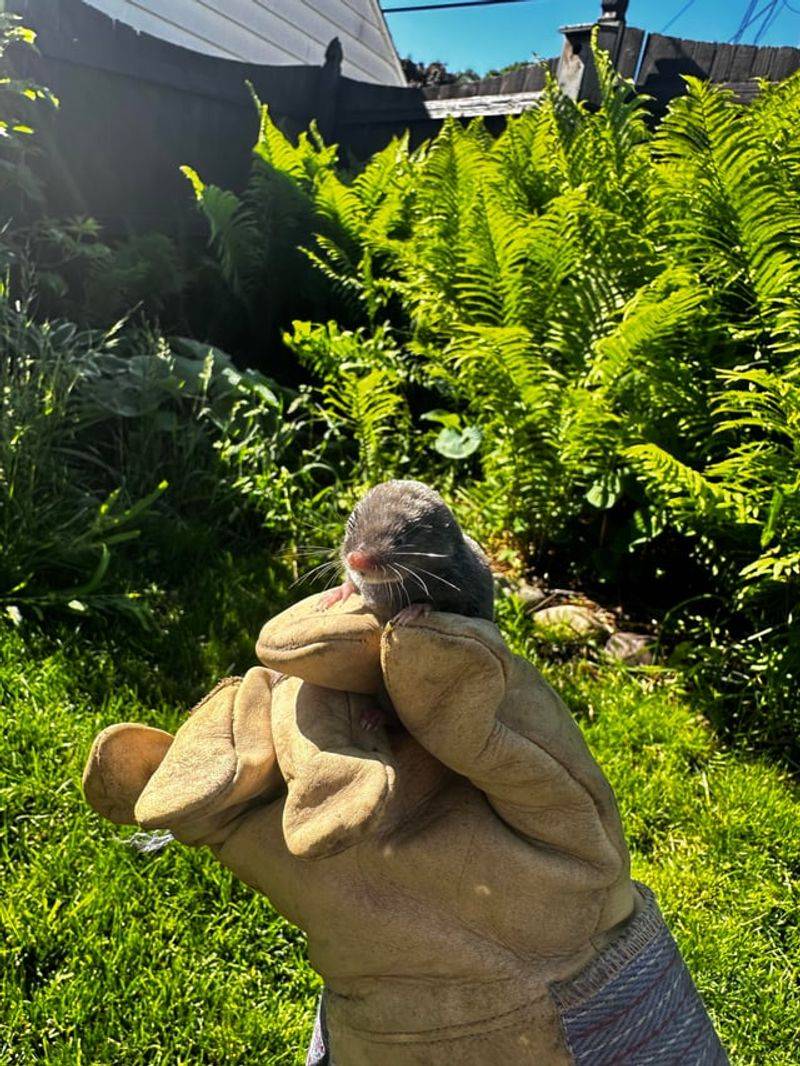
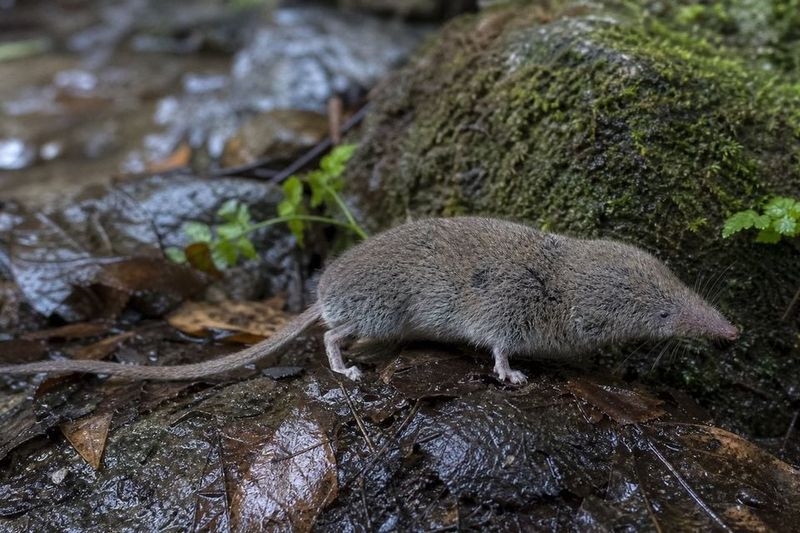
Meet Blarina brevicauda, the northern short-tailed shrew. It is a small, dark gray mammal with velvety fur, tiny eyes, and a pointed snout.

Most people never notice one, because it spends its life moving through leaf litter, tunnels, and thick plant cover.

Its place in New Jersey is well recorded. The American Society of Mammalogists lists the species and describes it as not tied to one specific habitat.

The state’s own checklist of New Jersey mammals also marks the short-tailed shrew as present.

That is the solid part of the story. A presence listing tells us the animal lives in the state.

It does not tell us how many live in your town, or whether one is living under your hedge.

So the claim that these shrews are common across New Jersey yards goes further than the records do. A shrew might be nearby, or it might not.

Because the animal is secretive and mostly hidden under cover, most residents would have no way of knowing either way.

What we can say with confidence is that a mammal with venomous saliva belongs on New Jersey’s wildlife list. The rest of this article looks at where it might turn up, what its venom does, and how worried anyone needs to be.

Could it turn up near a garden?
Could it turn up near a garden?
© Outforia

Picture the edge of a vegetable patch where leaves pile up under shrubs and the soil stays damp. To a shrew, that kind of spot looks like a decent place to live.

It offers cover from predators and a steady supply of small creatures to eat.

Illinois DNR lists a head and body of 3 to 4 inches, plus a short tail of about 0.5 to 1.2 inches.

Tennessee’s wildlife agency lists habitats for this species that include woodlands, grasslands, and brush. Its diet includes earthworms, snails, spiders, and insect larvae.

Many of those animals also live in leaf litter and the soil of gardens.

Put those facts together and a shrew near a garden is plausible. That is where the case stops, though.

The sources do not show that these shrews routinely hunt in New Jersey garden beds, so it would be a mistake to treat the title’s claim as fact.

Gardens are also not the only or preferred home of this animal. It is found in a range of settings, and a wooded lot or a weedy field edge may suit it just as well.

If you want a practical clue, look at your own space. Thick leaf piles, dense ground cover, and damp soil full of worms and insects make better shrew habitat than bare, dry, tidy ground.

Even then, spotting one is unlikely, since the animal stays hidden most of the time.

Toxic saliva helps subdue prey
Toxic saliva helps subdue prey
© Life’s Emergency Training

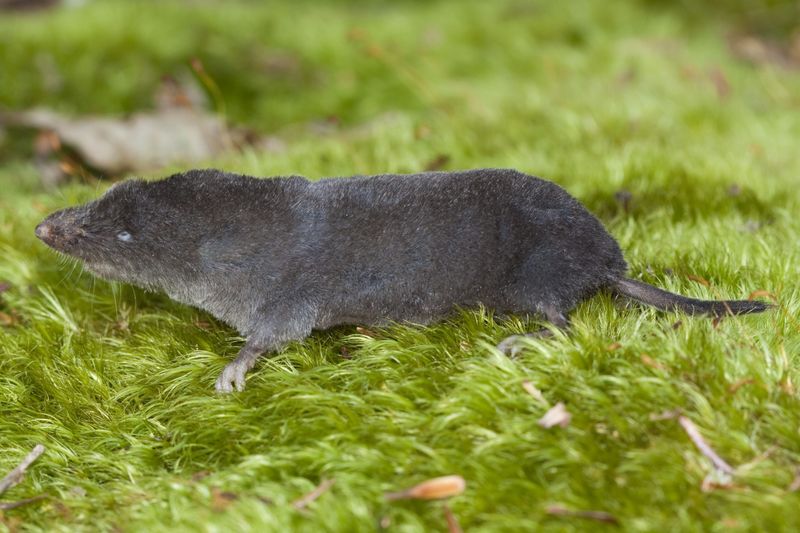
Shrews live fast and eat often, and the northern short-tailed shrew has a tool that helps it handle food. Its saliva contains a toxin.

In a 2004 study in PNAS, researchers isolated and characterized this toxin, which they named Blarina toxin, from the species’ saliva and described it as a lethal mammalian venom.

The research ties the venom to prey. The shrew’s menu includes small animals such as small mammals and frogs, and toxic saliva can help it subdue them.

That is the job the venom appears to do in nature.

Notice what that means. The venom is a feeding tool, not a defense system aimed at people.

Nothing in this prey-capture research shows that the shrew is a general danger to humans.

It also helps to keep the claim narrow. The finding applies to the northern short-tailed shrew.

It does not mean every shrew in New Jersey or anywhere else carries the same kind of venom, so there is no reason to treat all shrews as venomous.

For a curious gardener, the takeaway is a fun piece of natural history. A tiny animal that looks plain at first glance carries a surprising chemical advantage, and it uses it on creatures much closer to its own size than yours.

Small, but not smaller than a thumb
Small, but not smaller than a thumb
© Friends of Murphys Point Park

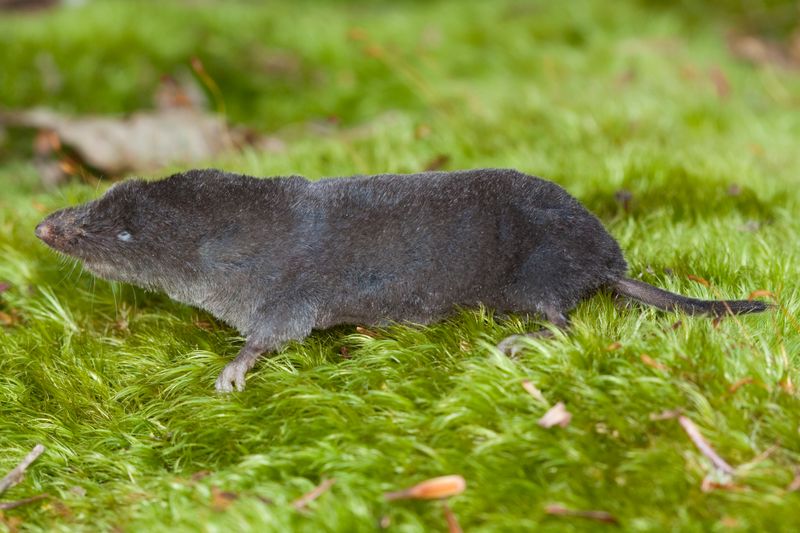
Tiny, yes. Thumb-sized, no. Published measurements put the northern short-tailed shrew’s total length at roughly 3.7 to 5 inches, which is closer to the length of a pencil stub than to the tip of a finger.

Tennessee’s wildlife agency gives that 3.7 to 5.0 inch total length. Illinois DNR lists a head and body of 3 to 4 inches, plus a short tail of about 0.5 to 1.2 inches.

The numbers line up well.

The name offers a hint too. The tail is short compared with the body, which gives the animal its stocky, blunt look.

Small size does not make a shrew safe to pick up. A wild animal that bites and carries venomous saliva is best left alone, whatever its dimensions.

Its compact build is simply part of how it moves through tight tunnels and dense litter.

If you do glimpse something dark and mouse-like in the leaves, remember that it may be a shrew, and that a quick look from a distance is plenty.

A bite can hurt without making the shrew a human menace
A bite can hurt without making the shrew a human menace
© Reddit

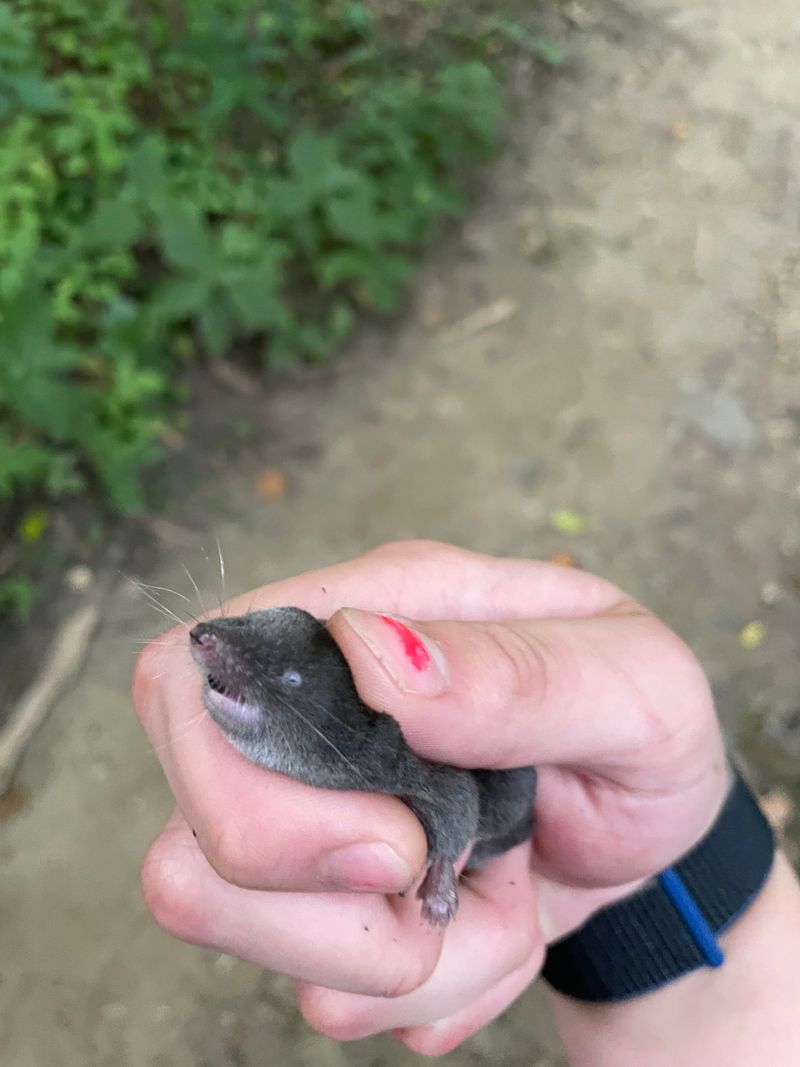
Reports of human bites are few, and they paint a limited picture. The PNAS study mentions accounts of bites causing localized burning and swelling.

These are stories, not a systematic check of what happens to people who are bitten.

Another source adds some balance. A University of Wisconsin Extension guide says a bite may cause painful swelling but is not life-threatening.

Read together, these point to a bite that can hurt, but not to a major risk. That is reassuring, yet it falls short of saying a bite is harmless.

With so little careful data, no one can promise how every bite will go.

It also works the other way. Nothing here supports the idea that this shrew is a menace to people or that its venom is generally dangerous.

Bites are most likely when someone grabs or traps one, which is exactly what to avoid.

The sensible middle ground is simple. Treat a bite as something to take seriously, expect local pain and swelling as the likeliest story, and get advice instead of guessing.

Give it space and seek advice after a bite
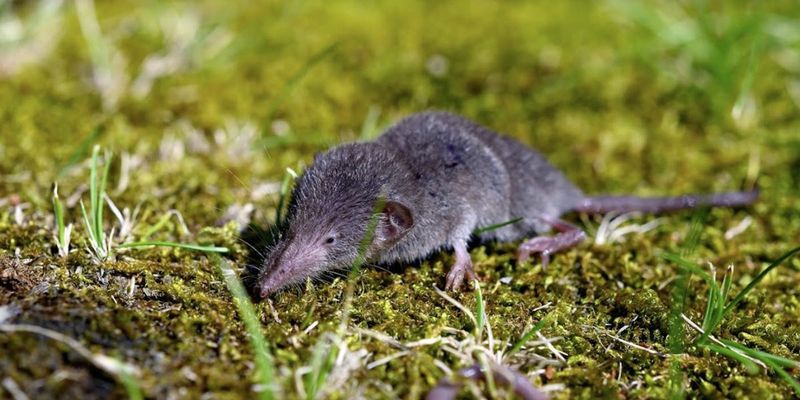
Give it space and seek advice after a bite
© Solutions Pest & Lawn

If a shrew crosses your path, let it go on its way. Do not try to handle it, corner it, or catch it for a closer look.

Federal wildlife guidance, such as the U.S. Fish and Wildlife Service’s New Jersey wildlife FAQs, advises leaving wildlife alone when it is not threatening people or property.

Wearing gloves when you move leaf piles, brush, or stored pots is a quiet way to cut the odds of a surprise bite. So is watching where your hands go in dense cover.

If a bite does happen, wash the wound promptly with soap and water. Then contact a healthcare professional or your local public-health authority for advice.

CDC guidance calls for prompt washing and a professional risk assessment after contact with wildlife.

That call is about getting a proper assessment, including whether rabies-related care makes sense in your situation. It does not mean every bite needs rabies treatment.

The professional decides based on the details.

A shrew only wants worms and beetles, and a little distance keeps everyone safe.

Share this story
AR

Written by

Angela Russo

More from Angela Russo →

About Gardening Latest

Gardening Latest provides in-depth guides to maintaining and enhancing your garden and backyard. Learn how to make the most of the space you have and create a beautiful garden.

More about us →

Latest stories

  • Florida GardeningCoral Snakes And Pygmy Rattlers Live In Florida Yards, So Here’s How To Recognize Each Venomous Creature

    Coral Snakes And Pygmy Rattlers Live In Florida Yards, So Here’s How To Recognize Each Venomous Creature

    4 min ago
  • Maryland GardeningMaryland Backyards May Shelter a Small Mammal With Toxic Saliva

    Maryland Backyards May Shelter a Small Mammal With Toxic Saliva

    11 min ago
  • Iowa GardeningSpotted a Big White Owl Perched on Your Iowa Fence Post? Here’s Why It Came South

    Spotted a Big White Owl Perched on Your Iowa Fence Post? Here’s Why It Came South

    17 min ago
  • Virginia GardeningHere’s Exactly When To Put The Mower Away For Good In Virginia This Year

    Here’s Exactly When To Put The Mower Away For Good In Virginia This Year

    23 min ago
  • New Jersey GardeningHere’s How New Jersey Gardeners Should Treat a Saddleback Caterpillar Sting the Moment It Happens

    Here’s How New Jersey Gardeners Should Treat a Saddleback Caterpillar Sting the Moment It Happens

    30 min ago

Gardening by state

Stories for your state, and the hardiness zone most of it gardens in.

Keep exploring

Read next

All New Jersey Gardening →
New Jersey GardeningHere’s How New Jersey Gardeners Should Treat a Saddleback Caterpillar Sting the Moment It Happens
New Jersey Gardening

Here’s How New Jersey Gardeners Should Treat a Saddleback Caterpillar Sting the Moment It Happens

30 min ago
New Jersey GardeningHearing Coyotes Howl Near Your New Jersey Home at Night? Here’s What They’re Actually Saying
New Jersey Gardening

Hearing Coyotes Howl Near Your New Jersey Home at Night? Here’s What They’re Actually Saying

6 hr ago
New Jersey GardeningNew Jersey Folks Eating Celery Every Day Are Learning What It Really Does To Their Bodies
New Jersey Gardening

New Jersey Folks Eating Celery Every Day Are Learning What It Really Does To Their Bodies

9 hr ago

More from New Jersey Gardening

  • The Tiniest Owl In New Jersey Weighs About As Much As A Stick Of Butter, And It’s Roosting In Backyard Evergreens

    Nov 23
  • These Toxic Mushrooms Are Popping Up In New Jersey Yards, And Here’s How To Recognize Each One

    Nov 22
Back to top

Leave a response Cancel

Your email address stays private. Required fields are marked with an asterisk.

Gardening Latest

In-depth guides to maintaining and enhancing your garden and backyard: how to make the most of the space you have, and how to make it beautiful.

  • Facebook
  • X
  • Pinterest
  • YouTube

We may earn a portion of sales from products or services that are purchased through our site as part of our affiliate partnerships with retailers.

Explore

  • About GardeningLatest.com
  • Contact Us
  • Terms and Conditions
  • Privacy
  • Editorial Note:
  • FTC Disclosure

Newsletter

New garden guides and seasonal tips, straight to your inbox.

We’ll email you a link to confirm. Unsubscribe any time.

Almost there! Check your inbox and tap the link to confirm.

© 2026 Gardening Latest. All rights reserved.

Back to top