Venom usually makes people think of snakes and spiders, but a small Maryland mammal has it too. The northern short-tailed shrew lives across the state, and its saliva contains toxins that help it handle prey.
Most people never see one because it spends so much time hidden under leaves and soil. Knowing what it is, and what it is not, helps you respond calmly if one turns up near your garden.
A northern short-tailed shrew may shelter in a Maryland yard
Under a layer of damp leaves, something small may be hunting right now. According to Maryland DNR, the northern short-tailed shrew occurs throughout the state and can be found in forests, fields, and backyards.
That statewide range does not mean one visits every yard. A shrew may live near a garden for years without anyone noticing, while a yard with bare, tidy soil and little cover may never host one.
Gardeners with leafy borders, mulch piles, or woodland edges have the best chance of sharing space with one.
Size is easy to misjudge. Maryland DNR gives the total length as 4.3 to 5.5 inches, which includes the short tail.
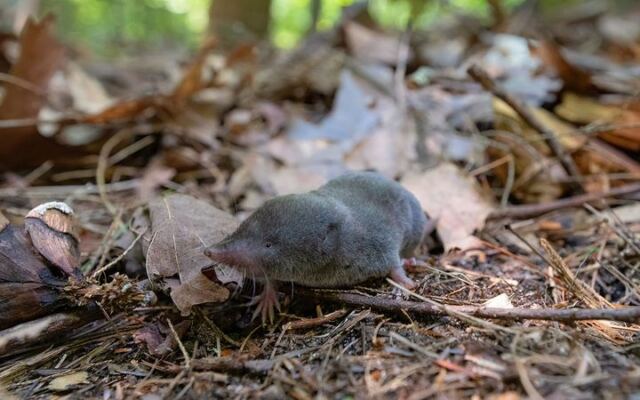
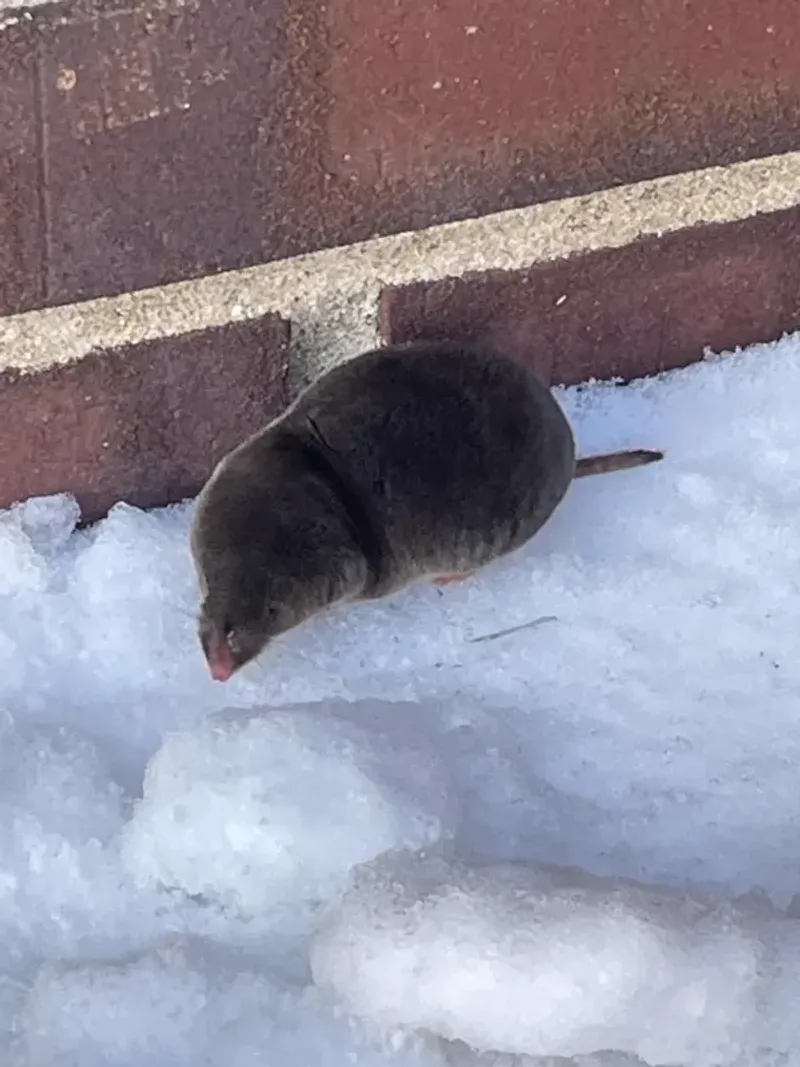
That is longer than a thumb, though the animal still looks compact, with dark gray fur, a pointed snout, tiny eyes, and a stocky body.
Much of its life happens out of sight. The shrew spends a lot of time underground or beneath leaf litter, moving through cover instead of crossing open lawn.
If you do spot one, you are probably seeing a brief moment in a very hidden routine.
Because it stays so low and so quiet, many people confuse it with a mouse or a mole. A closer look at the pointed nose and the very short tail can help you tell the difference.
Later sections explain how to separate shrews from animals that actually damage gardens.
Its saliva contains a genuine toxin
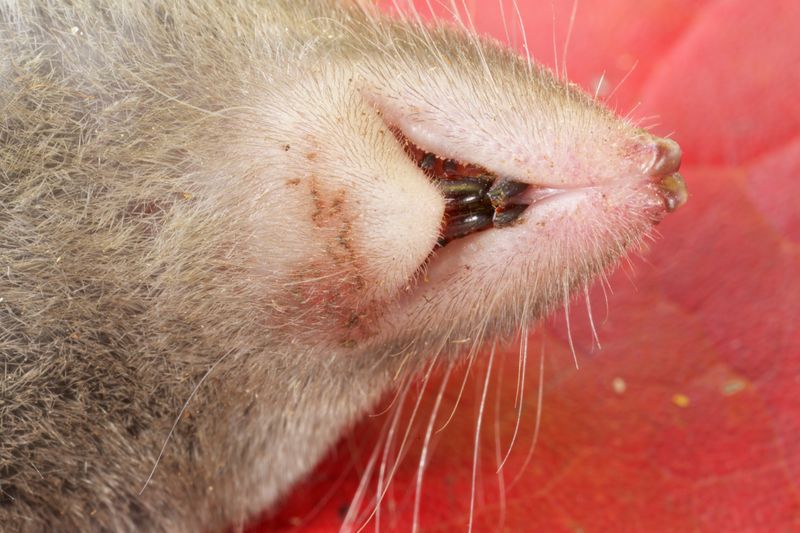
Shrew venom is not a backyard legend. Scientists have studied it in laboratories for decades, and the results point to real toxins in the animal’s saliva.
In an early experimental study, Kita and colleagues isolated and characterized a toxin from the short-tailed shrew, Blarina brevicauda. They called it Blarina toxin.
In plain terms, they pulled a specific poisonous compound out of the saliva and described what it was and how it behaved.
Later work took a wider view. A multi-omic study by Rowe and colleagues analyzed the proteins linked to the species’ venom.
Their title describes the venom as relatively simple, which means it appears to rely on a fairly small set of key components instead of a huge cocktail.
These studies have limits worth knowing. They focus on the northern short-tailed shrew, so they do not automatically describe every shrew species in the world.
They also do not tell us exactly what happens to every person who might be bitten.
What they do establish is the core fact: the saliva is toxic, and the toxin has been identified and studied with modern methods. That is a solid reason to treat the animal with respect, without turning it into a monster.
Small teeth deliver the venom in a bite
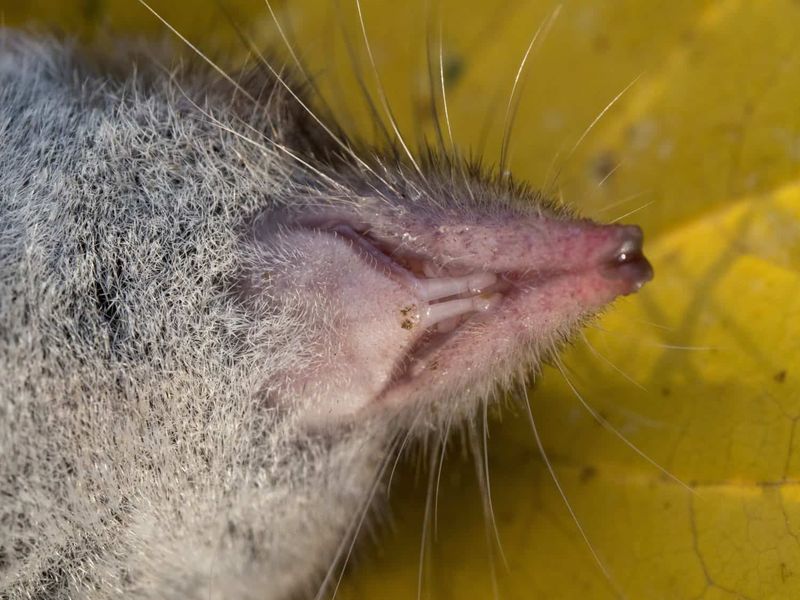
Picture a snake and you probably see long, hollow fangs that inject venom like needles. The shrew works differently.
It has small teeth, and the toxic saliva reaches its target when the animal bites.
As described in the early study that characterized Blarina toxin, the toxin comes from the saliva. So the bite is the delivery route, and the saliva mixes into the wound or enters through the broken skin of prey.
This is a useful detail for gardeners. No special injecting equipment exists, and there is nothing to see from a distance.
A shrew is a tiny, fast animal, and its mouth is the only tool involved.
Meeting a shrew does not mean being bitten. Wild shrews usually spend their time hunting and hiding, and most would rather flee than fight.
Bites are far more likely if someone tries to catch, handle, or corner one.
The research also does not predict what happens after every bite. Reactions can differ, and the studies were not designed to map every outcome in people.
Maryland DNR notes that the animal is not considered dangerous to humans but that it can bite, which is why leaving it alone is the sensible approach.
What researchers know about the venom’s role
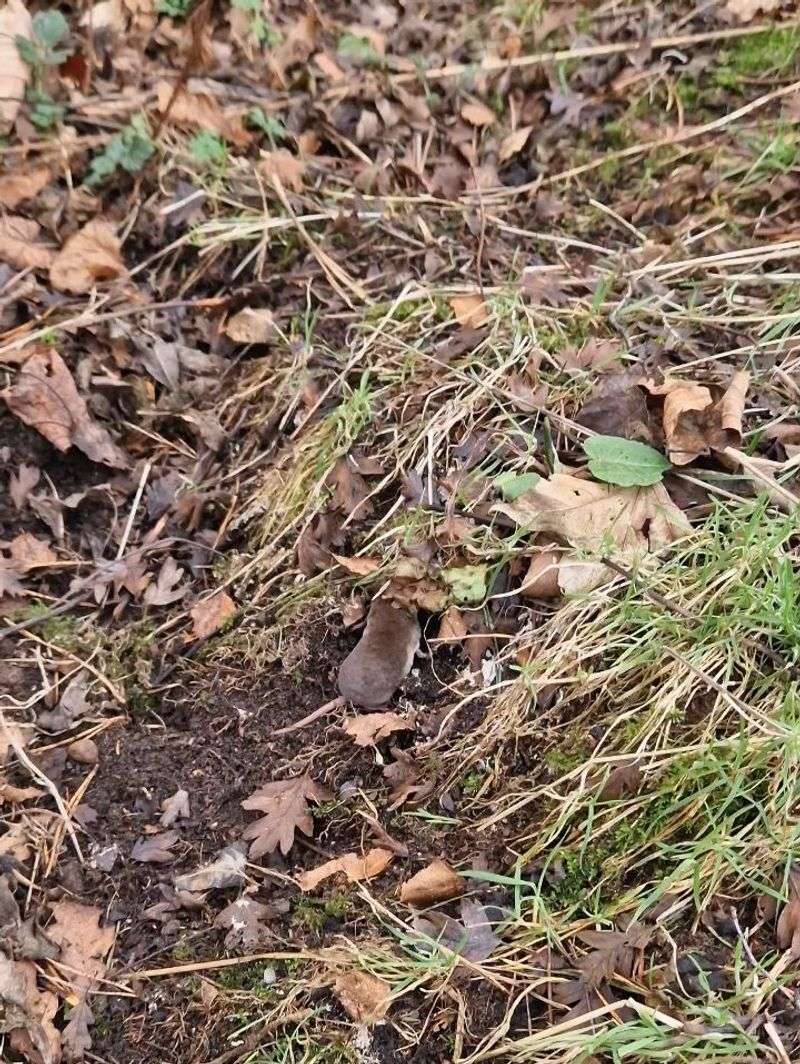
Why would a tiny insect-eater need venom at all? Part of the answer is well supported: venom can immobilize prey, which makes a struggling meal easier to handle.
The Missouri Department of Conservation describes shrews as active hunters with very fast metabolisms, so they need to eat often. A bite that slows down a snail, worm, or insect helps a hungry animal keep its meal from escaping.
A second idea comes from scientists who study venomous insect-eating mammals. In a review of venom use in eulipotyphlans, researchers discuss food hoarding as another possible function.
A shrew that can keep prey alive but sluggish might store it for later.
It helps to sort these ideas into two piles. Immobilizing prey is a supported effect.
Food hoarding is a proposed explanation that scientists are still weighing.
Researchers have not settled on one single evolutionary purpose. So you should be wary of any claim that shrew venom evolved only to take down big animals, or only to keep stored food fresh.
The real story may involve several benefits working together.
A shrew sighting does not explain garden damage
Finding a shrew near your tomatoes does not make it the culprit behind chewed roots. Shrews mainly eat invertebrates and other small animals, including insects, worms, and snails, though some plant material may be eaten as well, according to the Missouri Department of Conservation.
In many gardens, a shrew is simply hunting the pests you would rather not have. Its presence alone is not evidence of harm, and it is not a reason to start trapping or poisoning.
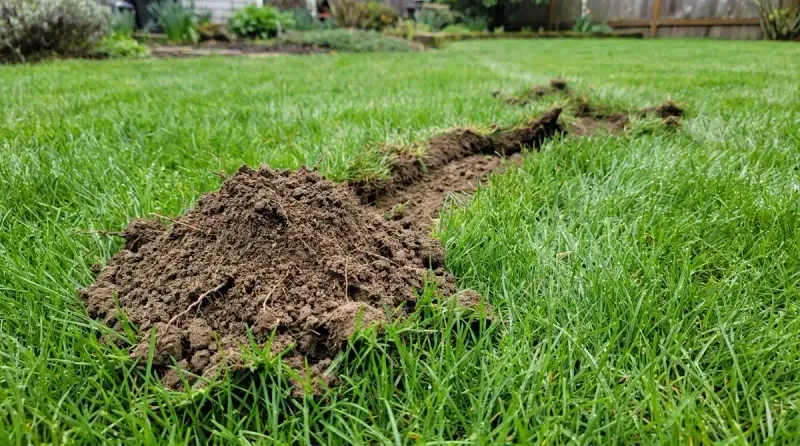
Voles and moles are more common suspects. Voles are small rodents with blunt faces that chew stems, bulbs, and roots.
Moles are larger diggers with broad front paws that push up ridges and mounds across lawns.
Shrews look different from both. They have a long, pointed snout and tiny eyes, and they are not built for heavy digging.
WVU Extension notes that shrews generally do not make their own tunnels, though they may use tunnels made by other animals.
That means a tunnel in your lawn tells you little about who is using it. Before acting, identify the animal and the actual cause of the damage.
Look at the plant injury, the shape of the tunnels, and any tooth marks, and ask your local extension office if you are unsure.
A bite deserves care, not panic
Most people will never be bitten by a shrew, but a little preparation keeps a rare event from becoming a stressful one. The simplest rule is to avoid picking one up or cornering it.
A frightened wild animal will use the only defense it has.
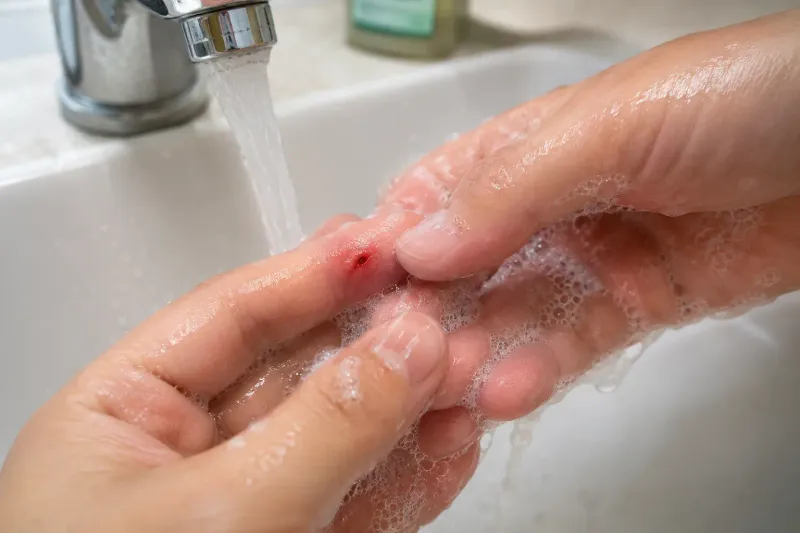
If a bite does happen, wash the wound promptly with soap and water. CDC wildlife guidance backs this basic step for animal bites in general.
Next, contact a healthcare professional for advice. That matters most if the wound is serious, or if it later develops redness, pain, warmth, or swelling, which can be signs of infection.
Also ask whether rabies advice or care is needed. CDC rabies guidance tells people to talk with a healthcare provider after a bite from a wild animal so the risk can be judged properly.
Venom is only one possible concern. Infection and rabies questions apply to many wildlife bites, and not every bite has the same outcome.
Treat the wound seriously, stay calm, and let a professional decide what comes next.
Give the shrew space and judge the yard by evidence
A northern short-tailed shrew may share a Maryland yard without anyone ever knowing, and its venom is real. Still, Maryland DNR treats it as a native animal to leave alone.
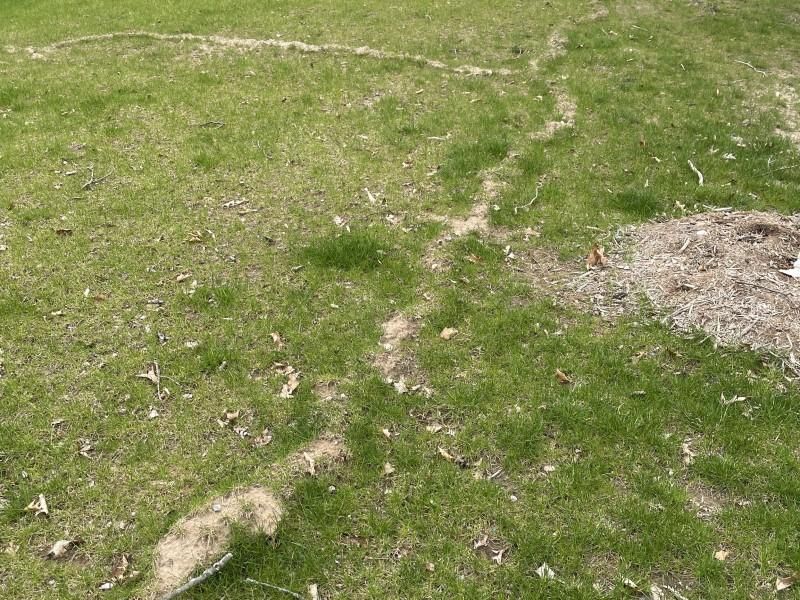
If plants are failing, look for proof before blaming the small hunter. Check the damage, the tunnels, and the likely culprits, using guides such as WVU Extension’s garden wildlife advice.
The shrew under your leaves is usually just working the night shift.
Share this story