When the first hard frost hits Minnesota, people are not the only ones looking for a warm place to stay. Spiders, wasps, and even the occasional snake start squeezing through cracks to spend winter in garages and basements.
Most of them want nothing to do with you, but a few can deliver a painful bite or sting if you surprise them. Knowing who might be hiding in that box of holiday decorations can save you a nasty shock.
1. Brown Recluse Spider
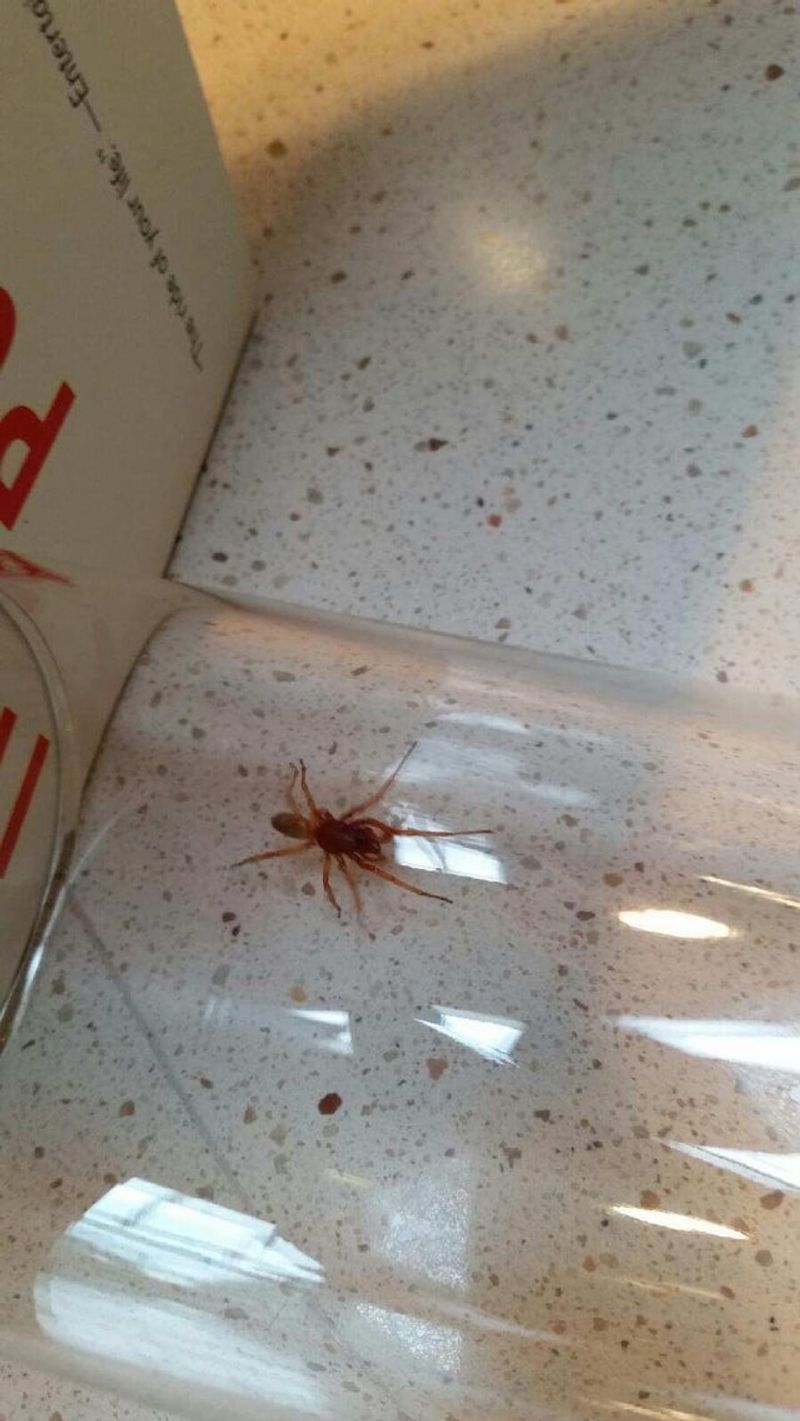
Here is some good news first: brown recluses are rare in Minnesota. They are not native to the state, but they sometimes hitch rides in moving boxes, furniture, or shipments from southern states.
Once inside a heated home, they can survive just fine.
Look for a light brown spider with a dark violin shape on its back and six eyes instead of eight. They love quiet clutter like stacked boxes, old shoes, and unused clothing.
Bites are uncommon and often go unnoticed at first, but some can cause sores that heal slowly. Shake out stored items before using them, and wear gloves when sorting through storage.
2. Northern Black Widow
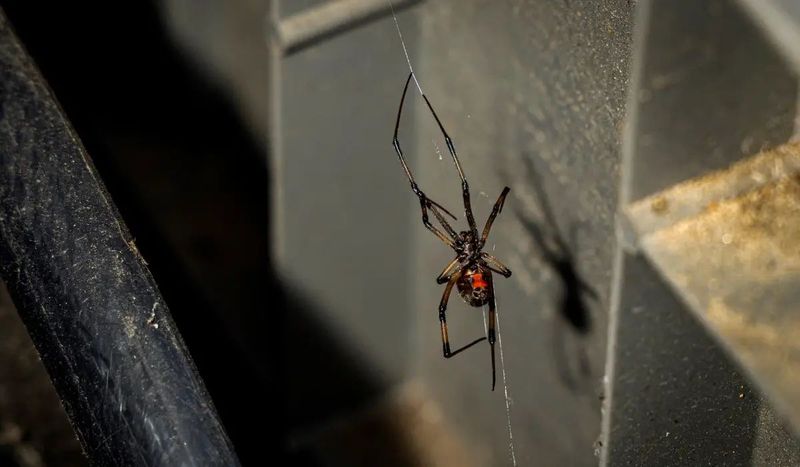
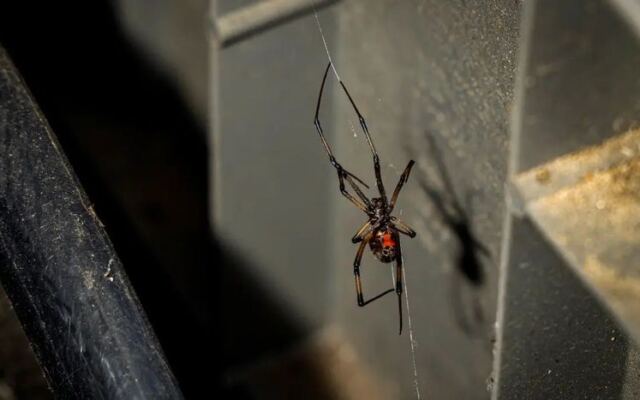
Shiny, black, and marked with a red hourglass, the northern black widow is the spider most Minnesotans picture when they hear the word venomous. It does live here, mainly in southern and central parts of the state, and it loves sheltered corners.
Garages are perfect for it. Woodpiles, flowerpots, and the underside of shelves give it calm spots to build messy, tangled webs.
Females are shy and only bite when pressed against skin, like when you grab a garden glove with a spider inside. A bite can cause muscle cramps and pain, so get medical care if it happens.
Gloves and a flashlight go a long way.
3. Yellow Sac Spider
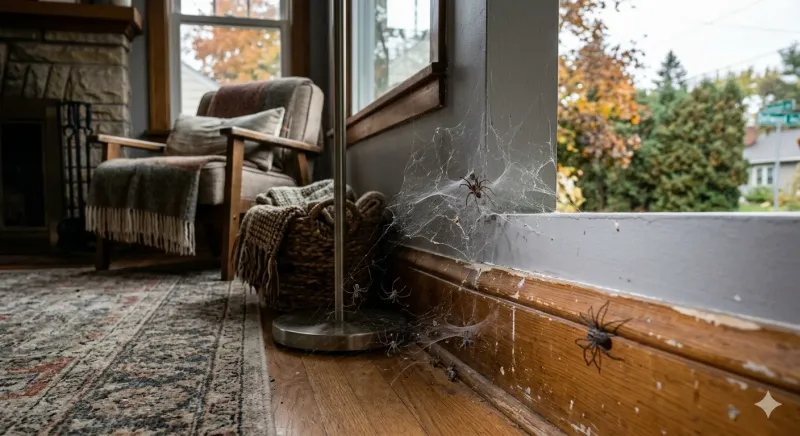
Ever notice a tiny white silk pouch tucked into a wall corner? That might be the daytime hideout of a yellow sac spider, a pale little hunter that roams at night.
As temperatures drop, these spiders move indoors in surprising numbers. They do not build webs to catch food, so they wander across walls and ceilings looking for small insects.
Their bites are mild, usually causing redness and itching like a mosquito bite that overstayed its welcome. Still, they are responsible for more household bites than many scarier-looking spiders.
Sealing gaps around windows helps keep them out.
4. Paper Wasp Queens
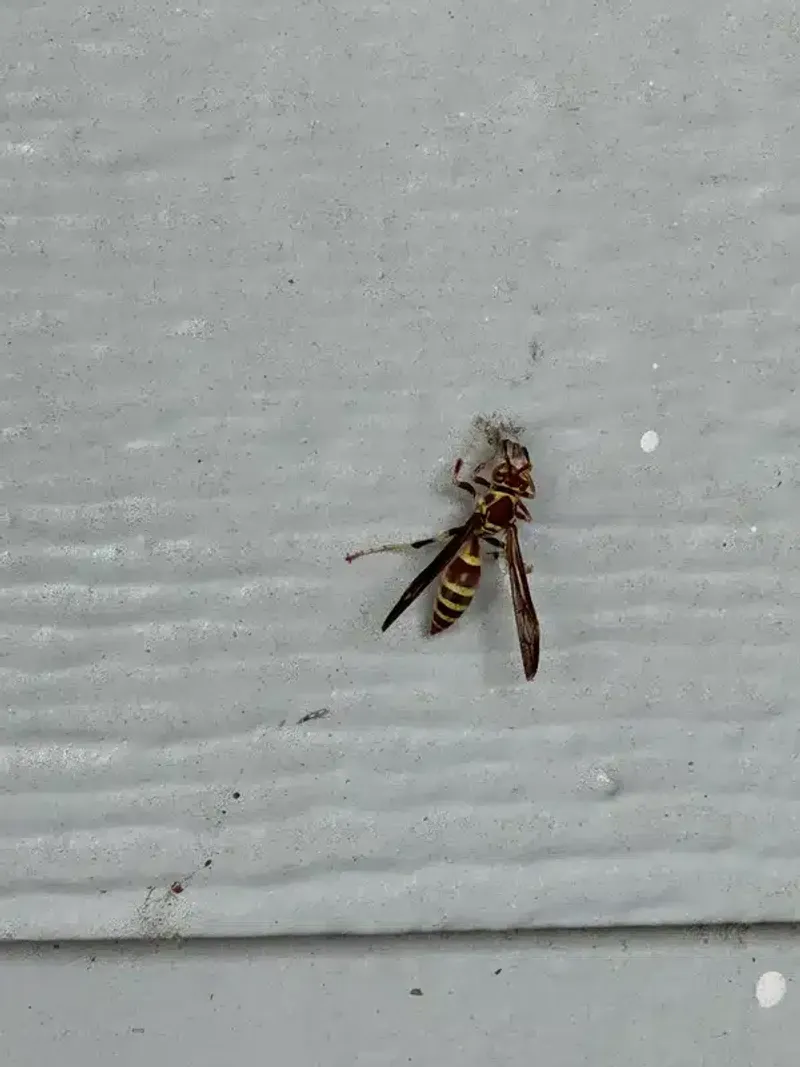
In late fall, a whole wasp colony dies off except for one important member: the queen. Freshly mated paper wasp queens hunt for snug spots to sleep through winter, and garage rafters and attic corners fit the bill.
You might find one crawling slowly on a window on a sunny January afternoon. Warmth from the furnace or sunlight can wake them up early, confused and sluggish.
A drowsy wasp can still sting, and it hurts. Gently trap it under a cup and slide paper underneath to move it out, or call a pro if you find several.
Remember, each queen you remove is one less nest next summer.
5. Bald-Faced Hornet Queens
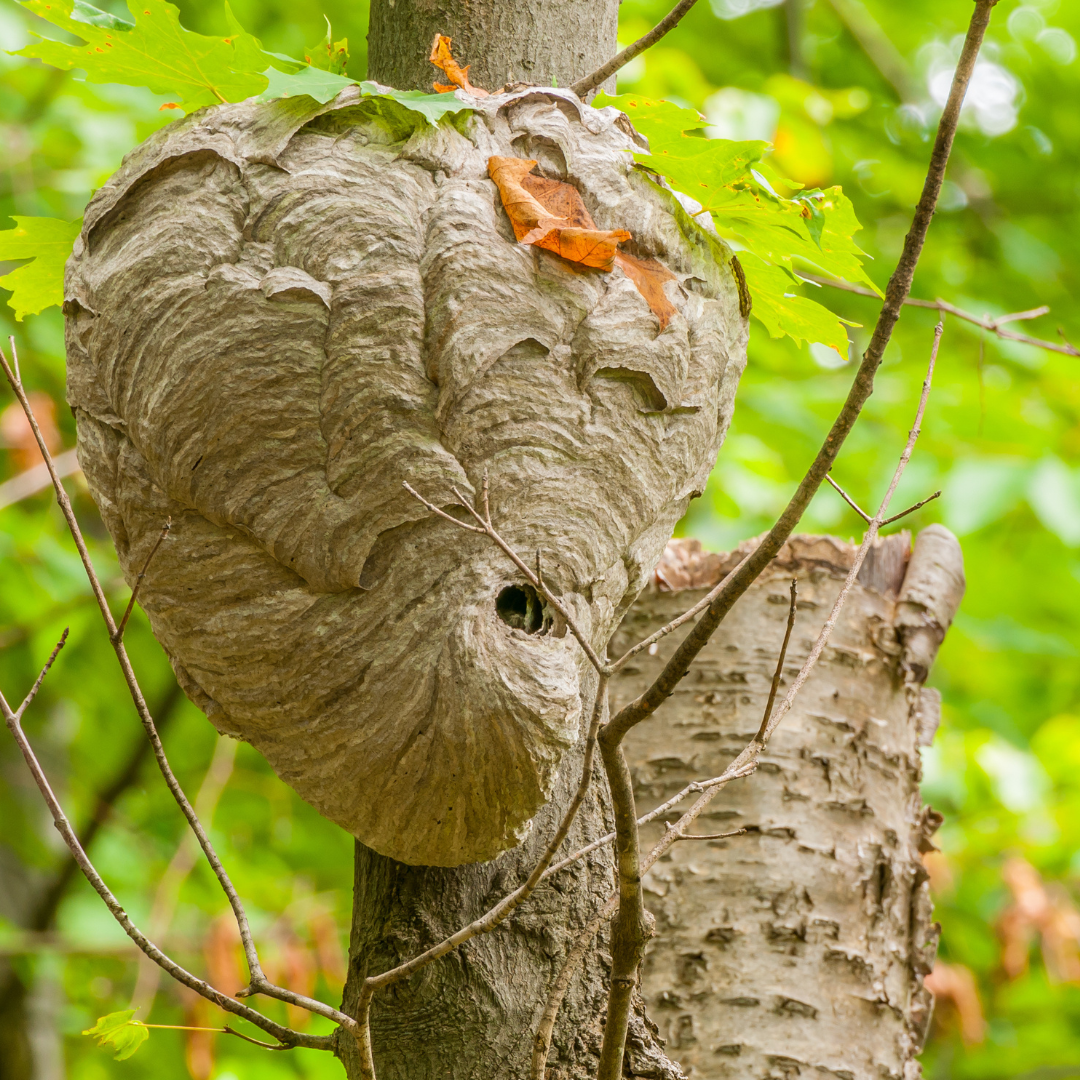
Picture a black wasp with a bright white face, and you have the bald-faced hornet. Summer colonies build those huge gray paper nests that look like footballs hanging in trees.
Like paper wasps, only the queens survive the cold. They slip into wood piles, wall cracks, and gaps around garage doors to hibernate until spring.
Fun fact: despite the name, it is actually a type of yellowjacket, not a true hornet. Its sting is known to be painful, and it can sting more than once.
Check stacked firewood carefully before carrying it inside.
6. Timber Rattlesnake
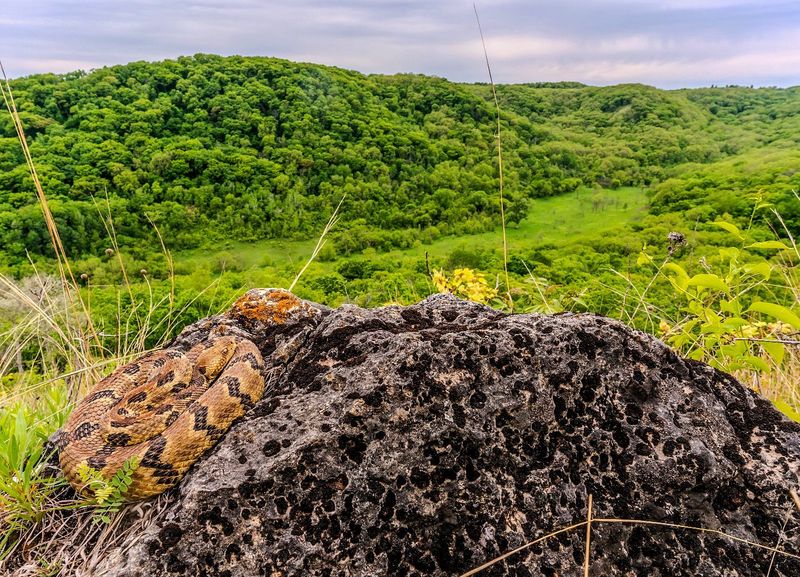
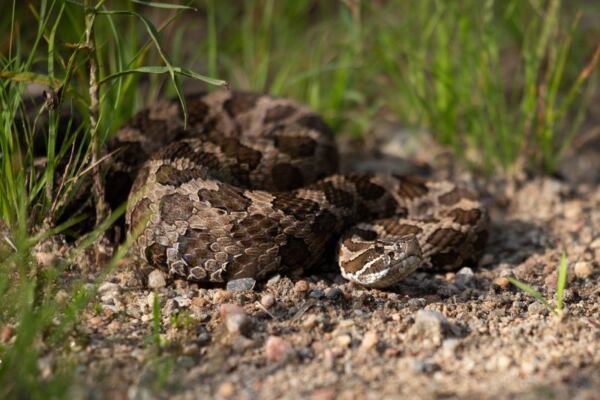
Only a small corner of Minnesota has rattlesnakes, the bluff country along the Mississippi River in the southeast. There, the timber rattlesnake heads to rocky dens each fall to wait out winter.
Homes and sheds near those bluffs occasionally get surprise visits during the fall move, especially if there is rock or debris nearby.
These snakes are protected in Minnesota and are generally calm, giving a buzzing warning before striking. If you see one, back away and let it go on its way.
Bites are rare, but they are a true medical emergency.
7. House Centipede
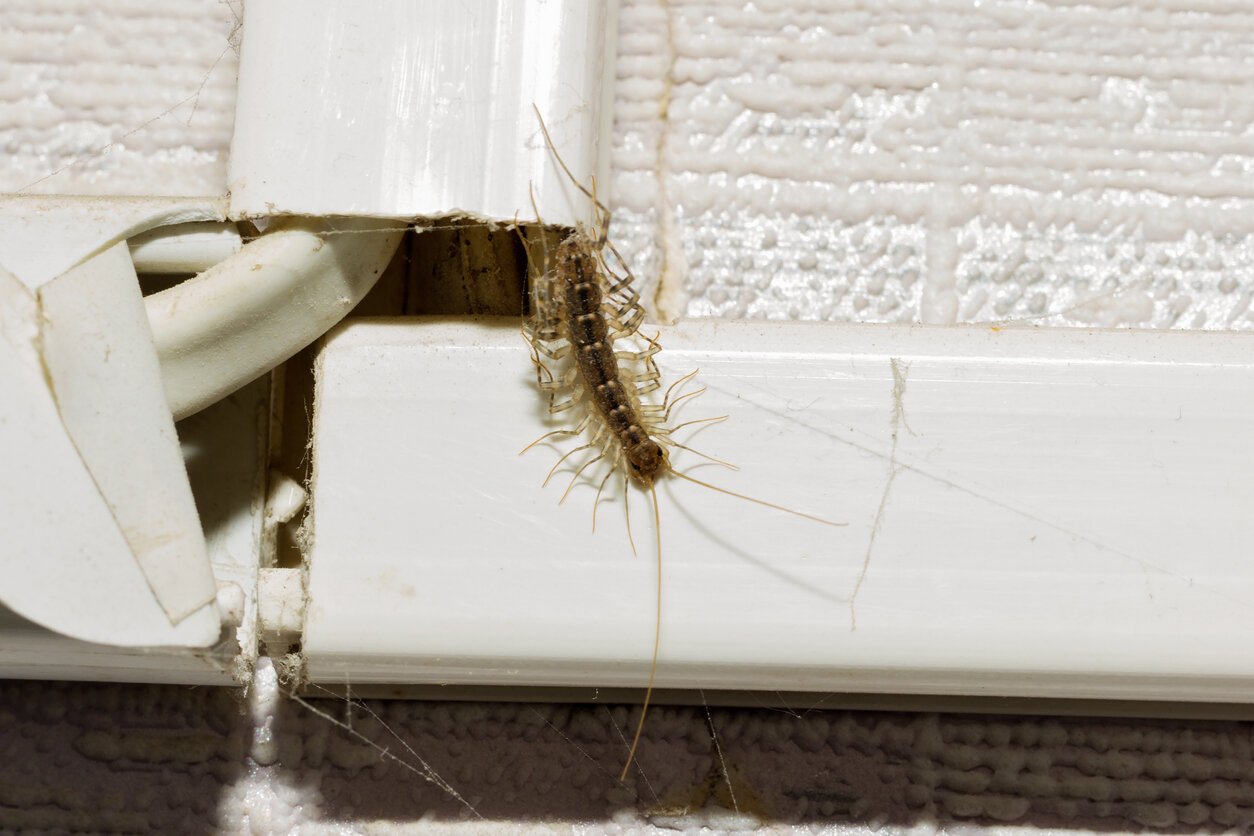
Few things make people scream faster than a house centipede zipping across the floor. With 15 pairs of long legs, it looks like something from a sci-fi movie.
Basements give these critters exactly what they crave: dampness and plenty of bugs to eat. They hunt spiders, silverfish, and even cockroaches, which makes them oddly helpful roommates.
They do carry venom for their prey, and a rare bite on a human feels like a small bee sting. A dehumidifier makes your basement far less inviting.
The fewer bugs you have, the fewer centipedes will stick around.
Share this story