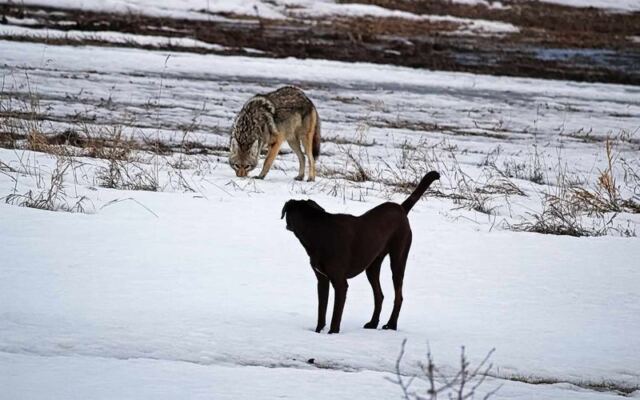
Coyotes are pairing up across Minnesota right now, so keep a closer eye on your dog. Winter is the start of the coyote mating season, and that is a good reminder to watch pets when they are outside.
The details matter, though, because a coyote sighting does not always mean trouble. Here is what the season really means and how to keep your dog safer.
Minnesota’s mating season runs from January through February
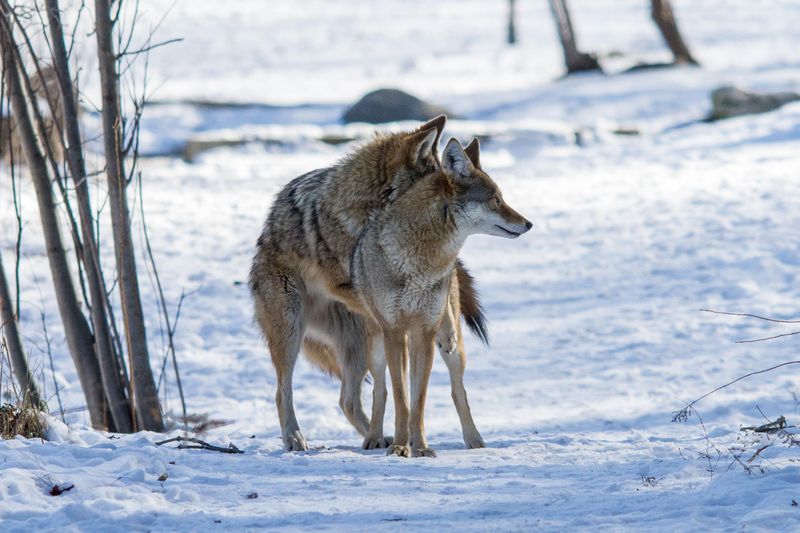
Minnesota’s coyote mating season begins in January and runs through February, according to the Minnesota DNR. The agency also says coyotes may pair for life, so some of the animals you see in winter may already be longtime partners.
Those dates describe a recurring season. They do not confirm that pairs are forming across the state on any particular day, and no one is tracking that in real time.
Think of January and February as the window when breeding normally happens, not as a statewide announcement.
Mating is also a separate stage from what comes later. The DNR says pups are born in April, and the busy work of raising them stretches through the warmer months.
Young coyotes then leave to look for their own territories from autumn to mid-winter.
So the calendar looks like this: pairing in midwinter, births in spring, and pup-rearing after that. Knowing which stage you are in helps you judge what a sighting might mean.
It also keeps you from blaming one season for behavior that belongs to another.
Breeding season does not prove coyotes are bolder
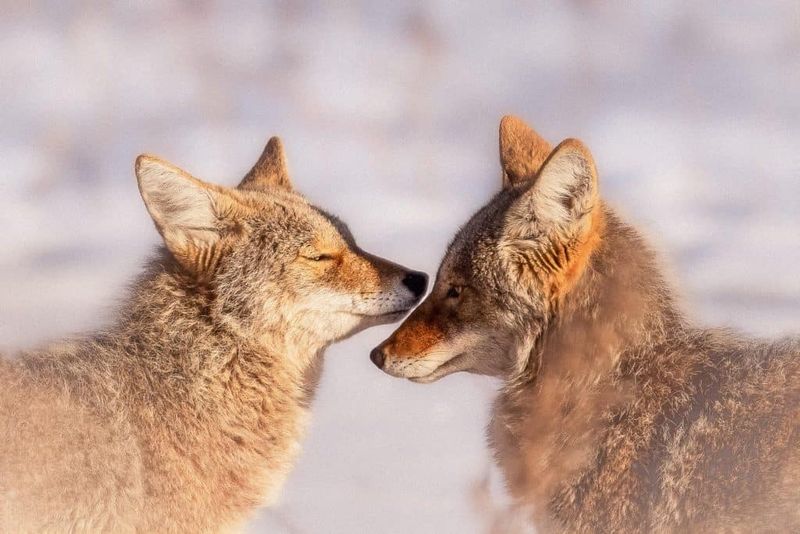
Mating-season dates do not establish that coyotes grow bolder around homes in winter. Researchers who have studied conflicts have found different seasonal patterns in different places.
In Denver, a study of coyote conflicts found that pet attacks were least severe during its January to April breeding period and more severe during pup-rearing. The authors also noted that other studies found different patterns or none at all.
An Atlanta project used community reports and logged encounters all year long. Its authors cautioned against strong conclusions about seasons based on that data.
The outcome being counted matters, too. Sightings, pet attacks, and encounters with people are different things, and a trend in one does not predict the others.
A season with more sightings is not automatically a season with more attacks.
What this adds up to is sensible vigilance, not a rule that coyotes march toward Minnesota homes in winter. Keep the habits that protect pets all year, and treat the season as a nudge to pay attention.
A coyote sighting is not proof of aggression
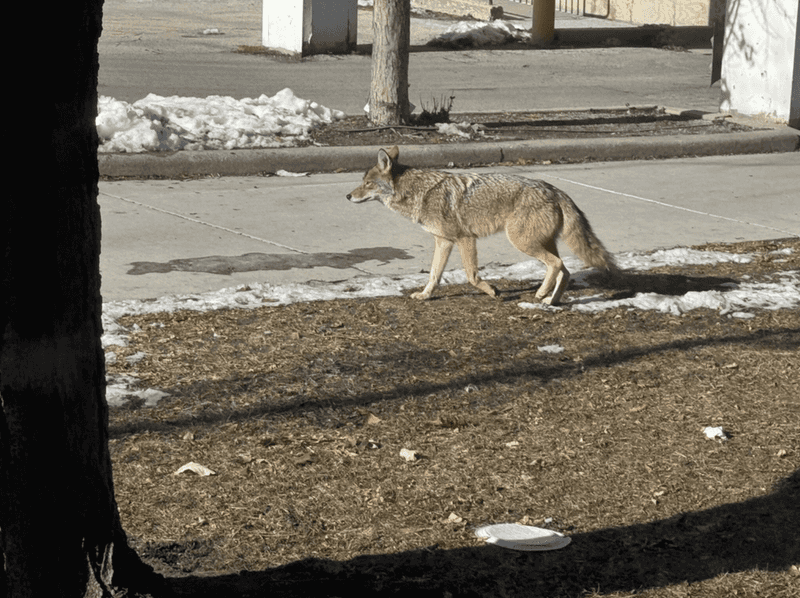
Seeing a coyote near your house can be startling, but the sighting alone tells you little. The Minnesota DNR describes coyotes as generally wary of people, and many pass through neighborhoods without any trouble.
The same agency points to habituation or feeding by people as a likely factor when incidents involve people. That does not mean every coyote near a home has been fed or has lost its caution.
Most have simply found a quiet route or a place with mice and rabbits.
Winter can also play tricks on the eye. A thick coat makes a coyote look bigger and bulkier than it is, and that appearance is not evidence of unusual size or aggression.
A few clues are worth noticing. A coyote that trots off when it sees you is behaving normally.
One that lingers near people, shows no fear, or returns to a spot where food is available deserves more attention. Coyotes are loners except when raising pups, per DNR species information, so a single animal passing by is typical.
Supervise small pets outdoors
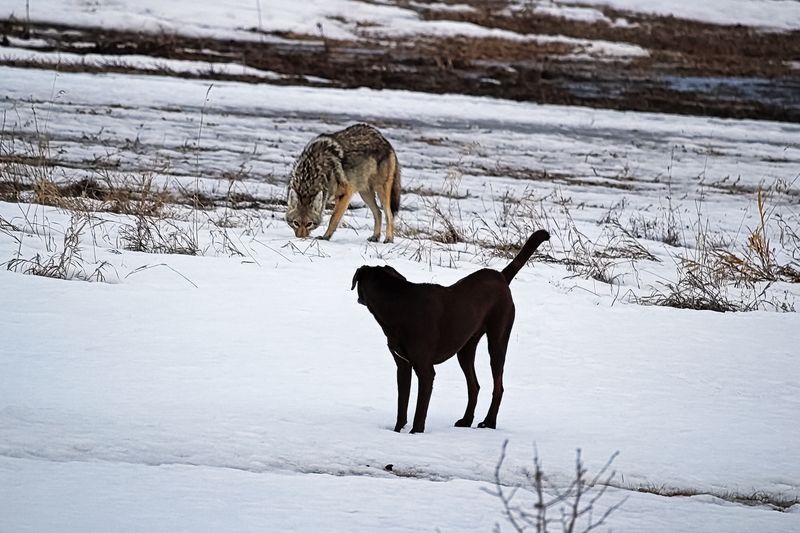
Here is the risk that deserves real attention. The DNR says that coyotes may kill cats and small dogs.
That does not mean every encounter ends badly, and it does not mean larger dogs are safe.
Small dogs are simply easier for a coyote to treat as prey. A quick trip outside with a toy breed deserves the same care as a long walk.
Stay with your small dog whenever it is outdoors, even in a fenced yard, and keep it close at dusk, at night, and around dawn. Turn on a porch light and look around before you open the door.
Where possible, keep cats indoors too.
The DNR also recommends vaccinating pets as your veterinarian advises. Vaccines protect against disease, and they do nothing to prevent a coyote encounter, so they are a separate layer of care.
Supervision is a precaution that lowers risk. It is not a guarantee, but it is the step that lets you act fast if a coyote shows up.
Keep food and other attractants secured

Food is the easiest thing to fix around a house. The DNR advises keeping pets and pet food inside when possible, and securing garbage and other food sources in its urban coyote guidance.
Start with the bowls. Feed your dog indoors, or pick up the dish as soon as it is empty.
Spilled kibble and water left on the porch can draw rodents, and rodents can draw coyotes.
Next, check the garbage. Use bins with tight lids, store them in a garage or shed until pickup morning, and rinse out greasy containers.
Bird feeders, fallen fruit, compost piles, and pet waste can also act as snacks, so clean those up regularly.
Fencing can help too. The DNR suggests considering coyote-resistant fencing, which is built differently than a standard backyard fence.
An ordinary fence is not foolproof, since coyotes can climb or dig.
Treat all of this as a way to reduce temptation and exposure. It will not promise that a coyote never wanders through your yard, but it makes your property a less rewarding stop.
Keep dogs leashed and respond from a distance
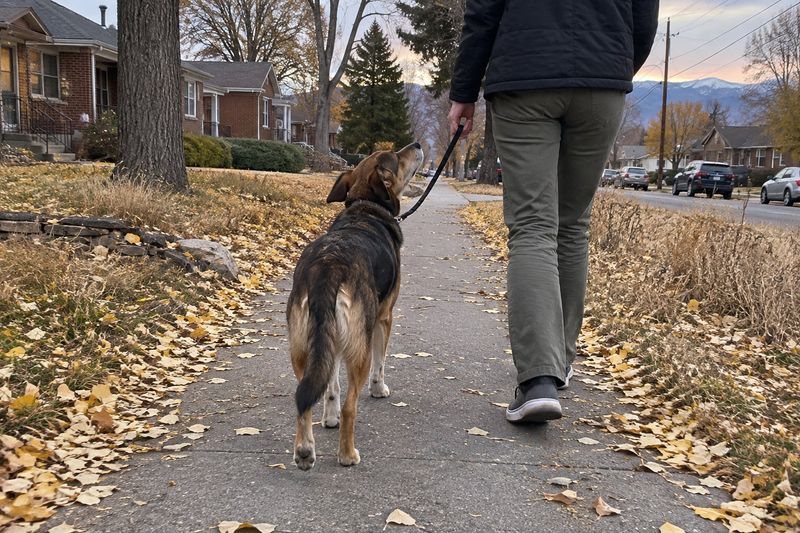
A leash is your best tool on winter walks. The Humane Society advises walking dogs on leash and never letting them approach coyotes, and its guide to protecting dogs is a handy reference.
Retractable leashes give a dog too much room, so a short, sturdy one works better.
If a coyote comes toward you, act calmly. Put your dog behind you, or pick it up if you can do so safely.
Then use noise and other hazing methods to encourage the coyote to leave.
Hazing can mean shouting in a deep voice, clapping, waving your arms, or shaking a can of coins. Use these methods from where you stand.
Do not walk toward the animal, and never let your dog chase it.
The Minnesota DNR also recommends harassing coyotes that do not immediately run from people. Many will leave right away, which is the usual and best outcome.
Hazing is general guidance, and it does not always work. If the coyote stays put, back away slowly with your dog and choose a different route.
Give a coyote near a den plenty of space
Hazing has limits. If a coyote does not retreat, keep your dog controlled and create distance rather than pressing the point.
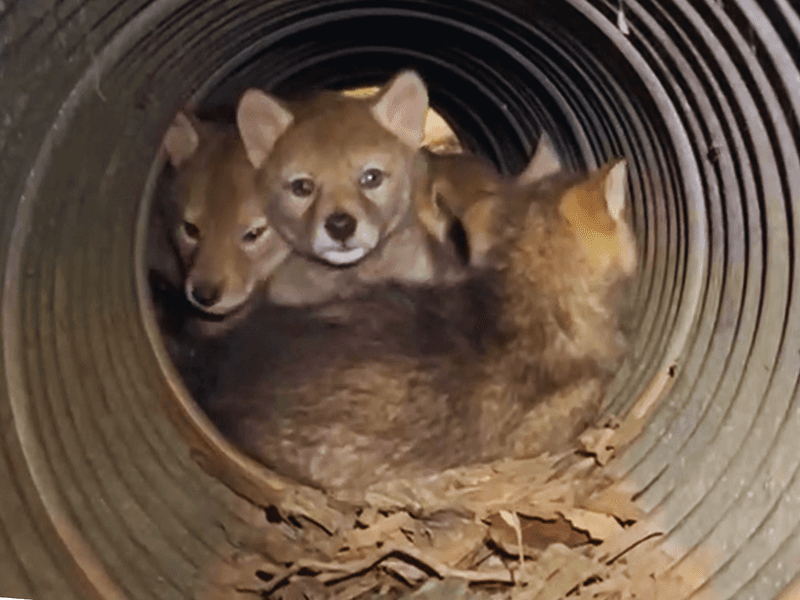
A den changes the picture. Florida’s wildlife agency notes that a nearby den with pups can affect how a coyote responds, and that wild animals may defend their young.
If you suspect a den, leave the area and never approach it.
This concern belongs mostly to a later time of year. Mating happens in January and February, but pups are born in April, and den defense would matter more after that.
It is not proof of winter boldness.
Take sensible precautions, then go on with your winter. A coyote at the edge of the yard is usually just a neighbor passing through.
Share this story