Get the latest garden guides in your inbox →
Gardening Latest
  • General Gardening
  • Lawn Care
  • Plant Care
  • Composting
  • Soil Health
  • Backyard
  • Garden Muse Magazine
  • General Gardening
  • Lawn Care
  • Plant Care
  • Composting
  • Soil Health
  • Backyard
  • Garden Muse Magazine
  • News
  • Gardening Calendar
  • Garden Structures
  • Vegetable Garden
  • Vertical Garden
  • Raised Beds
  • Hydroponics
  • General Equipment
  • Community Gardens
Garden Themes
  • Spiritual Garden
  • Hydroseeding
  • Seeding and Laying Sod
  • Artificial Grass
  • Lawn Care Equipment
  • Plants
  • Trees
  • Planting Tools
  • Composting Basics
  • Fertilizer
  • Alternative Growing Mediums
  • Front Yard
  • Backyard Activities
  • Landscaping
Gardening Latest

Explore by state

Which state is your garden in?

Currently viewing Florida

All states

Northeast

  • Connecticut —
  • Delaware 33
  • Maine —
  • Maryland 19
  • Massachusetts 35
  • New Hampshire —
  • New Jersey 19
  • New York 28
  • Pennsylvania 28
  • Rhode Island —
  • Vermont —

Southeast

  • Alabama 19
  • Arkansas —
  • Florida 19
  • Georgia 19
  • Kentucky 33
  • Louisiana 18
  • Mississippi —
  • North Carolina 17
  • South Carolina 32
  • Tennessee 16
  • Virginia 18
  • West Virginia —

Midwest

  • Illinois 18
  • Indiana 20
  • Iowa 32
  • Kansas —
  • Michigan 19
  • Minnesota 18
  • Missouri 18
  • Nebraska —
  • North Dakota —
  • Ohio 19
  • South Dakota —
  • Wisconsin 34

Southwest

  • Arizona 19
  • Colorado —
  • Nevada —
  • New Mexico —
  • Oklahoma —
  • Texas 18
  • Utah —

West

  • Alaska —
  • California 19
  • Hawaii —
  • Idaho —
  • Montana —
  • Oregon —
  • Washington —
  • Wyoming —

No state matches that search.

Site menu

Gardening Latest
  • General Gardening
    • News
    • Gardening Calendar
    • Garden Structures
    • Vegetable Garden
    • Vertical Garden
    • Raised Beds
    • Hydroponics
    • General Equipment
    • Community Gardens
    Garden Themes
    • Spiritual Garden
  • Lawn Care
    • Hydroseeding
    • Seeding and Laying Sod
    • Artificial Grass
    • Lawn Care Equipment
  • Plant Care
    • Plants
    • Trees
    • Planting Tools
  • Composting
    • Composting Basics
  • Soil Health
    • Fertilizer
    • Alternative Growing Mediums
  • Backyard
    • Front Yard
    • Backyard Activities
    • Landscaping
  • Garden Muse Magazine

Explore

  • About GardeningLatest.com
  • Contact Us

Get the latest from the garden

New guides on lawn care, plants and backyard projects, sent when they go up.

Subscribe →

Follow

  • Facebook
  • X
  • Pinterest
  • YouTube
Florida Gardening

Spot a Red Fox Slipping Through Your Florida Yard This Winter? Here’s the Reason Behind It

A red fox crossing your Florida yard in winter may be out during its breeding season, since Florida red foxes breed…

MV

By Marisol Vega

November 25, 2026 · 6 min read

Spot a Red Fox Slipping Through Your Florida Yard This Winter? Here’s the Reason Behind It
Spot a Red Fox Slipping Through Your Florida Yard This Winter? Here's the Reason Behind It

A red fox crossing your Florida yard in winter may be out during its breeding season, since Florida red foxes breed in late fall or early winter. That timing gives you a helpful clue, but it does not tell you why one fox trotted past your fence.

Foxes also hunt, wander, and use suburban spaces all year. Here is how to make sense of what you saw and what to do about it.

At a glance

Where
Florida Gardening
Hardiness zone
9 20 to 30°F
Read
6 minutes
Published
November 25, 2026

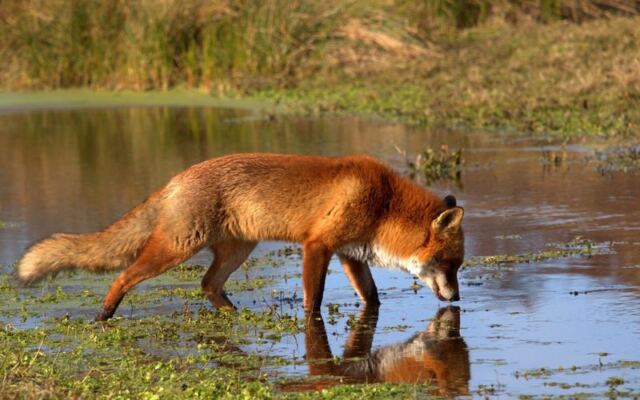
Breeding season offers a seasonal clue
Breeding season offers a seasonal clue
© woodlandtrust

Winter evenings in Florida can bring a flash of rusty fur at the edge of the yard. One reason that sighting may happen then is timing.

Florida’s wildlife agency says red foxes in the state breed in late fall or early winter, so a December or January fox may be out during that stretch of the year.

A U.S. Forest Service review points the same direction.

It reports that red fox breeding generally runs from December to March and starts earlier farther south. That is a useful reminder that calendars from northern states do not match Florida’s.

The Florida profile is the better guide for the exact timing here.

Still, think of breeding season as background, not an answer. It is a plausible seasonal setting for a sighting, but it does not prove that mating brought a particular fox across your lawn.

That fox could just as easily have been checking for food or following a path it uses all the time.

It also helps to skip two popular explanations. Cold weather is not a reliable reason for a fox to show up in a Florida yard, and foxes do not visit yards only to find a mate.

The sources behind this article do not show that winter brings more yard sightings in Florida, either. So if you saw one, you saw one animal on one night, and that is about as far as the evidence goes.

Suburban yards can be part of a fox’s route

Suburban yards can be part of a fox’s route
© King & Associates Real Estate

Foxes are not limited to deep woods. Red foxes live in a mix of habitats, and the Forest Service review lists suburban areas, parks, golf courses, and large gardens among the places they use.

A neighborhood with open lawns and green belts can fit into that picture.

The simplest way to keep wildlife from settling into a routine around your home is to take away easy meals.

Food is part of the story too. FWC notes that red foxes eat small mammals such as rabbits, rats, and mice.

Any place where those animals live, from a hedge row to a quiet corner of a park, can be part of a fox’s hunting range.

As for timing, FWC describes red foxes as mainly nocturnal, with activity also common at dawn or dusk. That is why many people catch a fox in the porch light or on a doorbell camera late at night, or glimpse one in early morning or evening light.

These facts describe how red foxes live in general. They explain why a yard can fall within a fox’s movements, but they cannot tell you what drew one animal to yours.

Maybe it was hunting. Maybe it was simply cutting across on its way somewhere else.

Without more information, a single sighting leaves that question open, and that is perfectly fine.

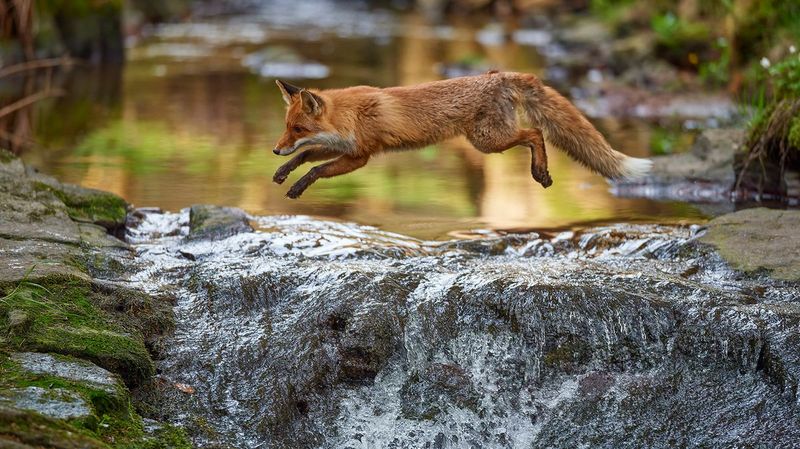
A rusty coat may belong to a gray fox
A rusty coat may belong to a gray fox
© Animals | HowStuffWorks

A quick look at a fox in dim light can fool anyone. Florida also has gray foxes, and they can show reddish fur too.

That means a reddish coat alone cannot tell you which species crossed your yard.

Details help. FWC describes the gray fox as having a gray back and tail, with black-tipped hair.

If you noticed a dark-tipped tail, that points toward a gray fox.

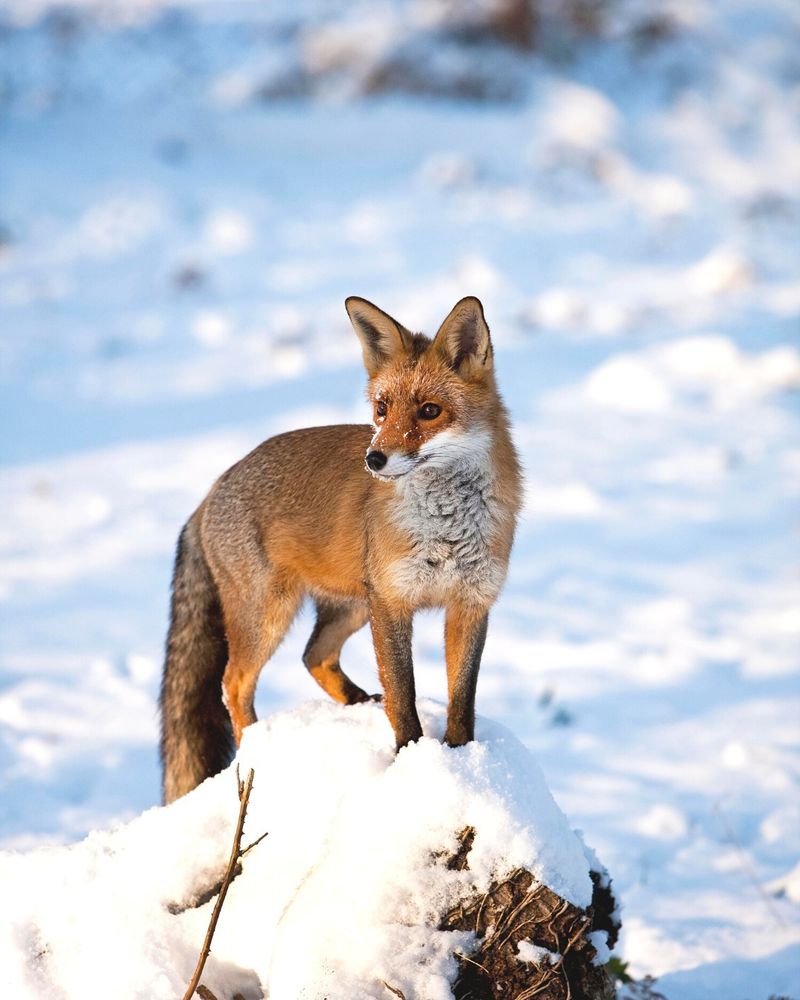
The red fox looks different in a few ways. FWC’s profile describes a commonly rusty-red animal with black legs and a usually white tail tip.

Check the legs and the end of the tail if you can.

If you only had a glimpse, it is fine to say you saw a fox and leave the species undecided. A phone photo from a safe distance, taken through a window, can make the details much easier to study later.

Writing down the tail tip, leg color, and back color gives you more to go on than a general impression of reddish fur.

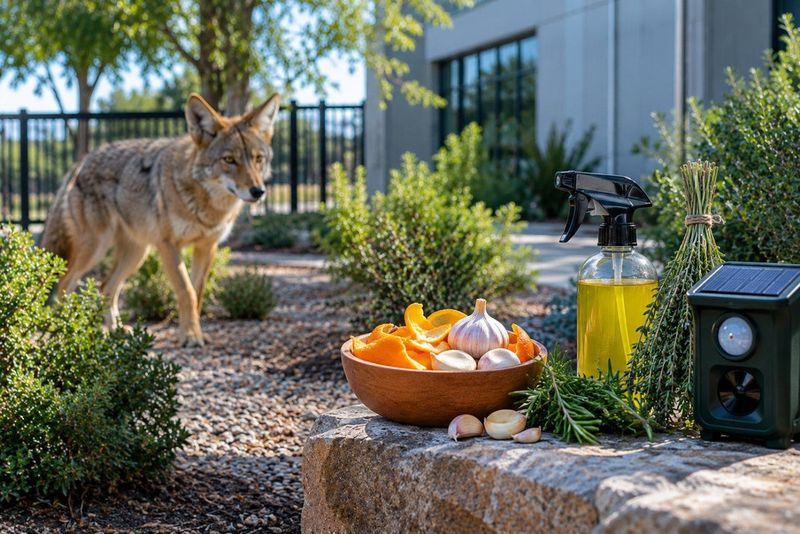
Secure food and other attractants
Secure food and other attractants
© The Pee Mart

The simplest way to keep wildlife from settling into a routine around your home is to take away easy meals. FWC’s tips for securing attractants include closing up trash, pet food, fallen fruit, and other food that animals can reach.

A few habits cover most of it. Use bins with tight lids and set them out the morning of pickup, not the night before.

Feed pets indoors, or pick up bowls when they finish. Rake up fallen fruit from citrus, mango, or other trees, and keep compost covered or enclosed.

Do not feed a fox, even with kind intentions. FWC explains that feeding wildlife can habituate animals to people and increase conflicts.

A fox that learns your yard pays off with food may keep coming back and lose some of its natural wariness.

There is a legal side as well. FWC says Florida rules prohibit placing food in a way that attracts foxes.

Leaving out scraps or a bowl of kibble could fall under that, so keep the yard free of anything edible.

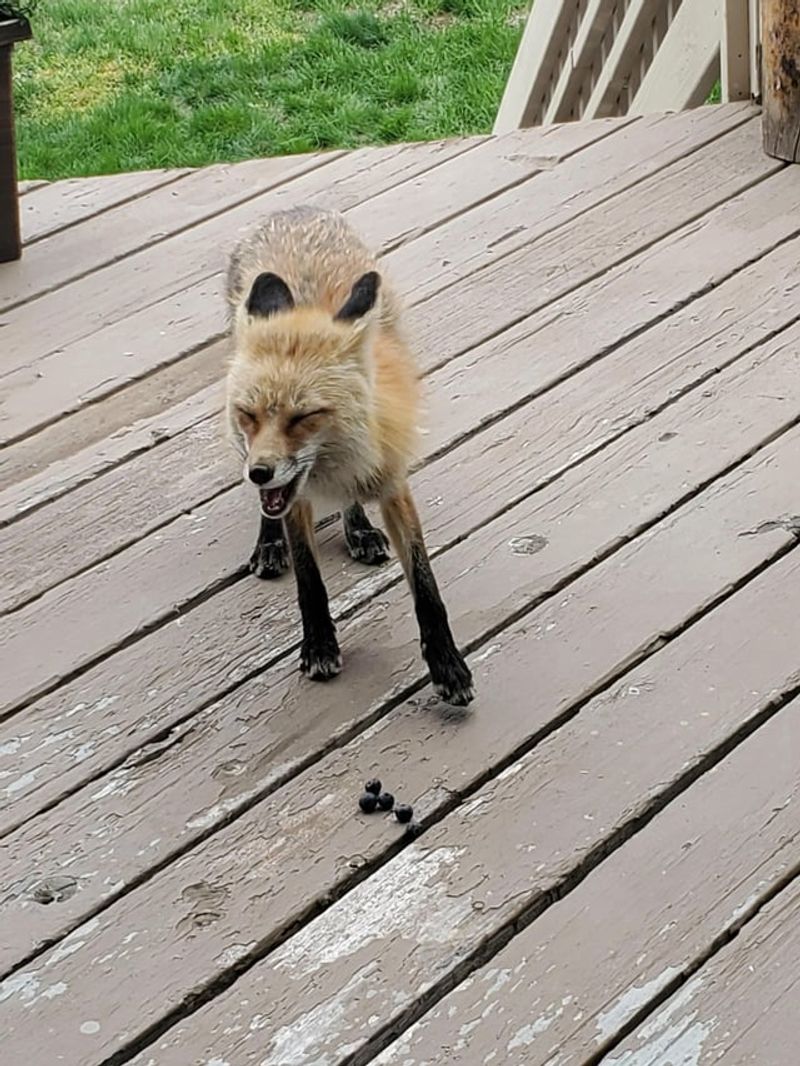
Keep your distance and protect pets
Keep your distance and protect pets
© Reddit

If a fox wanders through, the best move is to watch from a distance. Do not approach it, try to handle it, or offer food, and do not let pets walk up to it.

Calm, hands-off behavior protects you and keeps the fox wild.

Pets need a little planning. FWC recommends keeping pets controlled and secured, and keeping small pets and poultry indoors or in secure enclosures when wildlife is present.

It also recommends keeping rabies vaccinations current. Leashes on walks and supervised trips outside after dark are easy places to start.

A fox in daylight can look alarming, but a daytime sighting alone does not establish rabies. Humane wildlife guidance says activity in daylight is not a rabies sign by itself.

Call animal control or local wildlife authorities if the fox seems seriously ill, disoriented, or unusually aggressive.

If someone is bitten or may have been exposed, the Florida Department of Health advises washing the wound with soap and running water. Then promptly contact a health care provider and the county health department.

Do the same if a pet may have had contact, and call your veterinarian.

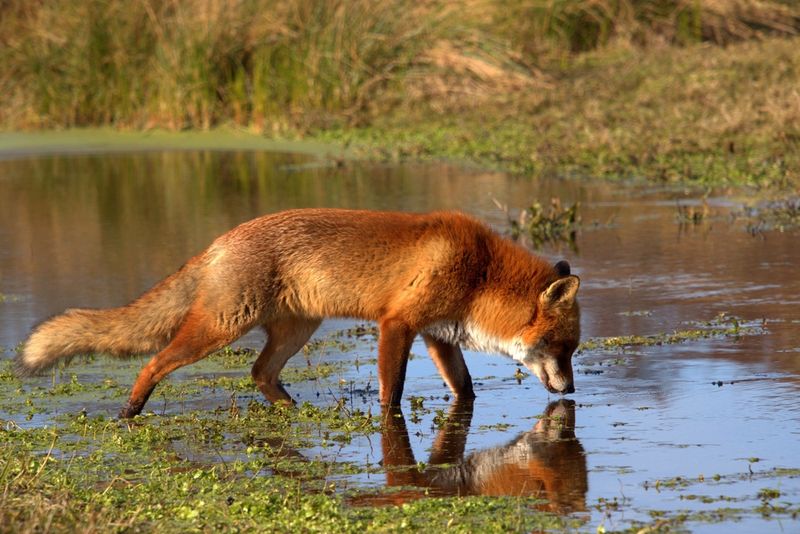
Read the sighting in context
Read the sighting in context
© Rjourney

Breeding season is one piece of the winter picture. Habitat use and hunting for small prey matter too, as FWC’s red fox profile shows.

No single sighting can reveal why that fox passed through.

What you can control is simple. Watch from a distance, skip the feeding, and follow FWC’s attractant tips for food and pets.

Some mysteries are best enjoyed rather than solved, and a fox on its own errand is one of them.

Share this story

MV

Written by

Marisol Vega

More from Marisol Vega →

About Gardening Latest

Gardening Latest provides in-depth guides to maintaining and enhancing your garden and backyard. Learn how to make the most of the space you have and create a beautiful garden.

More about us →

Latest stories

  • California GardeningIf a Gray Fox Keeps Trotting Through Your California Yard This Winter, Here’s What It’s After

    If a Gray Fox Keeps Trotting Through Your California Yard This Winter, Here’s What It’s After

    11 hr ago
  • Arizona GardeningWhen a Gray Fox Trots Through Your Arizona Yard This Winter, It’s on a Mission

    When a Gray Fox Trots Through Your Arizona Yard This Winter, It’s on a Mission

    12 hr ago
  • Texas GardeningNeighbor Vines Crossing Into Your Texas Yard: Texas Tree-Branch Guidance Is Clear, but the Answer for Vines Is Less Settled

    Neighbor Vines Crossing Into Your Texas Yard: Texas Tree-Branch Guidance Is Clear, but the Answer for Vines Is Less Settled

    12 hr ago
  • Wisconsin GardeningWisconsin Neighbors Fight Over Snow Piled on Their Property, and Here’s What the Law Actually Says

    Wisconsin Neighbors Fight Over Snow Piled on Their Property, and Here’s What the Law Actually Says

    12 hr ago
  • Missouri GardeningYellow Jackets Nesting Near Your Missouri Home? This Is What You Should Do First

    Yellow Jackets Nesting Near Your Missouri Home? This Is What You Should Do First

    12 hr ago

Gardening by state

Stories for your state, and the hardiness zone most of it gardens in.

Keep exploring

Read next

All Florida Gardening →
Florida GardeningThat Tall Stalk Shooting Out of Your Florida Lettuce Means It’s Bolting, and Here’s Whether to Cut It
Florida Gardening

That Tall Stalk Shooting Out of Your Florida Lettuce Means It’s Bolting, and Here’s Whether to Cut It

13 hr ago
Florida GardeningBirds Keep Replanting This Invasive Tree in Florida Yards, No Matter How Often You Pull It
Florida Gardening

Birds Keep Replanting This Invasive Tree in Florida Yards, No Matter How Often You Pull It

15 hr ago
Florida GardeningFlorida’s Southern Short-Tailed Shrew Weighs Less Than an Ounce, and Its Bite Is Actually Venomous
Florida Gardening

Florida’s Southern Short-Tailed Shrew Weighs Less Than an Ounce, and Its Bite Is Actually Venomous

22 hr ago

More from Florida Gardening

  • Why That Bald Eagle Keeps Circling Over Your Florida Yard Isn’t an Accident

    Nov 24
  • What to Do in the First Minutes After a Cottonmouth Bite While Raking Near Florida Water

    Nov 23
Back to top

Leave a response Cancel

Your email address stays private. Required fields are marked with an asterisk.

Gardening Latest

In-depth guides to maintaining and enhancing your garden and backyard: how to make the most of the space you have, and how to make it beautiful.

  • Facebook
  • X
  • Pinterest
  • YouTube

We may earn a portion of sales from products or services that are purchased through our site as part of our affiliate partnerships with retailers.

Explore

  • About GardeningLatest.com
  • Contact Us
  • Terms and Conditions
  • Privacy
  • Editorial Note:
  • FTC Disclosure

Newsletter

New garden guides and seasonal tips, straight to your inbox.

We’ll email you a link to confirm. Unsubscribe any time.

Almost there! Check your inbox and tap the link to confirm.

© 2026 Gardening Latest. All rights reserved.

Back to top