If a cottonmouth bites someone while they rake near a Florida pond or canal, the first steps are simple: get the person away from the snake, call 911, and keep them calm and still. You do not need to wait for symptoms, and you do not need to be sure what kind of snake it was.
Acting fast and avoiding popular but harmful remedies can make a real difference. Here is a clear plan you can follow, even if your heart is pounding.
Get out of reach and call 911
Step one is distance. Guide the bitten person away from the snake, moving calmly and without going near it yourself.
Do not try to pick it up, catch it, or kill it, because that is how second bites happen.
Next, call 911 right away for any bite that could be from a venomous snake. Say that a snake bit someone, give the exact location near the water, and ask the dispatcher what to do while you wait.
Emergency responders can start assessing the person as soon as they arrive, and getting that assessment quickly matters more than knowing the snake’s name. CDC guidance on venomous snakes says to seek medical help immediately and not to wait for symptoms to show up.
Florida Poison Control is another source of advice. Florida’s Poison Control Centers offer snake bite help at 1-800-222-1222.
Treat that line as a helpful extra, not a replacement. If making that call would slow down 911 or EMS, skip it for now.
Do not let the bitten person drive to the hospital. Dizziness, nausea, or fainting can come on suddenly, and a crash would make everything worse.
Let EMS handle the transport, and if you are the one helping, stay with the person until the crew takes over.
Keep the person still while help is on the way
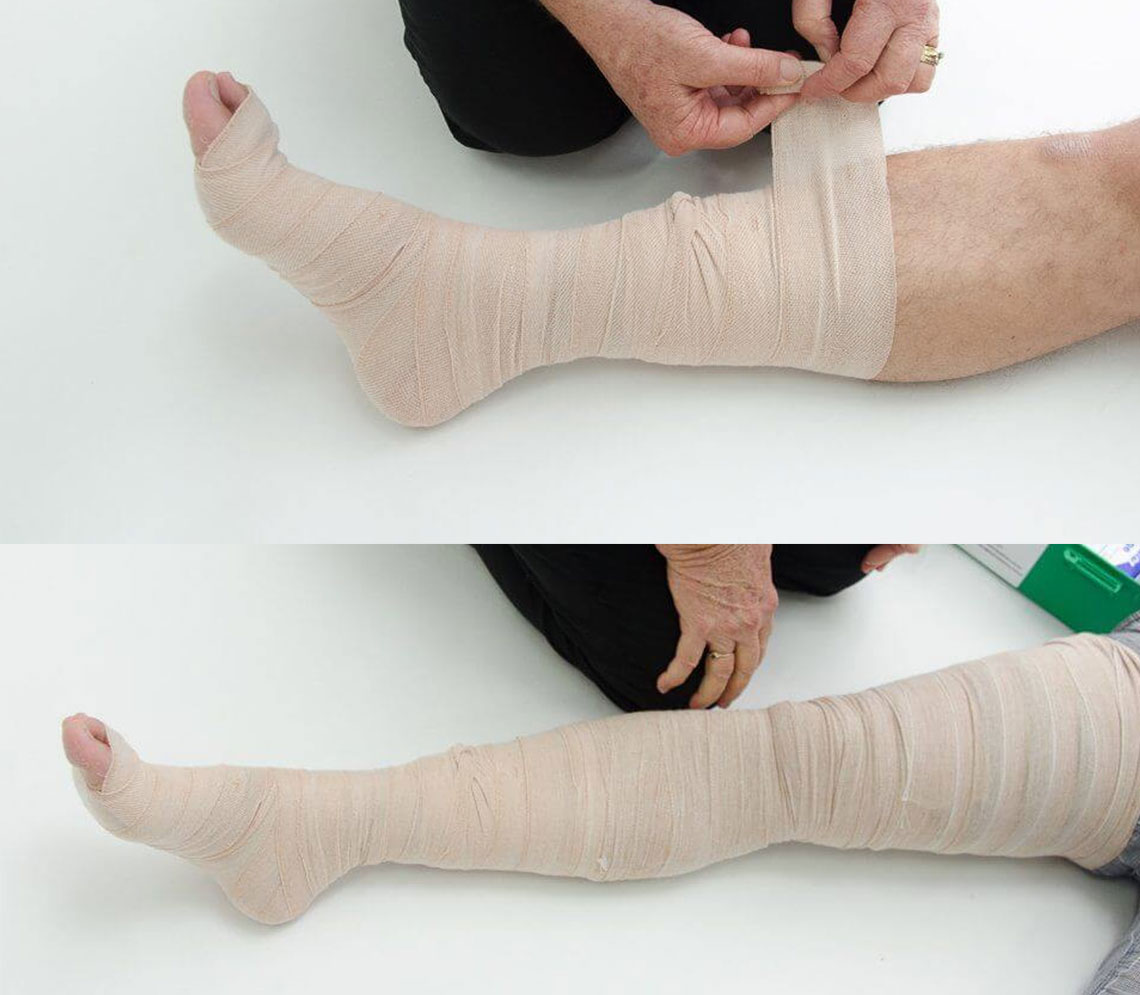
Once you are clear of the snake, help the person sit or lie down in a safe spot. Walking and moving around make the heart work harder, so the goal is as little activity as possible.
Speak in a slow, steady voice and let them know help is coming.
Keep the bitten arm or leg still and supported. A folded towel, a jacket, or the arm of a chair can hold it steady.
Avoid letting the person clutch, rub, or flex the area.
You may hear different advice about how high to hold the limb. Florida Poison Control suggests keeping it below heart level, while CDC guidance points to heart level or a neutral, comfortable position.
Since published advice differs, do not argue over inches. Choose a comfortable, well-supported position and focus on keeping things still.
If the person feels anxious, remind them that most people who get quick care do well. Poison Control explains that cottonmouth bites call for medical attention, which is exactly what you are arranging.
Stay close, and watch for fainting, vomiting, or confusion so you can tell the 911 dispatcher.
Remove tight items and cover the bite
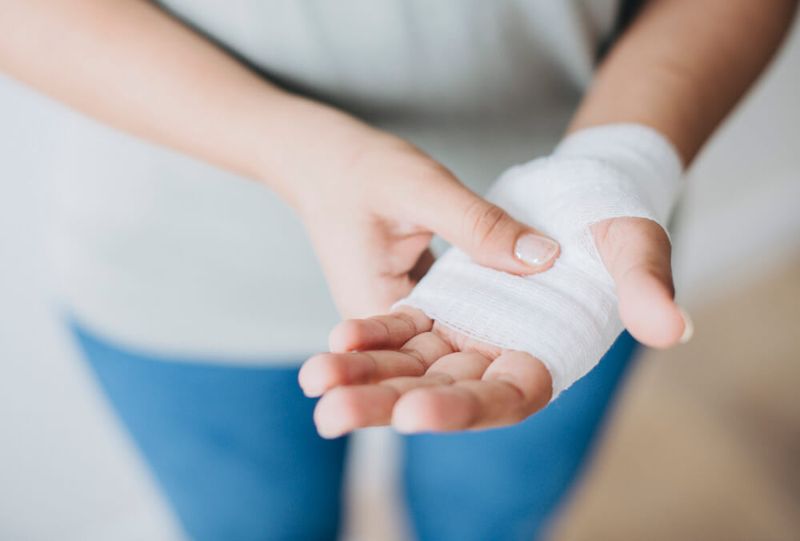
Swelling can build fast, so take off anything tight near the bite before it gets stuck. Rings, watches, bracelets, and snug sleeves or pant legs should come off or be loosened.
Do this gently and keep the limb as still as you can.
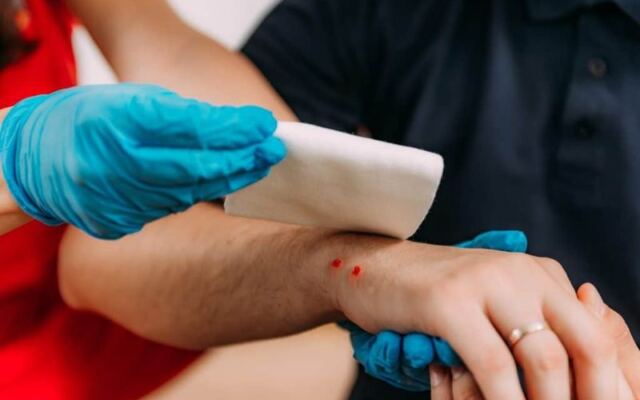
If it will not slow down EMS, rinse the wound softly with soap and water. Pat around it rather than scrubbing.
CDC guidance lists these simple steps as part of snake bite first aid.
Then cover the bite with a clean, dry dressing. A piece of gauze or a clean cloth is fine.
Keep it loose enough that it is not squeezing the limb.
Florida Poison Control gives similar basic care advice. Notice what is not on the list: no cutting, no creams, no home treatments.
If the ambulance arrives before you finish, stop and let the crew take over.
Record what you can from a safe distance
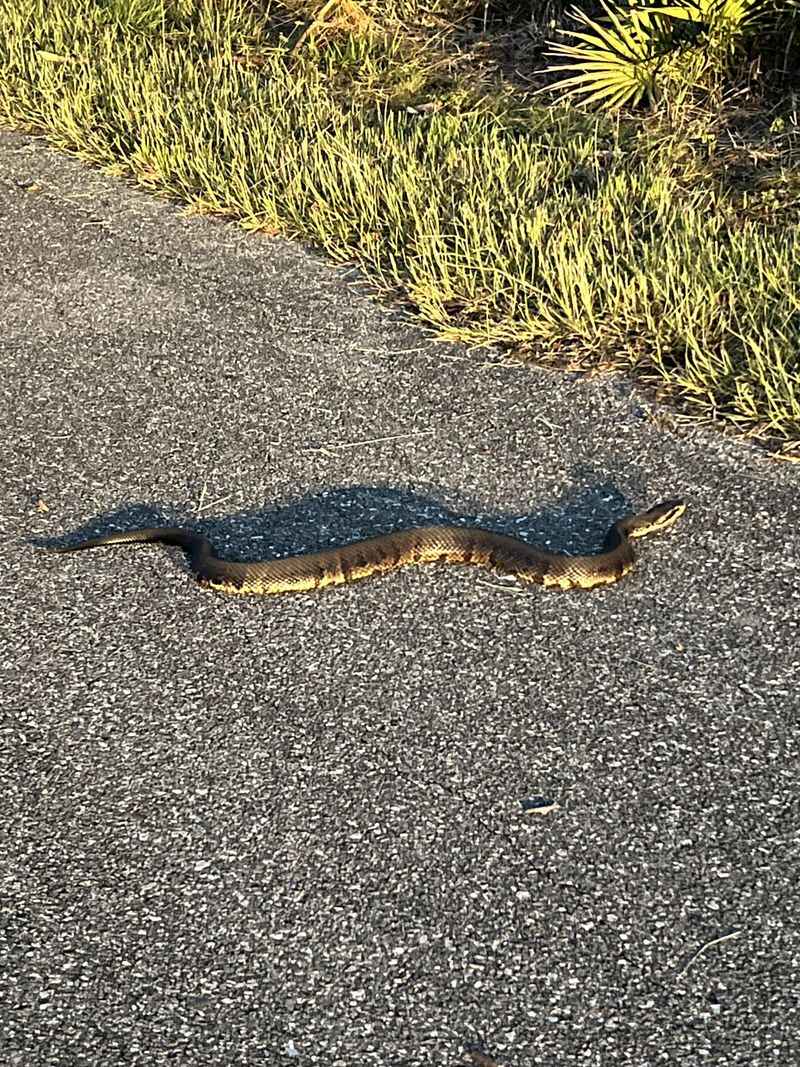
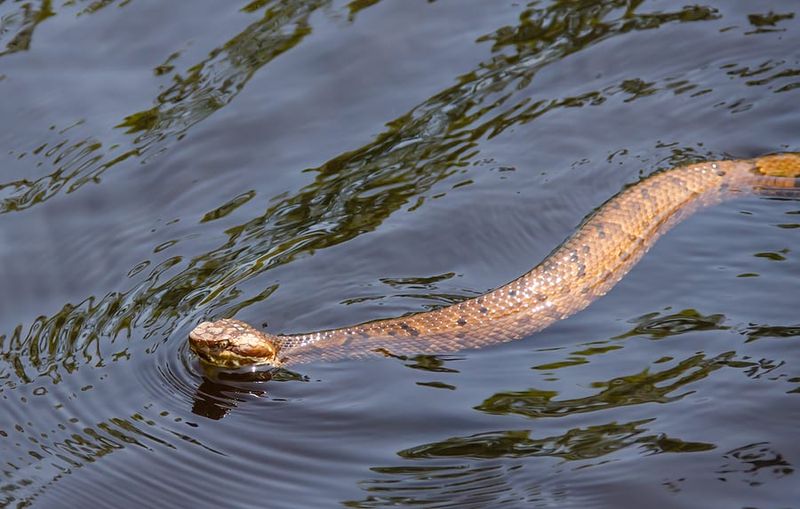
Being near water does not prove a snake was a cottonmouth. Florida has several harmless watersnakes that live in the same ponds and canals and can look much alike.
Even head shape is not a reliable way to tell them apart, according to the Florida Museum of Natural History.
That uncertainty is exactly why you should never hold up care to figure it out. Treat the bite as possibly venomous and keep the 911 call moving.
If it is safe and easy, take a quick photo from far away or note the snake’s color, size, and markings. Medical staff may find that helpful.
Never step closer, poke, or handle the snake to get a better look, and never carry it along to the hospital.
You may also be tempted to relax if the person feels fine. Symptoms vary from person to person and can take time to appear, so feeling okay at first does not make waiting safe.
CDC guidance says not to wait for symptoms before getting help.
Avoid remedies that can cause harm
Old movie tricks can do real damage. Do not cut the wound, do not try to suck out venom with your mouth, and do not use a suction kit.
Skip ice, electric shock, and tourniquets too. The 2024 American Heart Association and Red Cross first aid guidelines do not recommend these steps, and CDC guidance warns they can cause harm or delay care.
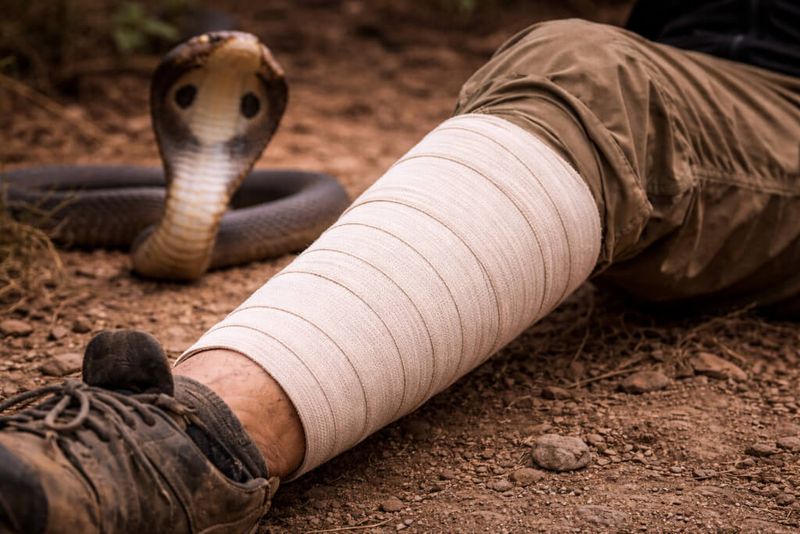
Pressure-immobilization bandaging is another method you may have read about. It is not advised as routine first aid for a Florida cottonmouth bite.
The AHA and Red Cross say it is not recommended in North America, where most snake bites involve cytotoxic venom, and the Florida Museum lists cottonmouths as pit vipers.
Do not confuse that wrap with the steady support described earlier. Holding the limb still on a towel or cushion is fine.
Tight wrapping or squeezing is not.
A good rule is that if a step takes time, hurts the person, or involves a tool from the garage, leave it out. Calling 911 and keeping the person still beats any home remedy.
Let clinicians assess symptoms and treatment

After a bite, the area may hurt, swell, bruise, or bleed. Some people also feel nauseated, throw up, or become weak, and signs of shock can develop.
CDC guidance and Florida Poison Control both describe these possible effects.
Symptoms differ from one person to the next. One person may have clear signs within minutes, and another may look fine for a while.
That is why a professional check is needed whether or not anything has shown up yet.
Doctors and EMS crews will look at the bite, ask about the person’s symptoms, and decide on treatment. Antivenom is one possible treatment.
The AHA and Red Cross guidelines place it in medical care, and the FDA’s CroFab page describes it as a treatment for North American pit viper bites.
Whether it is right for a particular person is a clinical decision. A bystander cannot judge that at the scene, so your job is simply to get the person to professionals safely.
Make the next cleanup safer
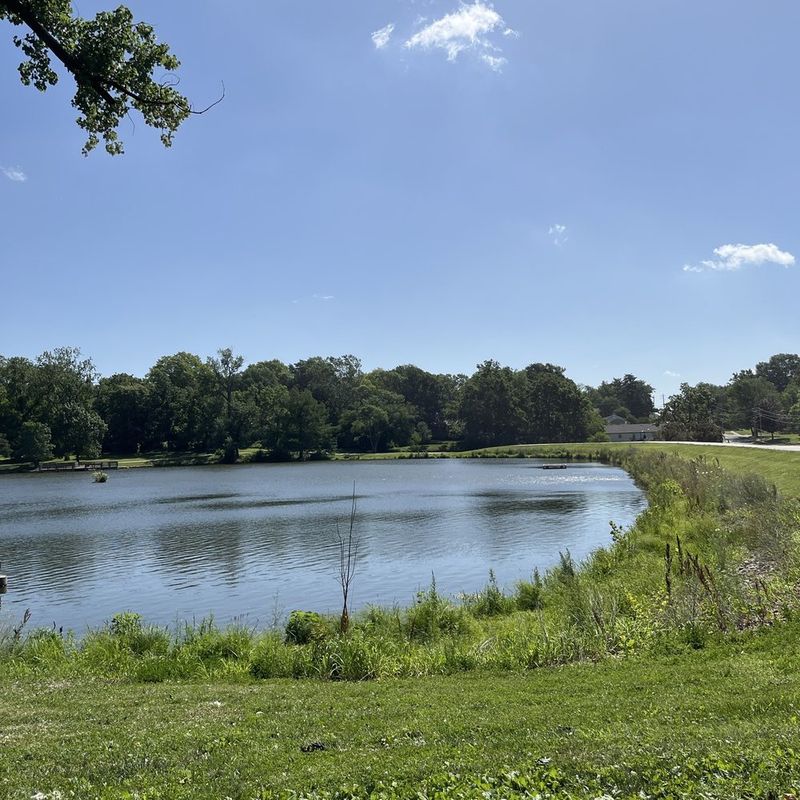
Fall cleanup is a handy time to plan ahead, though it does not mean cottonmouths are more dangerous in autumn. Snakes generally try to get away rather than go after people.
Smart habits just lower the odds of a surprise.
Following CDC advice, avoid reaching blindly into leaf piles or other hidden spots. Wear boots, long pants, and leather gloves.
Use a rake, hoe, or similar tool to move debris instead of your hands.
None of this is a guarantee, so keep your phone close and know your exact address. A little caution turns a scary moment into a manageable one.
Share this story