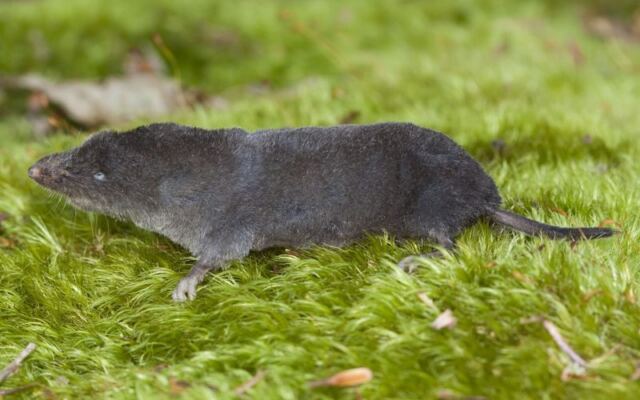
Florida’s southern short-tailed shrew is a tiny mammal that typically weighs less than an ounce, and its bite is described as venomous by some experts. That surprises many people, since we tend to link venom with snakes and spiders.
The story gets more interesting when you look closely, because sources do not fully agree about this shrew’s venom. Here is what researchers have reported, and what is still unsettled.
Its reported typical weight is about 0.48 ounces
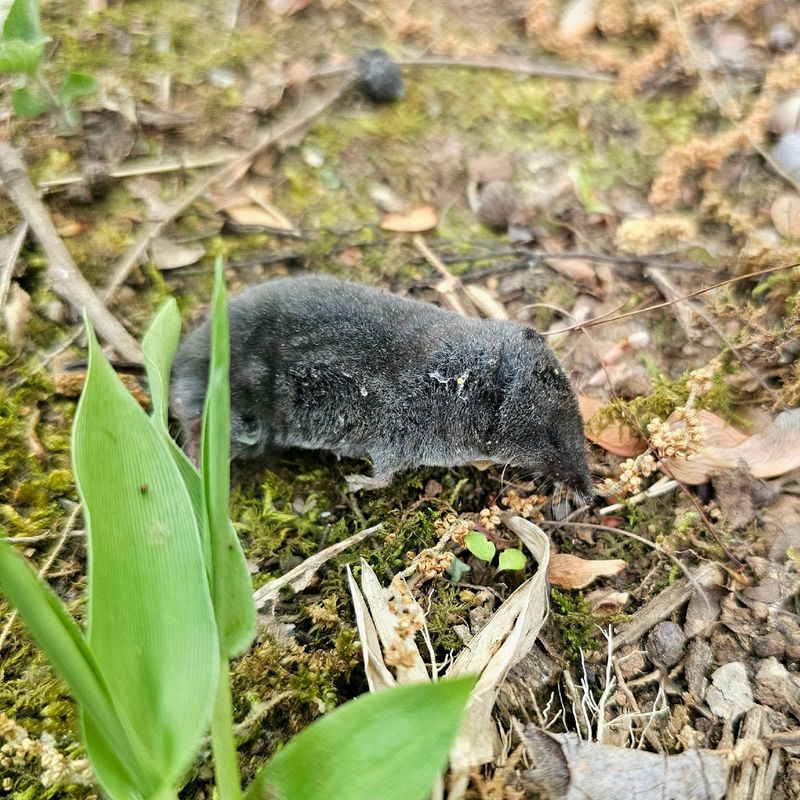
Picture a handful of coins. That is roughly what a southern short-tailed shrew (Blarina carolinensis) weighs.
A 2001 species review reports that the animal typically weighs less than 13.5 grams, which is about 0.48 ounces.
Since an ounce is about 28 grams, that typical figure sits well under the one-ounce mark. It is a good match for the headline’s weight claim, as long as we treat it as a typical weight.
The word “typically” matters here. The review does not say every individual falls below 13.5 grams, and it does not set a hard upper limit.
A shrew that has been feeding well, or one that is carrying young, could weigh more than average.
Other accounts show a wider spread. The University of Michigan’s Animal Diversity Web account gives a range of 15 to 30 grams, which stretches above an ounce at the upper end.
So two reputable sources give different numbers. The practical reading is that these shrews are very small, with many weighing under an ounce, but you should not treat “less than an ounce” as a rule that fits every animal you might meet.
If you ever see one, the size gives a quick clue: it is smaller than a mouse in body mass, with a stout body, short tail, and a long pointed nose.
Florida has more than one short-tailed shrew
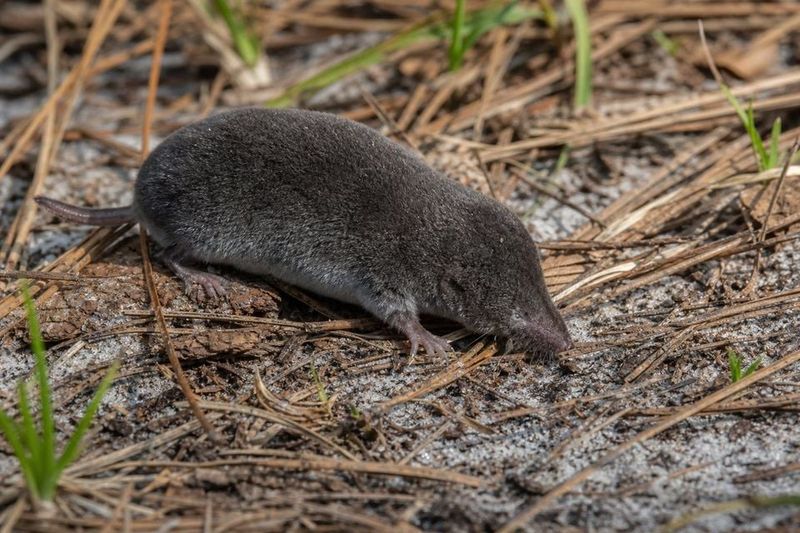
Florida’s shrew story is not as simple as one animal with one name. The American Society of Mammalogists covers the southern short-tailed shrew, which does occur in Florida, but it is not the only short-tailed shrew found in the state.
Other taxa live here too, and some have their own conservation attention. That means a shrew in your area might belong to a different group than the one in the headline.
Names have also shifted over time. The U.S.
Fish and Wildlife Service currently lists the Everglades short-tailed shrew as Blarina peninsulae.
An older species review, the same 2001 review of Blarina carolinensis, treated that animal as a subspecies of B. carolinensis instead.
This is why a common name alone cannot tell you which animal you are dealing with. “Short-tailed shrew” can point to more than one taxon, and the label on an old article may not match today’s classification.
A handy habit: when you read a claim about a shrew, check the scientific name and the date. If the source covers a different species or uses an older classification, its facts may not carry over to the animal in front of you.
Habitat descriptions depend on which shrew the source covers
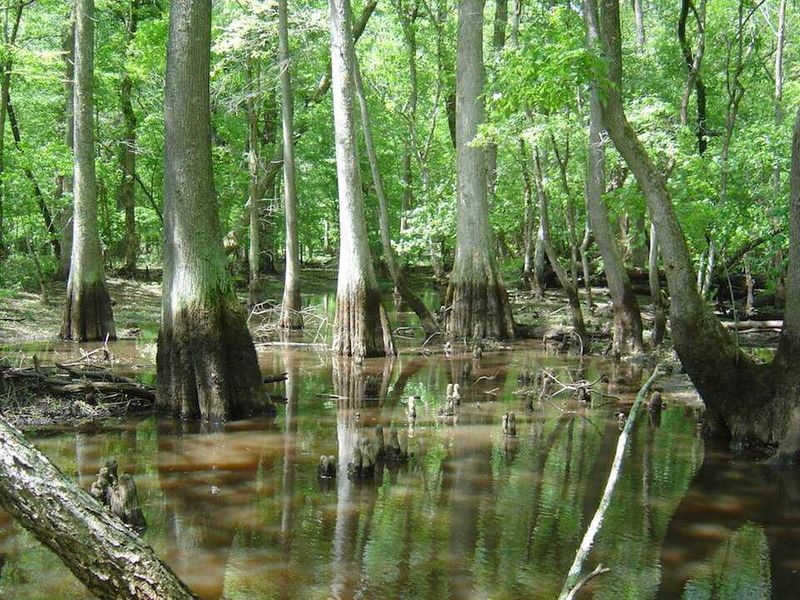
Where a shrew lives depends on which shrew you ask about. Florida Fish and Wildlife Conservation Commission conservation and permitting guidelines are written for Sherman’s short-tailed shrew, not for the southern short-tailed shrew.
For that animal, the guidance describes dense herbaceous habitats or moist forests. That description applies to the shrew the guidelines cover, and it should not be stretched to every short-tailed shrew in Florida.
The species review of Blarina carolinensis paints a broader picture. It reports the southern short-tailed shrew from a range of settings, including forests, thickets, fields, and marshes, along with other habitats.
That wider list belongs to B. carolinensis as described in the species review, and it should not be applied evenly to every Florida taxon either.
What about yards, leaf litter, and mulch beds? Those spots may sound plausible for a small ground-dwelling animal, but the Florida guidance does not establish them as routine habitat.
Treat them as possible, not proven.
The takeaway for a curious resident is simple. Moist, thickly vegetated ground fits what the sources describe.
Beyond that, the habitat depends on the exact shrew and the exact source.
Sources disagree about venom in the southern short-tailed shrew
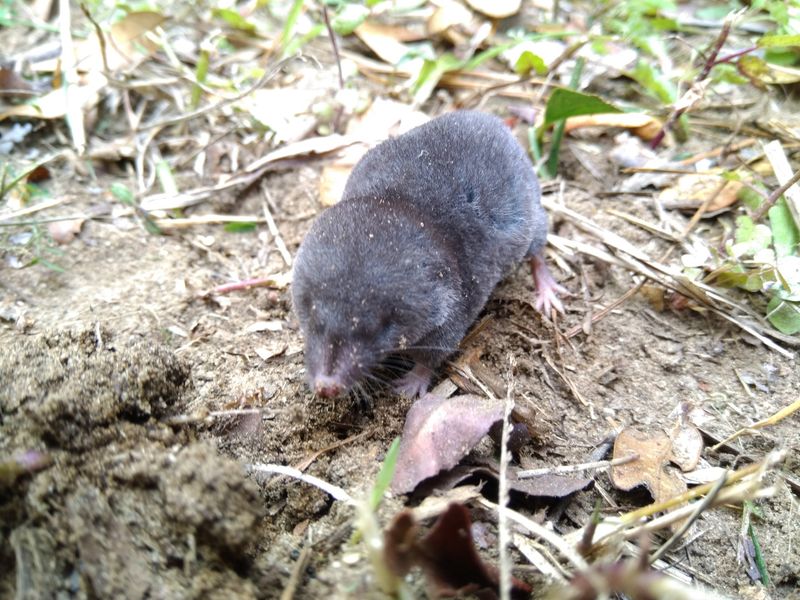
Here is where the headline runs into trouble. The American Society of Mammalogists describes the southern short-tailed shrew as slightly venomous.
That is a direct statement about this species from a respected mammal organization.
The University of Michigan’s Animal Diversity Web account says something different. It reports that venom has not been tested in this species.
Those two statements do not quite cancel each other. One describes the shrew as slightly venomous.
The other says the test has not been done.
Put together, they leave the question open. Venom in Blarina carolinensis is suspected, and some sources describe it that way, but it has not been shown by experiments on this species.
It also has not been ruled out.
That is why the headline’s claim is best read as disputed rather than settled. It is not a flat fact, and it is not a myth either.
For readers, the practical lesson is to watch the wording. “Slightly venomous” in one place and “not tested” in another can both be accurate descriptions of the same gap in knowledge. Until researchers test this species directly, the safest summary is that the answer is unresolved.
Research on a related shrew does not confirm it
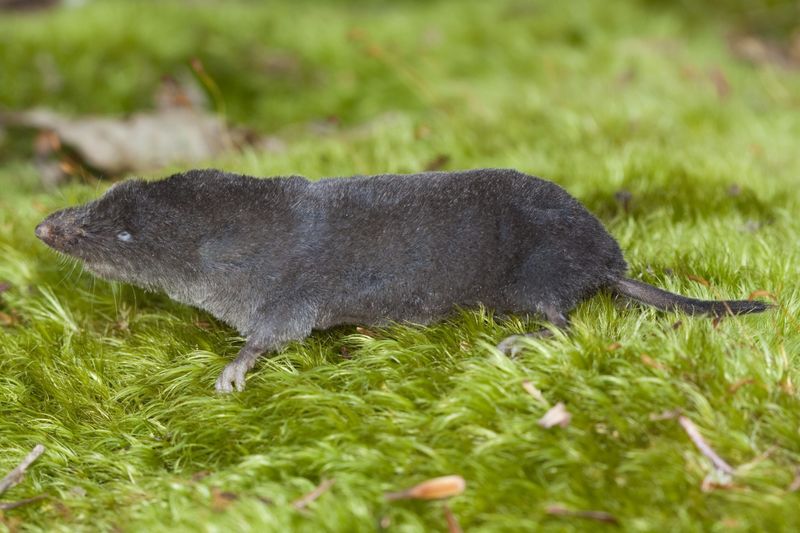
The best-known shrew venom research is about a different animal. A peer-reviewed study titled Blarina toxin, a mammalian lethal venom from the short-tailed shrew Blarina brevicauda characterized a toxin from the northern short-tailed shrew.
That species is a close relative of the southern short-tailed shrew, but it is a separate species. The study’s findings describe what the researchers examined in B. brevicauda.
Closely related animals can share traits, so the research is a reasonable reason to wonder about B. carolinensis. Still, a hunch is not a test.
A trait found in one species cannot, by itself, prove the same trait in another.
The Animal Diversity Web account for Blarina carolinensis keeps the two apart by saying venom has not been tested in the southern species.
There is another limit to keep in mind. The study looked at the toxin and its effects in the context of the research, including on prey animals.
It does not tell us how a bite would affect a person, and nobody should guess at that from work on another species.
So the northern shrew research is useful background. It is not proof for the southern shrew, and it says nothing reliable about human bites.
Avoid handling a shrew, and take bites seriously
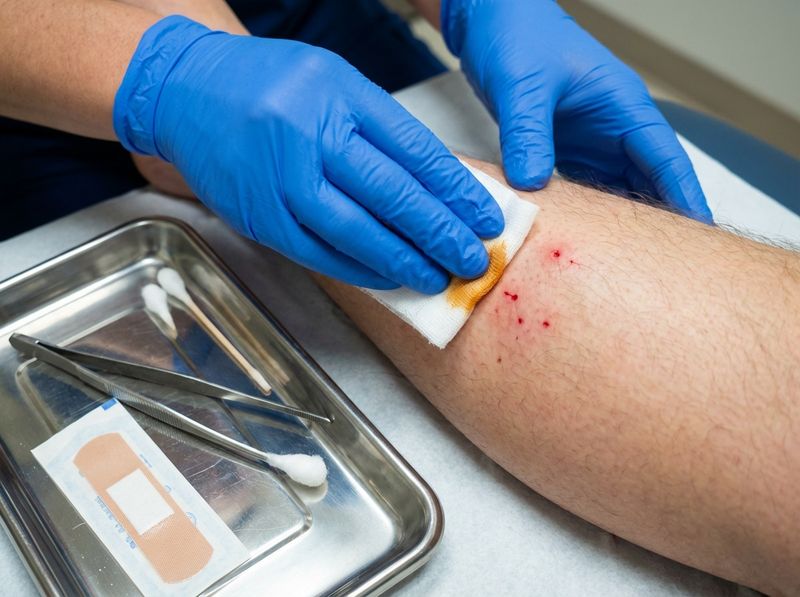
Because the venom question is unresolved, the sensible plan is simple: leave wild shrews alone. CDC guidance on wildlife advises keeping your distance from wild animals, and that includes small ones that seem harmless.
If you find a shrew indoors or in a garden, give it space and let it move on, or keep pets away from it. Nobody can say in advance how a particular bite or scratch will go, so avoiding contact is the best protection.
If someone is bitten or scratched, wash the wound right away with warm soapy water. Then seek medical advice as appropriate.
Ask a health professional whether a rabies evaluation is needed. The CDC page on when to seek care explains what to do after a possible exposure.
Keep the evidence sorted as well. The weight figure is a typical value that sources support, while venom in this species is still a question mark between the mammal society’s description and the untested note in another account.
A creature this small can still teach a big lesson: sometimes the honest answer is that science is still checking.
Share this story