When the air cools and the first rains roll in, California backyards get busy in ways most people never notice. Spiders go looking for mates, scorpions slip indoors, and snakes hunt for a warm place to spend the winter.
Knowing who shares your yard in late fall can save you from a painful bite or sting. Here are ten venomous neighbors worth recognizing before you reach into that woodpile.
1. Western Black Widow
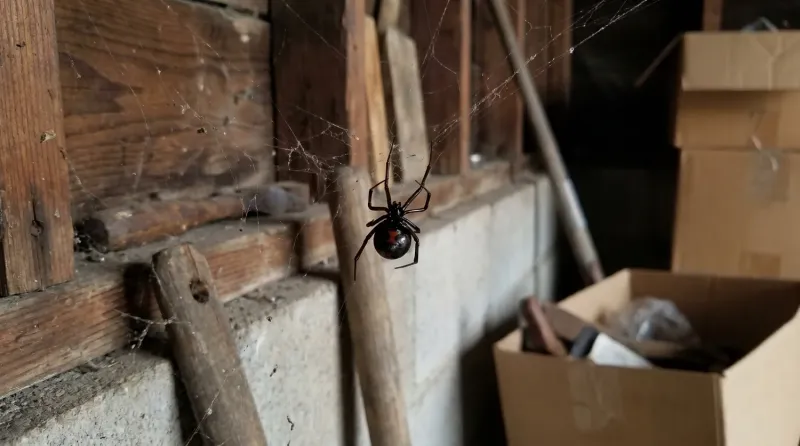
Flip over an old flowerpot in November and you might find a glossy black spider guarding a papery egg sac. The female western black widow is famous for the red hourglass on her belly, and fall is when she is at her largest after a summer of eating well.
Her venom affects nerves, causing muscle cramps, sweating, and stomach pain. Bites are rarely deadly for healthy adults, but kids and older folks should get medical help quickly.
Widows love dark, quiet spots like meter boxes, garage corners, and the undersides of lawn furniture. Wear gloves when cleaning those areas, and shake out shoes left outside overnight.
2. Brown Widow
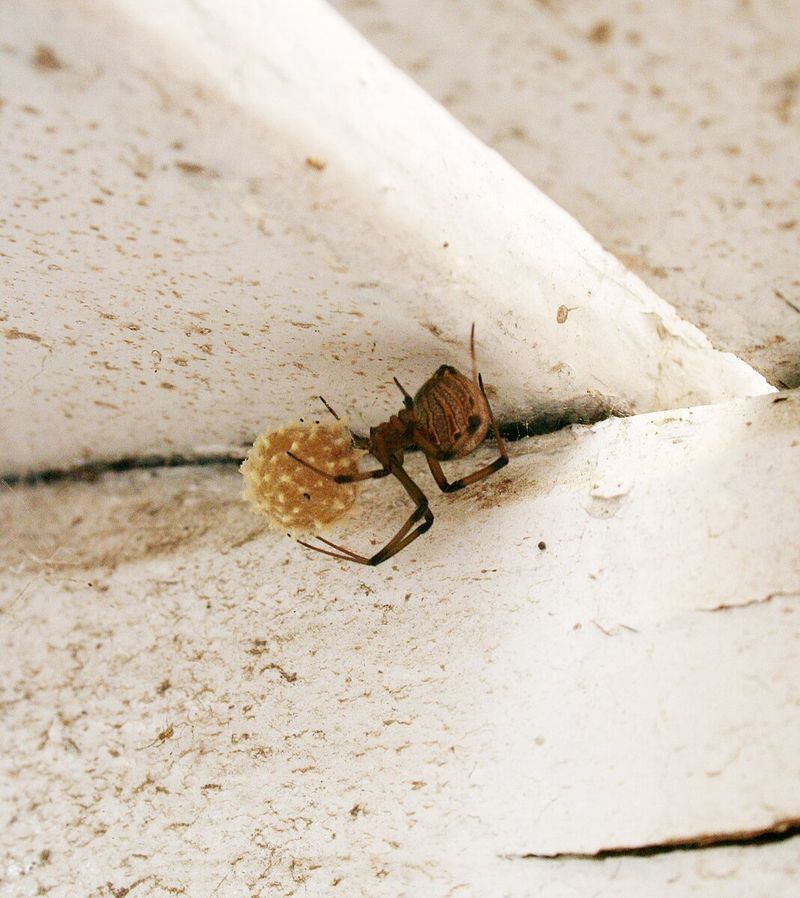
Here is a newcomer that has quietly taken over much of Southern California since the early 2000s. Brown widows arrived from abroad and now outnumber black widows in many suburban neighborhoods.
You can spot them by their tan, speckled bodies and an orange hourglass. Their egg sacs are the giveaway, though, since they look like tiny spiky pom-poms stuck under railings and chairs.
Good news: their venom is weaker than their black cousin’s, and they tend to be shy. A bite still stings and can cause local pain, so treat them with respect when you tidy up the patio in autumn.
3. Northern Pacific Rattlesnake
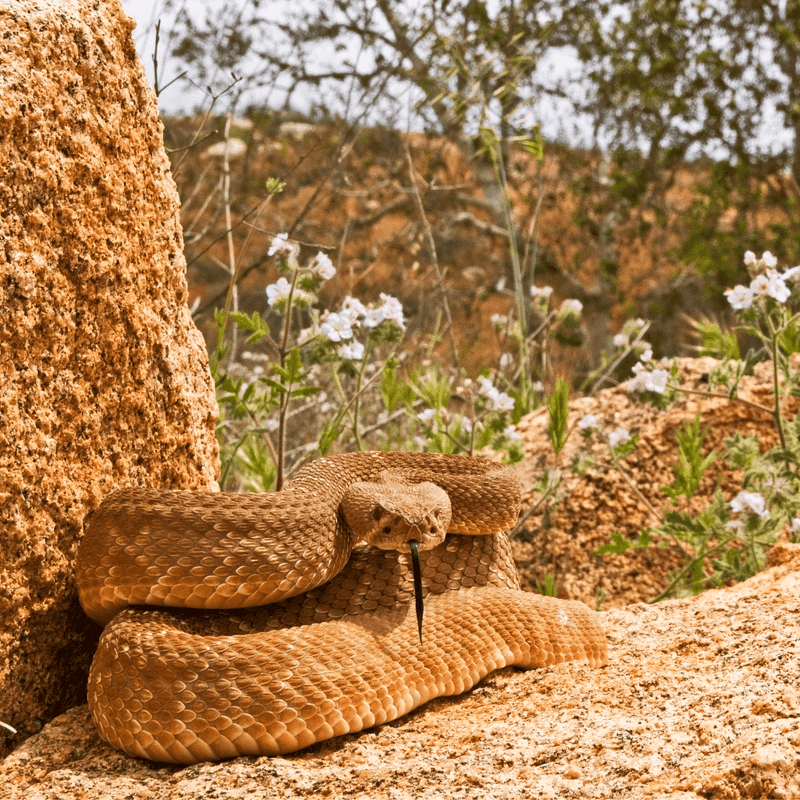
Picture a chilly October morning. A rattlesnake stretches across your warm driveway, soaking up sunshine before it heads underground for winter.
Northern Pacific rattlers live across much of the state, from coastal hills to Sierra foothills. In fall they travel back toward rocky dens, which means more crossings through yards, garden beds, and woodpiles near open land.
Leave them alone and they almost always leave you alone. Most bites happen when people try to move or kill a snake.
If you get bitten, stay calm, remove rings or tight items, and get to a hospital right away.
4. Southern Pacific Rattlesnake
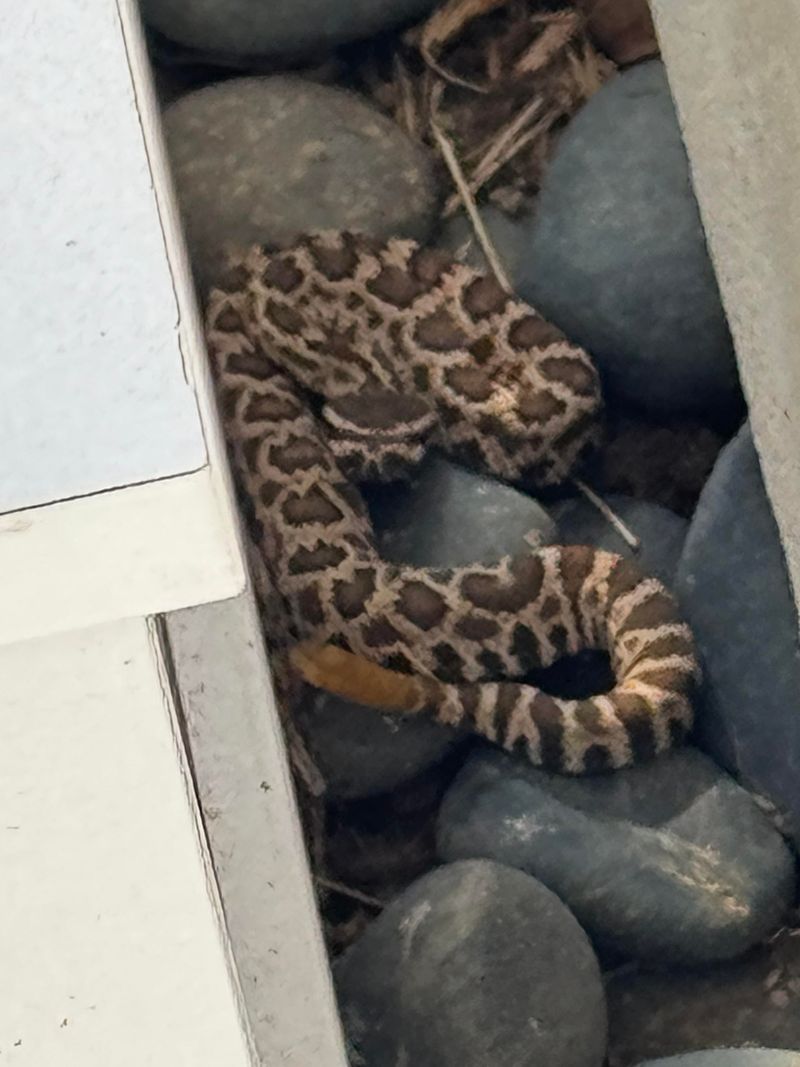
Hikers in Los Angeles, Orange, and San Diego counties know this snake well. The Southern Pacific rattlesnake thrives right where suburbs meet chaparral.
Some researchers believe its venom can be more potent than its northern relative’s, so any bite is a true emergency. Fall rodent activity draws these snakes toward sheds and compost piles where mice gather.
Cutting down rodent hideouts is your best defense. Store birdseed in sealed bins, keep grass short, and clear brush piles away from the house.
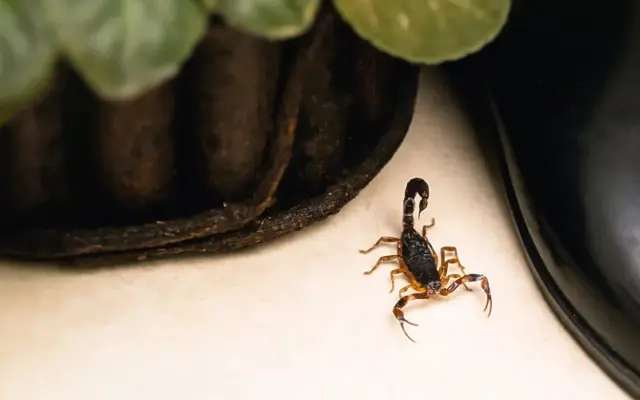
5. California Common Scorpion
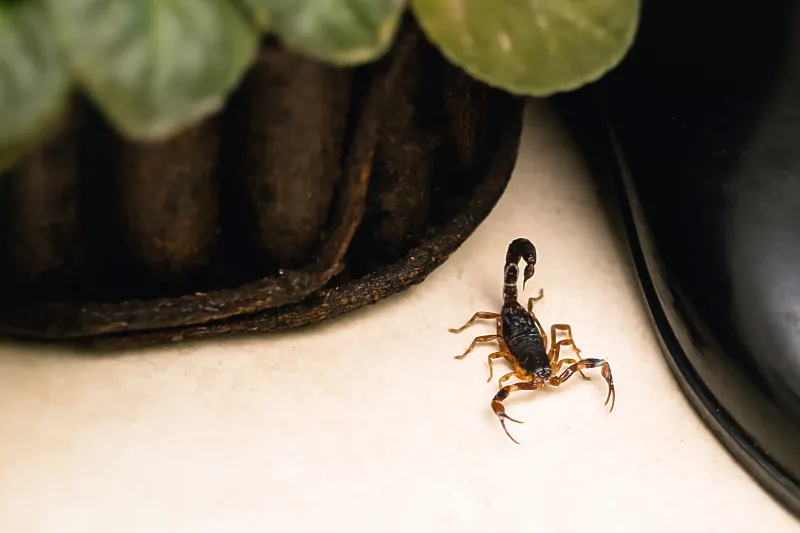
Grab a blacklight and walk your yard after dark, and you may be surprised. Scorpions glow bright blue-green under UV light, and the California common scorpion is often the one shining back.
This small tan scorpion hides under rocks, bark, and boards during the day. When fall nights turn cool, some wander into garages and homes looking for shelter.
A sting feels a lot like a bee sting, with burning and swelling that fades in a few hours. Shake out towels and sleeping bags stored in the garage, and seal gaps under doors.
6. Giant Desert Hairy Scorpion
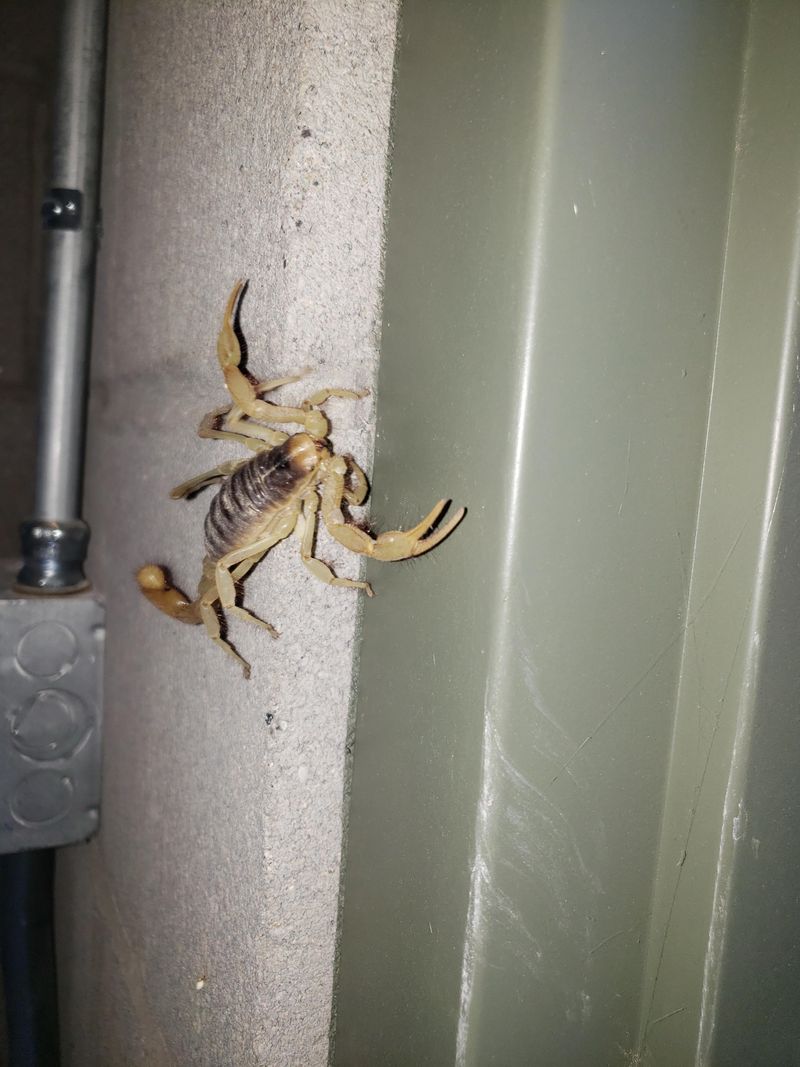
At up to five or six inches long, this is the biggest scorpion in North America, and it looks every bit like a movie monster.
Folks in the Coachella Valley and other desert towns sometimes find these hairy giants near pools or under landscaping rocks. Despite the scary size, their venom is fairly mild, similar to a strong bee sting for most people.
They are most active on warm fall nights before winter slows them down. Use a jar and a piece of cardboard to relocate one, never your bare hands.
7. Yellowjacket
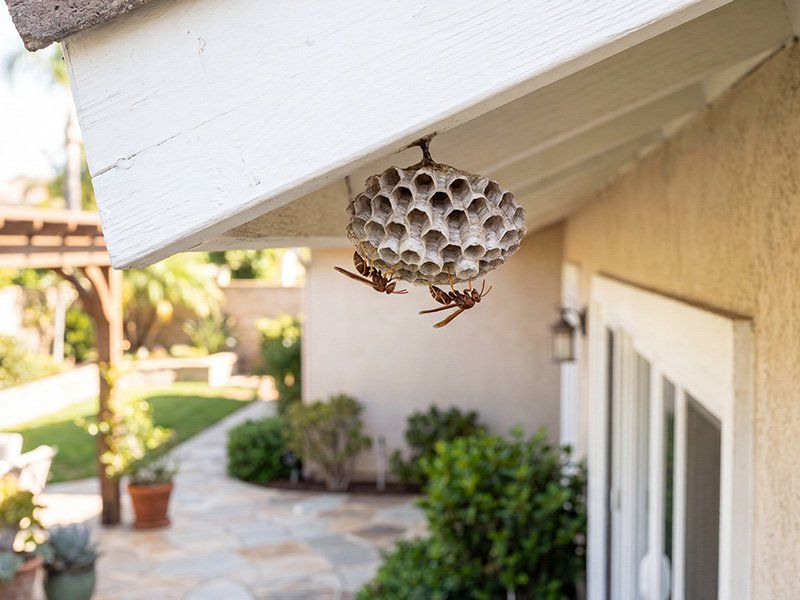
Ever had a backyard barbecue crashed by uninvited guests? Late fall yellowjackets are the worst party crashers around.
By autumn their colonies are huge, and natural food is running low. That makes them bold and grumpy, buzzing around soda cans, fallen fruit, and pet food.
Many nest underground, so mowing over a hole can trigger an angry swarm.
Unlike honeybees, they can sting again and again. Cover drinks, pick up dropped fruit, and call a pro for ground nests.
Anyone with sting allergies should keep their epinephrine handy.
8. Tarantula Hawk Wasp
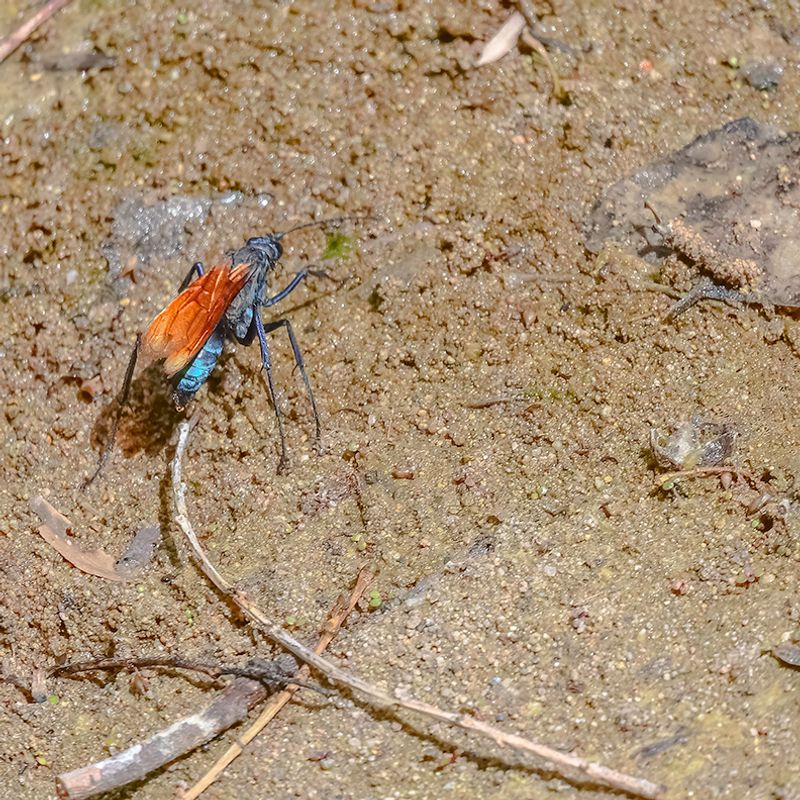
Few insects come with a reputation like this one. Scientists who study stings have ranked the tarantula hawk among the most painful in the world, describing it as a jolt of pure electricity.
The wasp is easy to spot, with a shiny blue-black body and rusty orange wings. Females hunt tarantulas, which also wander in fall looking for mates, and paralyze them to feed their young.
Thankfully, they are calm toward people and rarely sting unless grabbed or stepped on. Admire them from a few feet away as they sip nectar from garden flowers.
9. Desert Recluse Spider
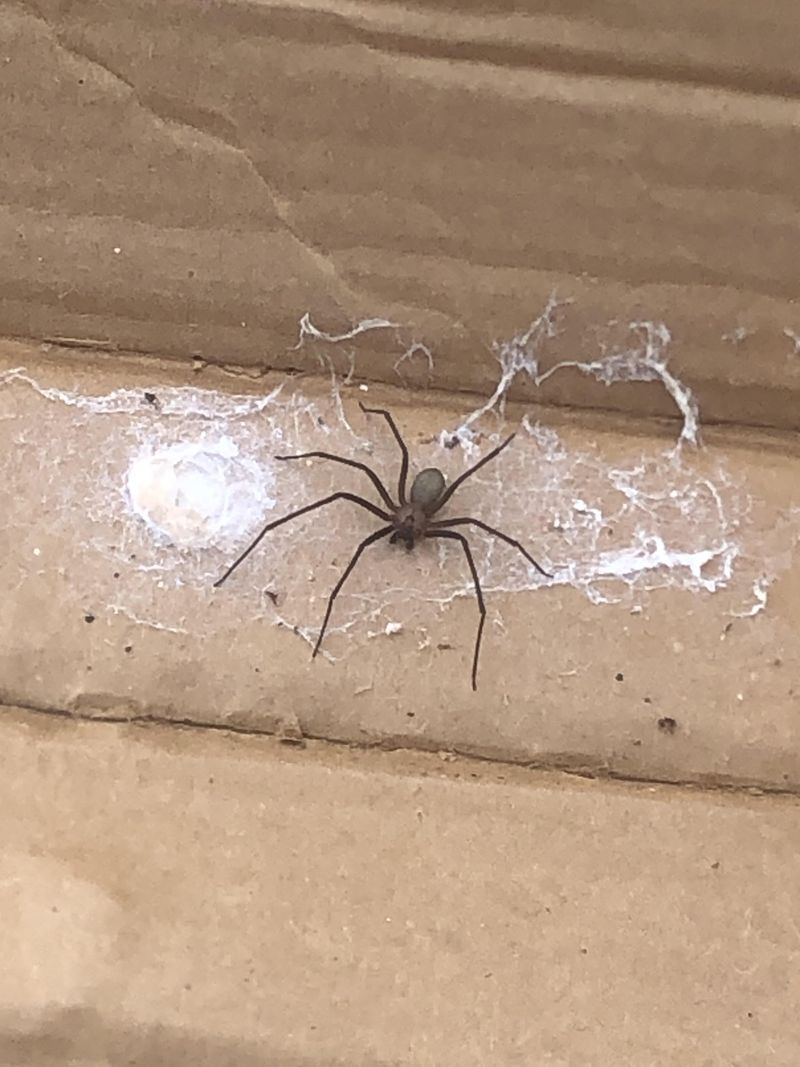
Plenty of Californians blame mystery bites on brown recluse spiders, yet that species does not really live here. Its cousin, the desert recluse, does, mostly in the southeastern deserts.
This light brown spider has a faint violin shape on its back and only six eyes. It hides in packrat nests, woodpiles, and cluttered sheds, and may move toward warmer storage spaces as nights cool.
Bites are uncommon but can cause a slow-healing wound. Keep storage boxes sealed and off the floor, and wear gloves when sorting through old stuff.
10. Giant Desert Centipede
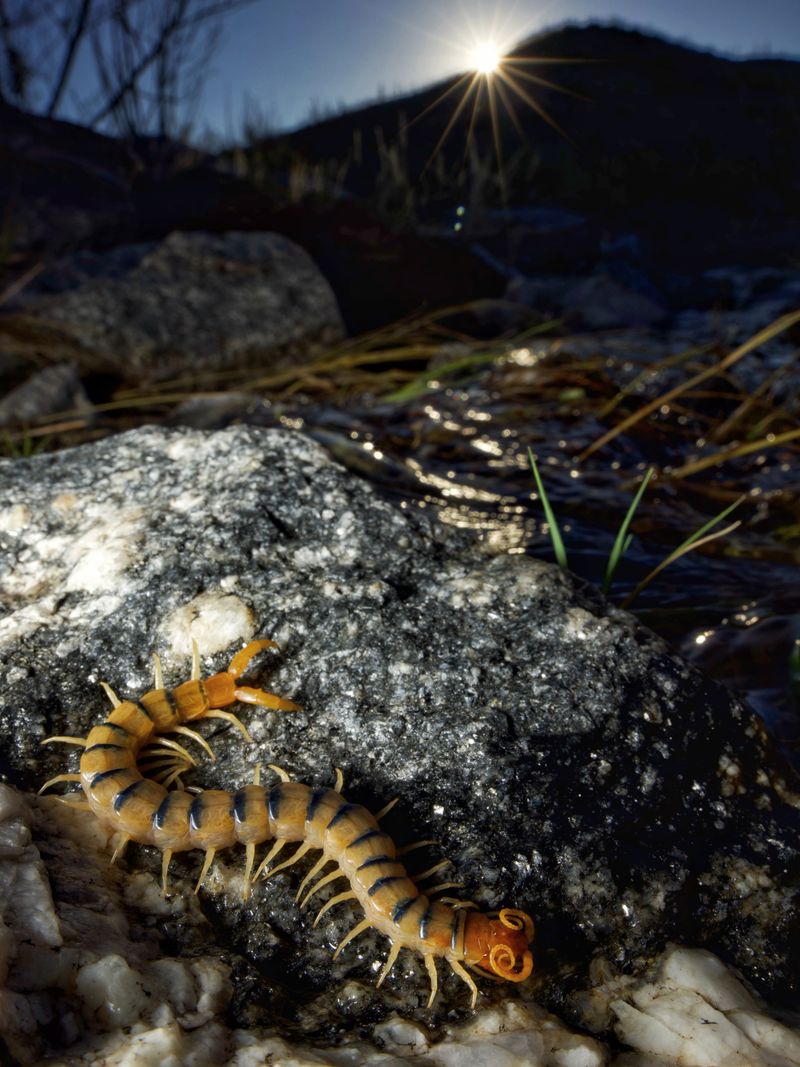
Fast, leggy, and nearly eight inches long, the giant desert centipede is enough to make anyone jump. Its bold orange and black colors are a warning sign in nature.
These hunters use venomous front claws to grab insects, lizards, and even small mice. After fall rains they come out more often, slipping under doormats, flagstones, and garden debris.
A bite hurts a lot and can swell, but it is rarely dangerous for adults. Clean the area, use a cold pack, and see a doctor if symptoms get worse.
Wearing shoes outdoors at night goes a long way.
Share this story