Get the latest garden guides in your inbox →
Gardening Latest
  • General Gardening
  • Lawn Care
  • Plant Care
  • Composting
  • Soil Health
  • Backyard
  • Garden Muse Magazine
  • General Gardening
  • Lawn Care
  • Plant Care
  • Composting
  • Soil Health
  • Backyard
  • Garden Muse Magazine
  • News
  • Gardening Calendar
  • Garden Structures
  • Vegetable Garden
  • Vertical Garden
  • Raised Beds
  • Hydroponics
  • General Equipment
  • Community Gardens
Garden Themes
  • Spiritual Garden
  • Hydroseeding
  • Seeding and Laying Sod
  • Artificial Grass
  • Lawn Care Equipment
  • Plants
  • Trees
  • Planting Tools
  • Composting Basics
  • Fertilizer
  • Alternative Growing Mediums
  • Front Yard
  • Backyard Activities
  • Landscaping
Gardening Latest

Explore by state

Which state is your garden in?

Currently viewing California

All states

Northeast

  • Connecticut —
  • Delaware 33
  • Maine —
  • Maryland 19
  • Massachusetts 35
  • New Hampshire —
  • New Jersey 19
  • New York 28
  • Pennsylvania 28
  • Rhode Island —
  • Vermont —

Southeast

  • Alabama 19
  • Arkansas —
  • Florida 19
  • Georgia 19
  • Kentucky 33
  • Louisiana 18
  • Mississippi —
  • North Carolina 17
  • South Carolina 32
  • Tennessee 16
  • Virginia 18
  • West Virginia —

Midwest

  • Illinois 18
  • Indiana 20
  • Iowa 32
  • Kansas —
  • Michigan 19
  • Minnesota 18
  • Missouri 18
  • Nebraska —
  • North Dakota —
  • Ohio 19
  • South Dakota —
  • Wisconsin 34

Southwest

  • Arizona 19
  • Colorado —
  • Nevada —
  • New Mexico —
  • Oklahoma —
  • Texas 18
  • Utah —

West

  • Alaska —
  • California 19
  • Hawaii —
  • Idaho —
  • Montana —
  • Oregon —
  • Washington —
  • Wyoming —

No state matches that search.

Site menu

Gardening Latest
  • General Gardening
    • News
    • Gardening Calendar
    • Garden Structures
    • Vegetable Garden
    • Vertical Garden
    • Raised Beds
    • Hydroponics
    • General Equipment
    • Community Gardens
    Garden Themes
    • Spiritual Garden
  • Lawn Care
    • Hydroseeding
    • Seeding and Laying Sod
    • Artificial Grass
    • Lawn Care Equipment
  • Plant Care
    • Plants
    • Trees
    • Planting Tools
  • Composting
    • Composting Basics
  • Soil Health
    • Fertilizer
    • Alternative Growing Mediums
  • Backyard
    • Front Yard
    • Backyard Activities
    • Landscaping
  • Garden Muse Magazine

Explore

  • About GardeningLatest.com
  • Contact Us

Get the latest from the garden

New guides on lawn care, plants and backyard projects, sent when they go up.

Subscribe →

Follow

  • Facebook
  • X
  • Pinterest
  • YouTube
California Gardening

California Gardeners Who Get Stung by a Buck Moth Caterpillar Should Do This Right Away

If a spiny caterpillar just stung you in the garden, move it off with a tool, then use tape, gentle washing…

JN

By Julia Navarro

November 25, 2026 · 6 min read

California Gardeners Who Get Stung by a Buck Moth Caterpillar Should Do This Right Away

If a spiny caterpillar just stung you in the garden, move it off with a tool, then use tape, gentle washing, and a wrapped cold pack to calm the skin. These steps are simple, and you can start them in a minute or two.

California has more than one kind of Hemileuca caterpillar, so the name buck moth is only part of the story. Here is what to do, what to watch for, and when to get help.

At a glance

Where
California Gardening
Hardiness zone
9 20 to 30°F
Read
6 minutes
Published
November 25, 2026

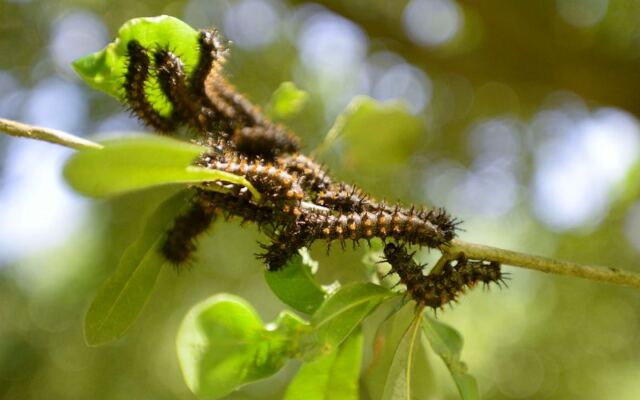
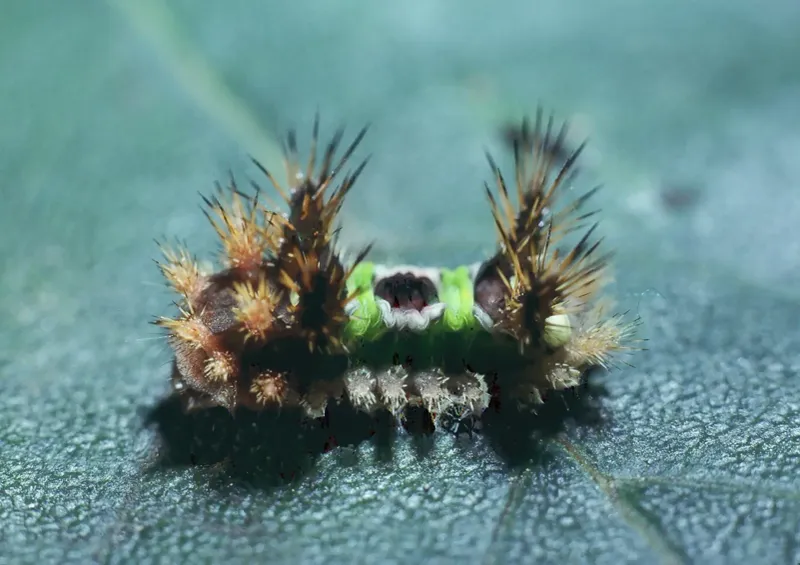
California has several spiny Hemileuca caterpillars
California has several spiny Hemileuca caterpillars
© Butterflies and Moths of North America

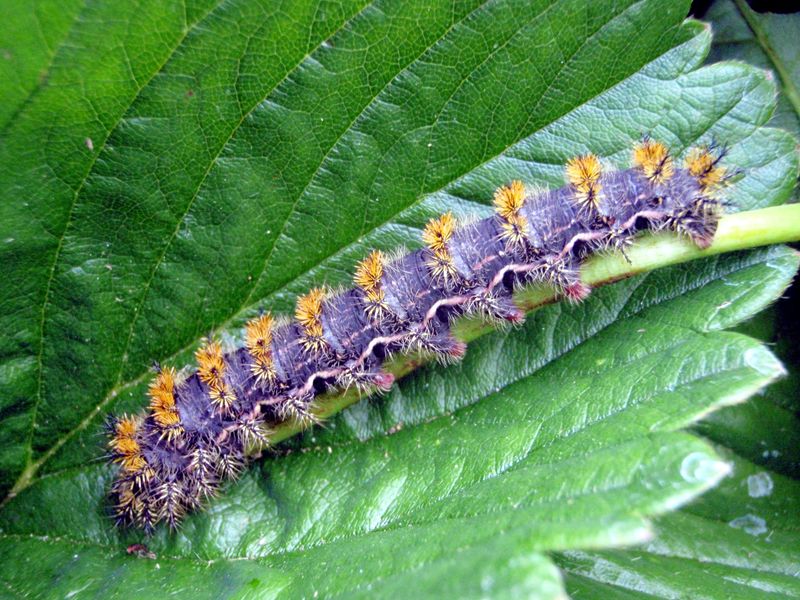
Gardeners often say buck moth caterpillar for any dark, spiny caterpillar that stings. In California, though, that label covers more than one species.

The name alone cannot tell you exactly what bit you.

The western sheepmoth (Hemileuca eglanterina) is listed on Butterflies and Moths of North America with Ceanothus and wild rose among its host plants, and a UC Irvine natural history entry covers its California range. The Electra buckmoth (H. electra) is a separate species found in Southern California, and records for it point to flat-top buckwheat.

So Ceanothus and wild rose are linked to one species, and buckwheat to another. These plants should not be lumped together as hosts of a single caterpillar.

A plant gives useful context, but it cannot confirm which caterpillar you are looking at.

You may also see H. maia, the true buck moth, mentioned online. University of Florida IFAS describes it as an eastern species that feeds on oaks, so it is not the one to assume in a California yard.

Do not pick up the caterpillar to figure out what it is. Start first aid instead, and take a photo from a safe distance if you want to identify it later.

Move the caterpillar safely and use fresh tape
Move the caterpillar safely and use fresh tape
© Woodland Tree Service

Getting the caterpillar off your skin comes first. Use a stick, tweezers, a folded piece of paper, or any other barrier.

Never use bare fingers, since the spines can sting your hands too.

You are watching, not diagnosing, and no one can promise exactly how a reaction will go.

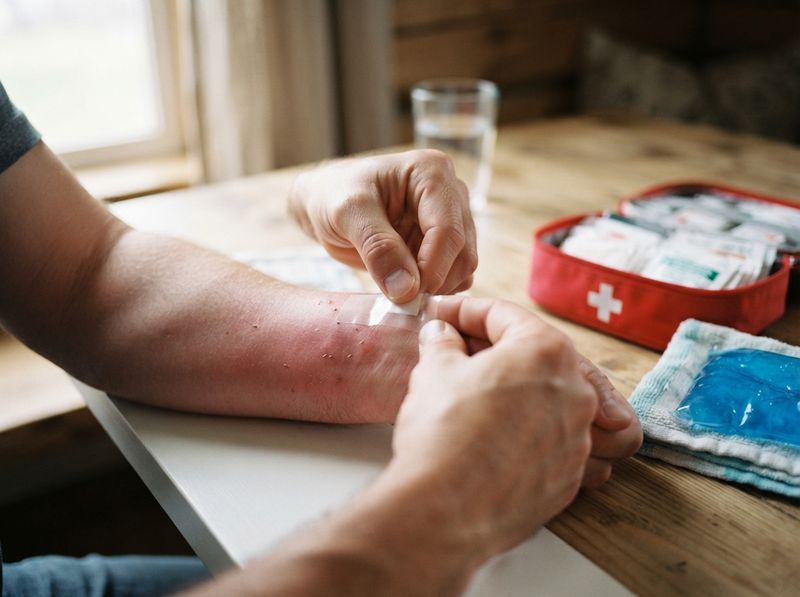
Next, Poison Control describes using tape to lift leftover hairs or spines. Press a piece of tape lightly over the sore area and peel it away.

Use a fresh piece each time rather than reusing one, because a used piece can press spines back into the skin.

Tape may lift some hairs or spines, but it does not guarantee that all of them come out. It also will not stop the reaction itself.

Think of it as one practical way to reduce what is left on the skin.

Sources differ on the order of steps. MedlinePlus lists tape and washing as useful measures, and neither has to be your very first move.

If soap and water are right there, wash first. If you are out in the yard, tape first is fine.

These steps are general first-aid guidance for caterpillar contact. They are not a tested protocol for California western sheepmoth or Electra buckmoth stings.

Do not rub the area while you work.

Wash gently and cool the skin

Wash gently and cool the skin
© A-Z Animals

Once the caterpillar is gone, rinse the area with mild soap and plenty of water. Use a light touch and skip the washcloth scrubbing.

Rubbing can push spines deeper and make the skin angrier.

Drying matters too. A University of Florida IFAS guide suggests letting the skin air dry instead of using a towel.

That advice comes from guidance on the eastern buck moth, but it fits the idea of avoiding friction.

For discomfort, use a cold pack or ice wrapped in a thin cloth. MedlinePlus suggests 10 minutes on and 10 minutes off.

Take extra care if you have reduced blood flow or sensation, because you may not feel the cold damaging your skin.

Poison Control also pairs washing with cooling in its caterpillar advice. These are comfort measures, and no home step can promise to prevent or end a reaction.

Skip the kitchen and garage remedies. Do not use bleach, ammonia, toothpaste, or meat tenderizer, and do not cut or suck at the spot.

Baking soda paste is not proven to draw out venom, so plain washing and cooling are the better bets.

Know what skin irritation can look like

Know what skin irritation can look like
© Allergy & Asthma Network

Most reactions stay on the skin. You may feel immediate stinging or burning, followed by redness and itching.

Swelling, welts, and blisters can also show up, as Poison Control describes.

Some people report headache or nausea after caterpillar exposures. A StatPearls clinical overview covers caterpillar envenomation in general.

These symptoms are not something every California Hemileuca contact will cause, so do not expect them, but do not ignore them either.

Keep an eye on the spot over the next hours and days. Notice whether the redness spreads, the pain grows, or blisters form.

You are watching, not diagnosing, and no one can promise exactly how a reaction will go.

If symptoms are bothering you or seem to be getting worse, call Poison Control or a health care provider for advice. They can help you decide whether you need to be seen.

Skin symptoms are different from emergency warning signs. Trouble breathing, fainting, or swelling of the lips, face, or tongue need urgent help, which the next section covers.

Severe reactions are described as rare, but they are never a reason to wait.

Get urgent help for breathing trouble or face swelling
Get urgent help for breathing trouble or face swelling
© Poison Control

Call 911 right away for difficulty breathing, fainting, or swelling of the lips, face, or tongue. Poison Control lists these as warning signs.

Do not wait to see if they pass, and do not try to treat them at home.

Eye contact needs quick action as well. Rinse the eye promptly with plenty of water, and then get medical help.

MedlinePlus gives the same advice for caterpillar hairs in the eyes.

Breathing in caterpillar hairs also calls for medical care. This can happen if hairs are stirred into the air near a caterpillar or its shed skins.

If you cough, wheeze, or feel tight in the chest afterward, seek care.

For questions about a less urgent exposure, California residents can call Poison Control at 1-800-222-1222. The California Poison Control System offers sting safety information and can give advice for your situation.

That hotline is not a replacement for emergency services. If symptoms are severe, call 911 first.

Keep the phone number saved in your phone so you have it before you need it.

Protect yourself during yard work

Protect yourself during yard work
© Epic Gardening

The easiest sting is the one that never happens. Do not handle spiny caterpillars, even to move them, unless you use a tool.

A stick or a pair of tongs keeps your skin out of range.

Wear gloves and a hat when working around shrubs. Poison Control recommends both, and long sleeves and long pants add another layer.

That matters most when you reach into Ceanothus, wild rose, or buckwheat.

Look before you grab. Check branches and the undersides of leaves before pruning or clearing, and teach kids and helpers to look without touching.

The California Poison Control System has more general sting safety tips.

If contact does happen, move the caterpillar with a tool, use fresh tape and gentle washing, and cool the skin with a wrapped cold pack. Call 911 for breathing trouble, fainting, or swelling of the lips, face, or tongue.

Skip unproven remedies.

A spiny caterpillar is easy to avoid once you know to look for it.

Share this story

JN

Written by

Julia Navarro

More from Julia Navarro →

About Gardening Latest

Gardening Latest provides in-depth guides to maintaining and enhancing your garden and backyard. Learn how to make the most of the space you have and create a beautiful garden.

More about us →

Latest stories

  • California GardeningIf a Gray Fox Keeps Trotting Through Your California Yard This Winter, Here’s What It’s After

    If a Gray Fox Keeps Trotting Through Your California Yard This Winter, Here’s What It’s After

    7 hr ago
  • Arizona GardeningWhen a Gray Fox Trots Through Your Arizona Yard This Winter, It’s on a Mission

    When a Gray Fox Trots Through Your Arizona Yard This Winter, It’s on a Mission

    7 hr ago
  • Texas GardeningNeighbor Vines Crossing Into Your Texas Yard: Texas Tree-Branch Guidance Is Clear, but the Answer for Vines Is Less Settled

    Neighbor Vines Crossing Into Your Texas Yard: Texas Tree-Branch Guidance Is Clear, but the Answer for Vines Is Less Settled

    7 hr ago
  • Wisconsin GardeningWisconsin Neighbors Fight Over Snow Piled on Their Property, and Here’s What the Law Actually Says

    Wisconsin Neighbors Fight Over Snow Piled on Their Property, and Here’s What the Law Actually Says

    7 hr ago
  • Missouri GardeningYellow Jackets Nesting Near Your Missouri Home? This Is What You Should Do First

    Yellow Jackets Nesting Near Your Missouri Home? This Is What You Should Do First

    7 hr ago

Gardening by state

Stories for your state, and the hardiness zone most of it gardens in.

Keep exploring

Read next

All California Gardening →
California GardeningIf a Gray Fox Keeps Trotting Through Your California Yard This Winter, Here’s What It’s After
California Gardening

If a Gray Fox Keeps Trotting Through Your California Yard This Winter, Here’s What It’s After

7 hr ago
California GardeningThat Coyote Chorus Outside Your California Home at Night Is Actually a Conversation, and Here’s What It Means
California Gardening

That Coyote Chorus Outside Your California Home at Night Is Actually a Conversation, and Here’s What It Means

9 hr ago
California GardeningCalifornia Yards Have Their Share Of Venomous Critters, And Late Fall Is When You’ll Meet Them
California Gardening

California Yards Have Their Share Of Venomous Critters, And Late Fall Is When You’ll Meet Them

13 hr ago

More from California Gardening

  • Your Neighbor’s Tree Just Crashed Into Your California Yard, So Here’s Who Actually Pays

    Nov 24
  • The Backyard Crops That Quietly Break California Law, Even When They Grow Like Weeds

    Nov 24
Back to top

Leave a response Cancel

Your email address stays private. Required fields are marked with an asterisk.

Gardening Latest

In-depth guides to maintaining and enhancing your garden and backyard: how to make the most of the space you have, and how to make it beautiful.

  • Facebook
  • X
  • Pinterest
  • YouTube

We may earn a portion of sales from products or services that are purchased through our site as part of our affiliate partnerships with retailers.

Explore

  • About GardeningLatest.com
  • Contact Us
  • Terms and Conditions
  • Privacy
  • Editorial Note:
  • FTC Disclosure

Newsletter

New garden guides and seasonal tips, straight to your inbox.

We’ll email you a link to confirm. Unsubscribe any time.

Almost there! Check your inbox and tap the link to confirm.

© 2026 Gardening Latest. All rights reserved.

Back to top