Minnesota gardens look peaceful, but a few hidden neighbors pack a painful bite or sting. Most of them would rather avoid you, and very few are truly dangerous.
Still, knowing what lurks under the mulch or inside the woodpile can save you a lot of pain and worry. Here are eight venomous critters every Minnesota gardener should be able to spot.
1. Timber Rattlesnake
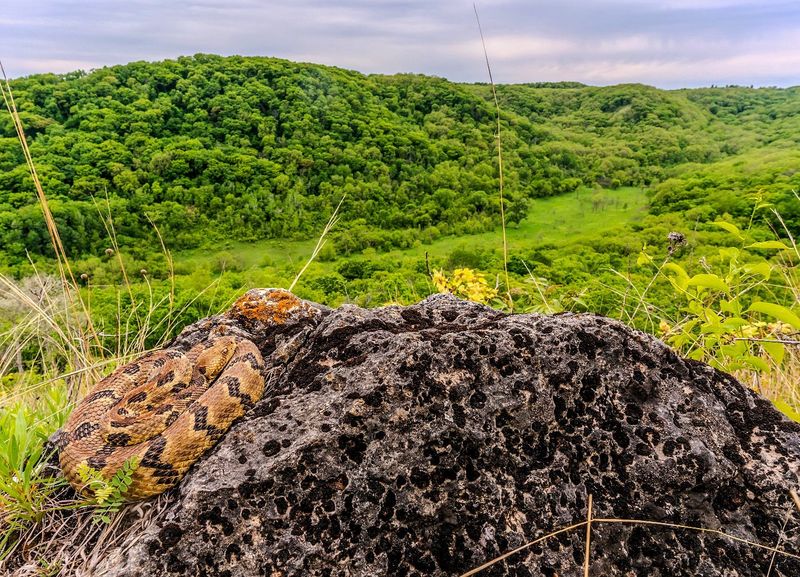
Picture a sunny bluff above the Mississippi near Winona, and you might be standing close to one of Minnesota’s rarest residents. The timber rattlesnake lives mainly in the rocky bluff country of the southeast, so gardeners in that corner of the state have the best chance of meeting one.
Look for a thick body with dark, wavy V-shaped bands across a yellowish or tan background. The tail ends in solid black with a rattle, and the head is wide and shaped like a triangle.
Timber rattlers are shy and slow to strike. They usually freeze or slip away, and many will rattle loudly as a warning before doing anything else.
A bite is a medical emergency, so call 911 and stay calm if it happens.
Fun fact: the species is protected in Minnesota, so killing one is not allowed. If one shows up near your rock wall, give it space and it will likely move on.
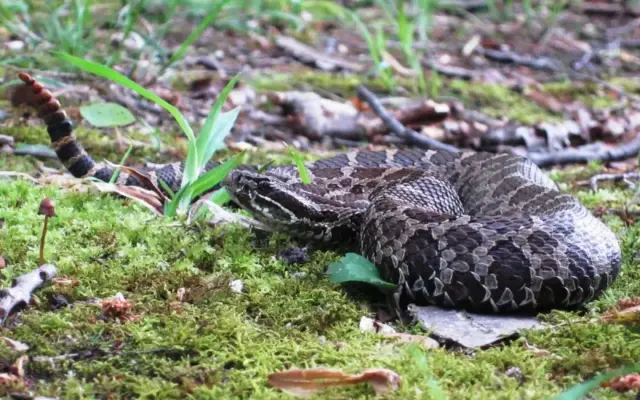
2. Eastern Massasauga
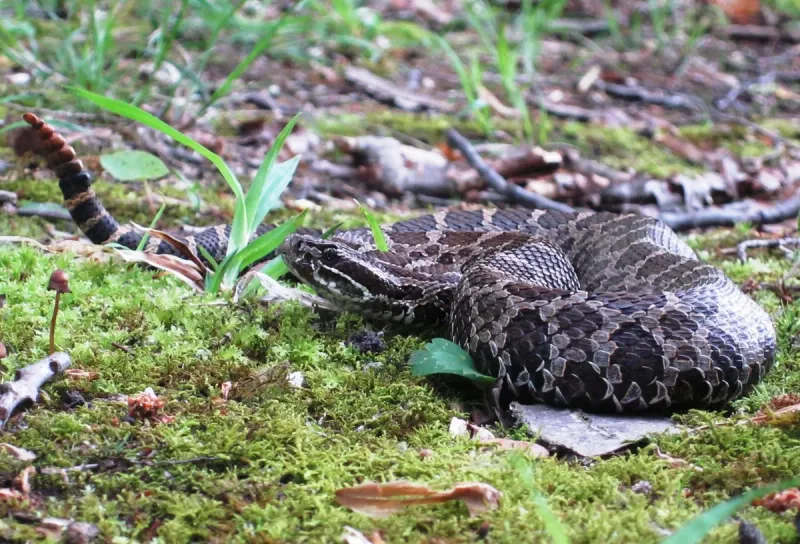
Some animals are so rare that spotting one is almost like seeing a ghost. The eastern massasauga fits that description in Minnesota, where only a handful have been recorded, mostly along river floodplains in the far southeast.
Smaller than the timber rattler, this snake usually stays under three feet long. Its gray or light brown body is covered in dark, rounded blotches, and its rattle is tiny, so the buzz sounds more like an insect than a warning siren.
Wet meadows and marshy edges are its favorite hangouts. If your garden borders a soggy river bottom in that region, wear boots and watch where you step when clearing tall grass.
Massasaugas are listed as endangered here. Report any sighting to the Minnesota DNR, because scientists would love to know about it.
3. Northern Black Widow Spider
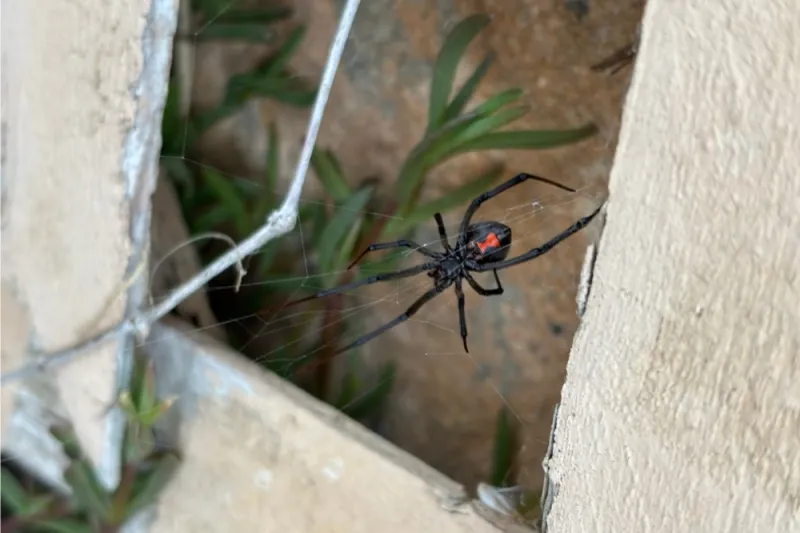
Flip over an old flowerpot in late summer, and you could be face to face with a glossy black spider wearing a red hourglass. The northern black widow does live in Minnesota, though it is less common here than in southern states.
Unlike its southern cousin, this species often shows a broken hourglass, split into two red marks. Females are the ones to worry about, with round, shiny bodies about half an inch long.
Males are smaller and harmless.
They love dark, quiet spots: woodpiles, rock edges, under boards, and inside unused pots. Their messy, tangled webs feel surprisingly strong when you brush them.
A bite can cause muscle cramps, sweating, and stomach pain. Wear gloves when moving stored items, and seek medical help if you feel sick after a bite.
4. Yellowjackets
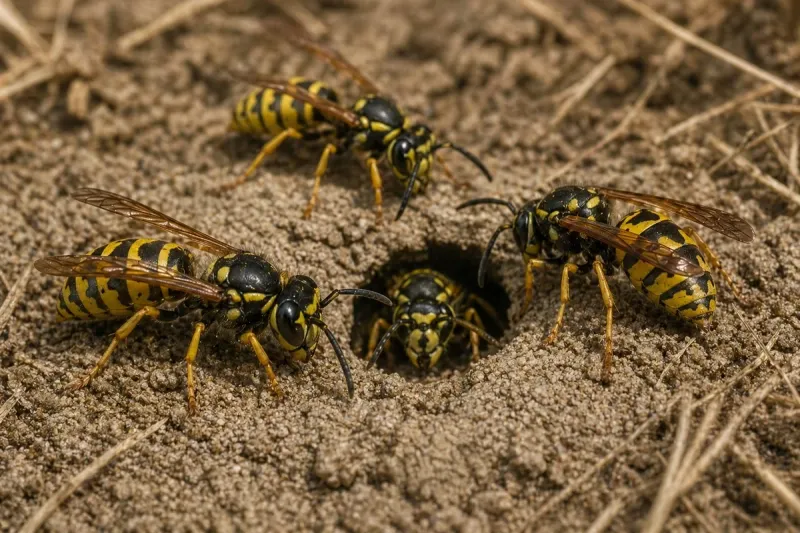
Ask any Minnesota gardener about their worst summer surprise, and plenty will tell a yellowjacket story. These wasps often nest underground, so a shovel or lawnmower can accidentally open the front door to an angry colony.
Yellowjackets are bright yellow and black with smooth, shiny bodies. They fly fast, zigzag around food, and get bolder as summer turns to fall.
Here is what makes them tricky: each wasp can sting again and again. When a nest is disturbed, dozens may chase you, so walk away quickly and do not swat.
Watch for steady traffic in and out of a small hole in the ground before you dig. Mark the spot with a flag and deal with it at night, or call a pro.
5. Bald-Faced Hornet
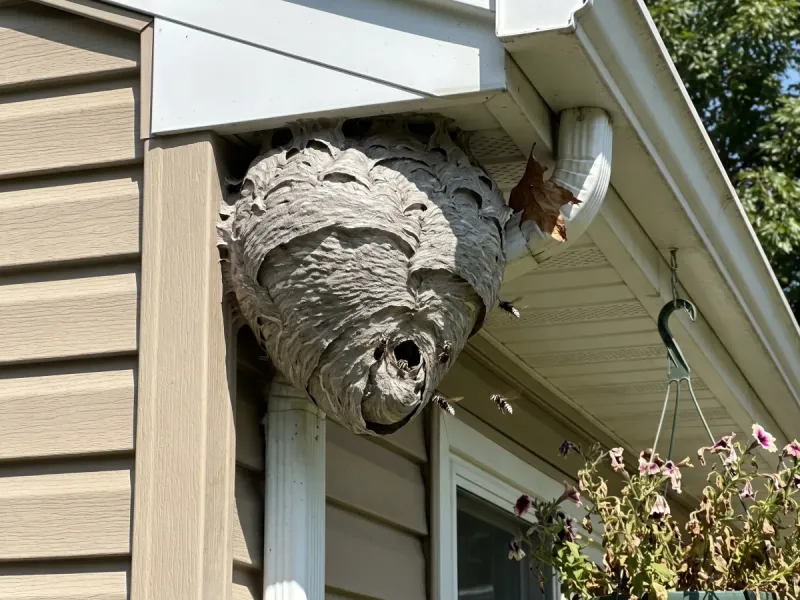
Hanging like a gray paper lantern from a lilac bush, a bald-faced hornet nest can be the size of a basketball by August. Many people trim shrubs without seeing it until it is far too late.
Despite the name, these insects are actually a kind of yellowjacket. They are black with creamy white markings on the face and tail, and they are larger than the common ground-nesting types.
Bald-faced hornets guard their home fiercely. Bump the branch with hedge clippers, and they pour out ready to sting repeatedly.
Before pruning, take a slow walk around your shrubs and trees. Scan for that papery ball, and listen for a low hum.
Did you know? Their nests are made from chewed wood fibers mixed with saliva, making them nature’s papermakers.
6. Bumblebees
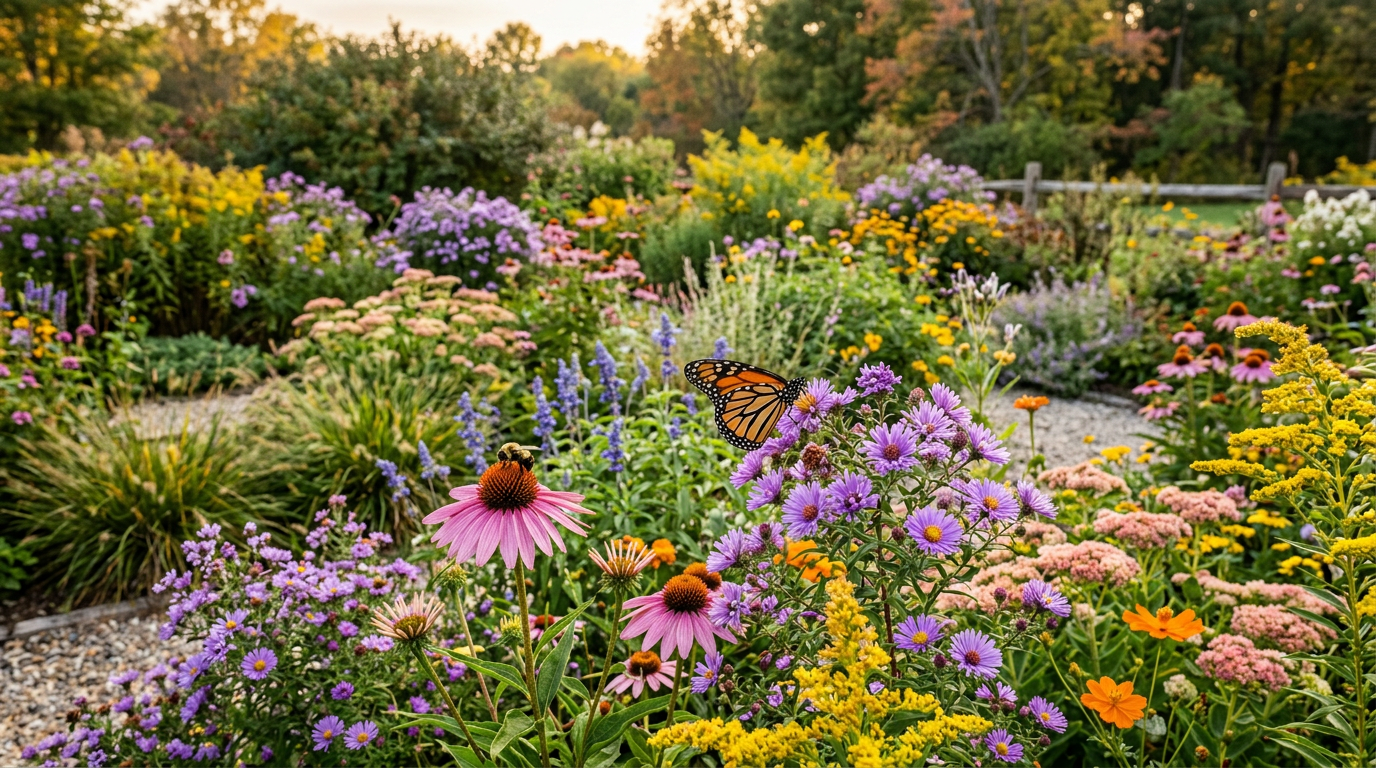
Fuzzy, round, and humming like tiny motors, bumblebees are garden heroes. Minnesota even protects the rusty patched bumblebee, the first bee in the continental United States listed as endangered.
Most of the time, they ignore people completely while working your tomatoes and coneflowers. Trouble starts when you accidentally disturb a nest, which can sit in old mouse holes, compost piles, or thick mulch.
Unlike honeybees, bumblebees can sting more than once. The sting hurts, but serious reactions are rare unless you are allergic.
If you find a nest, the kindest choice is to leave it alone. Colonies die off naturally in fall, and your garden will thank you with bigger harvests.
7. Honeybees
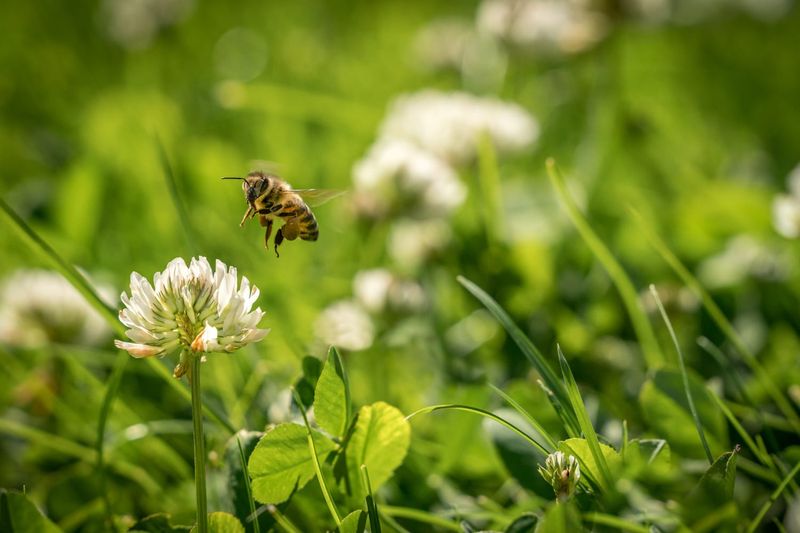
Barefoot in the clover is a classic Minnesota summer memory, right up until a honeybee gets stepped on. Clover patches and flowering weeds draw these busy workers right into lawns and garden paths.
Honeybees are golden brown with darker stripes and a slightly hairy look. They are calmer than wasps and rarely sting unless squeezed or threatened near their hive.
When a honeybee does sting, its barbed stinger stays in your skin along with a venom sac. Scrape it out quickly with a fingernail or card to limit the venom.
For most people, the result is a sore red bump. Anyone who gets hives, swelling of the face, or trouble breathing needs emergency care right away.
8. Giant Water Bug
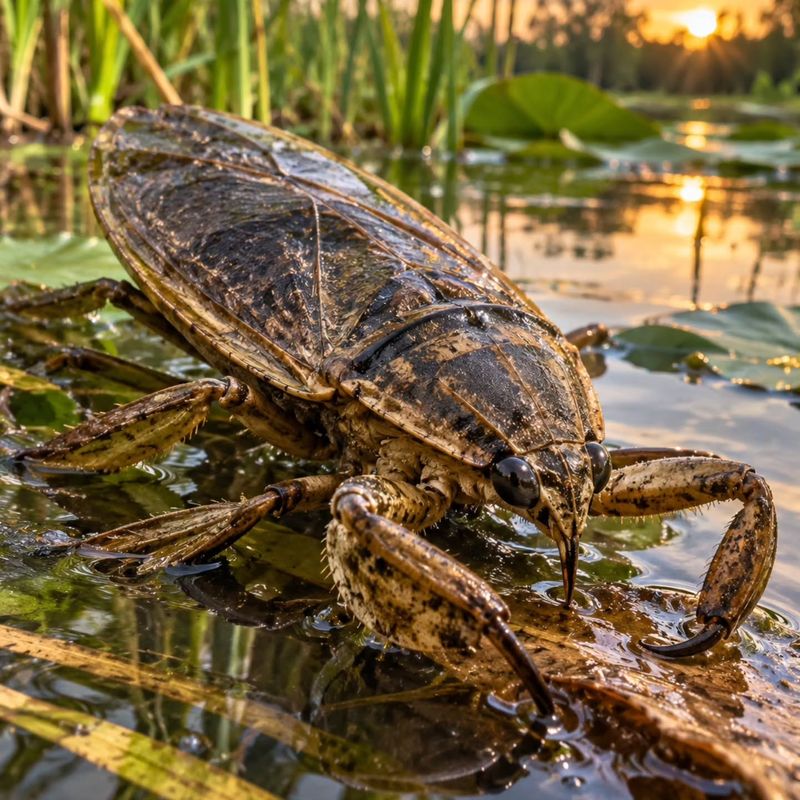
Nicknamed the toe-biter, the giant water bug lives up to its title. Backyard ponds and rain gardens in Minnesota can attract this two-inch insect, especially at night when porch lights call it in.
Its body is flat, brown, and oval, with thick front legs built for grabbing prey like tadpoles and small fish. It injects a saliva that turns its meal into liquid.
For people, a bite is not dangerous, but it is famously painful, sometimes ranked among the worst insect bites around. Hands reaching into pond plants or toes wading in shallow water are the usual targets.
Wear gloves when cleaning out your water feature. Spot one?
Scoop it gently with a net and let it be, since it helps control mosquito larvae.
Share this story