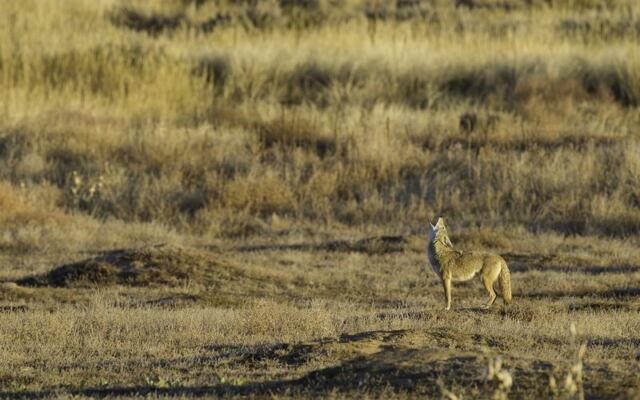
Those yips and howls you hear after dark in late autumn are part of a normal season for Minnesota coyotes. Autumn is a time when coyotes call out, and it is also when young coyotes begin leaving their families to look for territories of their own.
Both things happen at about the same time, but a howl alone cannot tell you which one you are hearing. Here is what the sounds can tell you, what they cannot, and what is worth doing around your home.
What happens to coyotes in autumn?
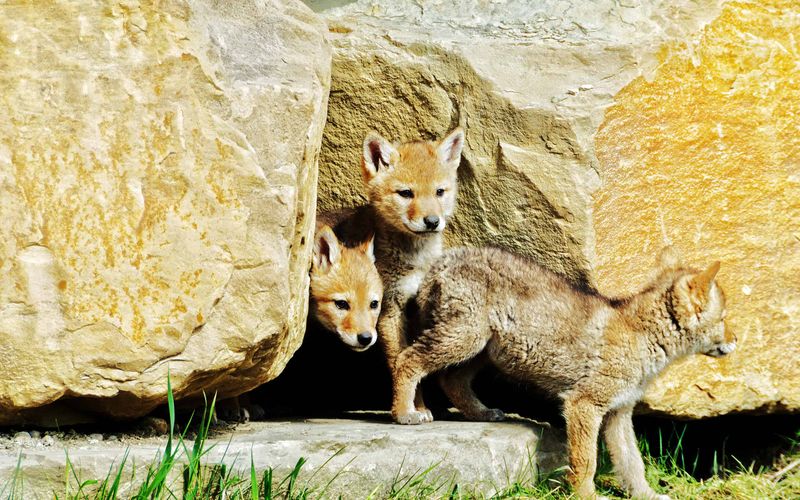
Late autumn is a busy time in the coyote year. The Minnesota DNR describes coyotes as vocal in autumn, and it says young coyotes leave the den area from autumn to midwinter to search for territories of their own.
Those two facts overlap in time. That is the extent of the connection.
Nothing in the seasonal account shows that a young coyote on the move causes a particular howl, and nothing lets a listener work out who is calling from the sound alone. The caller could be an adult, a young animal, or a member of a family group.
It also helps to separate this season from the one people often assume. Minnesota’s coyote mating season is in January and February, not late November.
Hearing howls on a cold November night does not mean breeding is underway.
So think of autumn as a stretch of the year when coyotes are talkative and some are on the move. Families are changing, young animals are looking for space, and the countryside and the edges of towns can feel noisier after dark.
For a homeowner, this means the sound is a sign of the season more than a sign of a problem. Knowing the calendar takes some of the mystery out of those late-night calls, while leaving room for the fact that no one can say exactly what a single howl means.
Coyotes use calls to communicate
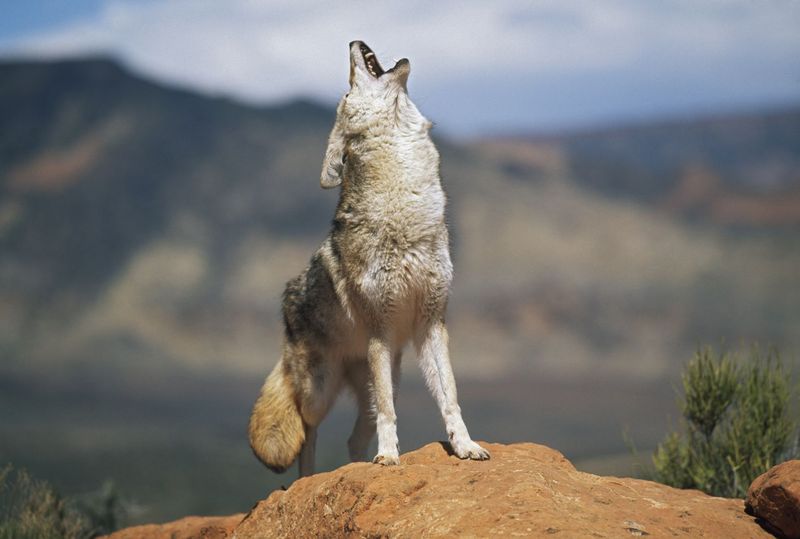
Coyotes are talkers. They may howl or bark alone or in groups, and the sounds do real work.
According to a Minnesota DNR youth magazine feature, howling can share an animal’s location, help coyotes find one another, and signal that a territory is occupied.
Family groups may also use calls to regroup after they have spread out. USDA’s technical review of coyote ecology describes howling as a way to communicate location and mark an occupied home range.
Those are possible jobs for a call, not a decoder ring. Humans cannot listen to one howl and say, with confidence, that it means come find me, this is my yard, or let’s meet up.
The same sound may serve more than one purpose.
Think of it like a neighbor shouting across a big field. You know they are communicating, and you may guess why, but you cannot be sure without seeing the situation.
That fits with the time of year. Autumn is a season of coyote calling, and animals are shifting around the landscape.
Calls may help them keep track of each other and of who lives where. But the howls should not be pinned on young animals that are leaving home, because nothing shows that link.
Hearing a chorus, then, tells you coyotes live nearby in the wider area. It does not tell you what any one of them is doing or planning.
Why a chorus can sound bigger or closer
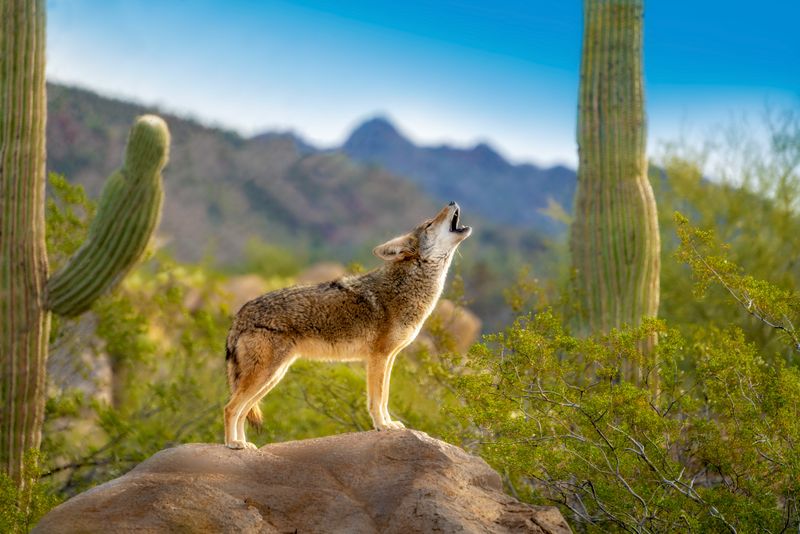
Coyote voices travel. The Minnesota DNR notes that their calls can carry for miles, so a howl that seems to come from the edge of your yard may be coming from far beyond it.
Hearing coyotes is not proof that they are on your property.
The sound can also fool you about numbers. In a 2017 study on human perception of coyote group size, listeners overestimated the number of coyotes in recordings by nearly twofold.
That study used recordings made with captive coyotes in Texas. It shows that people tend to overcount, but it does not give an exact count for a Minnesota neighborhood.
Your own situation may differ.
Other experts say much the same thing. USDA’s technical review notes that two coyotes can sound like six.
Overlapping yips, barks, and howls blend together and bounce around, which makes a small group sound like a big pack. Open fields, quiet nights, and cold air can all make the sound seem closer too.
If you want a practical clue, look instead of listening. Tracks, droppings, or a sighting in daylight say more about what is actually near your home than a noisy chorus after dark.
Coyote pairs can stay together, but calls do not prove courtship
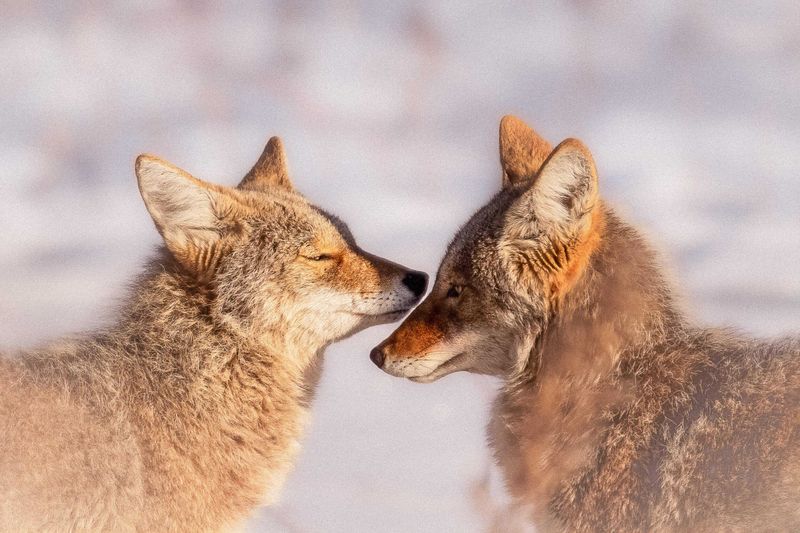
Coyote romance is a real topic for scientists. A genetic study of urban coyotes in the Chicago area found no evidence of polygamy among the 18 litters it examined.
It also found multiyear monogamy among the tracked pairs it studied.
That points to long-term pair bonds in that population. It is not a promise that every coyote pair, in Minnesota or anywhere else, stays together for life.
It also does not turn any single howl into a love song. Pair bonds are a feature of coyote social life, but the research gives no way to say that a particular call outside your window is courtship.
Calls can share location, keep animals in touch, or signal territory, and you cannot tell which from the sound.
Timing matters here as well. The Minnesota DNR places the coyote mating season in January and February.
Late autumn is a different part of the year, so howling in November is not a sign that breeding has begun.
If you hear a duet and picture a couple on a date, that is an understandable guess, but it goes beyond what anyone can know. A better way to see it is that coyotes are social animals that call for many reasons, and some of them have lasting partners.
A howl alone is not a sign of danger
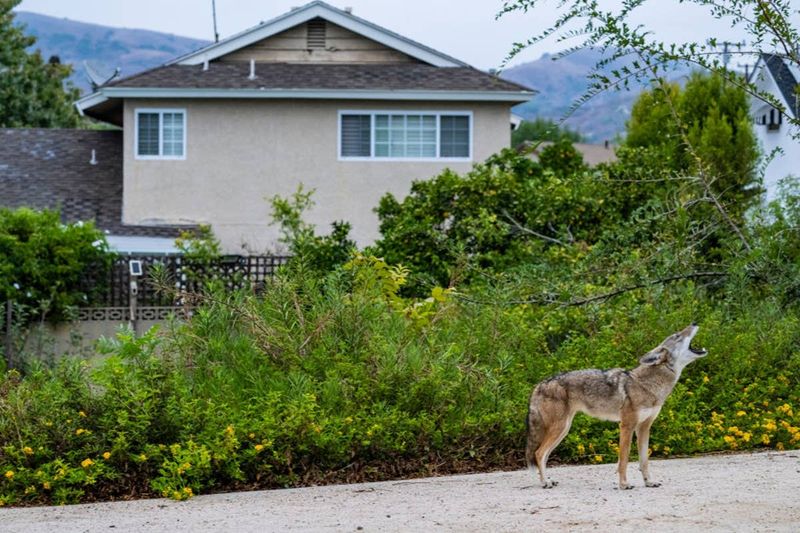
A howl in the dark can raise the hair on your arms. That reaction is normal, but a spooky sound is different from a real risk.
The Minnesota DNR says most coyotes avoid people. Conflicts can happen, though, particularly when coyotes become accustomed to people or are fed.
That is where the real concern lies: in how an animal behaves around humans and food, not in how loud it sounds from a distance.
A howl by itself does not show aggression. It does not show that a coyote is stalking a pet, losing its fear of people, or heading for your house.
Calls travel far and can come from animals that never come near a neighborhood.
Signs that deserve more attention are different. A coyote that lingers near people in daylight, does not run when approached, or keeps returning to a spot where food is available is showing behavior worth taking seriously.
Hearing a chorus, on the other hand, does not call for removal. Wanting to get rid of coyotes just because they sound off is not what DNR guidance recommends.
A calm, practical response works best: notice what is actually happening around your home, and focus on the things you can control, like food and pet safety.
Protect pets and secure food
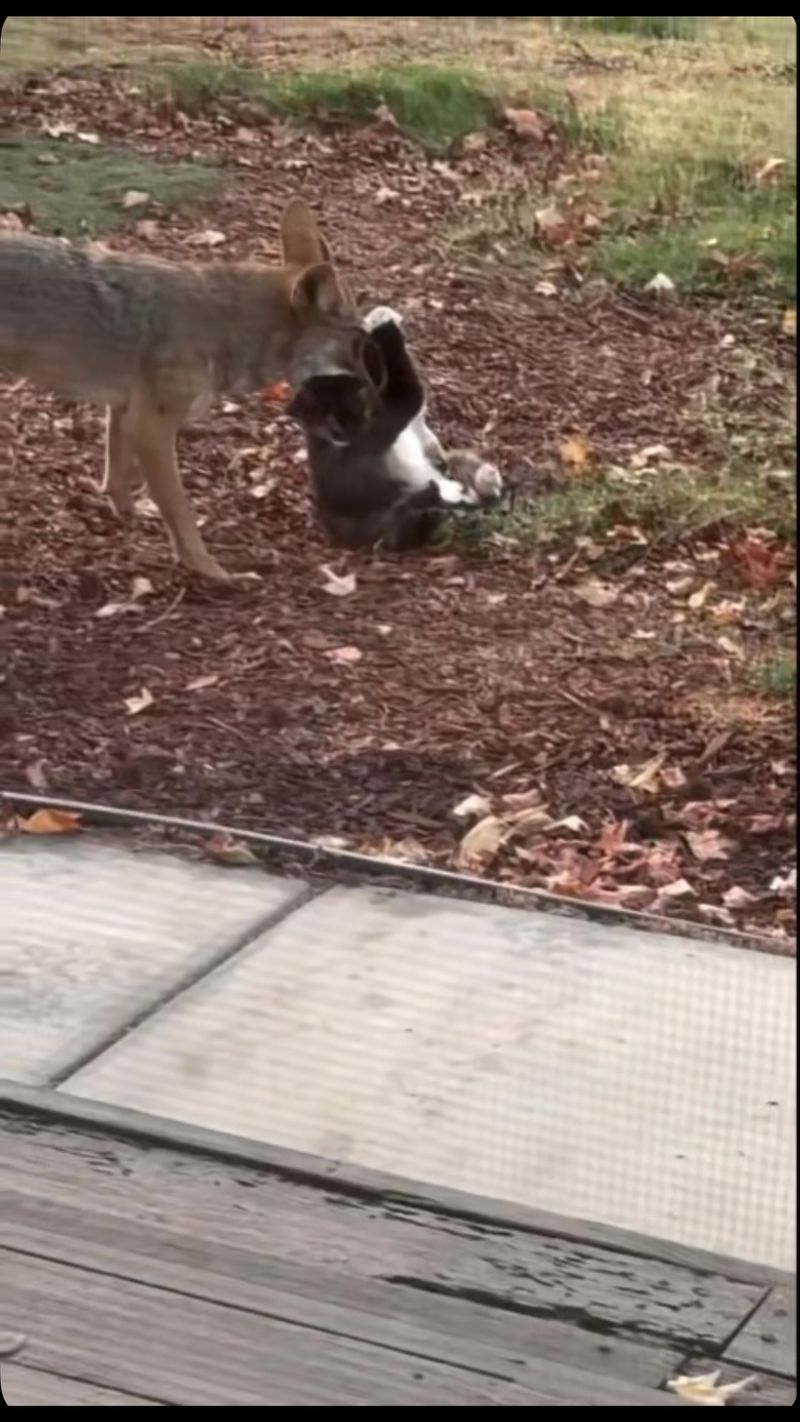
Most of the useful steps happen before a coyote ever shows up. The Minnesota DNR advises securing garbage, feeders, pet food, and other food sources, since easy meals can draw wildlife close to homes.
Start with the trash. Use bins with tight lids, and put them out the morning of pickup rather than the night before.
Bring pet food indoors, and consider whether bird feeders leave seed and spilled grain on the ground, which can attract rodents and, in turn, coyotes.
Pets need a little planning too. DNR advises keeping small dogs and cats supervised or confined.
A leash on evening walks, a trip outside with your dog after dark, and keeping cats indoors all lower the chances of a bad encounter.
Fallen fruit, compost piles, and open outdoor feeding spots for other animals are easy to forget, but they matter as well.
Please do not feed coyotes, even if it seems kind or harmless. Animals that connect people with food can lose their natural wariness, and that is the path toward the conflicts DNR warns about.
None of this means ordinary howling requires you to remove wildlife. These are simple household habits that keep your yard boring to a coyote, which is exactly what you want.
When to contact local wildlife officials
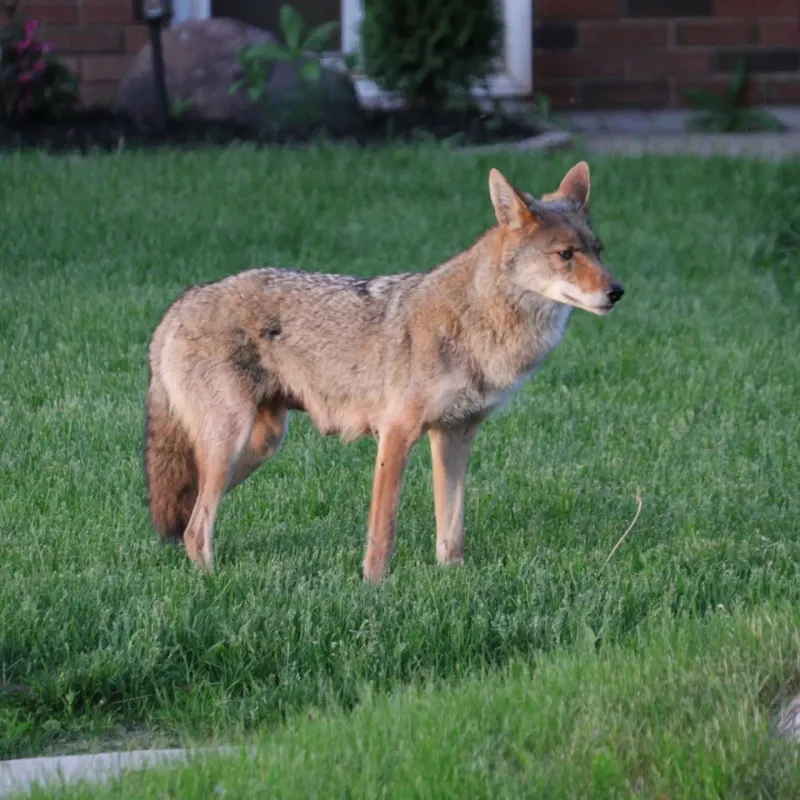
Sometimes a coyote does not act like a typical wary animal. The Minnesota DNR advises people to harass coyotes that do not immediately run from people.
Shouting, waving your arms, or making noise helps remind the animal that people are not to be trusted or approached.
If a coyote acts aggressively, or if you keep having problems with the same animal, reach out for help. Contact a local DNR wildlife office or a conservation officer and describe what has been happening, including when and where.
It helps to know what to expect from that call. DNR says removal may be necessary after depredation or aggressive behavior, but the agency itself does not trap, shoot, or relocate coyotes.
So the office can guide you, but it will not send someone to take the animal away.
Local rules and agencies may also affect what action is appropriate. City ordinances, county rules, and licensed professionals can all play a part, so the right response may depend on where you live.
Notice what is missing from this list: ordinary howling. Hearing coyotes after dark is not a reason to call for removal.
Save that step for real conflict, such as aggressive behavior, attacks on pets, or repeated trouble that simple prevention has not solved.
What a howl can—and cannot—tell you
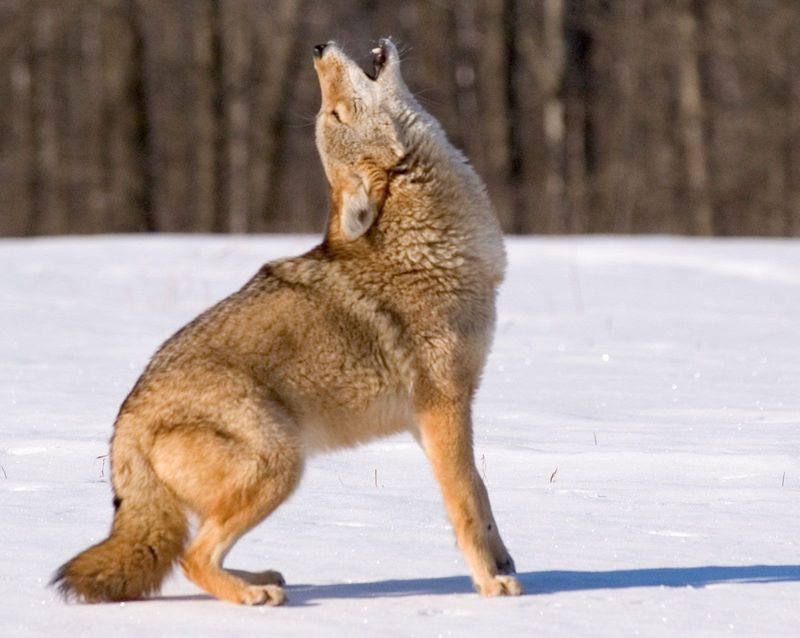
Minnesota coyotes vocalize in autumn, and young coyotes disperse from autumn to midwinter. Those seasons overlap, but dispersal does not explain any one howl.
Calls serve several purposes, and USDA’s review shows they cannot reveal intent, number, or location.
What you can do is reduce food attractants and protect pets.
The howl is the wild next door, saying hello to no one in particular.
Share this story