Chronic wasting disease is a silent illness in deer, because an infected animal can look perfectly healthy. That is why testing matters to Minnesota hunters this season.
The disease has turned up in Minnesota deer, though mostly in certain areas and not evenly across the state. Here is what testing can tell you, what it cannot, and what to do with your venison while you wait.
CWD can go unnoticed in a deer
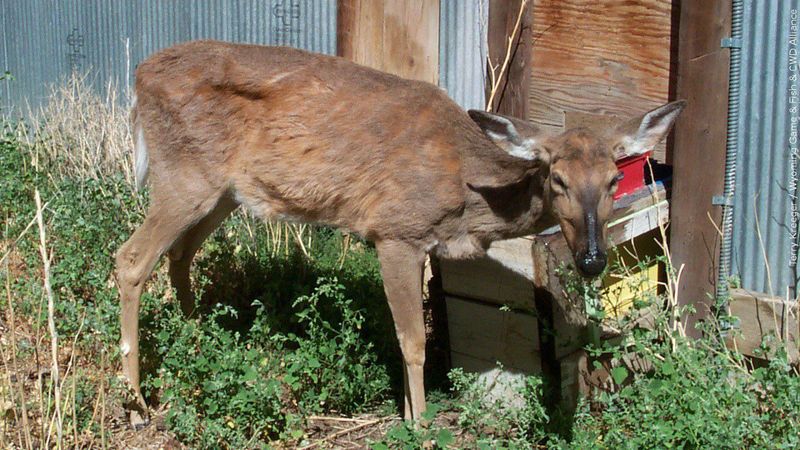
Chronic wasting disease, or CWD, is a fatal disease of deer, elk, moose and other members of the deer family. It is caused by prions, which are misfolded proteins that damage the brain over time.
There is no cure and no vaccine for animals that become infected.
The tricky part is how normal an infected deer can seem. According to Minnesota DNR, an infected deer may show no visible signs for months or years.
During that time it can still shed prions through saliva, urine, feces and other body fluids. A plump deer with a glossy coat and good manners could be carrying the disease.
Late in the illness, some deer lose weight, stumble, drool or seem unafraid of people. Those signs are worth noticing, but they show up only after the animal has been infected for a long while.
Their absence tells you very little.
This is the reason wildlife managers rely on lab testing instead of eyeballing deer. As USDA APHIS explains, CWD is confirmed through testing of specific tissues, not by appearance.
None of this means every deer is infected. Most deer are not.
Testing and surveillance simply help track where the disease is showing up so managers and hunters can make informed choices.
Where Minnesota has detected CWD
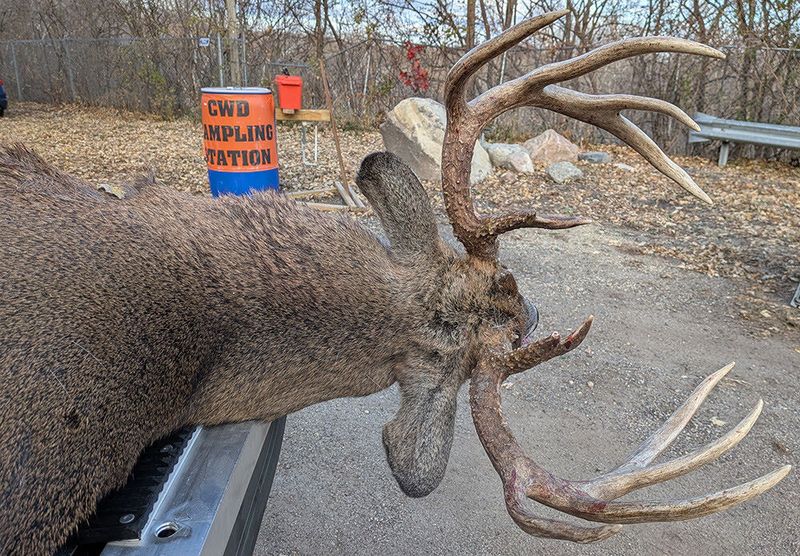
Minnesota has documented CWD in wild deer since 2010. Detections have not been spread evenly.
Most are concentrated in southeastern Minnesota, with occasional detections in other parts of the state.
The DNR results dashboard shows this pattern. For July 2025 through June 2026, it lists 124 positive samples among 14,639 samples overall, and most hunter-harvested positives came from southeastern management areas.
DNR describes three southeastern permit areas as endemic, which means the disease is established there.
Those totals need careful reading. Testing is heavier in some places and some years than others, and the deer submitted are not a random sample of the whole state.
So the numbers cannot be turned into a statewide infection rate.
Single detections can also pop up far from the main area. In August 2026, DNR reported that CWD was confirmed in a wild deer near Stillwater.
A find like that prompts extra monitoring nearby.
The practical takeaway is local. A hunter in the southeast faces a different situation than one in the far northwest.
A detection in one place does not mean deer everywhere share the same odds of infection.
Who had to submit a deer for sampling in 2026

Sampling gives managers a picture of where CWD is being detected. Deer from areas that have gone a while without targeted testing are especially useful.
That is the idea behind Minnesota’s rotating surveillance block, which shifts focus across regions over a four-year cycle.
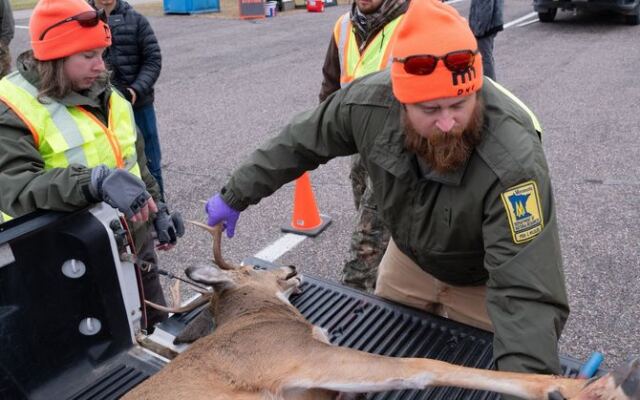
For 2026, mandatory sampling applied to deer at least one year old harvested during firearms opening weekend, November 7 to 8, in designated permit areas within that block. It was not a statewide rule, and it did not cover every deer or every hunter.
If you hunted outside those areas or on other dates, testing was voluntary.
Regular opening-weekend stations operated November 7 to 9. Options differed by area.
DNR said in its October 12 announcement that staffed stations would not be available in the southeast and northern CWD management zones this year.
Other choices exist for hunters who want a test. These include mail-in kits, participating taxidermists or processors, and appointments at DNR wildlife offices.
DNR also identified added sampling in DPA 236 after a nearby detection.
Because arrangements differ by place and change over time, check the surveillance block page and the DNR deer hunt and CWD map for your permit area before you drive anywhere.
What a CWD test can—and cannot—tell you
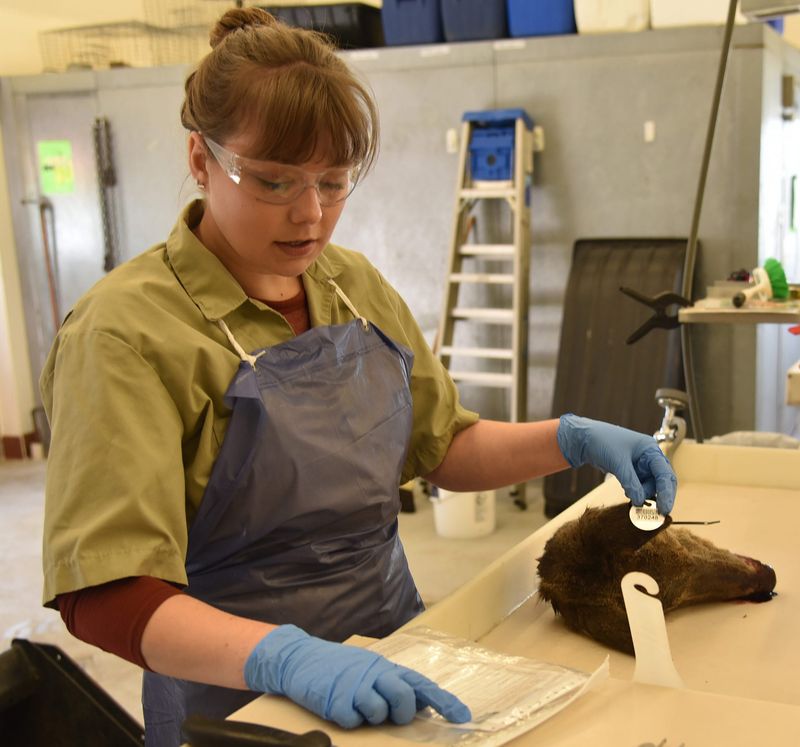
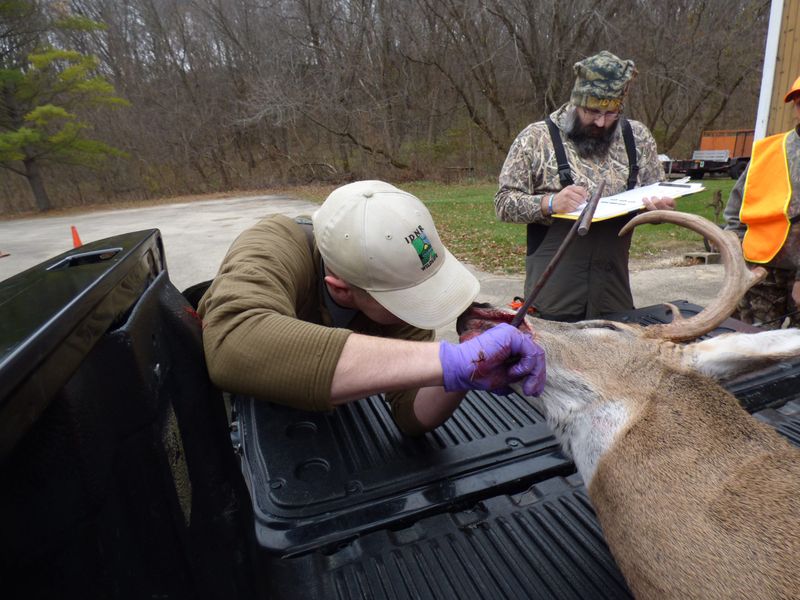
A CWD test happens after the deer has been harvested. Technicians examine specific tissues, usually lymph nodes or part of the brainstem, as USDA APHIS describes.
The result tells you whether CWD was detected in the sample that was submitted.
That is useful in two ways. Managers use results to map where the disease is turning up.
Hunters get information about the particular deer they tested.
What a test is not matters just as much. DNR says testing is not a food-safety test.
A lab result is not a certificate that the meat is safe to eat.
A negative result means CWD was not detected in the tissue examined. It does not prove the risk is zero, and no test can promise it has caught every infection in every animal.
Very early infections, for example, may be harder to find.
Think of a result as one piece of information. A positive result gives a clear reason not to eat the meat.
A negative result is reassuring in a limited way, and it fits alongside careful handling and good judgment.
What human-health guidance means for venison
Here is what is known. The CDC says no human cases of CWD have been reported, and infection in people has not been shown.
Here is what is not known. According to CDC guidance, whether people can become infected remains unknown.
That gap is why the advice is cautious. CDC notes that another animal prion illness, mad cow disease, has infected people.
Lab studies in monkeys have also raised theoretical concern. Neither fact proves CWD is a human threat, and neither proves it is harmless.
The practical advice is clear. Do not eat meat from a deer that tests positive for CWD.
The same goes for a deer that appears sick, whether or not it was tested. Minnesota Department of Health gives the same guidance.
Kitchen tricks will not fix a bad result. DNR notes that neither cooking nor freezing removes prions from infected meat.
Barbecue sauce and a long simmer do not change that.
Keep in mind that CWD spreads among deer through contact and contaminated ground or plants. That tells us about wildlife, not about people.
Human risk has to be judged on its own evidence, which is still incomplete.
Keep each deer identifiable while results are pending
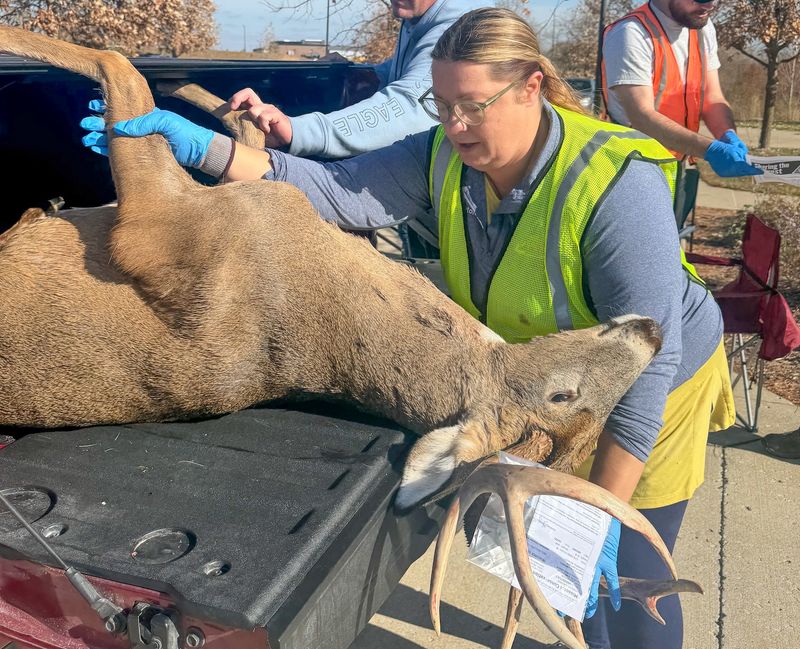
Plan for a wait. DNR says results typically take 10 to 14 business days, and heavy volume can stretch that out.
You can look up your result on the DNR results page using identifying details such as the barcode or your carcass tag number.
Keep your tag number and barcode somewhere safe. A photo on your phone works well.
If you lose them, finding your result gets harder.
While you wait, keep each animal’s meat separate and labeled. Minnesota’s public-health guidance recommends processing deer individually instead of mixing meat from several animals.
If you use a processor, ask how they keep orders apart.
Handling matters too. CDC advice includes wearing rubber or latex gloves and avoiding the brain and spinal cord.
Do not use your kitchen knives or other kitchen tools to field-dress a deer.
Minnesota health guidance also suggests avoiding the eyes, spleen, tonsils and lymph nodes. A dedicated set of field tools, cleaned afterward, keeps things simple.
Hold the meat until you see the result, so a positive does not leave you with mixed packages you cannot sort out.
Use the result as information, not a guarantee
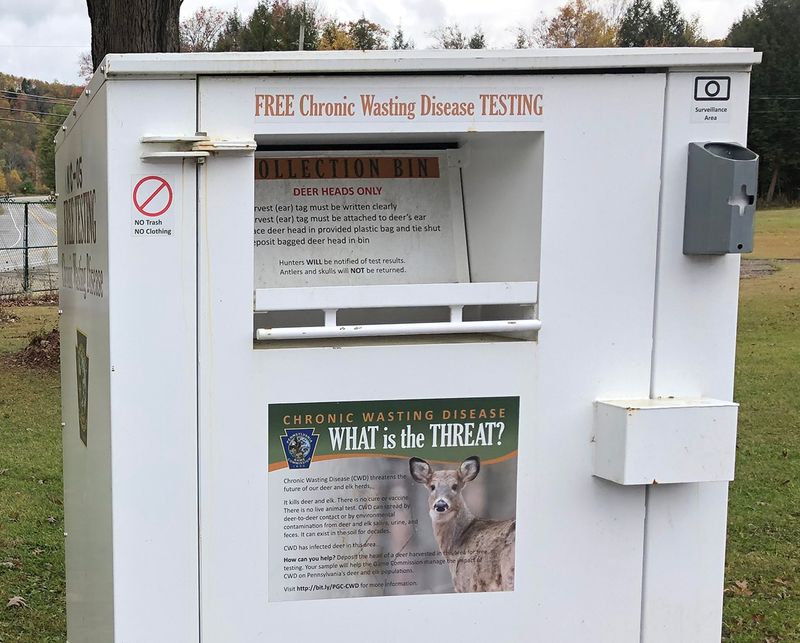
Start with your harvest area. Look up whether sampling was required there and which options are open, since rules and stations differ by place and date.
Testing is required only in designated areas and is otherwise a choice.
Treat the result as information about the deer you submitted. As DNR explains, it is not a food-safety guarantee.
If CWD was detected, or if the deer looked sick, do not eat the meat. Minnesota health officials say the same.
A freezer full of venison is worth protecting with a little patience. A deer that tastes the same either way can still carry a disease you cannot see.
Share this story