Get the latest garden guides in your inbox →
Gardening Latest
  • General Gardening
  • Lawn Care
  • Plant Care
  • Composting
  • Soil Health
  • Backyard
  • Garden Muse Magazine
  • General Gardening
  • Lawn Care
  • Plant Care
  • Composting
  • Soil Health
  • Backyard
  • Garden Muse Magazine
  • News
  • Gardening Calendar
  • Garden Structures
  • Vegetable Garden
  • Vertical Garden
  • Raised Beds
  • Hydroponics
  • General Equipment
  • Community Gardens
Garden Themes
  • Spiritual Garden
  • Hydroseeding
  • Seeding and Laying Sod
  • Artificial Grass
  • Lawn Care Equipment
  • Plants
  • Trees
  • Planting Tools
  • Composting Basics
  • Fertilizer
  • Alternative Growing Mediums
  • Front Yard
  • Backyard Activities
  • Landscaping
Gardening Latest

Explore by state

Which state is your garden in?

Currently viewing Wisconsin

All states

Northeast

  • Connecticut —
  • Delaware 40
  • Maine —
  • Maryland 26
  • Massachusetts 42
  • New Hampshire —
  • New Jersey 26
  • New York 35
  • Pennsylvania 35
  • Rhode Island —
  • Vermont —

Southeast

  • Alabama 26
  • Arkansas —
  • Florida 26
  • Georgia 27
  • Kentucky 40
  • Louisiana 25
  • Mississippi —
  • North Carolina 24
  • South Carolina 39
  • Tennessee 23
  • Virginia 25
  • West Virginia —

Midwest

  • Illinois 25
  • Indiana 27
  • Iowa 39
  • Kansas —
  • Michigan 26
  • Minnesota 25
  • Missouri 25
  • Nebraska —
  • North Dakota —
  • Ohio 26
  • South Dakota —
  • Wisconsin 41

Southwest

  • Arizona 26
  • Colorado —
  • Nevada —
  • New Mexico —
  • Oklahoma —
  • Texas 25
  • Utah —

West

  • Alaska —
  • California 25
  • Hawaii —
  • Idaho —
  • Montana —
  • Oregon —
  • Washington —
  • Wyoming —

No state matches that search.

Site menu

Gardening Latest
  • General Gardening
    • News
    • Gardening Calendar
    • Garden Structures
    • Vegetable Garden
    • Vertical Garden
    • Raised Beds
    • Hydroponics
    • General Equipment
    • Community Gardens
    Garden Themes
    • Spiritual Garden
  • Lawn Care
    • Hydroseeding
    • Seeding and Laying Sod
    • Artificial Grass
    • Lawn Care Equipment
  • Plant Care
    • Plants
    • Trees
    • Planting Tools
  • Composting
    • Composting Basics
  • Soil Health
    • Fertilizer
    • Alternative Growing Mediums
  • Backyard
    • Front Yard
    • Backyard Activities
    • Landscaping
  • Garden Muse Magazine

Explore

  • About GardeningLatest.com
  • Contact Us

Get the latest from the garden

New guides on lawn care, plants and backyard projects, sent when they go up.

Subscribe →

Follow

  • Facebook
  • X
  • Pinterest
  • YouTube
Wisconsin Gardening

While Your Wisconsin Lawn Sleeps Under Snow, a Tiny Mammal With a Venomous Bite Hunts Below

A small gray mammal with a venomous bite stays active through Wisconsin winters, slipping through sheltered routes beneath…

HB

By Heidi Brandt

November 27, 2026 · 6 min read

While Your Wisconsin Lawn Sleeps Under Snow, a Tiny Mammal With a Venomous Bite Hunts Below

A small gray mammal with a venomous bite stays active through Wisconsin winters, slipping through sheltered routes beneath the snow. It is the northern short-tailed shrew, and it hunts insects, worms, and other small prey while most of the landscape looks frozen and still.

Whether one visits a particular yard depends on the habitat, so the story is a bit more interesting than a simple yes or no. Here is what the shrew does, where it goes, and how to share space with it safely.

At a glance

Where
Wisconsin Gardening
Hardiness zone
5 −20 to −10°F
Read
6 minutes
Published
November 27, 2026

Which shrew lives in Wisconsin?

Which shrew lives in Wisconsin?
© Maryland Biodiversity Project

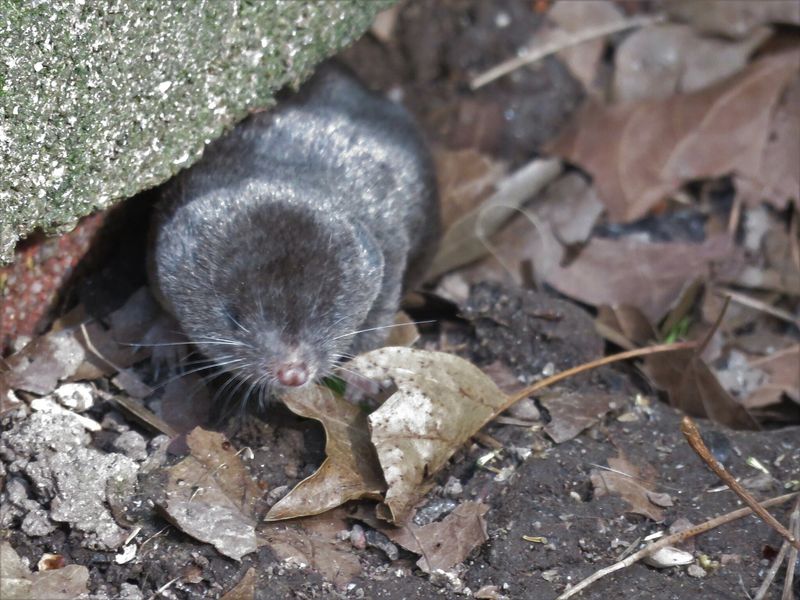
The animal in question is the northern short-tailed shrew, known to scientists as Blarina brevicauda. According to Wisconsin Extension’s outdoor hazards guide, it lives throughout the state, so it is not a rarity found only in remote corners of the north.

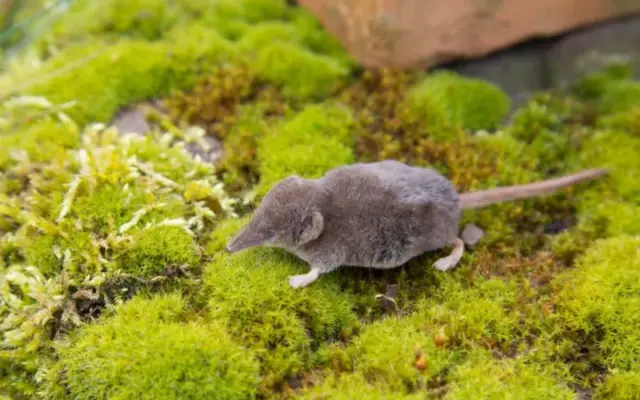
Picture a dark-gray, velvety mammal about 4 to 6 inches long. It has a pointed snout, eyes so small they are easy to miss, and a tail that is short compared with a mouse’s tail.

Its body is stout, and it moves with quick, nosing motions as if it is always smelling out its next meal.

Many people mistake it for a meadow mouse, and the confusion is understandable. A glimpse of a small gray blur near a woodpile or garden edge rarely allows a careful look.

The snout is the best clue, since a shrew’s tapers to a point while a mouse has a blunter face.

Here is a good rule for identification: look, but do not touch. You never need to catch or hold a wild animal to figure out what it is.

A photo from a distance, or a note about where and when you saw it, works far better and keeps both you and the animal safe.

Snow provides sheltered routes in winter
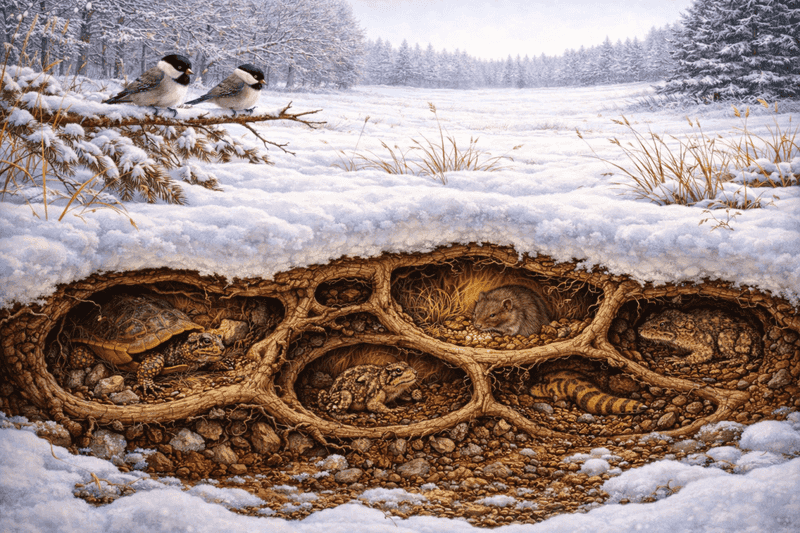
Snow provides sheltered routes in winter
© The Peterborough & Area Master Gardeners

Snow can act like a blanket. When enough of it piles up, a pocket of space often forms between the ground and the snow surface, and that sheltered layer stays far milder than the air above it.

Small mammals can travel there while the temperature outside drops hard.

A poisonous animal is harmful to eat or touch, while a venomous animal delivers toxins through a bite or sting.

The northern short-tailed shrew is one of them. The University of Wisconsin-Milwaukee Field Station describes shrews staying active in winter and using the space between the ground and the snow.

That same account also mentions underground tunnels and shelter in buildings, so the snow layer is only one part of the winter picture.

That difference matters. A shrew in a shed or garage is not hunting under snow, and a shrew in a deep burrow is not using the gap beneath it either.

Winter foraging happens in several places, and an animal may move among them depending on the weather and food.

Wisconsin research adds some ecological context. A study of small-mammal populations in snow-covered Wisconsin forests looked at how food and cold exposure shape their numbers through the seasons.

It helps explain why a sheltered snow layer matters for small animals.

None of this means a shrew hunts nonstop. Like other small mammals, it rests, and its activity changes with conditions.

What we can say is that winter does not shut it down.

Ground cover makes some lawns better habitat
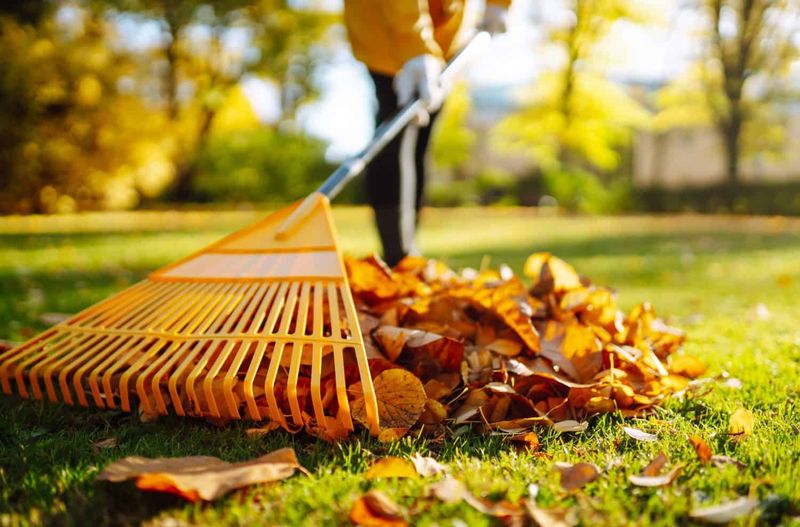
Ground cover makes some lawns better habitat
© A-Z Animals

Shrews do turn up in lawns, but not just any lawn will do. An Iowa State Extension guide to mammals says the species can occur in lawns, generally where plants cover much of the ground.

It does best in moist places with deep leaf or dead-grass litter.

Think about what a shrew needs. Thick litter gives cover from hawks and owls, holds moisture, and shelters the insects, worms, and snails it eats.

A damp, tangled layer of old leaves and grass is a small buffet with a roof over it.

Now picture a closely mown yard with bare soil showing and little litter. There is less hiding space and less food, so it is a poorer fit.

A property with a weedy fence line, a mulched garden bed, or a pile of fallen leaves under shrubs is a better candidate.

Even then, there are no guarantees. The shrew lives statewide, as Wisconsin Extension notes, and suitable winter habitat exists in many places.

That still does not mean one is tunneling beneath every snow-covered yard on your street.

A practical clue is small, narrow runways or tiny holes in the soil near cover. Seeing those signs tells you more than the snow ever will, and you can enjoy the evidence from a distance.

How the shrew delivers its venom
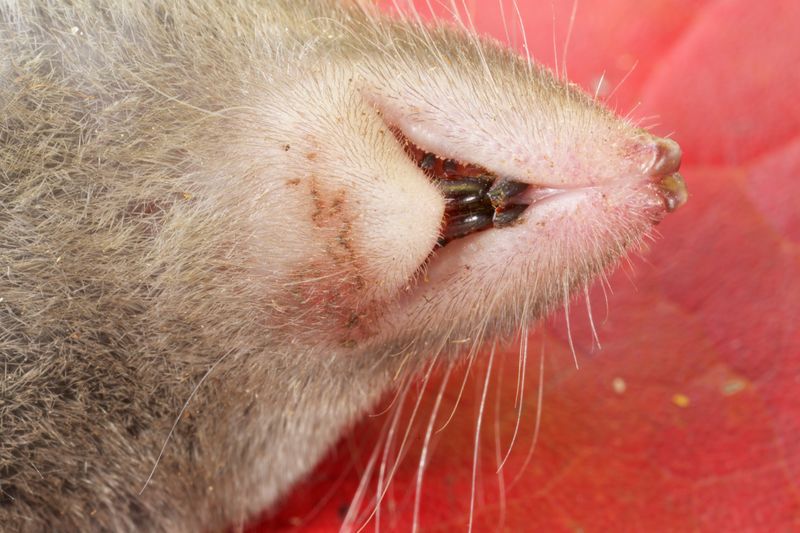
How the shrew delivers its venom
© BBC Wildlife Magazine

Venomous and poisonous are not the same thing. A poisonous animal is harmful to eat or touch, while a venomous animal delivers toxins through a bite or sting.

The shrew is venomous, and its toxic saliva enters prey as it bites.

It does not work like a rattlesnake. The shrew has no hollow, snake-like fangs for injecting venom.

The Iowa State guide describes the animal as chewing venom into its victim.

Researchers have studied the toxin itself. Scientists isolated a compound called blarina toxin from the salivary glands and described its toxicity in mammals.

That work was done in laboratory settings, which is a very different situation from a shrew meeting a person in a garden.

Why does the shrew have venom at all? One idea is that it helps the animal capture prey larger than itself.

Another is that it immobilizes prey so it can be stored for later meals. A peer-reviewed genetic study of the shrew’s venom describes this debate, and neither explanation is settled as the only answer.

Keep the lab results separate from real-world risk. Effects on mice or insects tell us about the toxin, not about how a bite affects a person.

What to do if a shrew bites
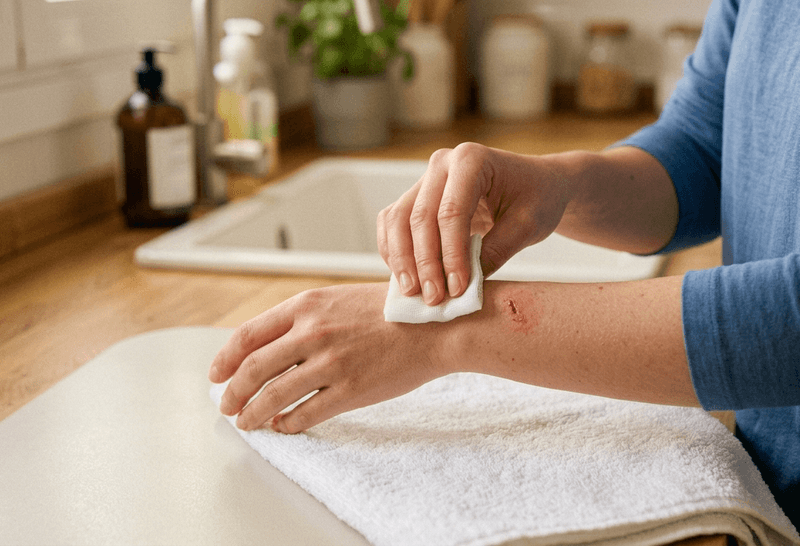
What to do if a shrew bites
© Lainco

Bites are rare, and they usually happen when someone picks up or traps a shrew. Wisconsin Extension says a bite may cause painful swelling but is not life-threatening.

That is reassuring, yet it does not make a bite harmless.

The best plan is prevention. Do not handle or corner a shrew, even if it looks tiny and helpless.

Talk with children about leaving wild animals alone, and do not encourage them to collect or carry shrews home.

If a pet brings one in, keep your hands away and give the animal a quiet route outdoors, such as an open door.

If a bite breaks the skin, wash the area with soap and running water. Then contact a health-care provider.

MedlinePlus self-care advice for animal bites recommends medical attention for bites that break the skin.

Tell the provider what bit you and when it happened. Watch for spreading redness, increasing pain, or swelling that gets worse, and mention those changes too.

A snowy lawn does not guarantee a shrew
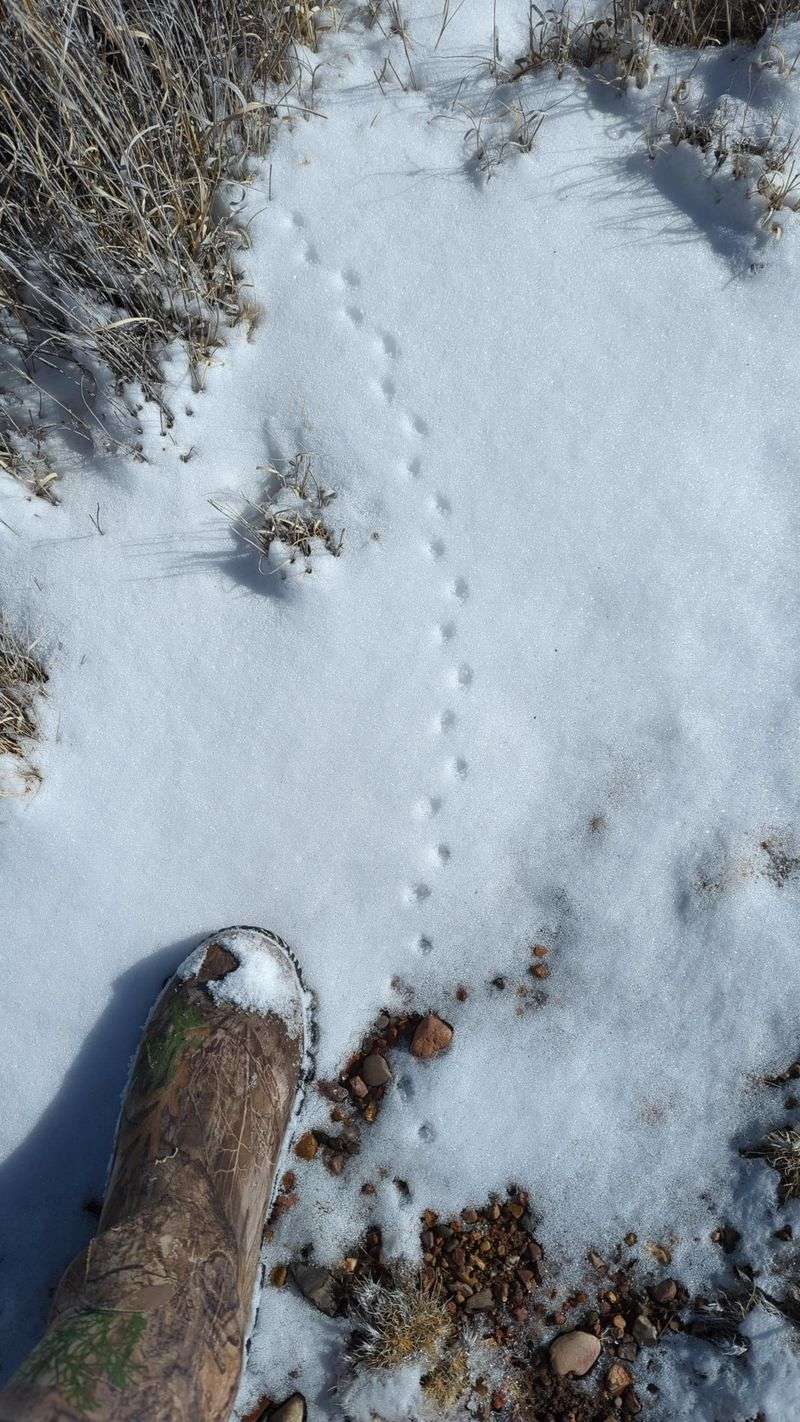
A snowy lawn does not guarantee a shrew
© Reddit

A winter-active shrew may forage in sheltered routes beneath snow where the habitat suits it, as the UW-Milwaukee Field Station describes. Living statewide, as Wisconsin Extension notes, does not mean one is under every yard.

So enjoy the idea, and leave the animal alone. Some of the best wildlife moments in winter are the ones you never see.

Share this story
HB

Written by

Heidi Brandt

More from Heidi Brandt →

About Gardening Latest

Gardening Latest provides in-depth guides to maintaining and enhancing your garden and backyard. Learn how to make the most of the space you have and create a beautiful garden.

More about us →

Latest stories

  • Arizona GardeningThis Invasive Tree Keeps Outrunning the Arizona Homeowners Trying to Pull It

    This Invasive Tree Keeps Outrunning the Arizona Homeowners Trying to Pull It

    3 min ago
  • Texas GardeningA Texas Storm Just Put Your Neighbor’s Tree in Your Yard, and Here’s Who Really Pays

    A Texas Storm Just Put Your Neighbor’s Tree in Your Yard, and Here’s Who Really Pays

    8 min ago
  • Georgia GardeningDon’t Panic Over That Giant Flower Stalk on Your Georgia Sweet Onions. Here’s What It Means and Whether to Cut It

    Don’t Panic Over That Giant Flower Stalk on Your Georgia Sweet Onions. Here’s What It Means and Whether to Cut It

    13 min ago
  • Wisconsin GardeningWisconsin Winters Don’t Kill Your Brown Recluse Worries, Because Hobo and Yellow Sac Spiders Move Indoors Now

    Wisconsin Winters Don’t Kill Your Brown Recluse Worries, Because Hobo and Yellow Sac Spiders Move Indoors Now

    19 min ago
  • Missouri GardeningYour Frozen Missouri Lawn Isn’t Empty: A Tiny Mammal With a Venomous Bite Hunts Below All Winter

    Your Frozen Missouri Lawn Isn’t Empty: A Tiny Mammal With a Venomous Bite Hunts Below All Winter

    25 min ago

Gardening by state

Stories for your state, and the hardiness zone most of it gardens in.

Keep exploring

Read next

All Wisconsin Gardening →
Wisconsin GardeningWisconsin Winters Don’t Kill Your Brown Recluse Worries, Because Hobo and Yellow Sac Spiders Move Indoors Now
Wisconsin Gardening

Wisconsin Winters Don’t Kill Your Brown Recluse Worries, Because Hobo and Yellow Sac Spiders Move Indoors Now

19 min ago
Wisconsin GardeningThose Fluffy Black-and-Rust Caterpillars Crossing Wisconsin Driveways Freeze Solid All Winter and Wake Up Fine
Wisconsin Gardening

Those Fluffy Black-and-Rust Caterpillars Crossing Wisconsin Driveways Freeze Solid All Winter and Wake Up Fine

3 hr ago
Wisconsin GardeningWisconsin Porcupines Chew the Bark Off Backyard Trees All Winter, and Here’s How to Stop the Damage
Wisconsin Gardening

Wisconsin Porcupines Chew the Bark Off Backyard Trees All Winter, and Here’s How to Stop the Damage

21 hr ago

More from Wisconsin Gardening

  • Your Wisconsin Christmas Tree Brings Thousands of Hidden Bugs Inside, and Here’s What Actually Hatches

    Nov 26
  • Wisconsin Winters Bring Big White Tracks Into Your Yard, and Here’s Which Animal Left Each One

    Nov 25
Back to top

Leave a response Cancel

Your email address stays private. Required fields are marked with an asterisk.

Gardening Latest

In-depth guides to maintaining and enhancing your garden and backyard: how to make the most of the space you have, and how to make it beautiful.

  • Facebook
  • X
  • Pinterest
  • YouTube

We may earn a portion of sales from products or services that are purchased through our site as part of our affiliate partnerships with retailers.

Explore

  • About GardeningLatest.com
  • Contact Us
  • Terms and Conditions
  • Privacy
  • Editorial Note:
  • FTC Disclosure

Newsletter

New garden guides and seasonal tips, straight to your inbox.

We’ll email you a link to confirm. Unsubscribe any time.

Almost there! Check your inbox and tap the link to confirm.

© 2026 Gardening Latest. All rights reserved.

Back to top