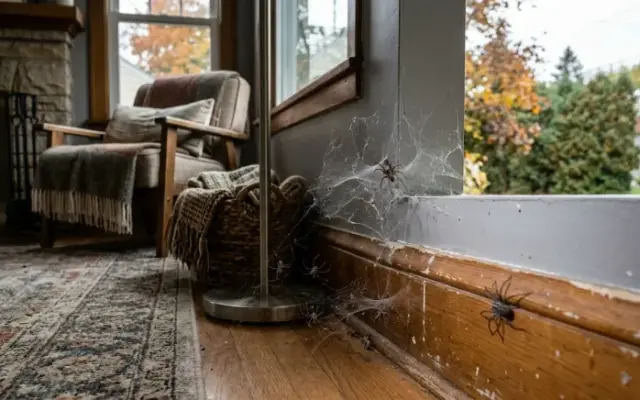
When the snow piles up in Wisconsin, most people figure bugs and spiders are gone until spring. The truth is a little creepier, because some spiders simply pack up and move into your warm house.
Brown recluse spiders are rare here, but hobo spiders and yellow sac spiders are often mistaken for them, and they love cozy basements and closets. Knowing who is sharing your home this winter can save you a lot of worry and help you act smart instead of scared.
1. Why Cold Weather Pushes Spiders Inside
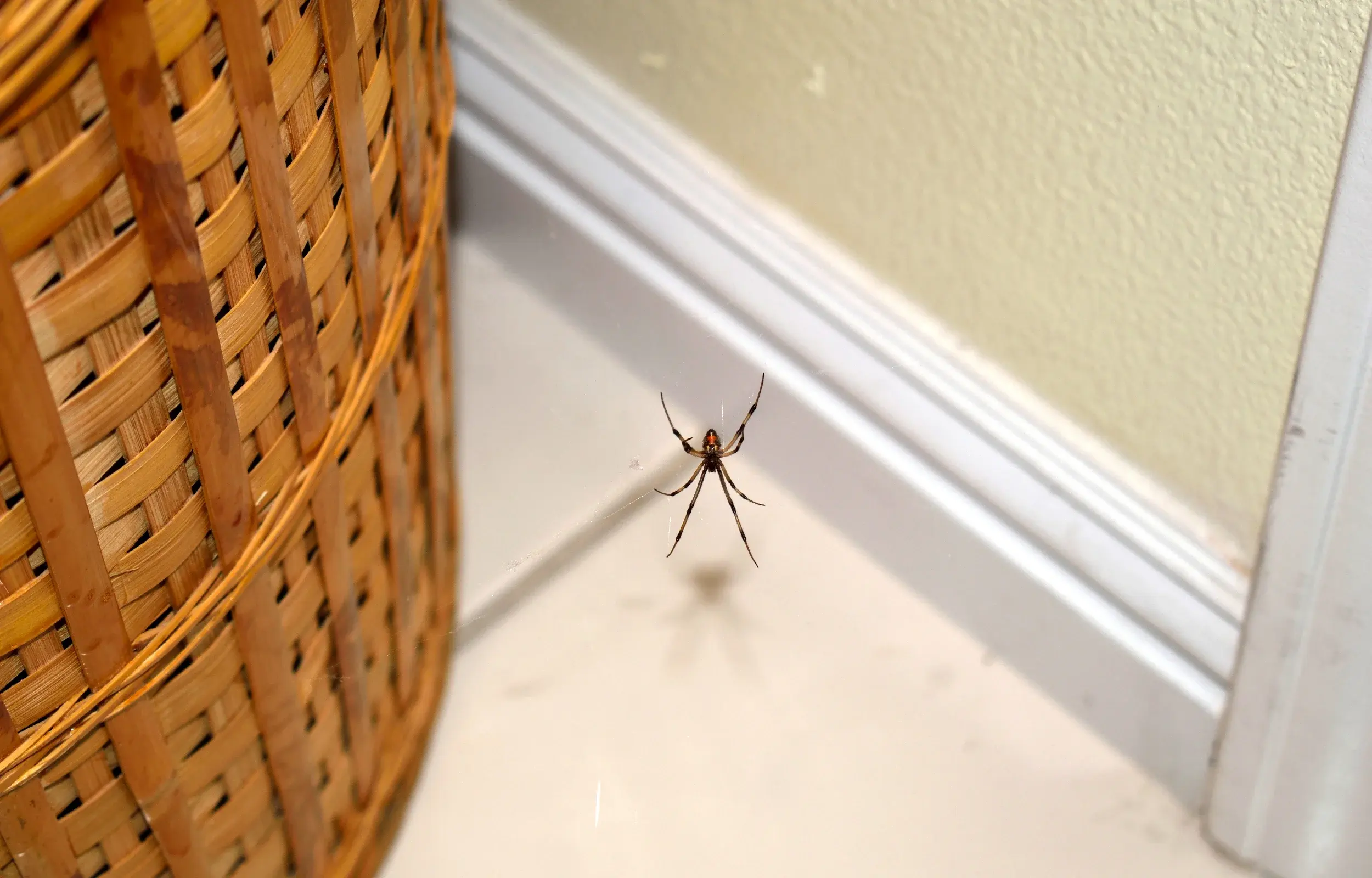
Picture a January night in Green Bay when the thermometer reads ten below. You are wrapped in a blanket, and somewhere behind the water heater, a spider is doing the same thing in its own way.
Spiders are cold-blooded, so they hunt for warmth just like we do.
As fall turns to winter, many outdoor spiders die off or tuck into leaf litter. Others follow heat leaks, gaps around doors, and cracks in foundations straight into homes.
Once inside, they find steady temperatures and plenty of tiny insects to eat.
That is why late fall and early winter often bring more spider sightings, not fewer. The spiders were not suddenly born indoors.
They simply took advantage of the open-door policy your house never meant to offer.
2. The Truth About Brown Recluse Spiders in Wisconsin
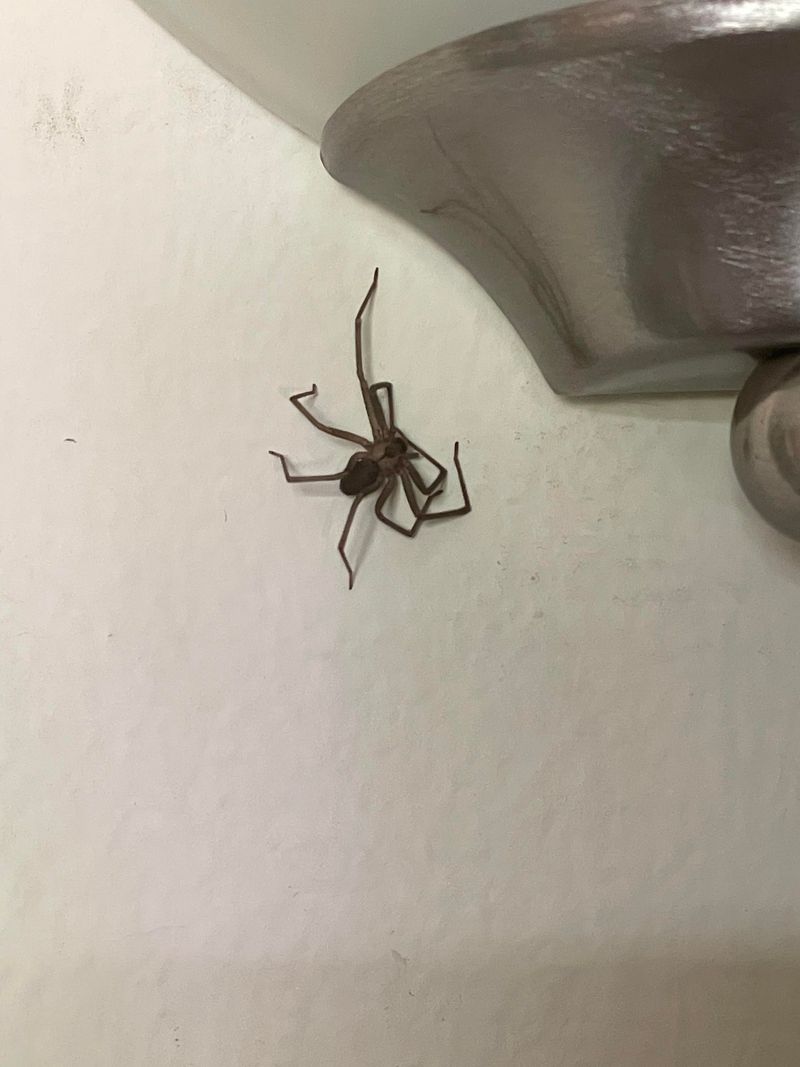
Here is some good news to start with: brown recluse spiders do not naturally live in Wisconsin. Their home range covers states farther south, like Missouri, Arkansas, and parts of Illinois.
Our long, harsh winters are simply too much for wild populations.
So why do people keep reporting them? Occasionally one hitches a ride in moving boxes, furniture, or shipped goods from southern states.
A lone traveler might survive in a heated home, but it rarely starts a lasting colony here.
Fun fact: experts in recluse-heavy states have found that most suspected bites turn out to be infections or other conditions. In Wisconsin, the odds are even lower.
That means your worry is usually aimed at the wrong spider.
3. Meet the Hobo Spider
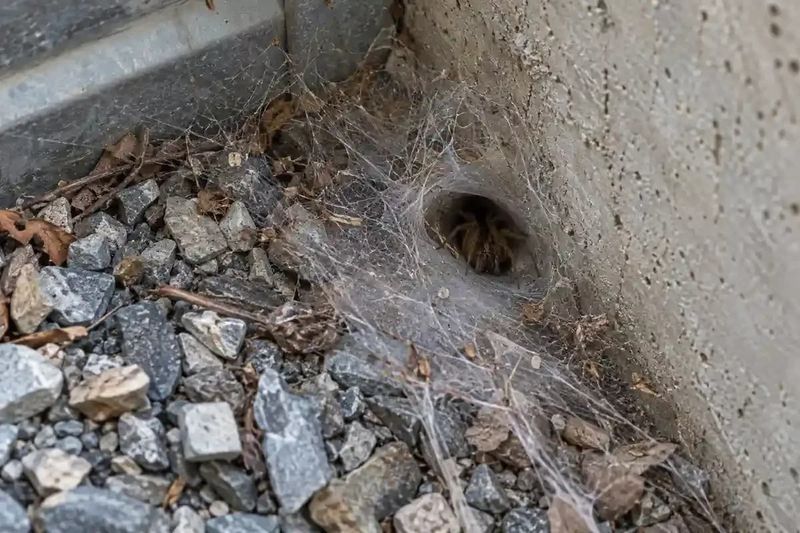
Brown, fast, and a little scary looking, the hobo spider has earned a bad reputation it may not deserve. It builds funnel-shaped webs in dark corners, window wells, and woodpiles.
When the weather cools, males wander indoors searching for mates.
For years, hobo spiders were blamed for nasty skin wounds, much like the recluse. Newer research has questioned that idea, and many scientists now consider their bites mild.
The CDC even removed the hobo spider from its list of medically important spiders.
Most sightings happen at floor level, since hobos are poor climbers. You might spot one scurrying along a baseboard or trapped in a bathtub.
Calm down, grab a cup and paper, and escort it out.
4. Meet the Yellow Sac Spider
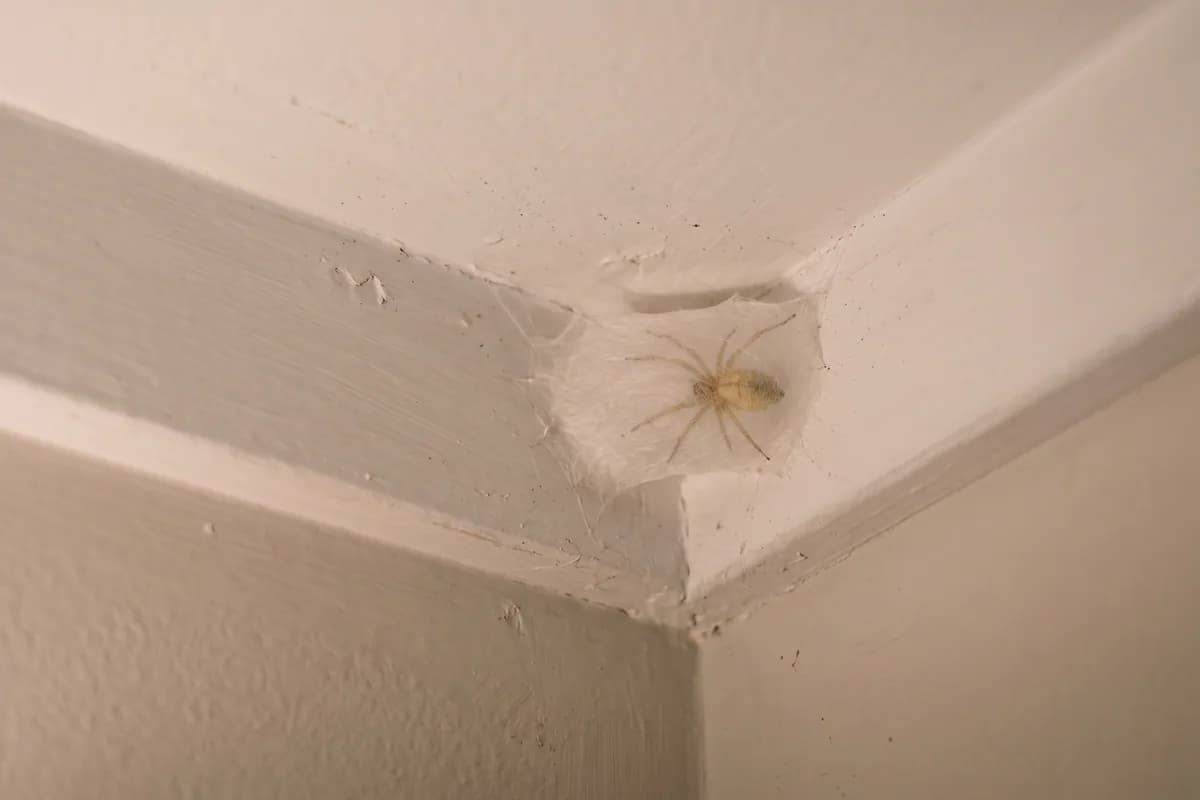
Ever notice a tiny white silk pouch tucked where the wall meets the ceiling? That little sleeping bag probably belongs to a yellow sac spider.
These pale, straw-colored hunters rest there by day and roam at night.
Unlike web builders, sac spiders chase down their food. They patrol walls, curtains, and even beds looking for small insects.
That wandering habit is why they are among the spiders most likely to bite people, usually when pressed against skin.
Their bites can sting and swell for a few days, sometimes leaving a small red spot. Serious problems are rare.
A quick wash with soap and water and a cool compress handle most cases just fine.
5. How to Tell Them Apart
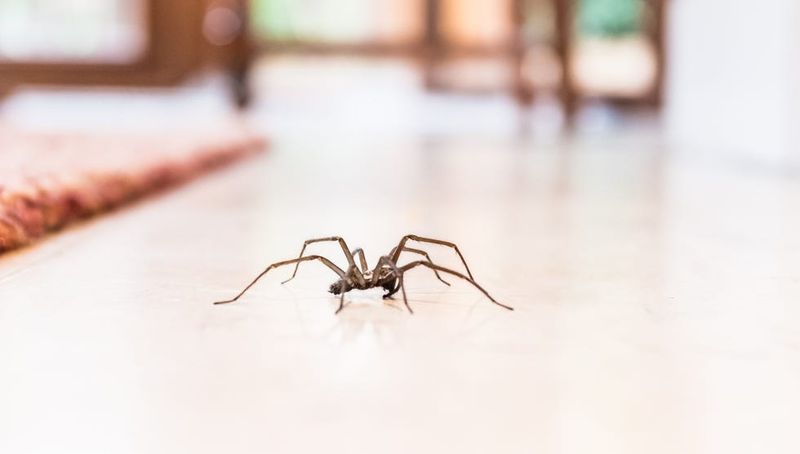
Quick quiz time. If a spider has a dark violin shape on its back and six eyes in pairs, you might have a recluse.
If it has a chevron pattern on its belly and long hairy legs, think hobo.
Yellow sac spiders are the easiest to spot. They look pale yellow or light green, with darker tips on their legs and fangs.
They also lack any bold markings at all.
A phone camera with zoom is your best friend here. Snap a clear photo and compare it to guides from the University of Wisconsin Extension.
You can even send pictures to local experts who are happy to help identify mystery guests.
Getting the ID right keeps you from panicking over a harmless visitor. It also helps you choose the right next steps if a problem does show up.
6. Favorite Winter Hiding Spots
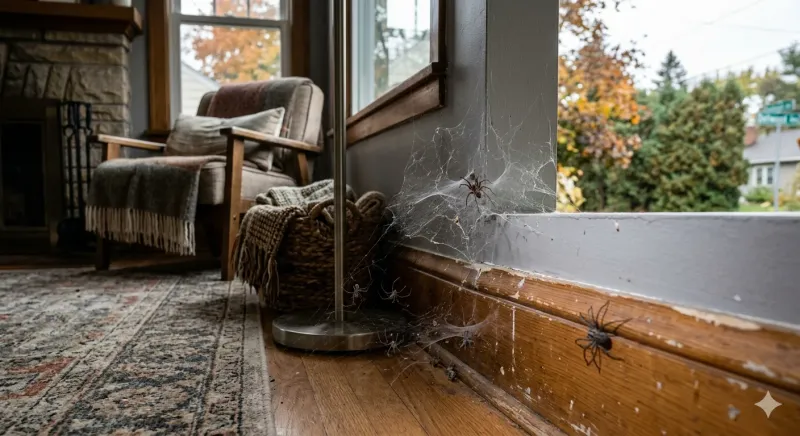
Spiders are basically introverts with excellent taste in real estate. They want dark, quiet, undisturbed places, and our homes have plenty.
Basements, crawl spaces, and storage rooms top their list.
Clutter makes things even cozier for them. Piles of cardboard, old clothes on the floor, and stacked firewood near the door all create perfect hideouts.
Shoes left in the garage and boots by the back door are popular too.
Before slipping on those winter boots, give them a firm shake. Do the same with gloves and jackets stored in closets.
It only takes two seconds and saves you from a surprise pinch.
7. Smart Ways to Keep Spiders Out
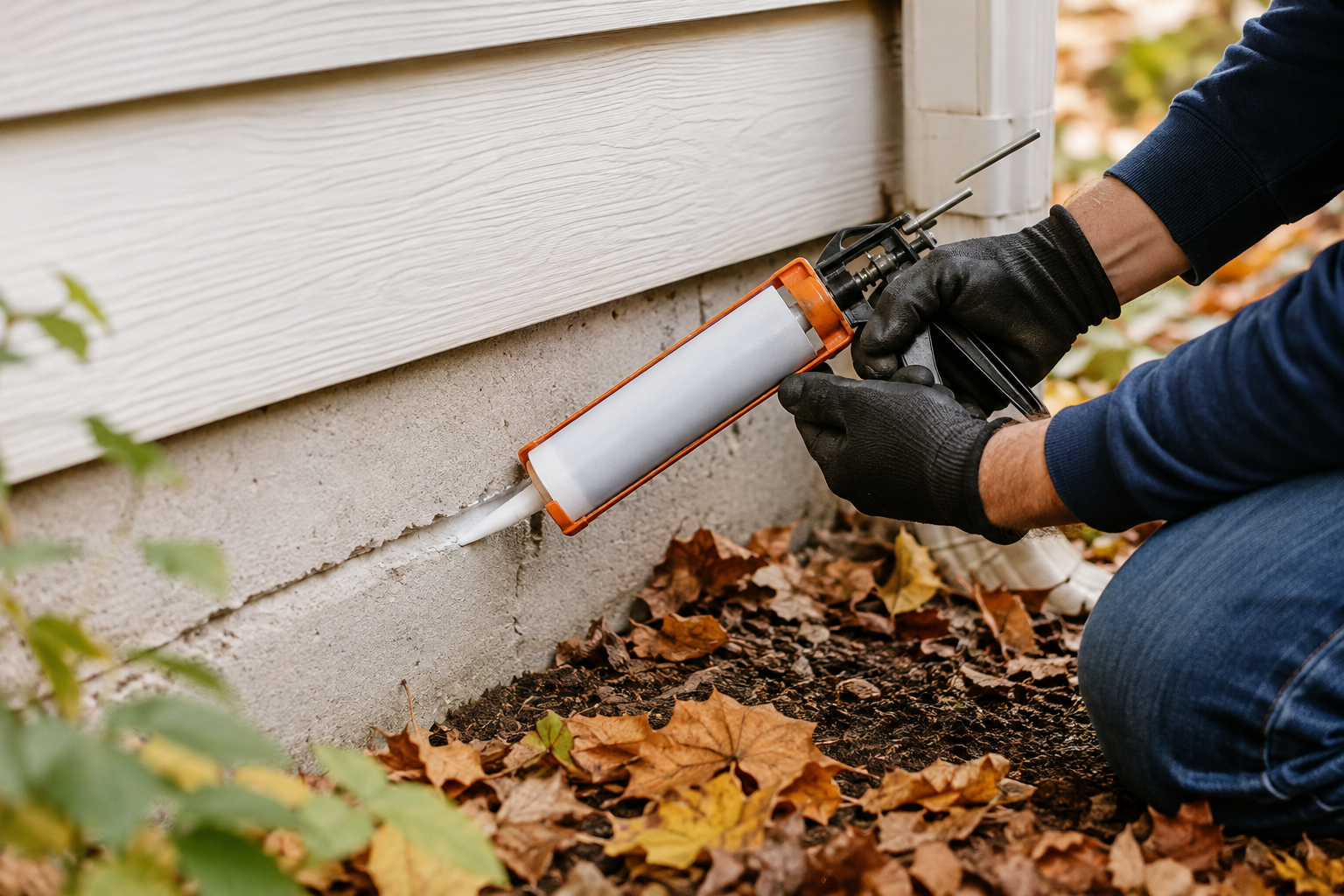
A tube of caulk might be the best spider repellent money can buy. Sealing cracks around windows, doors, and pipes blocks the main entry points.
Door sweeps and tight window screens add another layer of defense.
Next, cut off the buffet. Spiders follow insects, so fewer bugs means fewer spiders.
Switching outdoor lights to yellow bulbs attracts fewer moths and flies near your doors.
Indoors, regular vacuuming removes webs, egg sacs, and the spiders themselves. Sticky traps placed along baseboards in basements catch wandering hobos and help you see what is actually living there.
Keep firewood outside and only bring in what you will burn right away.
8. What to Do If You Get Bitten
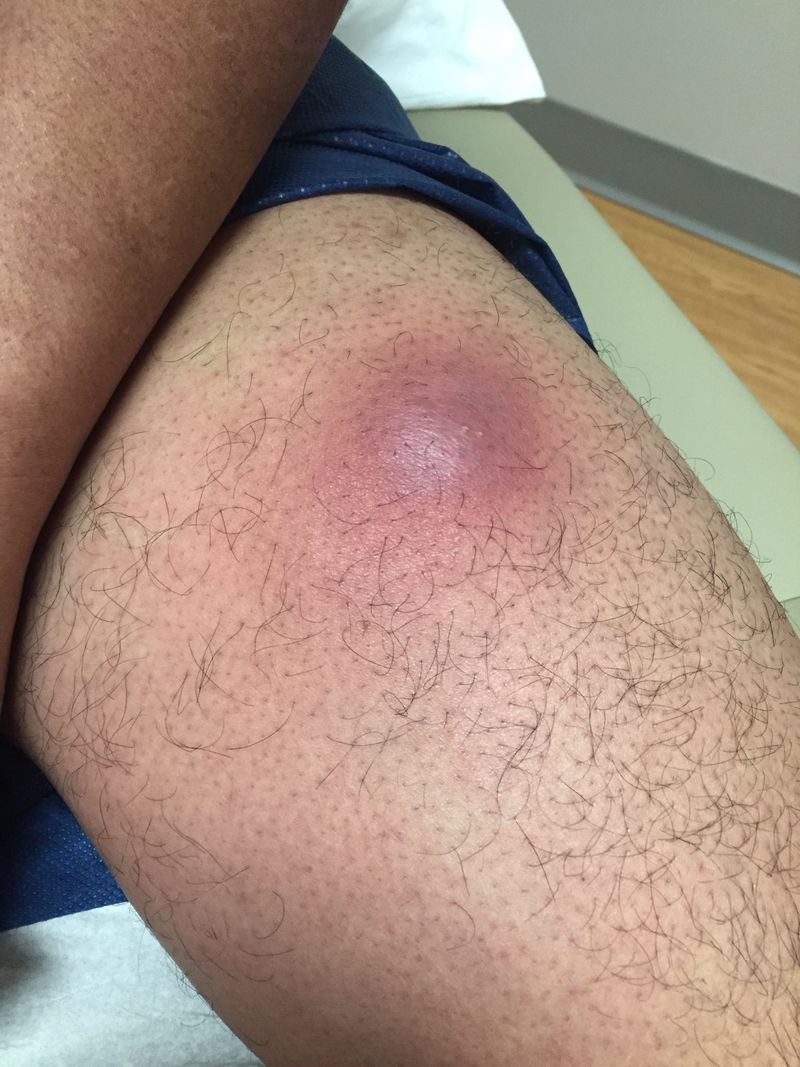
First, take a breath. Most spider bites in Wisconsin cause little more than a red bump and some itching.
Many skin problems blamed on spiders are actually caused by other things, like bacteria.
Wash the spot gently with soap and water. Apply a cool cloth or ice pack for ten minutes at a time to ease swelling.
An over-the-counter pain reliever or anti-itch cream can help too.
Call a doctor if the area grows larger, turns dark, oozes, or comes with fever or chills. If you can safely catch the spider, bring it along in a jar.
That simple step helps doctors know exactly what they are dealing with, and it can put your mind at ease.
Share this story