
If you’re a gardener, you know that using fresh, quality fertilizer is key to keeping your plants healthy and thriving. But what happens when your fertilizer expires? Does it go bad? Because of the nature of fertilizer, there is no one answer as the expiry and lifespan of various forms of fertilizer depends on a number of factors.
There are various different types and forms in which fertilizer can be bought or found, from natural to synthetic and from granular to liquid. Each of these types has distinct properties that lead them to have different expiry times and separate methods of storage in order to extend their potency for the maximum period of time.
Many fertilizer products don’t have an expiration date printed on them. However, this doesn’t mean that they’ll last forever nor does it mean, if there is a date, it cannot be used beyond it. Proper storage is key to keeping your fertilizer fresh. Over time, it can lose its potency and become less effective. If you’re not sure if your fertilizer is still good, it’s best to err on the side of caution and get a new batch.
What are the Common Types of fertilizers and What do They Contain?
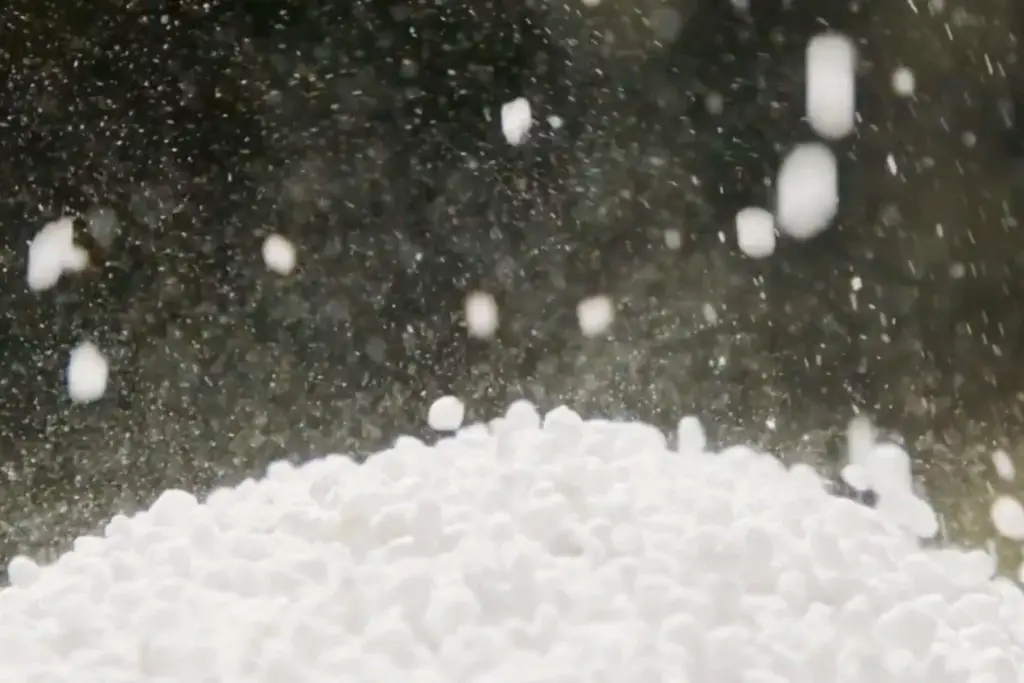
Fertilizers are materials that are added to soil to supply one or more nutrients that are essential to the growth of plants. Most fertilizers contain one or more primary nutrients, nitrogen (N), phosphorus (P), and potassium (K). Fertilizers are available in many different forms, such as granules, powders, or liquids.
They can be synthetic or natural (inorganic or organic). In general, synthetic fertilizers are more concentrated than natural fertilizers and are commercially produced. Natural fertilizers can be either commercial or homemade.
Organic fertilizers come in various forms such as compost, peat moss, and fish emulsion to name a few. They are made from organic materials such as animal manure, composted leaves or plant materials, and fish emulsion from which the nutrients are obtained
We will largely be talking about commercial inorganic or synthetic fertilizers. Compost, can to some extent be treated slightly differently, which you can find out more about here.
Inorganic fertilizers are manufactured products that contain chemical elements. The three primary nutrients needed for plants are nitrogen (N), phosphorus (P), and potassium (K). These are often referred to as the NPK nutrients. Inorganic fertilizers can be found in various forms, such as anhydrous ammonia, urea, ammonium sulfate, ammonium nitrate, and potassium chloride. Each type of inorganic fertilizer contains different concentrations of NPK nutrients.
Main Fertilizer Nutrients
Nitrogen fertilizer: Nitrogen-rich fertilizer is a type of fertilizer that contains nitrogen as the primary nutrient. Nitrogen is essential for the growth of leaves and green parts of plants. It is also necessary for the production of amino acids, proteins, and chlorophyll. Nitrogen fertilizer is available in many different forms, such as granules, powders, or liquids.
Phosphorus fertilizer: Phosphorus-rich fertilizer is a type of fertilizer that contains phosphorus as the primary nutrient. Phosphorus is essential for the growth and development of roots, flowers, and fruits. It is also necessary for the production of ATP, DNA, and RNA. Similar to nitrogen, phosphorus fertilizer is usually available in granules, powders, or liquids.
Potassium fertilizer: Potassium-rich fertilizer is a type of fertilizer that contains potassium as its main nutrient. Potassium is essential for the growth and development of stems, leaves, and fruits. It is also necessary for the production of chlorophyll and enzymes. Potassium fertilizer is available in many different forms, such as granules, powders, or liquids.
Fertilizers for Different Application Types
All-purpose fertilizer: All-purpose fertilizer is a type of fertilizer that contains all three of the primary nutrients, nitrogen, phosphorus, and potassium. All-purpose fertilizer is suitable for use on all types of plants and it is available in many different forms, such as granules, powders, or liquids.
Specific nutrients: There are many different types of fertilizer that contain specific nutrients that are essential for the growth of specific types of plants. For example, there are specialized fertilizers for roses, tomatoes, and lawns. These fertilizers contain the specific nutrients that these plants need in order to grow and thrive.
Different Fertilizers and the Expiration Dates

As you might expect, the answer to how long different types of fertilizer remain potent varies based on the type of fertilizer in question. In general, though, you can expect granular and dry fertilizers to have an indefinite shelf life, if kept under proper conditions, while concentrated and liquid forms will have a more limited window of effectiveness.
Granular and dry fertilizers are typically made up of inorganic materials like minerals and salts. Because of this, they don’t break down over time the way organic materials do. This means that they should remain just as potent for a long period of time.
Concentrated and liquid fertilizers, on the other hand, are made up of organic materials. These will break down over time, reducing their potency. The exact amount of time this takes will vary from fertilizer to fertilizer, so be sure to check the label before using.
Of course, even the longest-lasting fertilizer will degrade if it’s not stored properly.
How Do You Know When Fertilizer Is Expired?
When you buy fertilizer, you need to keep track of when you bought it and when you used it. This way, you can tell when it expires. If you notice any changes in the texture of your fertilizer, its smell, or see insects or mold growing, then it’s time to throw out your fertilizer. You can test the nutrient content of your fertilizer by mixing 1 teaspoon of your fertilizer with one cup of distilled water and letting the mixture sit for 24 hours.
You should be on the lookout for any indications of fungi, bacteria, or mold growth when using organic liquid fertilizers. A foul smell, bulging in the bottle, and a change in the quality of the liquid are all warning signs that your fertilizer has gone bad or is about to go bad. Certain bacterias that get into your fertilizer can cause nutrient imbalance problems as well as plant damage from root rot or leaf burn. In addition, any mold growth can lead to reduced photosynthesis efficiency.
If you suspect that your fertilizer is bad, it’s best to err on the side of caution and discard it. It’s easy enough to replace, but it’s not worth risking the health of your plants.
Is it okay to use expired fertilizer?
As a general rule, it’s best not to use expired fertilizer. The potency of the fertilizer doesn’t necessarily correlate with any expiry date that might be shown or how long you have had it. Whether you can still use it though will largely depend on how it has been stored.
Over time, fertilizer can lose its effectiveness as components break down. This is why it’s important to properly store fertilizer, in a cool, dry place. If fertilizer is stored improperly, it can go bad quite quickly, whether recently bought or before any expiry date.
If you are going to use old fertilizer, it’s important to test the nutrient content. This way, you can be sure that you’re giving your plants or lawn the right amount of nutrients. Bear in mind that you shouldn’t mix different types of fertilizers together as doing so can cause them to react chemically, creating potentially dangerous compounds. Use up one before waiting to apply a new fertilizer.
Ultimately, if you use a fertilizer that is past its expiration date, you run the risk of giving your plants or lawn the wrong amount of nutrients, which can ultimately be harmful to your plants. If you are an experienced gardener then you probably will know whether the fertilizer can be used or not. If you have little experience then it is best to err on the side of caution and not use expired fertilizer.
Is Keeping and Storing Fertilizer a Good Idea?
As a gardener, one of the best ways to be eco-friendly and save money is to reuse old fertilizer rather than dumping it out. Not only does this reduce fertilizer waste, but it also has numerous other benefits.
Whilst organic fertilizers are environmentally safe, inorganic fertilizers include harmful elements. By reusing old fertilizer you can reduce the amount of fertilizer waste that is harmful to the environment.
In addition to being environmentally friendly, reusing fertilizer also saves you money. Rather than buying new fertilizer every year, gardeners can repurpose old fertilizer and use it again. This is especially helpful for gardeners who are on a budget.
To ensure that you get the most out of your fertilizer stock, planning ahead is key to successful repurposing. By working out your likely fertilizer needs for a season, gardeners can reduce the leftover fertilizer to a reasonable amount, and can cut down on the number of trips they need to make to the garden center later. This not only saves time, but it also saves money and the environment.
How and Where Should Fertilizer Be Stored in the Dry State?
So what’s the best way to store fertilizer?
In order to keep your fertilizer working its best, you’ll want to store it in a dry, cool place. This is because any moisture and heat can break down the nutrients in fertilizer, making them less effective.
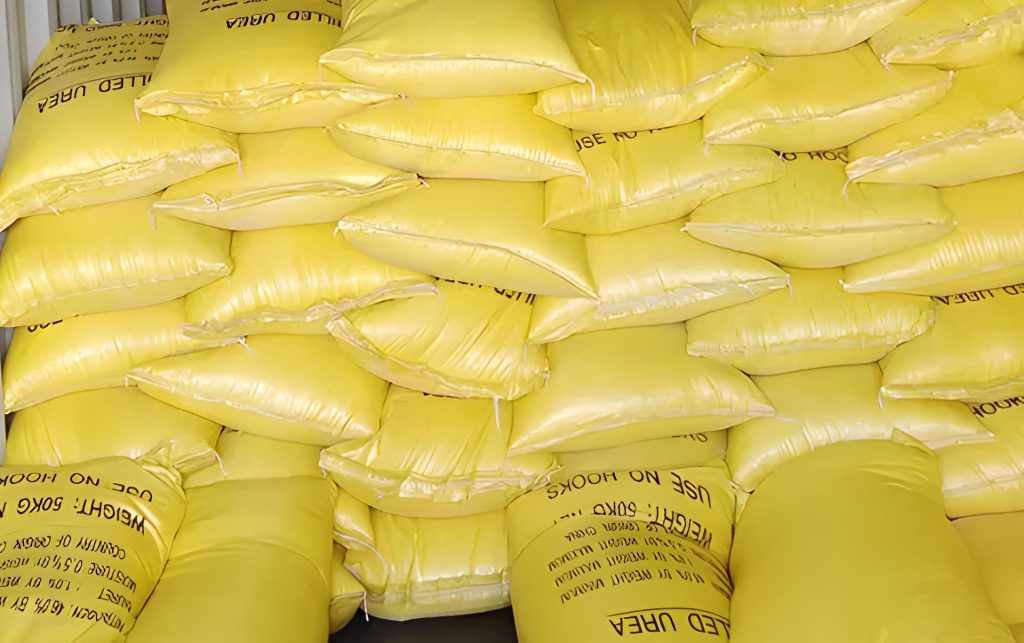
Ideally, you should store your fertilizer in its original bag. This will help to keep the fertilizer dry and prevent the grains from drying out or clumping together. If you must store fertilizer in another container, make sure it is a dry, airtight container.
When it comes to temperature, you’ll want to avoid extreme heat or cold. Warm temperatures can degrade the nutrient content more quickly than you may realize, so it’s best to avoid storing your fertilizer in a warm place. If clumps do form, they can still be used, but they may not be as effective. A cool, dark place like a basement or garage is ideal. It is best to avoid humid places because of the danger of the moisture getting to the fertilizer.
By following these simple tips, you can be sure that your fertilizer will be ready to use when you need it, and that it will be effective in helping your plants to grow and thrive.
In what ways may liquid fertilizer be kept safe?
When it comes to storing your liquid fertilizer, there are a few things to keep in mind in order to maintain its quality. Most importantly, liquid fertilizer should be stored in a warm place – if it freezes, it can be damaged. Make sure the lid is tightly on the bottle and the container is sealed well – this will help keep the liquid from evaporating.
Good places to store these bottles are kitchen cupboards or laundry room storage areas, generally inside the house is best. This will ensure that your liquid fertilizer is correctly kept and in excellent condition for future use.
Summary
As we have seen, yes fertilizer can eventually go bad, but that doesn’t necessarily correlate with any expiry date that might be shown on the bag or bottle, and more often than not, if the fertilizer is stored correctly this can be years after the listed date or the time you bought it.
Share this story


