
Get the latest garden guides in your inbox →
Gardening Latest
  • General Gardening
  • Lawn Care
  • Plant Care
  • Composting
  • Soil Health
  • Backyard
  • Garden Muse Magazine
  • General Gardening
  • Lawn Care
  • Plant Care
  • Composting
  • Soil Health
  • Backyard
  • Garden Muse Magazine
  • News
  • Gardening Calendar
  • Garden Structures
  • Vegetable Garden
  • Vertical Garden
  • Raised Beds
  • Hydroponics
  • General Equipment
  • Community Gardens
Garden Themes
  • Spiritual Garden
  • Hydroseeding
  • Seeding and Laying Sod
  • Artificial Grass
  • Lawn Care Equipment
  • Plants
  • Trees
  • Planting Tools
  • Composting Basics
  • Fertilizer
  • Alternative Growing Mediums
  • Front Yard
  • Backyard Activities
  • Landscaping
Gardening Latest

Explore by state

Which state is your garden in?

All states

Northeast

  • Connecticut —
  • Delaware 8
  • Maine —
  • Maryland 3
  • Massachusetts 10
  • New Hampshire —
  • New Jersey 3
  • New York 4
  • Pennsylvania 4
  • Rhode Island —
  • Vermont —

Southeast

  • Alabama 3
  • Arkansas —
  • Florida 3
  • Georgia 3
  • Kentucky 9
  • Louisiana 2
  • Mississippi —
  • North Carolina 1
  • South Carolina 8
  • Tennessee —
  • Virginia 2
  • West Virginia —

Midwest

  • Illinois 2
  • Indiana 4
  • Iowa 7
  • Kansas —
  • Michigan 3
  • Minnesota 2
  • Missouri 2
  • Nebraska —
  • North Dakota —
  • Ohio 3
  • South Dakota —
  • Wisconsin 8

Southwest

  • Arizona 3
  • Colorado —
  • Nevada —
  • New Mexico —
  • Oklahoma —
  • Texas 2
  • Utah —

West

  • Alaska —
  • California 3
  • Hawaii —
  • Idaho —
  • Montana —
  • Oregon —
  • Washington —
  • Wyoming —

No state matches that search.

Site menu

Gardening Latest
  • General Gardening
    • News
    • Gardening Calendar
    • Garden Structures
    • Vegetable Garden
    • Vertical Garden
    • Raised Beds
    • Hydroponics
    • General Equipment
    • Community Gardens
    Garden Themes
    • Spiritual Garden
  • Lawn Care
    • Hydroseeding
    • Seeding and Laying Sod
    • Artificial Grass
    • Lawn Care Equipment
  • Plant Care
    • Plants
    • Trees
    • Planting Tools
  • Composting
    • Composting Basics
  • Soil Health
    • Fertilizer
    • Alternative Growing Mediums
  • Backyard
    • Front Yard
    • Backyard Activities
    • Landscaping
  • Garden Muse Magazine

Explore

  • About GardeningLatest.com
  • Contact Us

Get the latest from the garden

New guides on lawn care, plants and backyard projects, sent when they go up.

Subscribe →

Follow

  • Facebook
  • X
  • Pinterest
  • YouTube
Composting Basics

Refreshing Compost in Permanent Pots: The Secret to Thriving Potted Plants in Your Garden

You probably have several permanent pots carefully arranged or dotted around your garden.

By Keith Hardy

September 14, 2026 · 4 min read

Refreshing Compost in Permanent Pots: The Secret to Thriving Potted Plants in Your Garden
Refreshing Compost in Permanent Pots

You probably have several permanent pots carefully arranged or dotted around your garden. Winter provides a good opportunity to refresh the compost in these permanent pots to ensure the plants continue to thrive.

Refreshing compost in permanent pots is a simple process that can help to ensure that your plants have access to a steady supply of nutrients.

We will look at how to refresh your compost efficiently and then discuss at greater length some of the reasons why this is important and also when you should not refresh the compost.

Table of Contents
  • Step-by-Step Guide to Refreshing Compost in Permanent Pots
  • How Often to Refresh Compost
  • Benefits of Refreshing Compost
  • Potential Downsides of Refreshing Compost
  • Checking if The Compost Needs to Be Refreshed
  • Our Experience

At a glance

Filed under
Composting Basics
Read
4 minutes
Published
September 14, 2026
  • Step-by-Step Guide to Refreshing Compost in Permanent Pots
  • How Often to Refresh Compost
  • Benefits of Refreshing Compost

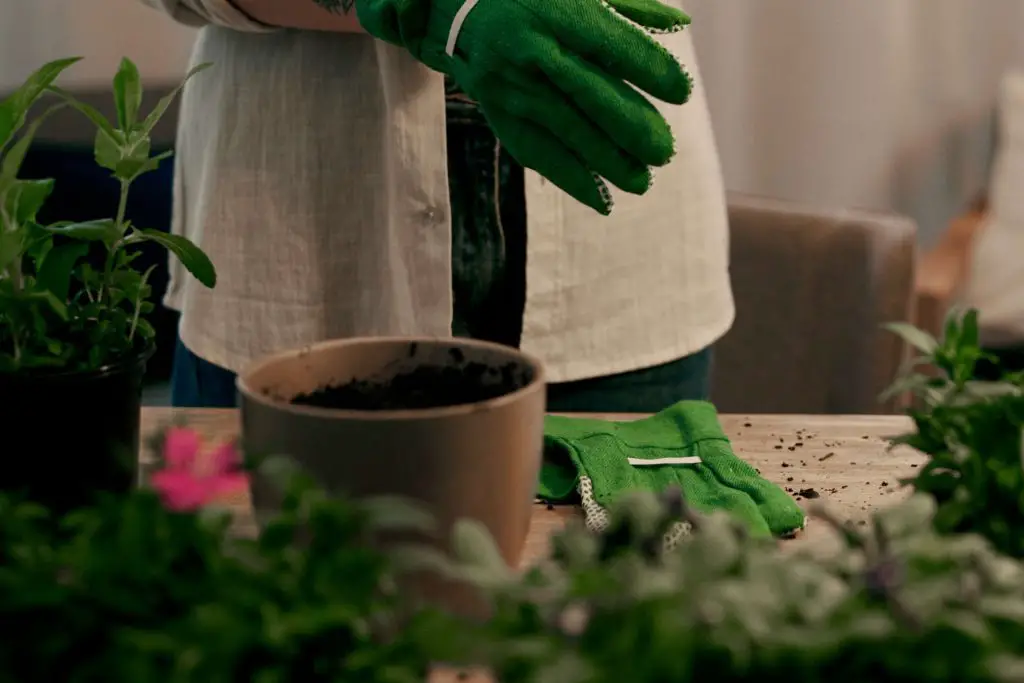
Step-by-Step Guide to Refreshing Compost in Permanent Pots

A guide to refreshing compost in permanent pots
Step-by-Step Guide to Refreshing Compost in Permanent Pots

Here’s how to do it:

  1. Begin by removing any dead or dying plants from the pots. These plants can harbor pests and diseases that could harm your other plants, so removing them as soon as possible is important.
  1. Next, use a garden fork or trowel to loosen the soil in the pot. This will help to aerate the soil and allow water and nutrients to reach the roots of your plants more easily.
  1. Once the soil is loosened, it’s time to add some new compost. You can either make your own compost at home or purchase it from a gardening center. If you’re using homemade compost, be sure to let it age for at least a few months before using it to ensure that it is fully decomposed.
  1. Add the compost to the pot, using enough to increase the soil level by about an inch or two.
  1. Once the compost is added, mix the garden fork or trowel into the soil. This will help to distribute the nutrients evenly throughout the pot.
  1. Finally, water the plants thoroughly to help the compost settle into place and provide moisture for the roots.

By regularly refreshing the compost in your permanent pots, you can help ensure that your plants have access to the nutrients they need to grow and thrive.

How Often to Refresh Compost

It is recommended to refresh the compost in permanent pots every 6-12 months. This frequency depends on the type of plants being grown, the size of the pot, and the climate conditions in which they are grown. For example, if you are growing plants that have high nutrient needs, you may need to refresh the compost more frequently. On the other hand, if you are growing plants that are more tolerant of poor soil conditions, you may be able to refresh the compost less often.

Benefits of Refreshing Compost
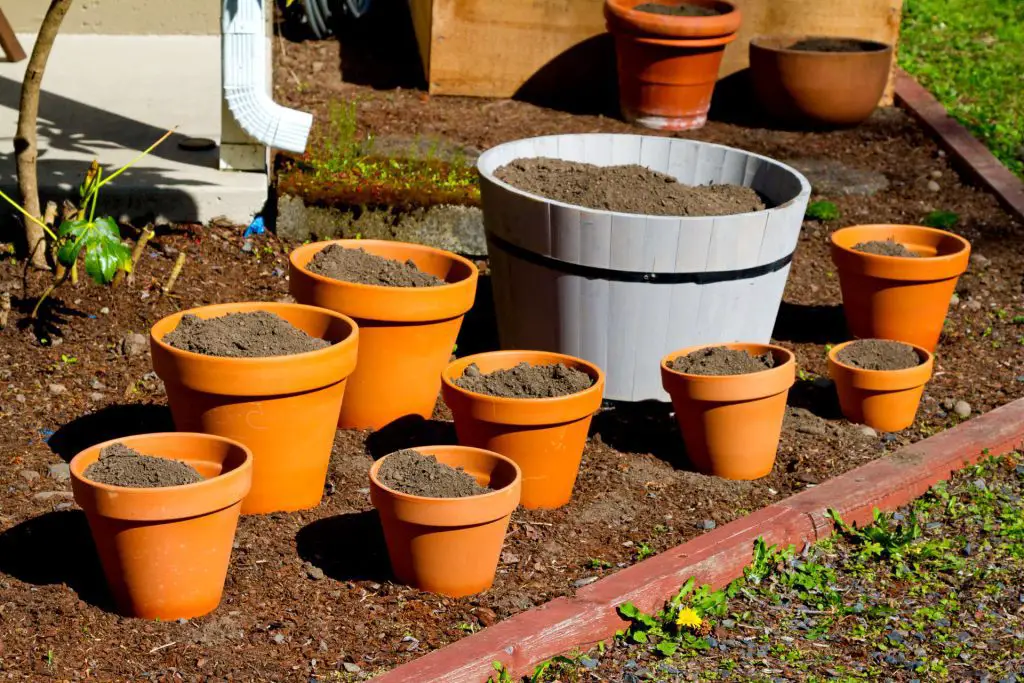
Refreshing Compost in Permanent Pots

Refreshing compost in permanent pots can greatly benefit the health and growth of your plants. By adding fresh compost, you are supplying your plants with a steady supply of essential nutrients, such as nitrogen, phosphorus, and potassium.

While refreshing compost in permanent pots can be beneficial, it is important to be mindful of the potential downsides.

Additionally, the organic matter in compost helps to improve the soil structure, making it more porous and allowing for better water and air penetration to the roots. This can lead to stronger root systems and more vigorous plant growth. Furthermore, by removing dead or dying plants and mixing the compost into the soil, you are also helping to break up compacted soil and eliminate any pests or disease that may be present.

Potential Downsides of Refreshing Compost

While refreshing compost in permanent pots can be beneficial, it is important to be mindful of the potential downsides. Over-fertilizing plants can lead to excess nitrogen and other nutrients, which can harm the plants. Additionally, if pests or diseases are present in the new compost, they can be introduced to the pot and potentially harm your plants.

To avoid these issues, it is important to use fully decomposed compost, and to mix it in with the existing soil thoroughly. Additionally, it is important to monitor the plants for any signs of over-fertilization or pest/disease issues after refreshing the compost.

Checking if The Compost Needs to Be Refreshed
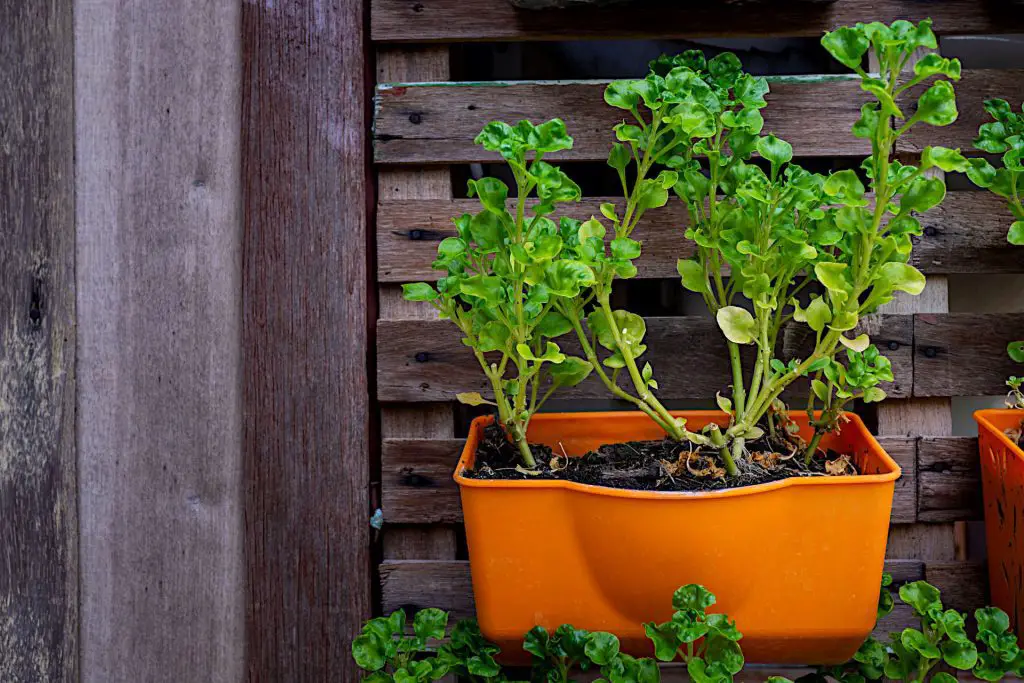
Checking if The Compost Needs to Be Refreshed
Checking if the compost needs refreshing in your permanent pots

There are several signs to look for to determine if the compost in your permanent pots needs to be refreshed. One indication is if the plants are not growing as vigorously as they once did or showing signs of nutrient deficiency such as yellowing leaves.

Another indication is if the soil in the pot has become compacted and water is not penetrating the roots as easily. Additionally, if you notice increased pests or disease in the pot, it may be time to refresh the compost. If you are unsure if the compost needs to be refreshed, it’s always a good idea to consult with a gardening expert. They can help you determine if it’s time to refresh the compost and what steps you should take to do so.

Our Experience

Refreshing compost in your permanent pots is a simple process. However, from our experience, you will be surprised how often the process gets overlooked or forgotten. Suddenly you notice that the plants in your pots are beginning to struggle. This can often be misunderstood as under or over-watering or under-watering when the plants lack nitrogen and other nutrients.

A good way to remember to refresh your pots is to have a gardening calendar or even use your calendar app on your phone to set a reminder for the tasks to accomplish for the month.

Tagged
  • compost
  • fertilizer

Share this story

Written by

Keith Hardy

More from Keith Hardy →

Keith has been involved in the gardening and landscaping industry fro the past 21 years. From a jobbing gardener to running his own landscaping services. He is now dedicated to bringing you the latest in gardening news.

About Gardening Latest

Gardening Latest provides in-depth guides to maintaining and enhancing your garden and backyard. Learn how to make the most of the space you have and create a beautiful garden.

More about us →

Latest stories

  • Massachusetts GardeningMassachusetts Has Venomous Spiders That Sneak Indoors as Nights Get Cold, and Here’s How to Spot Them

    Massachusetts Has Venomous Spiders That Sneak Indoors as Nights Get Cold, and Here’s How to Spot Them

    53 min ago
  • Delaware GardeningDelaware’s Northern Short-Tailed Shrew Has a Venomous Bite, and Fallen Leaves Can Make Good Habitat

    Delaware’s Northern Short-Tailed Shrew Has a Venomous Bite, and Fallen Leaves Can Make Good Habitat

    54 min ago
  • Kentucky GardeningWhy You Hear Coyotes Howling After Dark in Kentucky

    Why You Hear Coyotes Howling After Dark in Kentucky

    58 min ago
  • South Carolina GardeningHearing Coyotes Howl Near Your South Carolina Home at Night? What Their Calls Can and Cannot Tell You

    Hearing Coyotes Howl Near Your South Carolina Home at Night? What Their Calls Can and Cannot Tell You

    59 min ago
  • Pennsylvania GardeningThose Fallen Pine Needles In Your Pennsylvania Yard Are Better Mulch Than You Think

    Those Fallen Pine Needles In Your Pennsylvania Yard Are Better Mulch Than You Think

    1 hr ago

Gardening by state

Stories for your state, and the hardiness zone most of it gardens in.

Keep exploring

Read next

All Composting Basics →
Composting BasicsCompost Tumblers: Your Key to Easy and Efficient Gardening
Composting Basics

Compost Tumblers: Your Key to Easy and Efficient Gardening

Jul 28
Composting BasicsA Beginner’s Guide to Composting: From Kitchen Scraps to Garden Gold
Composting Basics

A Beginner’s Guide to Composting: From Kitchen Scraps to Garden Gold

Sep 14
Composting BasicsThe Easy Way to Get The Right Compost Ratio of Browns to Greens  
Composting Basics

The Easy Way to Get The Right Compost Ratio of Browns to Greens  

Sep 13

More from Composting Basics

  • Why Does my Compost Smell? How to Stop Your Compost Pile Smelling

    Sep 13
  • Compost Not Heating Up | How to Make and Maintain a Compost Pile’s Heat

    Sep 14
Back to top
Gardening Latest

In-depth guides to maintaining and enhancing your garden and backyard: how to make the most of the space you have, and how to make it beautiful.

  • Facebook
  • X
  • Pinterest
  • YouTube

We may earn a portion of sales from products or services that are purchased through our site as part of our affiliate partnerships with retailers.

Explore

  • About GardeningLatest.com
  • Contact Us
  • Terms and Conditions
  • Privacy
  • Editorial Note:
  • FTC Disclosure

Newsletter

New garden guides and seasonal tips, straight to your inbox.

We’ll email you a link to confirm. Unsubscribe any time.

Almost there! Check your inbox and tap the link to confirm.

© 2026 Gardening Latest. All rights reserved.

Back to top

Last Updated on September 14, 2026