Alabama gardeners really do pull privet seedlings by the handful, and the plant keeps coming back anyway. Chinese privet is a likely culprit behind many of those recurring young shoots.
Some of the plants come up from seed, and others sprout from roots or stumps that are still alive. Knowing which kind you have makes the work smarter and saves your good plants from harm.
Chinese privet is one possible identification
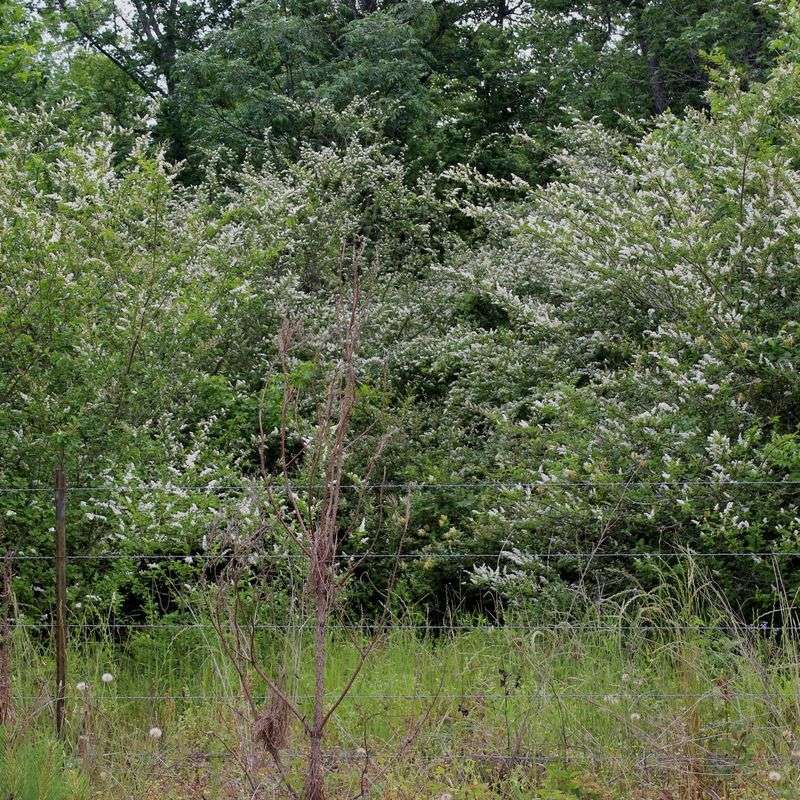
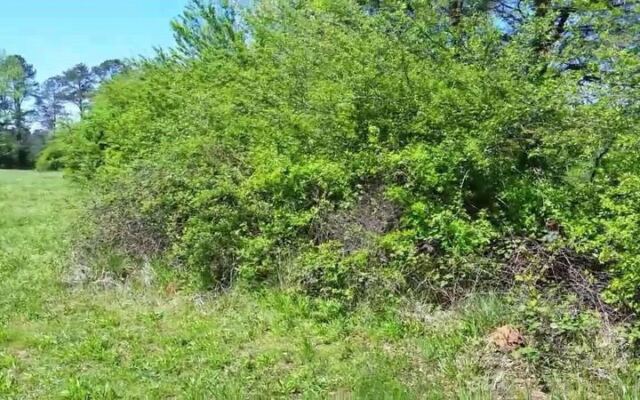
Walk the edge of almost any Alabama yard, fence line, or woodlot and you may spot a leafy green shrub that seems to appear out of nowhere. Chinese privet is a well-supported candidate for those recurring young shoots.
Alabama Extension describes it as a semievergreen shrub or small tree that can reach about 30 feet, so it is not always a tree in the way an oak is.
Several clues can help you decide. Look for small, oval green leaves that grow in opposite pairs along the stem.
In spring, fragrant white flowers appear, and in late fall the plant carries dark purple-to-black fruit.
Treat those clues as hints, not proof. Other invasive privets also grow in Alabama, and the Alabama Forestry Commission notes that Chinese privet and European privet can be hard to tell apart.
A single leaf or a tiny seedling will not settle the question. If you are unsure, take clear photos of leaves, stems, flowers, or fruit to your county Extension office.
Once you have a reasonable guess, the next question is practical: why do the shoots keep returning after you pull or cut them? The answer depends on where each new shoot came from.
New seedlings and root sprouts are different problems
A bird eats a handful of dark privet berries, flies to a fence post, and leaves seed behind. That is one way new plants start.
According to Alabama Extension, birds and other animals spread privet seed, and flooding can bring seed back to an area after treatment.
Seedlings are independent plants. Each one has its own small root system and is not tied to anything else underground.
Those are the plants most likely to come out cleanly when you pull them.
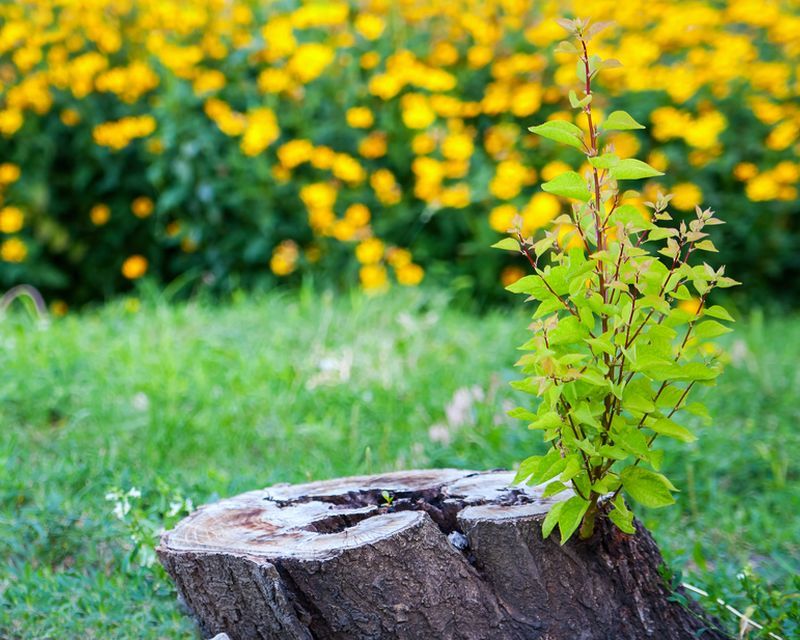
Resprouts are a different story. A cut stump or a living root can send up new shoots that look a lot like seedlings, especially when they are only a foot tall.
These shoots are connected to an established plant and can be fueled by roots you cannot see.
A quick example shows why this matters. If you pull a dozen shoots near an old cut stump and they all return within weeks, you are probably dealing with sprouts, not fresh seedlings.
If you find scattered shoots under a bird perch or along a drainage path, seed is the more likely source.
Pulling a seedling does nothing about nearby roots or stumps that are still alive. Sorting out which problem you have is the first step in choosing a control method that fits.
Pull young plants when the soil is moist
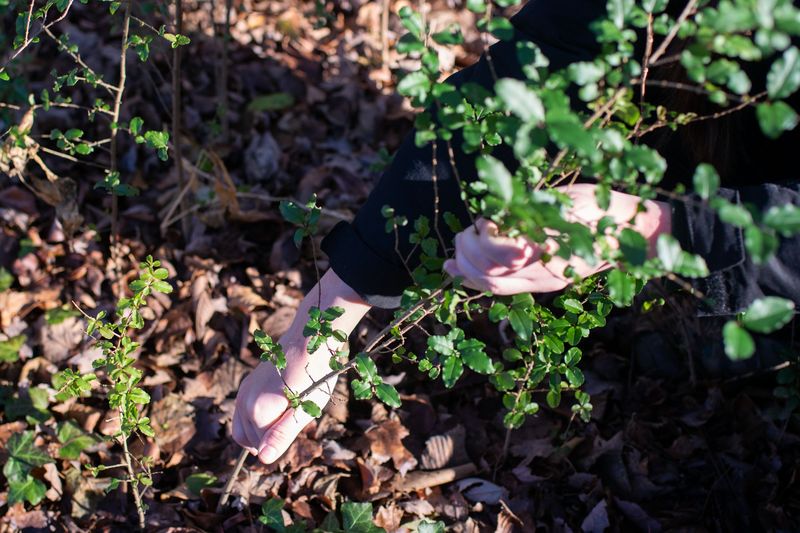
Right after a good rain is the best time to go after young privet. Moist soil loosens its grip on roots, and that makes a big difference.
Alabama Extension recommends hand-pulling seedlings and small saplings, with the goal of removing as much root as possible.
Wear sturdy gloves and get low to the ground. Grasp the stem right at the base, as close to the soil as you can, rather than higher up where it may snap.
Pull slowly and steadily, and ease the plant out instead of yanking it.
Check what comes out of the ground. A seedling with a whole root system attached is a good result.
A stem that snapped off at the soil line leaves living roots behind, and the plant may simply try again.
This method works best on young, independent plants, and that is where it earns its place. A small-looking shoot will not always pull free, so do not expect every one to cooperate.
Moving through the bed in a few short sessions can be easier than a single marathon, and you can drop the pulled plants in a bag so loose roots do not take hold again in damp soil.
A shoot that resists may be attached to a root
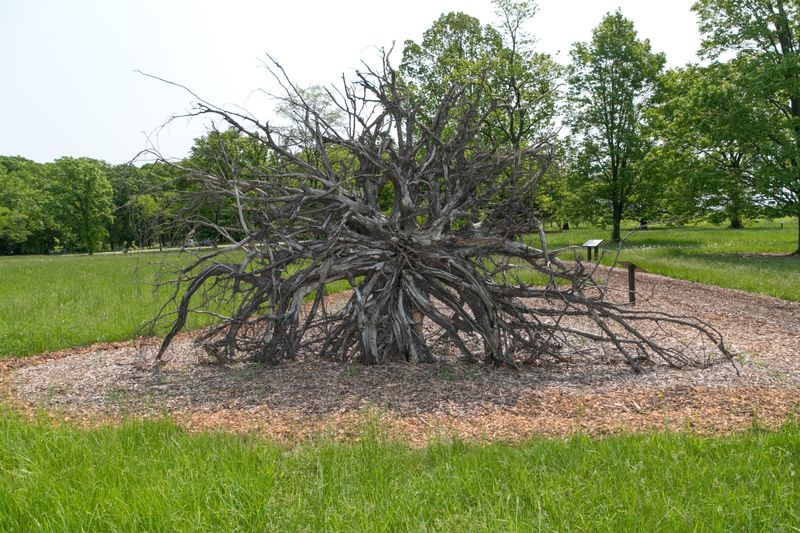
Sometimes a shoot that looks tiny will not budge no matter how steadily you pull. That resistance is a clue.
It may be connected to a lateral root, which is a root that runs sideways underground, and Alabama Extension says hand-pulling will not work in that case.
When you meet this kind of resistance, stop. Pulling harder usually just snaps the stem and leaves the root system in place.
You may also tear up the soil around nearby plants for no gain.
For somewhat larger saplings, a weed wrench is one tool that can help. The same Extension guidance says it can remove saplings up to 2 inches in diameter.
It works by gripping the stem and using leverage to lift the whole plant, roots included.
Pulling of any kind disturbs soil, though. Do not use a weed wrench on stream banks or steep slopes where erosion may result, because bare ground there can wash away in the next heavy rain.
On those sites, ask your county Extension office or the Alabama Forestry Commission about options that keep the soil in place.
Larger plants need more than cutting
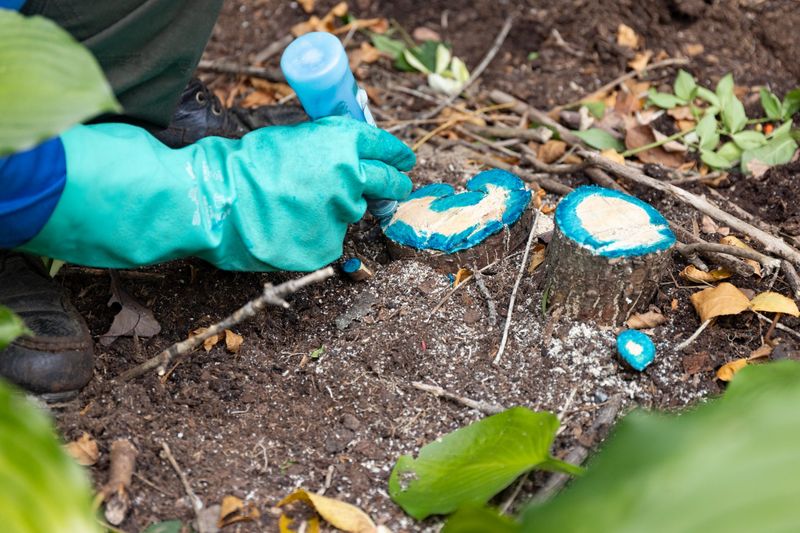
A saw can take a big privet shrub down in minutes, but the stump often answers with a flush of new growth. Alabama Extension warns that privet can rapidly resprout, so cutting alone is unreliable for larger plants.
Extension describes three herbicide approaches. Cut-stump treatment applies product to the stump after cutting.
Basal-bark treatment is applied to the lower stem, and foliar treatment is applied to leaves. Which one fits depends on the plant size, the season, and what grows nearby.
There is no one-size-fits-all recipe here. Read the exact product label and follow its directions, its protective-equipment requirements, and its site restrictions.
For cut stumps, Extension says to treat promptly after cutting, and to avoid products with soil activity in residential settings because they can harm nearby desirable plants.
Drift is another risk. Spray or vapor that lands on a neighbor’s shrubs or your vegetable bed can cause damage you did not intend.
Near ponds, ditches, or streams, extra care matters because the wrong product can injure aquatic organisms, so look for products labeled for aquatic use where that applies.
If the label and your site do not match, your county Extension office can help you sort out a safe choice.
Plan to check the area again
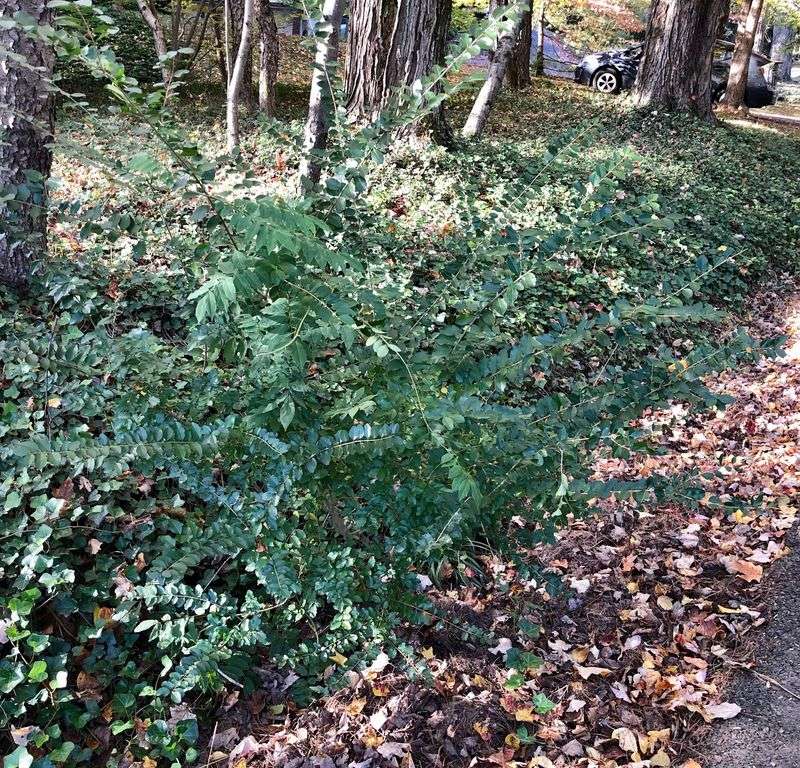
Cleared ground is not finished ground. Alabama Extension does not describe any single treatment as a guarantee, and its control guidance expects new seedlings and missed root or stump sprouts after intensive work.
Monitoring and spot treatment are part of the plan from the start.
Walk the treated area every few weeks during the growing season. Look along fence lines, under trees where birds perch, and around old stumps.
Pull small seedlings by hand when the soil is moist, and spot-treat regrowth with a method that suits the plant and site.
Seed in the soil reportedly lasts about a year. That does not mean a site stays seed-free after that time, because birds and other wildlife can drop fresh seed, and floodwater can carry it in.
A clean yard next spring can still grow privet next summer.
Keeping notes helps. A few dates and photos show whether your shoots are fading or coming back strong, and they tell you where to look first on the next visit.
Privet control is less like a single battle than like mowing a lawn: the work is small, steady, and never quite finished.
Share this story