Get the latest garden guides in your inbox →
Gardening Latest
  • General Gardening
  • Lawn Care
  • Plant Care
  • Composting
  • Soil Health
  • Backyard
  • Garden Muse Magazine
  • General Gardening
  • Lawn Care
  • Plant Care
  • Composting
  • Soil Health
  • Backyard
  • Garden Muse Magazine
  • News
  • Gardening Calendar
  • Garden Structures
  • Vegetable Garden
  • Vertical Garden
  • Raised Beds
  • Hydroponics
  • General Equipment
  • Community Gardens
Garden Themes
  • Spiritual Garden
  • Hydroseeding
  • Seeding and Laying Sod
  • Artificial Grass
  • Lawn Care Equipment
  • Plants
  • Trees
  • Planting Tools
  • Composting Basics
  • Fertilizer
  • Alternative Growing Mediums
  • Front Yard
  • Backyard Activities
  • Landscaping
Gardening Latest

Explore by state

Which state is your garden in?

Currently viewing Alabama

All states

Northeast

  • Connecticut —
  • Delaware 25
  • Maine —
  • Maryland 11
  • Massachusetts 27
  • New Hampshire —
  • New Jersey 11
  • New York 20
  • Pennsylvania 20
  • Rhode Island —
  • Vermont —

Southeast

  • Alabama 11
  • Arkansas —
  • Florida 11
  • Georgia 11
  • Kentucky 25
  • Louisiana 10
  • Mississippi —
  • North Carolina 9
  • South Carolina 24
  • Tennessee 8
  • Virginia 10
  • West Virginia —

Midwest

  • Illinois 10
  • Indiana 12
  • Iowa 24
  • Kansas —
  • Michigan 11
  • Minnesota 10
  • Missouri 10
  • Nebraska —
  • North Dakota —
  • Ohio 11
  • South Dakota —
  • Wisconsin 25

Southwest

  • Arizona 10
  • Colorado —
  • Nevada —
  • New Mexico —
  • Oklahoma —
  • Texas 9
  • Utah —

West

  • Alaska —
  • California 10
  • Hawaii —
  • Idaho —
  • Montana —
  • Oregon —
  • Washington —
  • Wyoming —

No state matches that search.

Site menu

Gardening Latest
  • General Gardening
    • News
    • Gardening Calendar
    • Garden Structures
    • Vegetable Garden
    • Vertical Garden
    • Raised Beds
    • Hydroponics
    • General Equipment
    • Community Gardens
    Garden Themes
    • Spiritual Garden
  • Lawn Care
    • Hydroseeding
    • Seeding and Laying Sod
    • Artificial Grass
    • Lawn Care Equipment
  • Plant Care
    • Plants
    • Trees
    • Planting Tools
  • Composting
    • Composting Basics
  • Soil Health
    • Fertilizer
    • Alternative Growing Mediums
  • Backyard
    • Front Yard
    • Backyard Activities
    • Landscaping
  • Garden Muse Magazine

Explore

  • About GardeningLatest.com
  • Contact Us

Get the latest from the garden

New guides on lawn care, plants and backyard projects, sent when they go up.

Subscribe →

Follow

  • Facebook
  • X
  • Pinterest
  • YouTube
Alabama Gardening

Alabama’s Southern Short-Tailed Shrew: A Tiny, Seldom-Seen Mammal With Possibly Venomous Saliva

Somewhere in Alabama's leaf litter, a mammal about the size of a large mouse may be hunting after dark.

LT

By Loretta Tate

November 24, 2026 · 6 min read

Alabama’s Southern Short-Tailed Shrew: A Tiny, Seldom-Seen Mammal With Possibly Venomous Saliva
Alabama's Southern Short-Tailed Shrew: A Tiny, Seldom-Seen Mammal With Possibly Venomous Saliva

Somewhere in Alabama’s leaf litter, a mammal about the size of a large mouse may be hunting after dark. The southern short-tailed shrew is small, quiet, and rarely talked about.

Wildlife officials say its saliva is mildly venomous, but scientists are still sorting out how well that claim is backed up. Here is what we know, what we do not, and how to treat wildlife with sensible caution.

At a glance

Where
Alabama Gardening
Hardiness zone
8 10 to 20°F
Read
6 minutes
Published
November 24, 2026

A plausible answer: the southern short-tailed shrew
A plausible answer: the southern short-tailed shrew
© Animalia

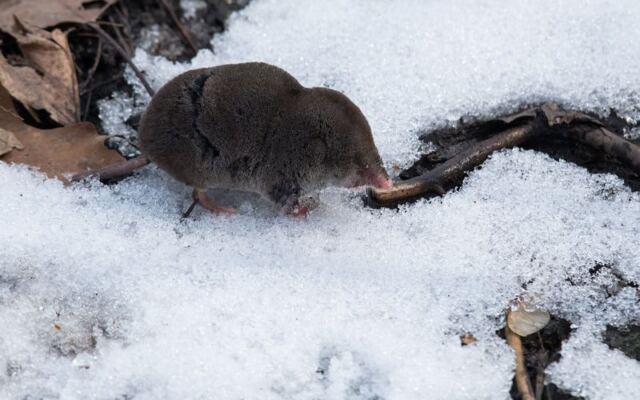
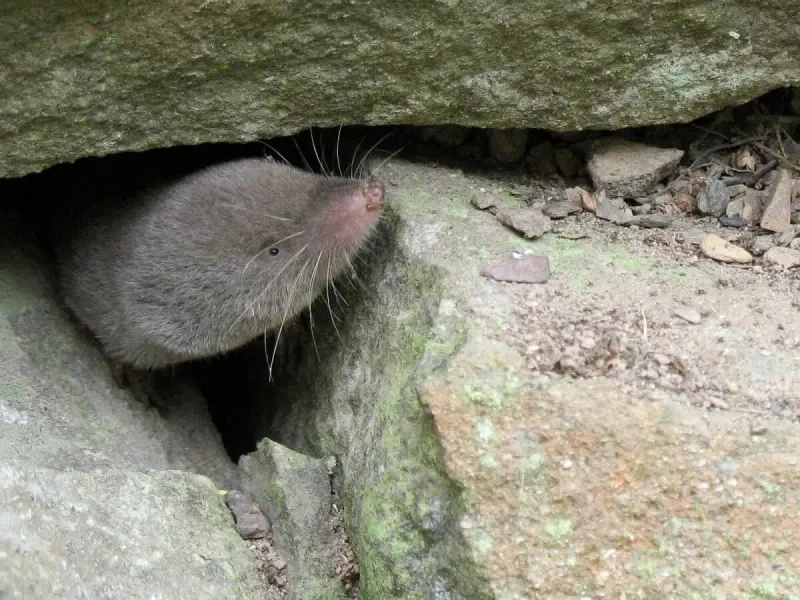
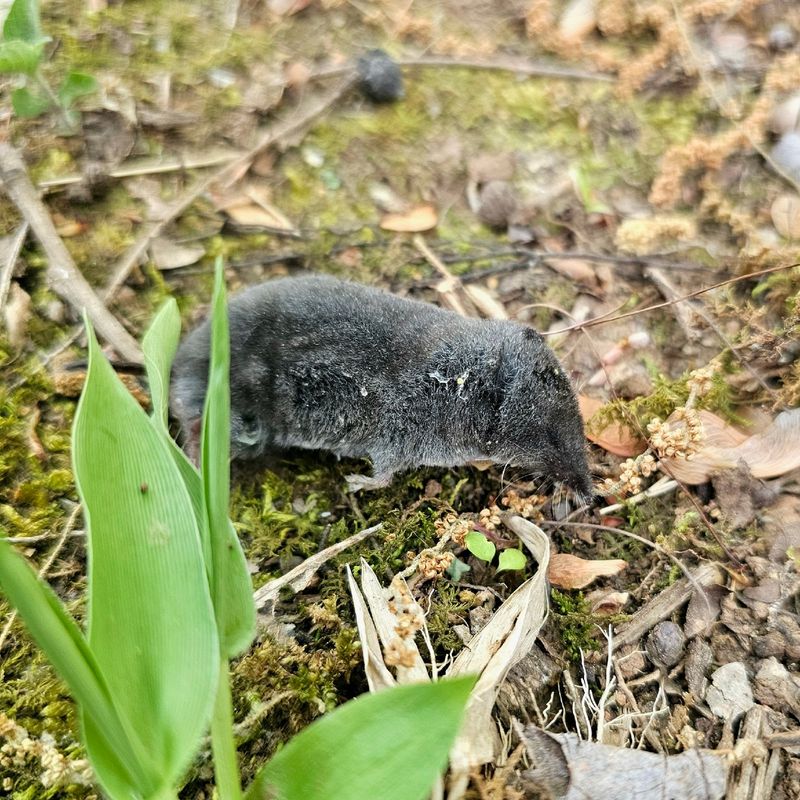
If you go looking for the animal behind this headline, the southern short-tailed shrew (Blarina carolinensis) is a plausible match. It is a small mammal found in Alabama, and the state wildlife agency describes it as elusive.

No one has confirmed that it is the exact animal the headline had in mind, so think of it as a good candidate.

According to Alabama’s species account, this shrew measures about 2.8 to 4.2 inches long. Its listed weight is 0.5 to 1.0 ounces.

That is lighter than a few coins in your pocket, but the range reaches a full ounce.

That detail matters because the headline says it weighs less than an ounce. Some individuals may fall under that mark, but the listed range tops out at 1.0 ounce, so a strict claim of less than an ounce does not hold up.

The headline also says most gardeners never notice this animal. Nobody appears to have measured that.

We do not have surveys of gardener awareness or counts of how often people run into it, so the safer wording is that it may be seldom seen.

Why it may be seldom seen
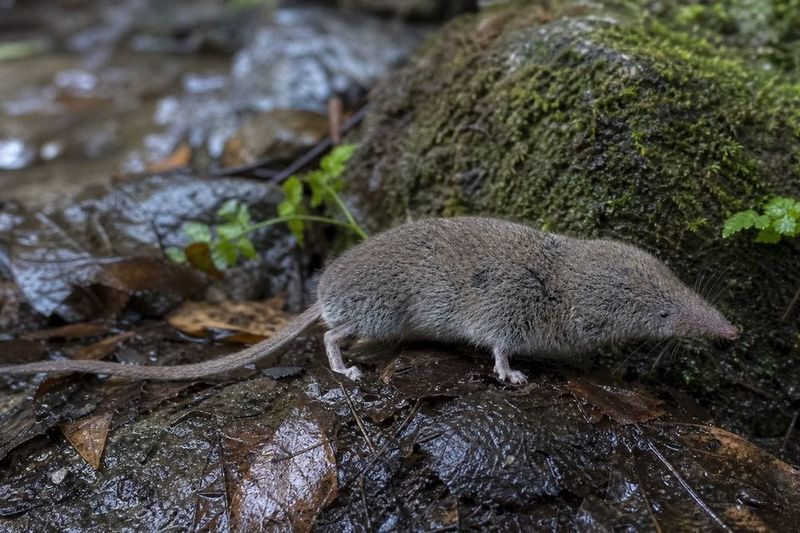
Why it may be seldom seen
© Outforia

Timing is a big part of the story. The southern short-tailed shrew is primarily nocturnal, so it does most of its moving around while people are indoors.

Add its small size and its habit of staying low and hidden, and a casual glance at the yard rarely turns one up.

Scientists studying the northern short-tailed shrew, Blarina brevicauda, identified a toxic protein in its salivary glands.

The state agency also says little is known about this species in Alabama. When even wildlife biologists describe a animal as poorly known locally, it is easy to see why homeowners seldom hear about it.

A study of shrews on the Cumberland Plateau, an Auburn University thesis on shrew distribution, is one example of the research that has looked at these animals in the state.

As for where it lives, Alabama’s wildlife agency reports that the species is found statewide except in the northeast. That is a broad description of its range, not a promise that one lives in your yard.

Habitat, soil, and cover all matter.

So the careful takeaway is modest. The animal may be seldom seen because of its nocturnal habits and the limited research on it.

Nobody has measured how often people actually cross paths with it.

A shrew is not a rodent
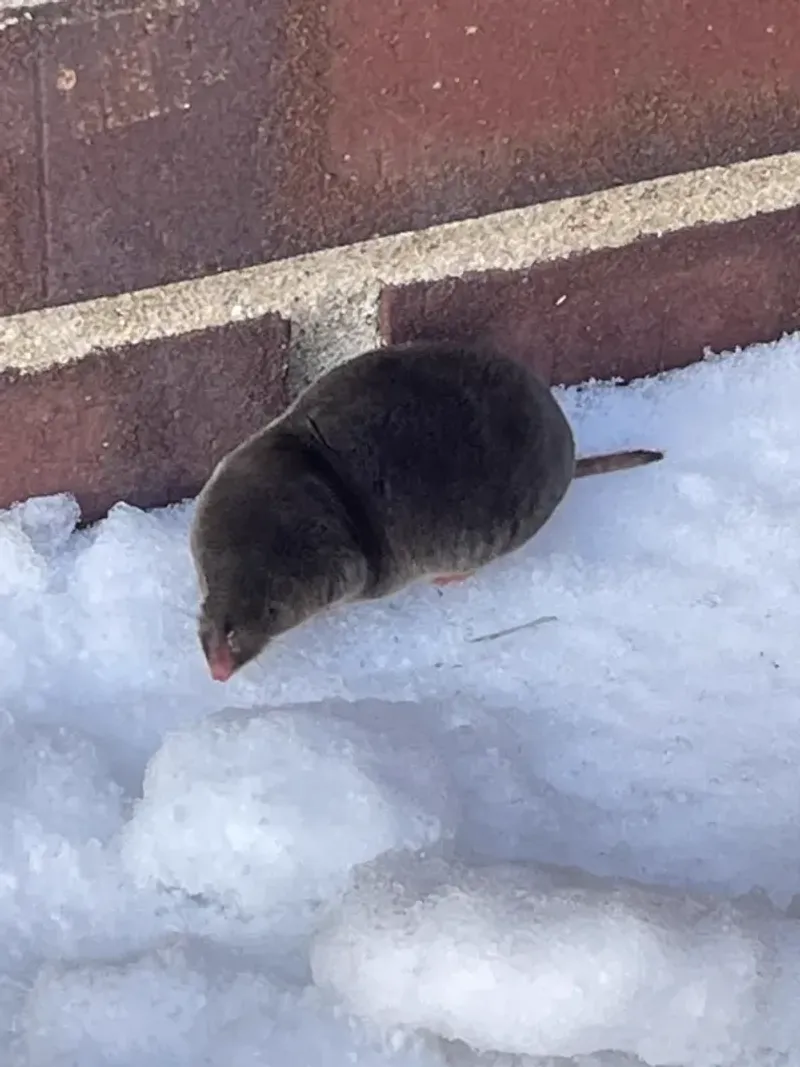
A shrew is not a rodent
© Better Termite

Many people call any tiny, whiskered creature a mouse, but shrews belong to a different group. They are not rodents.

A shrew has a long, pointed snout and very small eyes, while a mouse has a blunter face and large gnawing front teeth.

What a shrew eats also sets it apart. Alabama’s account says the southern short-tailed shrew eats insects and other invertebrates, among other foods.

Think beetles, worms, and similar small creatures found in soil and leaf litter.

Research on shrews in the state, such as the Auburn thesis on Alabama shrews, helps place these animals in the ecology of the region. The group’s name for this type of mammal, insectivores, comes from that kind of diet.

Knowing what a shrew eats is one thing, and knowing what it does for your garden is another. The sources here describe the diet, not any measured benefit to gardens or any effect on pest numbers.

So it is best to enjoy the facts without turning the shrew into a garden helper.

What Alabama says about the shrew’s saliva
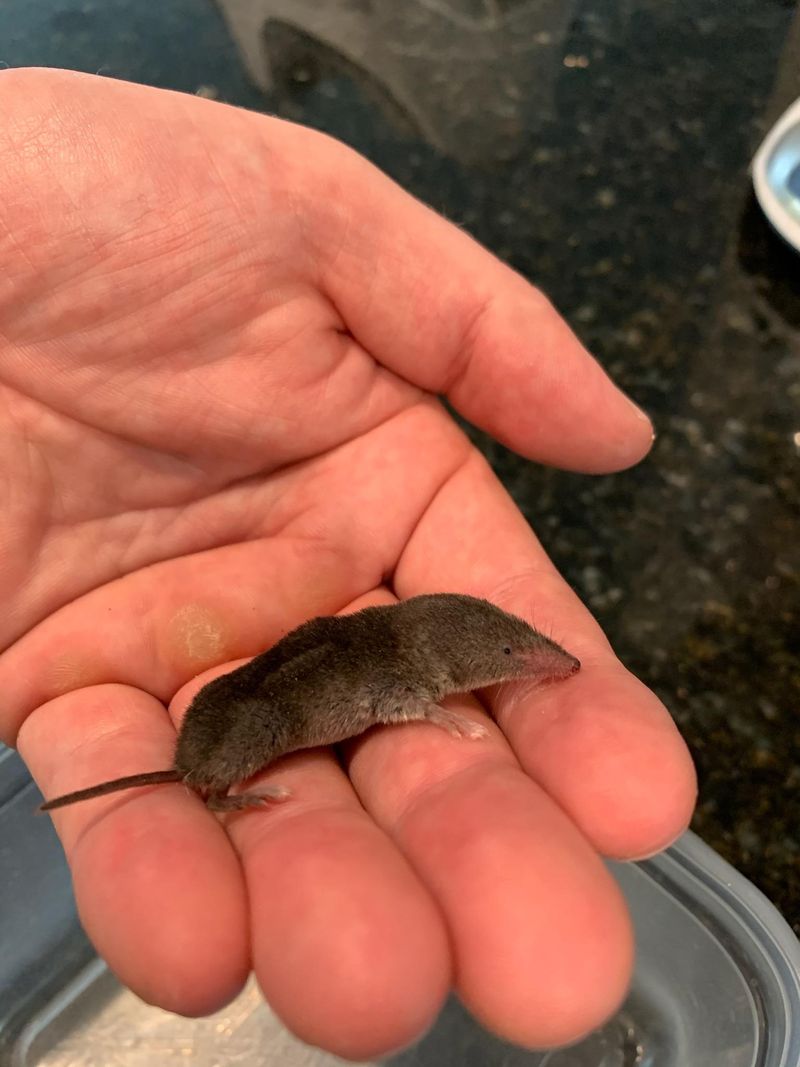
What Alabama says about the shrew’s saliva
© Reddit

Here is where the headline’s boldest word comes in. Alabama’s wildlife agency states that the southern short-tailed shrew has mildly venomous saliva, which it uses on prey.

The agency also says this is not a danger to humans, so there is no reason to picture this animal as a threat.

It helps to read that as the agency’s account of the animal. The statement comes from the state species description, and it is not the same as a lab result for this particular species.

The University of Michigan’s Animal Diversity Web entry takes a more cautious position. It describes venom in Blarina carolinensis as suspected and says a test for its presence had not been performed.

Put those two accounts together and the fair summary is this: Alabama says the saliva is mildly venomous, while another respected source says it is still only suspected. Either way, the shrew would be using it on small prey, delivered by a bite, which is different from being poisonous to touch or eat.

Research on its northern relative does not settle the question
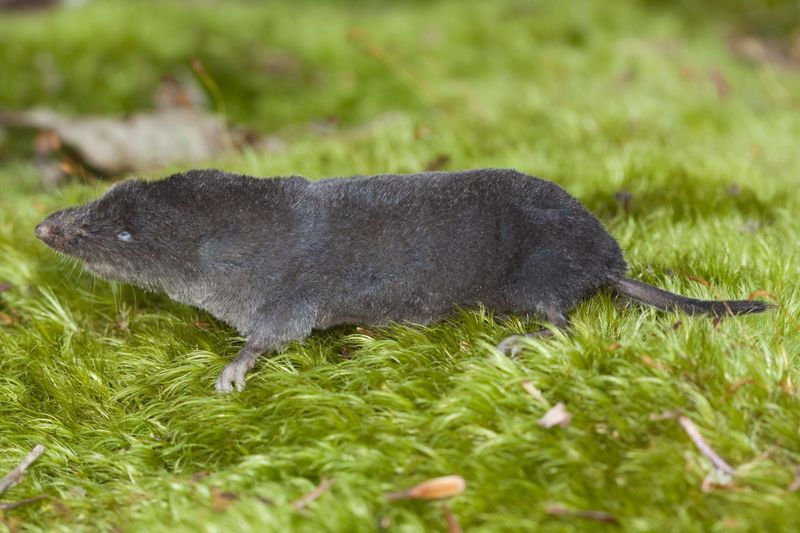
Research on its northern relative does not settle the question
© Life’s Emergency Training

The strongest venom research comes from a close cousin. Scientists studying the northern short-tailed shrew, Blarina brevicauda, identified a toxic protein in its salivary glands.

In a peer-reviewed study of the toxin, they also tested its effects in mice.

That is real, experimental evidence, but it describes the northern species. A result in one animal does not automatically carry over to another, even when the two are closely related and share a genus name.

Related species can differ in what they make and how much.

This is why the southern shrew’s status remains open. The Animal Diversity Web account says venom in B. carolinensis is suspected and that a test for it had not been performed.

A practical way to hold both ideas: the northern shrew research makes the southern claim plausible, and the state agency states it directly, but a species-specific test would be needed to call it settled.

Keep your distance and respond carefully to a bite

Keep your distance and respond carefully to a bite
© Webvet

Whatever the final word on venom turns out to be, a wild shrew is not something to pick up. Even a small animal may bite when frightened, and handling it just to identify it is not worth the risk.

CDC guidance advises people to keep their distance from wildlife.

If you find one in a flowerbed, simply step back and let it move along. A quick photo from a few feet away is enough for most curious people.

If a bite or scratch does happen, wash the wound right away with warm, soapy water. Then seek medical advice as appropriate, and ask a healthcare provider whether rabies is a concern.

That advice applies to any wild animal and is not a sign that this one is especially dangerous. Alabama’s wildlife agency says the shrew’s saliva is not a danger to humans, so calm, basic care is the right level of response.

A small Alabama mammal, with a qualified headline
A small Alabama mammal, with a qualified headline
© Outforia

A fair version of the headline goes like this: the southern short-tailed shrew is a plausible match, its listed weight of 0.5 to 1.0 ounces reaches a full ounce, and its venom needs a qualifier. Alabama’s wildlife agency calls its saliva mildly venomous, while Animal Diversity Web calls venom in this species suspected.

It may be seldom seen, but not every yard has one and not every gardener misses it. Some mysteries are small enough to hide under a handful of leaves.

Share this story
LT

Written by

Loretta Tate

More from Loretta Tate →

About Gardening Latest

Gardening Latest provides in-depth guides to maintaining and enhancing your garden and backyard. Learn how to make the most of the space you have and create a beautiful garden.

More about us →

Latest stories

  • Missouri GardeningMissouri’s Venomous Critters Hide Closer Than You Think, And Fall Draws Them Into Yards

    Missouri’s Venomous Critters Hide Closer Than You Think, And Fall Draws Them Into Yards

    4 min ago
  • Tennessee GardeningWho Actually Pays After a Neighbor’s Tree Crashes Down on Your Tennessee Property

    Who Actually Pays After a Neighbor’s Tree Crashes Down on Your Tennessee Property

    10 min ago
  • Minnesota GardeningSpotting a Bald Eagle Near Your Minnesota Neighborhood in December Means More Than You Think

    Spotting a Bald Eagle Near Your Minnesota Neighborhood in December Means More Than You Think

    22 min ago
  • Illinois GardeningCopperheads, Timber Rattlesnakes, And Brown Recluses All Turn Up In Illinois Yards, So Here’s How To Tell Them Apart

    Copperheads, Timber Rattlesnakes, And Brown Recluses All Turn Up In Illinois Yards, So Here’s How To Tell Them Apart

    28 min ago
  • Louisiana GardeningFrom Cottonmouths To Brown Recluses, Here’s How To Identify The Venomous Creatures In Louisiana Yards

    From Cottonmouths To Brown Recluses, Here’s How To Identify The Venomous Creatures In Louisiana Yards

    34 min ago

Gardening by state

Stories for your state, and the hardiness zone most of it gardens in.

Keep exploring

Read next

All Alabama Gardening →
Alabama GardeningCoyotes Yipping and Howling Around Your Alabama Home at Night Are Telling You Something
Alabama Gardening

Coyotes Yipping and Howling Around Your Alabama Home at Night Are Telling You Something

2 hr ago
Alabama GardeningAlabama, Eat Celery Every Day And Here’s What Your Body Starts Doing
Alabama Gardening

Alabama, Eat Celery Every Day And Here’s What Your Body Starts Doing

6 hr ago
Alabama GardeningThat Hopping Bug In Your Alabama Basement May Be A Camel Cricket, A Cricket And Not A Spider
Alabama Gardening

That Hopping Bug In Your Alabama Basement May Be A Camel Cricket, A Cricket And Not A Spider

9 hr ago

More from Alabama Gardening

  • What Floodwater May Leave Behind in Alabama Vegetable Beds and How to Assess It

    Nov 13
  • These Venomous Creatures Share Your Alabama Yard, And Here’s How To Recognize Each One

    Nov 13
Back to top

Leave a response Cancel

Your email address stays private. Required fields are marked with an asterisk.

Gardening Latest

In-depth guides to maintaining and enhancing your garden and backyard: how to make the most of the space you have, and how to make it beautiful.

  • Facebook
  • X
  • Pinterest
  • YouTube

We may earn a portion of sales from products or services that are purchased through our site as part of our affiliate partnerships with retailers.

Explore

  • About GardeningLatest.com
  • Contact Us
  • Terms and Conditions
  • Privacy
  • Editorial Note:
  • FTC Disclosure

Newsletter

New garden guides and seasonal tips, straight to your inbox.

We’ll email you a link to confirm. Unsubscribe any time.

Almost there! Check your inbox and tap the link to confirm.

© 2026 Gardening Latest. All rights reserved.

Back to top