Winter is a great time to finally tackle that messy garage, but the dusty corners might be hiding more than old paint cans. Many Indiana spiders and insects tuck their eggs into quiet garage spots in the fall, and those eggs wait patiently for spring.
Some belong to helpful critters, while a few come from spiders you really want to handle with care. Knowing what you are looking at can save you a nasty surprise and help you decide what stays and what goes.
1. Brown Recluse Egg Sacs
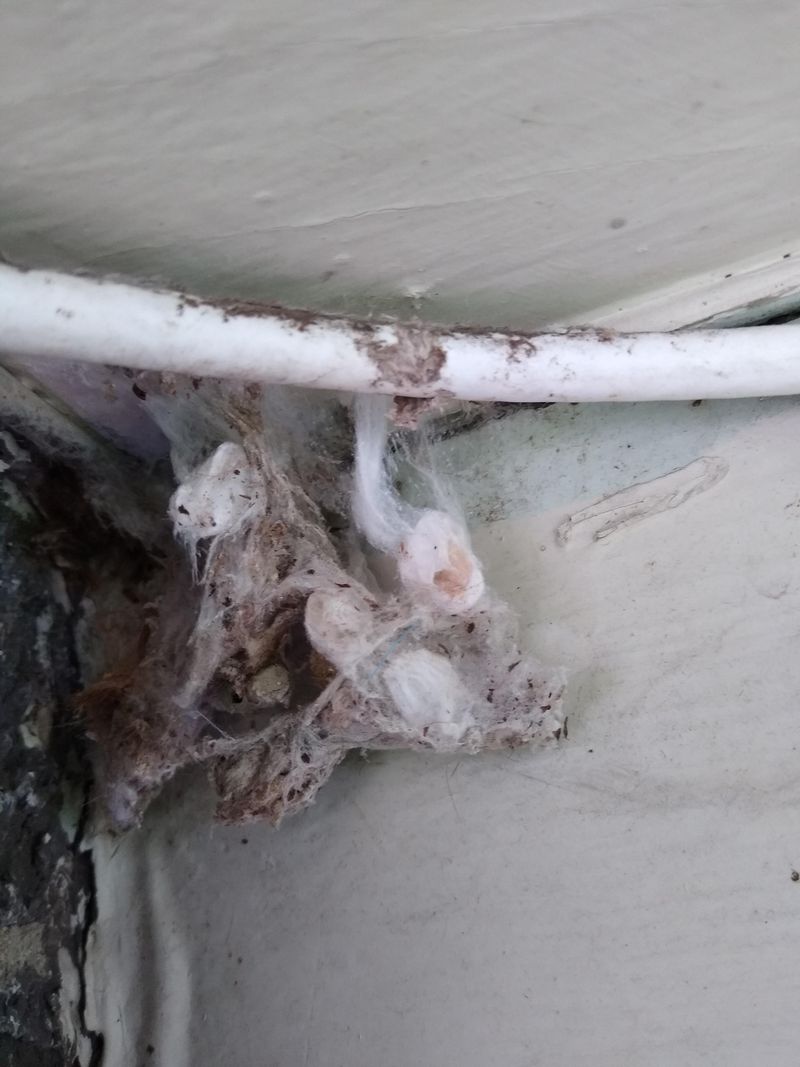
Southern Indiana homeowners know the name, and for good reason. Brown recluse spiders love undisturbed cardboard boxes, stacked lumber, and the gap behind shelving units.
Their egg sacs are off-white, roughly half an inch wide, and look a bit like a flattened cotton ball with a loose, messy web around it. A single sac can hold around 40 to 50 eggs, and a female may make several in one season.
Wear thick gloves when you reach into old boxes, and shake out anything you pick up. If you find sacs, vacuum them up, then seal the vacuum bag in plastic and toss it outside right away.
2. Black Widow Egg Sacs
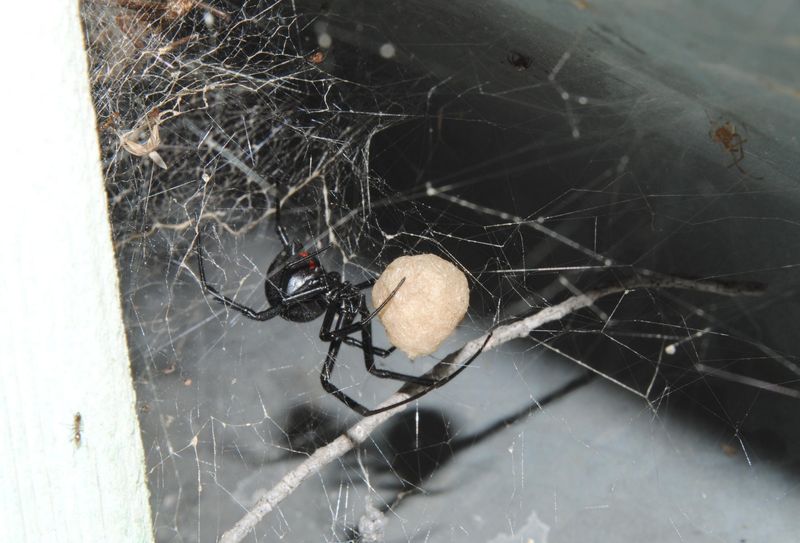
Picture a tiny paper lantern hanging in a tangle of sticky web. That is what a black widow egg sac usually looks like, tan to pale yellow and about the size of a pea.
Northern and southern black widows both live in Indiana, and garages give them exactly what they crave: dark, dry spots under workbenches, behind tool chests, and inside the frames of old lawn equipment. The webs feel strong and messy, almost like fishing line when you brush them.
Here is a fun bit of trivia: one sac can hold several hundred eggs, but the spiderlings often eat each other before leaving. Still, do not count on that.
Remove sacs carefully with a long tool and never use bare hands.
3. American House Spider Egg Sacs
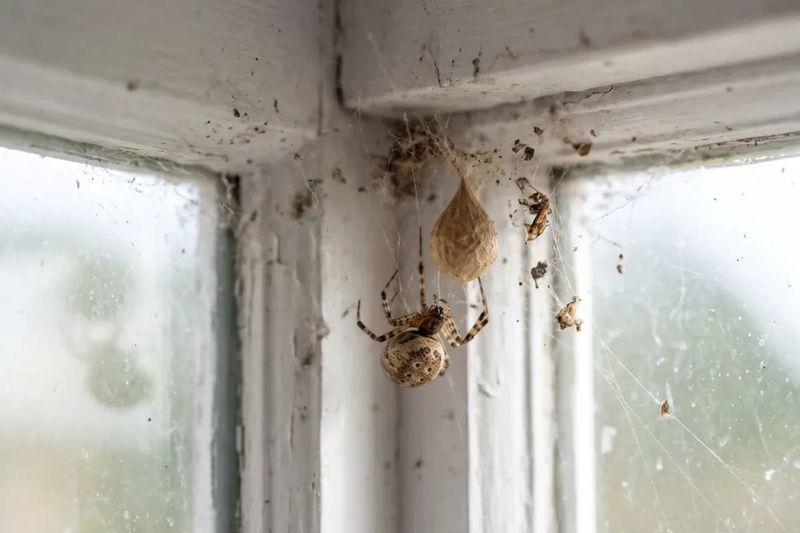
If your garage has a classic cobweb in every corner, odds are you have met the American house spider. These are the most common spiders in Indiana garages, and they are mostly harmless.
Their egg sacs are brown, pear or teardrop shaped, and hang right in the web like tiny ornaments. A busy female may leave a whole cluster of them hanging in a window corner.
Many people confuse these with black widow sacs, so look at the shape. Teardrop and brown usually means house spider, while round and pale often points to a widow.
4. Wolf Spider Egg Sacs
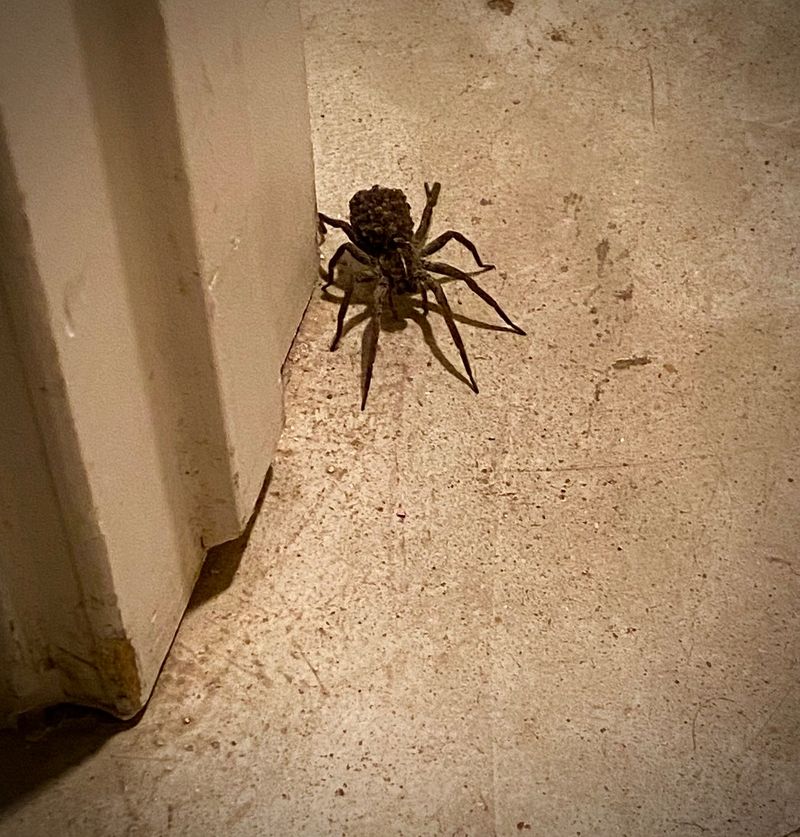
Ever seen a big, hairy spider dragging a white ball across the garage floor? Meet the wolf spider, one of the most devoted moms in the bug world.
Unlike other spiders, wolf spiders do not hide their eggs in webs. The female carries her round sac attached to her back end, and after the babies hatch, they ride on her back for days.
So you will not usually find these sacs sitting in a corner. You might, however, find the mom tucked under boxes or along the base of the wall.
Wolf spiders eat pests, so many folks simply scoop them into a jar and release them outdoors.
5. Yellow Sac Spider Egg Sacs
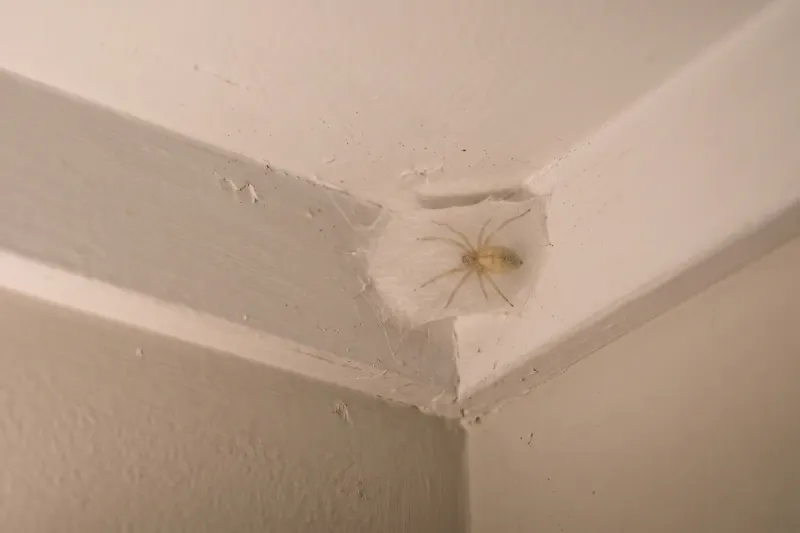
Small, pale, and sneaky, the yellow sac spider is easy to overlook. It does not build a regular web at all.
Instead, it spins a little white silk pouch in ceiling corners, folds of tarps, or the creases of garden gloves. Eggs go inside a flattened, papery sac inside that pouch, usually tucked out of sight.
Their bite is uncomfortable but rarely serious. Even so, those gloves hanging on the wall deserve a good shake before you slip your hands into them this winter.
6. Cellar Spider Egg Clusters
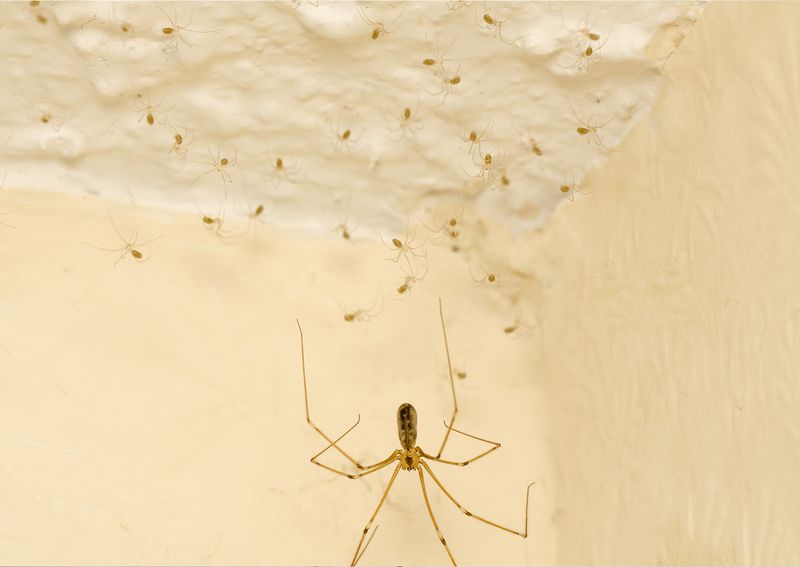
My grandpa called them daddy longlegs and refused to kill a single one. Turns out he was onto something, since cellar spiders happily hunt other spiders, including widows.
Their eggs barely look like eggs. The female wraps a small clump in a few strands of silk and carries it in her jaws, so you will spot a tiny bead cluster near her face.
Cellar spiders live in floppy, messy webs high in the rafters. Leaving a few around can actually help keep the scarier spiders in check, so think twice before sweeping them all away.
7. Praying Mantis Egg Cases
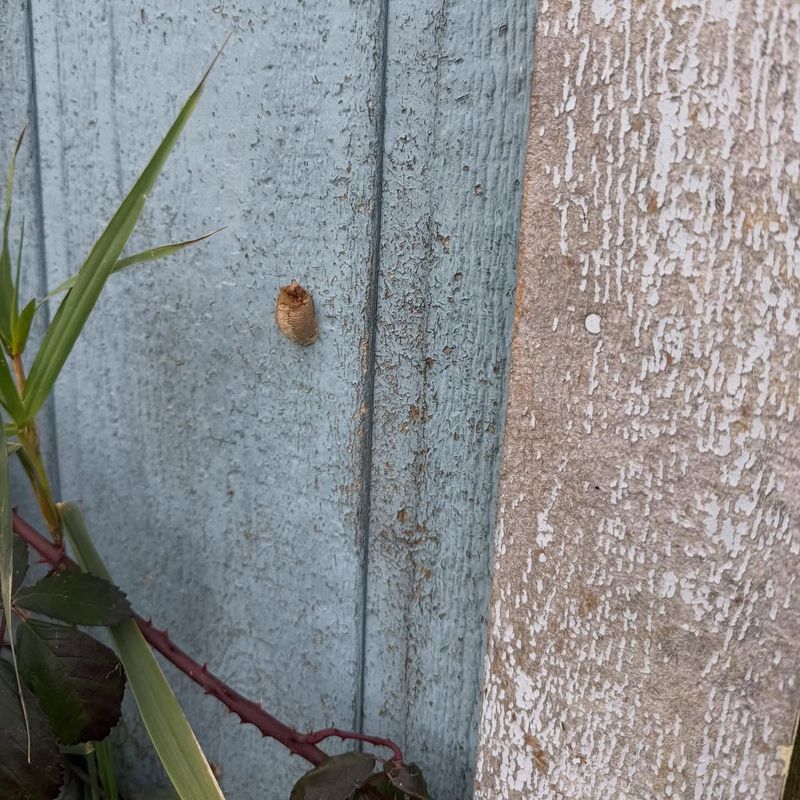
Not every lump in the corner belongs to a spider. A tan, foamy looking blob stuck to a shelf, rake handle, or window frame may be a praying mantis egg case, called an ootheca.
Mantises lay these in fall, and each case can hold 100 to 300 eggs. In a heated garage they might hatch too early, while outside they wait for spring like nature intended.
Good news for gardeners: young mantises gobble up aphids and other pests. Gently cut the twig or carefully pry the case loose and tie it to a shrub outdoors.
8. Spotted Lanternfly Egg Masses
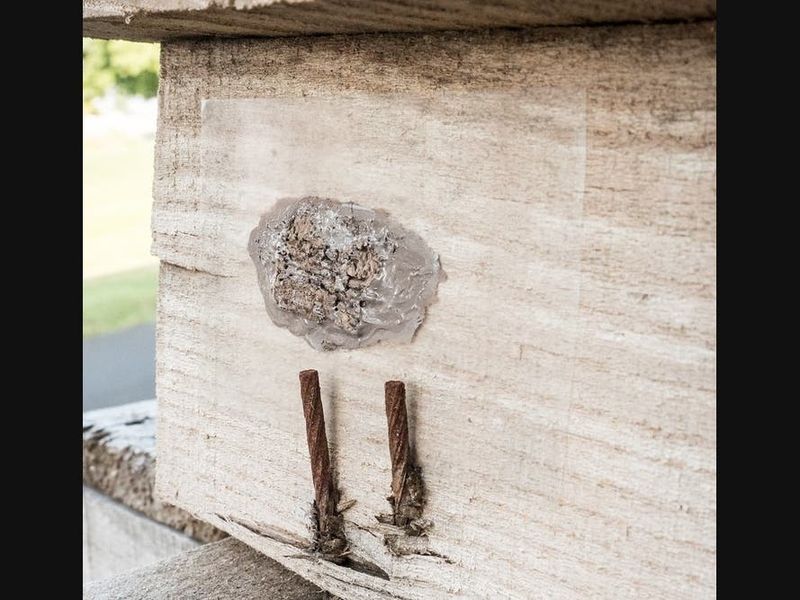
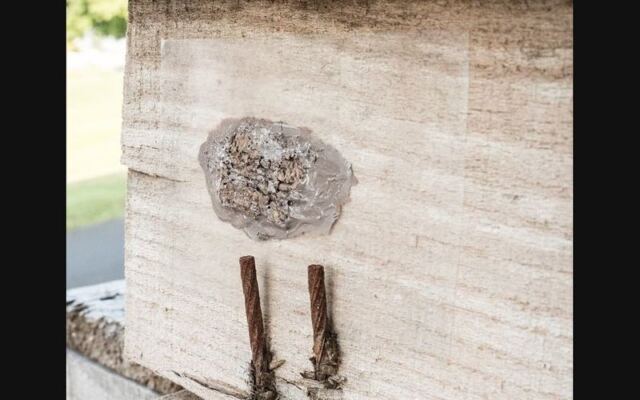
Indiana officials want to hear from you about this one. Spotted lanternflies, an invasive pest first found in the state in 2021, lay egg masses that look like smears of gray mud or cracked putty.
They stick them on nearly anything left outside in fall, such as patio furniture, firewood, grills, and trailers. When those items get moved into the garage, the eggs come along for the ride.
Scrape any masses into a bag of rubbing alcohol to kill them. Then report the find to the Indiana Department of Natural Resources so they can track the spread.
Share this story