Get the latest garden guides in your inbox →
Gardening Latest
  • General Gardening
  • Lawn Care
  • Plant Care
  • Composting
  • Soil Health
  • Backyard
  • Garden Muse Magazine
  • General Gardening
  • Lawn Care
  • Plant Care
  • Composting
  • Soil Health
  • Backyard
  • Garden Muse Magazine
  • News
  • Gardening Calendar
  • Garden Structures
  • Vegetable Garden
  • Vertical Garden
  • Raised Beds
  • Hydroponics
  • General Equipment
  • Community Gardens
Garden Themes
  • Spiritual Garden
  • Hydroseeding
  • Seeding and Laying Sod
  • Artificial Grass
  • Lawn Care Equipment
  • Plants
  • Trees
  • Planting Tools
  • Composting Basics
  • Fertilizer
  • Alternative Growing Mediums
  • Front Yard
  • Backyard Activities
  • Landscaping
Gardening Latest

Explore by state

Which state is your garden in?

Currently viewing Maryland

All states

Northeast

  • Connecticut —
  • Delaware 28
  • Maine —
  • Maryland 14
  • Massachusetts 31
  • New Hampshire —
  • New Jersey 15
  • New York 24
  • Pennsylvania 24
  • Rhode Island —
  • Vermont —

Southeast

  • Alabama 14
  • Arkansas —
  • Florida 14
  • Georgia 15
  • Kentucky 28
  • Louisiana 13
  • Mississippi —
  • North Carolina 13
  • South Carolina 27
  • Tennessee 11
  • Virginia 13
  • West Virginia —

Midwest

  • Illinois 13
  • Indiana 16
  • Iowa 27
  • Kansas —
  • Michigan 15
  • Minnesota 13
  • Missouri 13
  • Nebraska —
  • North Dakota —
  • Ohio 15
  • South Dakota —
  • Wisconsin 29

Southwest

  • Arizona 14
  • Colorado —
  • Nevada —
  • New Mexico —
  • Oklahoma —
  • Texas 13
  • Utah —

West

  • Alaska —
  • California 14
  • Hawaii —
  • Idaho —
  • Montana —
  • Oregon —
  • Washington —
  • Wyoming —

No state matches that search.

Site menu

Gardening Latest
  • General Gardening
    • News
    • Gardening Calendar
    • Garden Structures
    • Vegetable Garden
    • Vertical Garden
    • Raised Beds
    • Hydroponics
    • General Equipment
    • Community Gardens
    Garden Themes
    • Spiritual Garden
  • Lawn Care
    • Hydroseeding
    • Seeding and Laying Sod
    • Artificial Grass
    • Lawn Care Equipment
  • Plant Care
    • Plants
    • Trees
    • Planting Tools
  • Composting
    • Composting Basics
  • Soil Health
    • Fertilizer
    • Alternative Growing Mediums
  • Backyard
    • Front Yard
    • Backyard Activities
    • Landscaping
  • Garden Muse Magazine

Explore

  • About GardeningLatest.com
  • Contact Us

Get the latest from the garden

New guides on lawn care, plants and backyard projects, sent when they go up.

Subscribe →

Follow

  • Facebook
  • X
  • Pinterest
  • YouTube
Maryland Gardening

Before You Reach Into A Maryland Flower Bed, Learn To Recognize These Venomous Creatures

Maryland gardens look peaceful, but a few hidden residents can deliver a painful surprise.

GC

By Grace Calvert

November 24, 2026 · 5 min read

Before You Reach Into A Maryland Flower Bed, Learn To Recognize These Venomous Creatures

Maryland gardens look peaceful, but a few hidden residents can deliver a painful surprise. Under mulch, behind leaves, and inside flower pots, some critters carry venom they use to defend themselves.

Knowing what they look like can save you from a nasty bite or sting. Here are seven to watch for before you start digging.

At a glance

Where
Maryland Gardening
Hardiness zone
7 0 to 10°F
Read
5 minutes
Published
November 24, 2026

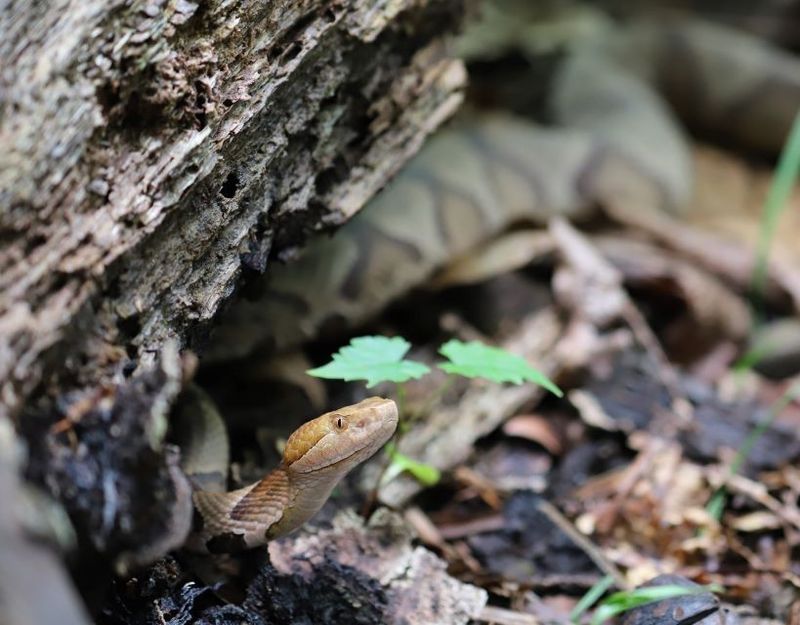
1. Northern Copperhead

Northern Copperhead
© Montgomery Parks

Picture a pile of fallen leaves in October, and you have pictured the perfect copperhead hiding spot. Its copper and tan hourglass bands blend into mulch so well that people often step right next to one without noticing.

That camouflage is why most Maryland snakebites come from this species.

Copperheads like to stay still rather than flee, which is bad news for gardeners reaching blindly into shrubs. Look for a thick body, a triangular head, and those hourglass shapes that are narrow along the spine and wide on the sides.

Young ones have a bright yellow tail tip they wiggle to lure frogs.

Bites are rarely deadly, but they hurt and swell badly, so medical care is a must. Wear gloves, use a rake to move leaves, and keep firewood stacked away from planting beds.

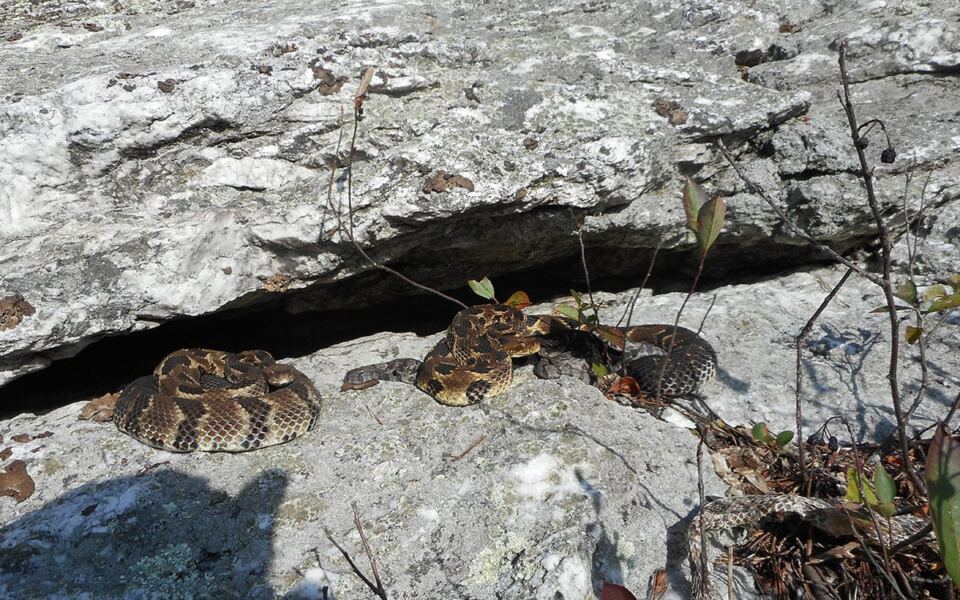
2. Timber Rattlesnake

Timber Rattlesnake
© Terrain.org

Few Maryland residents will ever meet a timber rattlesnake, and that makes an encounter all the more memorable. These heavy snakes live mostly in the rocky, forested hills of western Maryland, near places like Garrett and Allegany counties.

Homes built near wooded ridges can still get the occasional visitor.

Ask anyone who has touched one, and they will tell you the fuzzy puss caterpillar is among the most painful insects in North America.

You can spot one by its dark, zigzag chevron bands and a solid black tail ending in a rattle. They are calm by nature and usually rattle or stay frozen long before striking.

The real risk comes when someone reaches into a rock garden or tall plants without looking.

Timber rattlers are a protected species in Maryland, so never try to kill or move one yourself. Back away slowly and call wildlife officials if one settles in near your home.

3. Black Widow Spider

Black Widow Spider
© Courier & Press

Flip over an old flower pot in your shed, and you might find a glossy black spider hanging upside down in a messy web. That red hourglass on her belly is nature’s warning label.

Both the southern and northern black widow live in Maryland.

Widows love dark, quiet corners. Think under pot rims, inside irrigation boxes, beneath patio furniture, and in stacks of bricks.

They are shy and bite only when pressed against skin, like when you grab a pot without looking.

The venom affects nerves and can cause cramps, sweating, and stomach pain. Kids and older adults should get checked by a doctor quickly.

Fun fact: the stories about females always eating their mates are mostly exaggerated.

4. Saddleback Caterpillar
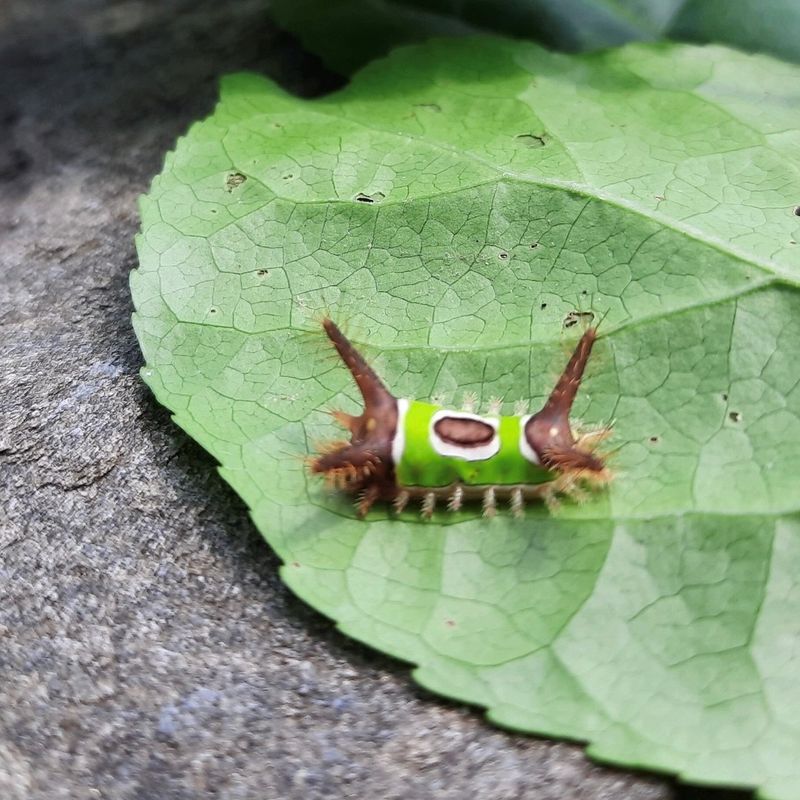
Saddleback Caterpillar
© nature_connecticut

It looks like a tiny cartoon wearing a green blanket with a brown saddle on top. Cute?

Sure. Harmless?

Absolutely not.

Saddleback caterpillars are covered in hollow spines that inject venom when brushed. Gardeners in Maryland tend to meet them in late summer while pruning roses, hollies, corn, or ornamental shrubs.

The sting burns, swells, and can leave a rash that lasts for days.

If you get stung, press clear tape on the spot and peel it off to pull out broken spines. Then wash with soap and water and apply ice.

Always check the undersides of leaves before you grab a branch barehanded.

5. Puss Caterpillar
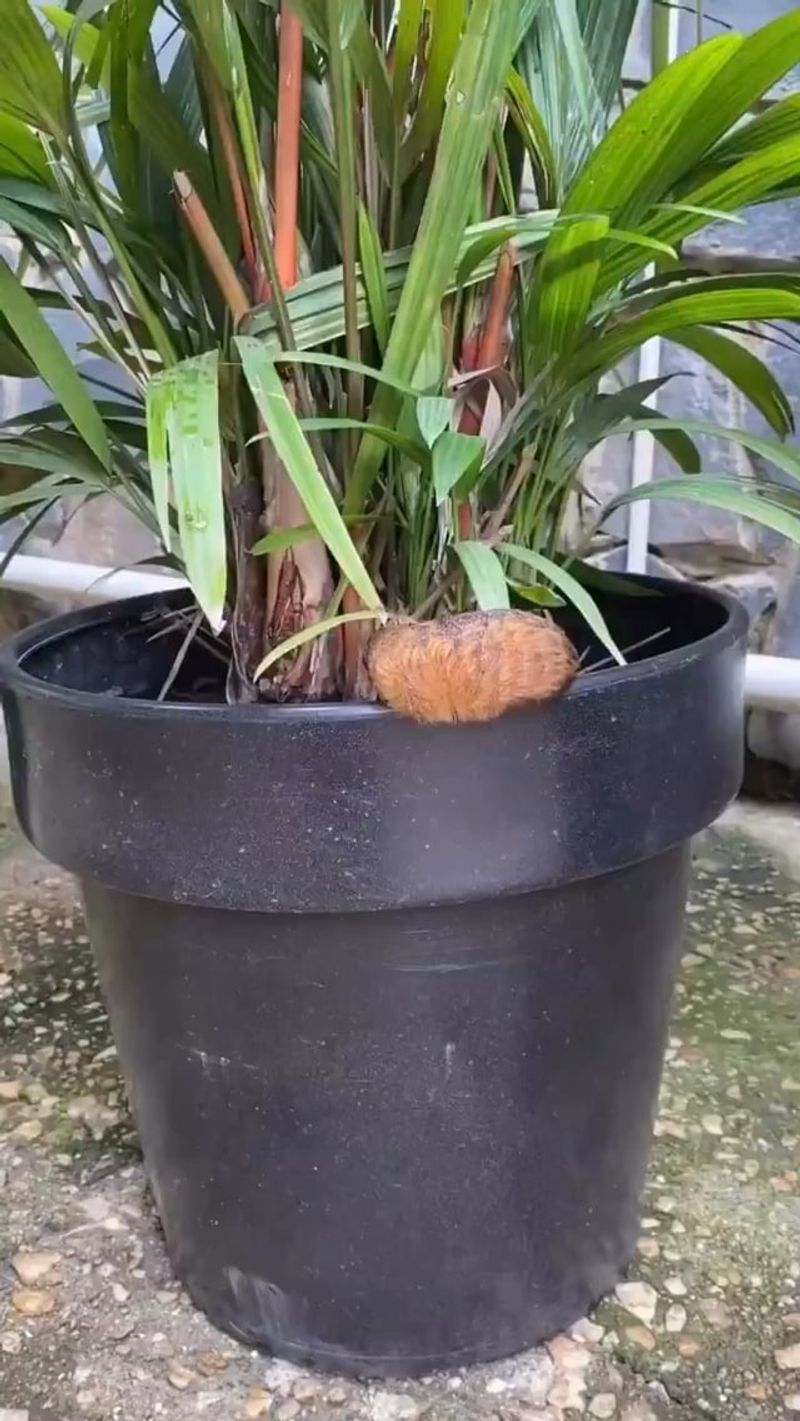
Puss Caterpillar
© Reddit

Ask anyone who has touched one, and they will tell you the fuzzy puss caterpillar is among the most painful insects in North America. Hidden under that soft-looking coat of tan hair are sharp venomous spines.

It resembles a little toupee crawling across a leaf.

Puss caterpillars, the larvae of the southern flannel moth, show up in Maryland mostly in the warmer southern and Eastern Shore regions. They feed on oaks, elms, and garden shrubs, and sometimes drop onto plants below.

The sting can cause throbbing pain that spreads up an arm, plus nausea in some people.

Children are often drawn to stroke them because they look like a stuffed toy. Teach little gardeners that fluffy does not mean friendly.

6. Eastern Yellowjacket
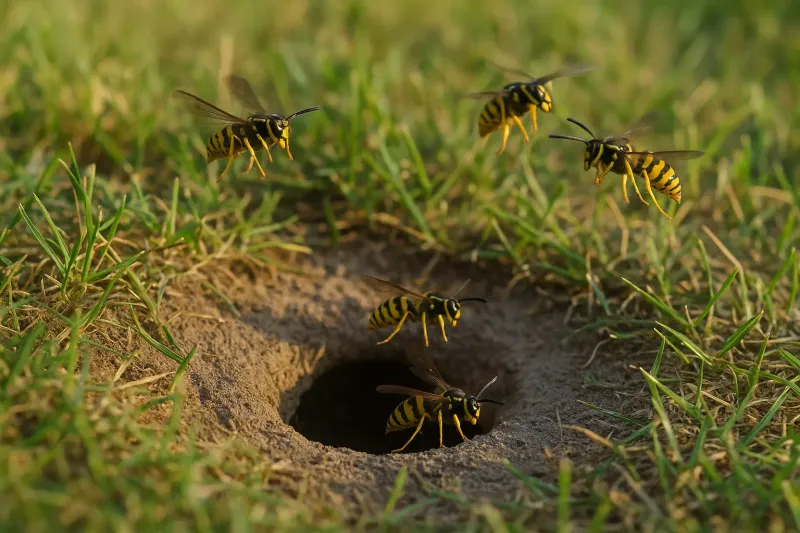
Eastern Yellowjacket
© Pest Me Off

One wrong pull on a weed, and suddenly the ground explodes with angry wasps. Eastern yellowjackets often build their nests underground, inside old rodent holes or loose mulch.

By August, a single colony can hold thousands of workers.

Unlike honeybees, yellowjackets can sting again and again. They defend their nest fiercely, so vibrations from a mower or trowel can trigger a full attack.

Watch for a steady stream of black and yellow insects flying in and out of one small hole.

Mark any nest you find and keep everyone away. For people with allergies, multiple stings can be a true emergency, so carry an epinephrine pen if your doctor prescribed one.

7. Velvet Ant
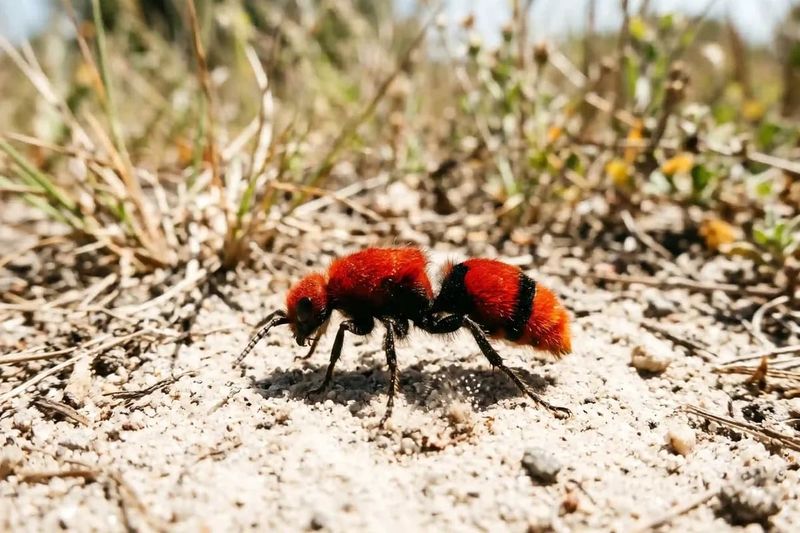
Velvet Ant
© Bug Identifier

Nicknamed the cow killer, this bright red and black fuzzball is actually a wingless female wasp, not an ant at all. Its nickname comes from the claim that its sting could take down a cow.

That part is a myth, but the pain is very real.

Velvet ants roam sunny, sandy patches of Maryland gardens during summer, searching for ground bee nests to lay eggs in. Their sting ranks among the worst on insect pain scales.

Their hard outer shell is so tough that even predators struggle to crush them.

Barefoot walks through dry garden beds are how most people meet one. Wear shoes outdoors, and let these flashy insects pass by on their own.

They have zero interest in you unless grabbed.

Share this story

GC

Written by

Grace Calvert

More from Grace Calvert →

About Gardening Latest

Gardening Latest provides in-depth guides to maintaining and enhancing your garden and backyard. Learn how to make the most of the space you have and create a beautiful garden.

More about us →

Latest stories

  • New Jersey GardeningHere’s How New Jersey Gardeners Should Treat a Saddleback Caterpillar Sting the Moment It Happens

    Here’s How New Jersey Gardeners Should Treat a Saddleback Caterpillar Sting the Moment It Happens

    4 min ago
  • North Carolina GardeningCoyotes Are Howling Outside North Carolina Homes After Dark This Season, and There’s a Reason

    Coyotes Are Howling Outside North Carolina Homes After Dark This Season, and There’s a Reason

    10 min ago
  • Michigan GardeningRed Foxes Get Busier in Michigan Yards During Winter, and Here’s What They’re Actually Doing

    Red Foxes Get Busier in Michigan Yards During Winter, and Here’s What They’re Actually Doing

    15 min ago
  • Massachusetts GardeningAn Opossum Near Your Massachusetts Home in Winter Has a Reason, and Here’s What to Do

    An Opossum Near Your Massachusetts Home in Winter Has a Reason, and Here’s What to Do

    20 min ago
  • California GardeningHearing Coyotes Yip and Howl Around Your California Home After Dark? The Season Explains a Lot

    Hearing Coyotes Yip and Howl Around Your California Home After Dark? The Season Explains a Lot

    25 min ago

Gardening by state

Stories for your state, and the hardiness zone most of it gardens in.

Keep exploring

Read next

All Maryland Gardening →
Maryland GardeningWhy Coyotes Sound So Close to Your Maryland Home at Night Right Now, and What the Howling Means
Maryland Gardening

Why Coyotes Sound So Close to Your Maryland Home at Night Right Now, and What the Howling Means

5 hr ago
Maryland GardeningMake Celery A Daily Snack In Maryland And Here’s What Happens To Your Body
Maryland Gardening

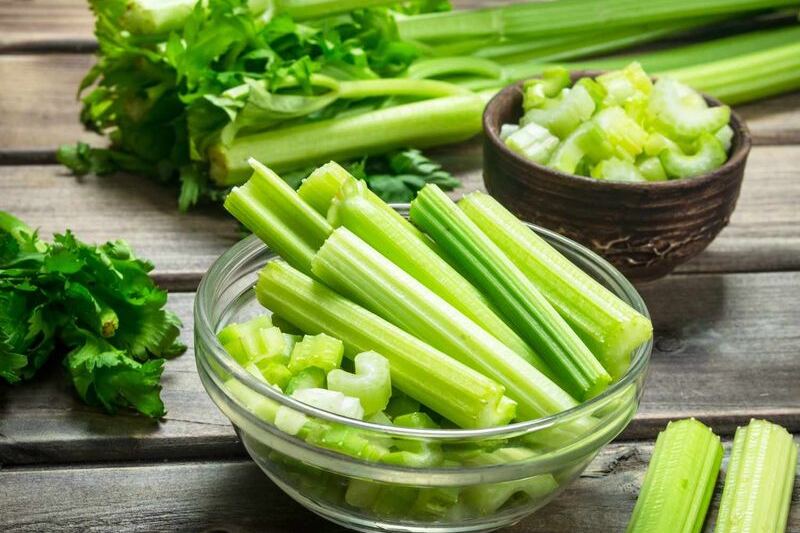
Make Celery A Daily Snack In Maryland And Here’s What Happens To Your Body

8 hr ago
Maryland GardeningThe Hammer-Headed Worm Showing Up In Maryland Gardens Carries The Same Toxin As Pufferfish
Maryland Gardening

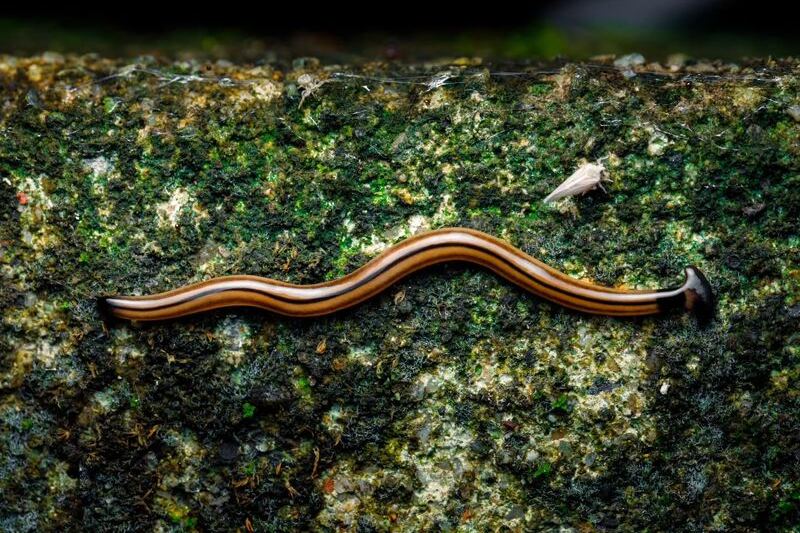
The Hammer-Headed Worm Showing Up In Maryland Gardens Carries The Same Toxin As Pufferfish

23 hr ago

More from Maryland Gardening

  • The Simple Sealing Fix Maryland Homeowners Use To Stop Stink Bugs Moving In For Winter

    Nov 22
  • Those Tiny Brown Pouches Dangling From Maryland Junipers Are Packed With Hidden Eggs

    Nov 22
Back to top

Leave a response Cancel

Your email address stays private. Required fields are marked with an asterisk.

Gardening Latest

In-depth guides to maintaining and enhancing your garden and backyard: how to make the most of the space you have, and how to make it beautiful.

  • Facebook
  • X
  • Pinterest
  • YouTube

We may earn a portion of sales from products or services that are purchased through our site as part of our affiliate partnerships with retailers.

Explore

  • About GardeningLatest.com
  • Contact Us
  • Terms and Conditions
  • Privacy
  • Editorial Note:
  • FTC Disclosure

Newsletter

New garden guides and seasonal tips, straight to your inbox.

We’ll email you a link to confirm. Unsubscribe any time.

Almost there! Check your inbox and tap the link to confirm.

© 2026 Gardening Latest. All rights reserved.

Back to top