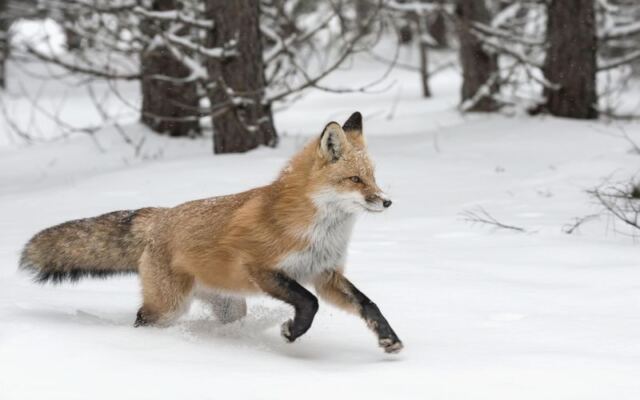
If a red fox crossed your Georgia yard this winter, mating season is a good first guess. January and February are the red fox breeding months in Georgia, and foxes can be easier to notice then.
Food, shelter, and other things can bring a fox through your yard too, and one sighting cannot tell you which reason applies. Here is how to read the clues and respond calmly and safely.
Why red foxes may be more visible in winter
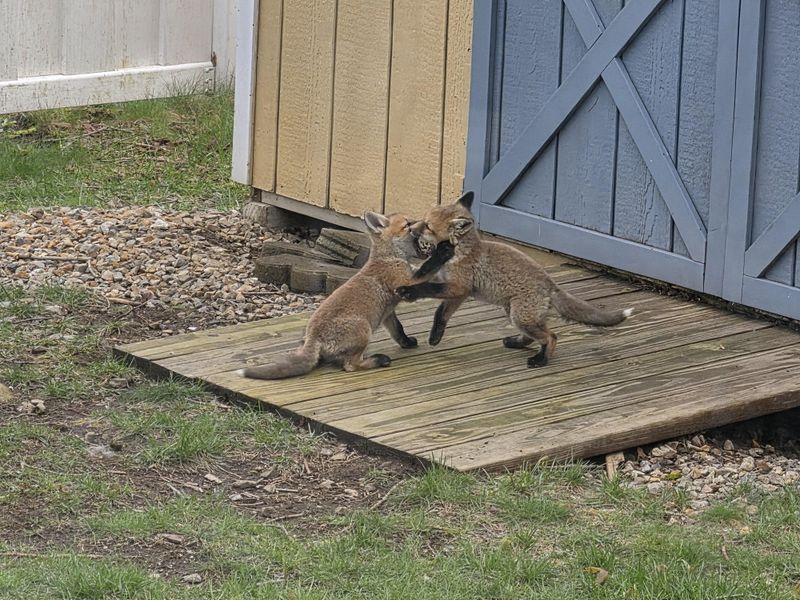
Georgia’s wildlife agency places red fox mating season in January and February, according to the Georgia DNR fox fact sheet. That fact sheet is dated 2016, but the seasonal timing it describes is the window wildlife managers point to for red foxes.
So if you have seen a fox in your yard in the middle of winter, the calendar lines up with breeding season.
A University of Georgia urban wildlife guide adds that foxes may be more active during the breeding season. You can read about that in the UGA fox ecology guide.
More movement can mean more chances for a person to glance out a window and catch one passing through. Bare winter trees and shorter days can also change when and where you happen to see wildlife.
Still, think of breeding season as a plausible contributor, not a verdict. A fox trotting across your lawn is not proof that it is searching for a mate.
It could be following a favorite travel route, checking for food, or simply cutting through on the way somewhere else.
The helpful takeaway is that a winter fox sighting is a normal thing to see in Georgia, and the season gives you one reasonable explanation. The sections below cover the other possible reasons, how to tell which kind of fox you saw, and what to do to keep everyone, including the fox, safe.
Could the fox be a different species?
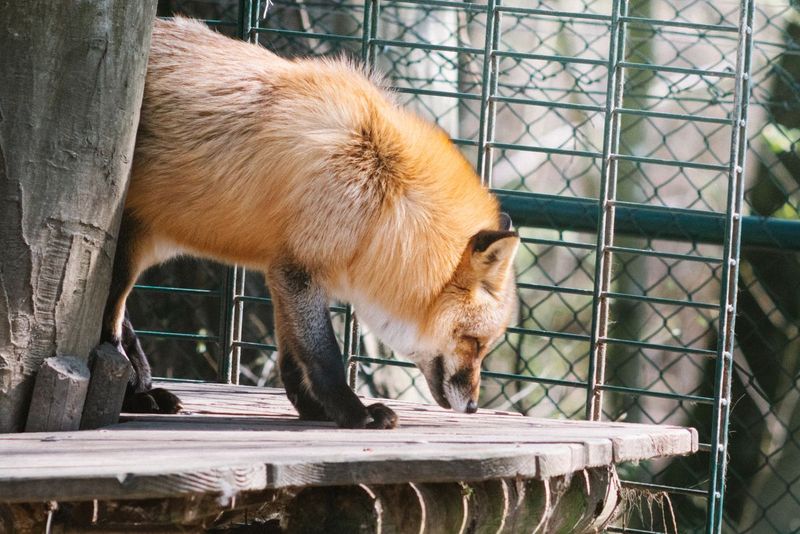
Georgia is home to both red foxes and gray foxes, and a quick look from a window rarely settles which one you saw. According to Georgia DNR’s Living with Foxes guide, a red fox is typically reddish and has a bushy tail with a white tip.
A gray fox looks grizzled gray with reddish patches.
Lighting matters a lot. At dusk, in shade, or under a streetlight, a reddish coat can look brownish or gray, and a gray fox’s rusty patches can look more orange than expected.
Distance, fast movement, and a partial view of the tail can make identification even harder.
The species question matters because the mating seasons differ. The Georgia DNR fact sheet, dated 2016, lists January through February for red foxes and a longer window, January through April, for gray foxes.
So a fox seen in March might be a gray fox in its breeding season, while one seen in late winter could be either species.
If you want a better answer, note the tail tip, the overall coat color, and whether you can see reddish patches against gray fur. A photo taken from indoors, without approaching, can help a wildlife professional weigh in.
Without a clear look, it is fair to just say you saw a fox.
Food and shelter can also draw foxes into yards
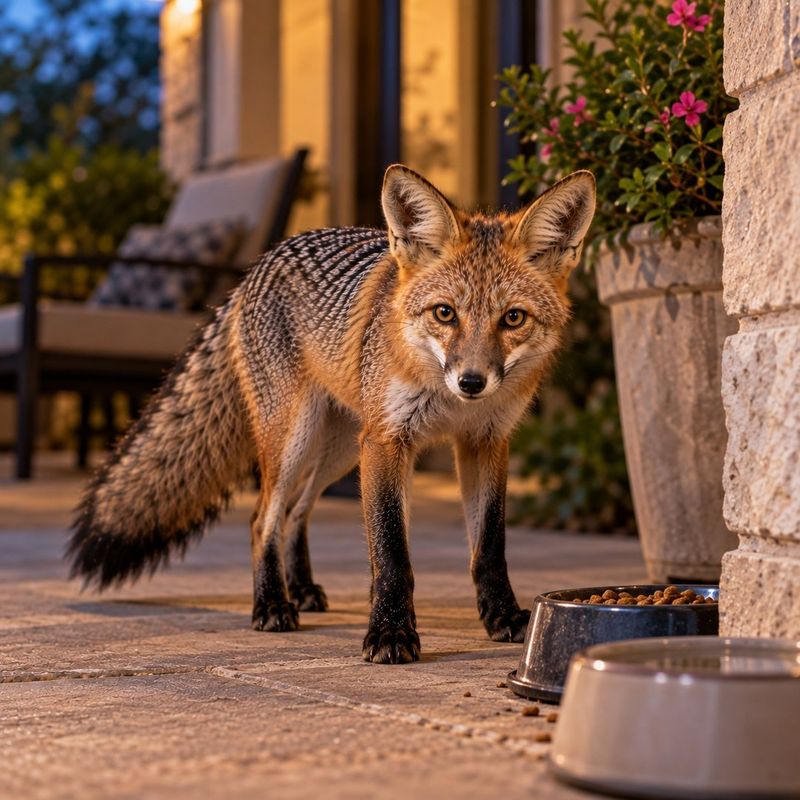
Mating season is only one piece of the puzzle. The UGA urban wildlife guide notes that red foxes may use urban areas more in winter, when natural food is harder to find and human-related food is easy to reach.
You can see that point in the UGA fox ecology guide.
Foxes are adaptable animals, and Georgia DNR says they do well in places shaped by people. Its Living with Foxes guidance names garbage, pet food, and spilled birdseed that attracts rodents as possible food attractants.
In other words, a neat-looking yard can still offer a snack bar.
Shelter can matter too. Spaces under decks, sheds, and porches may offer cover from wind and rain, which is a reasonable draw during cold weather.
Brush piles and overgrown corners can serve a similar purpose.
These are general patterns, not explanations for any single visit. A fox that crossed your yard once may not have been interested in your trash, your birdseed, or your shed at all.
It may just have been passing through. What you can do is check whether your yard offers easy rewards, because removing them is a simple step that makes sense whatever the fox was up to.
Daylight alone is not a rabies warning
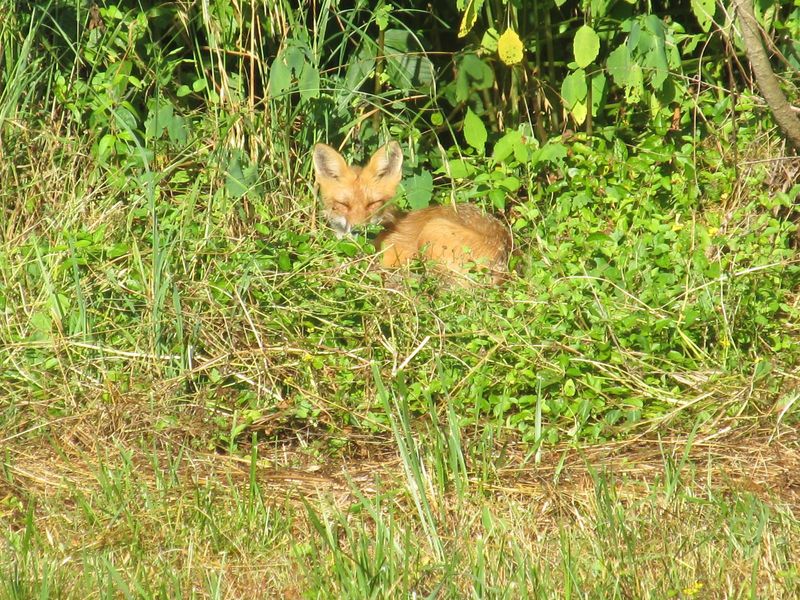
Plenty of people assume a fox out in the daytime must be sick. Georgia DNR says foxes are usually nocturnal hunters but that daytime sightings are not uncommon.
A fox hunting, resting, or crossing a yard in the afternoon sun is not a rabies sign on its own.
Behavior is the better clue. The Georgia Department of Public Health’s rabies guidance points to abnormal actions such as staggering, difficulty walking, unusual aggression, or seeming overly friendly.
A fox that looks alert, moves smoothly, and keeps its distance from you is acting in a typical way.
Say you notice a fox that wobbles, struggles to walk, or walks toward people without fear. That is the kind of behavior worth taking seriously.
Stay away from it, keep children and pets indoors, and call your local animal control or a qualified wildlife professional for advice.
Keep the risk in proportion. Seeing a fox is not automatically an emergency.
Wild foxes should still never be approached or handled, but you do not need to treat a calm daytime visitor as a threat.
Remove food rewards that can keep foxes coming back
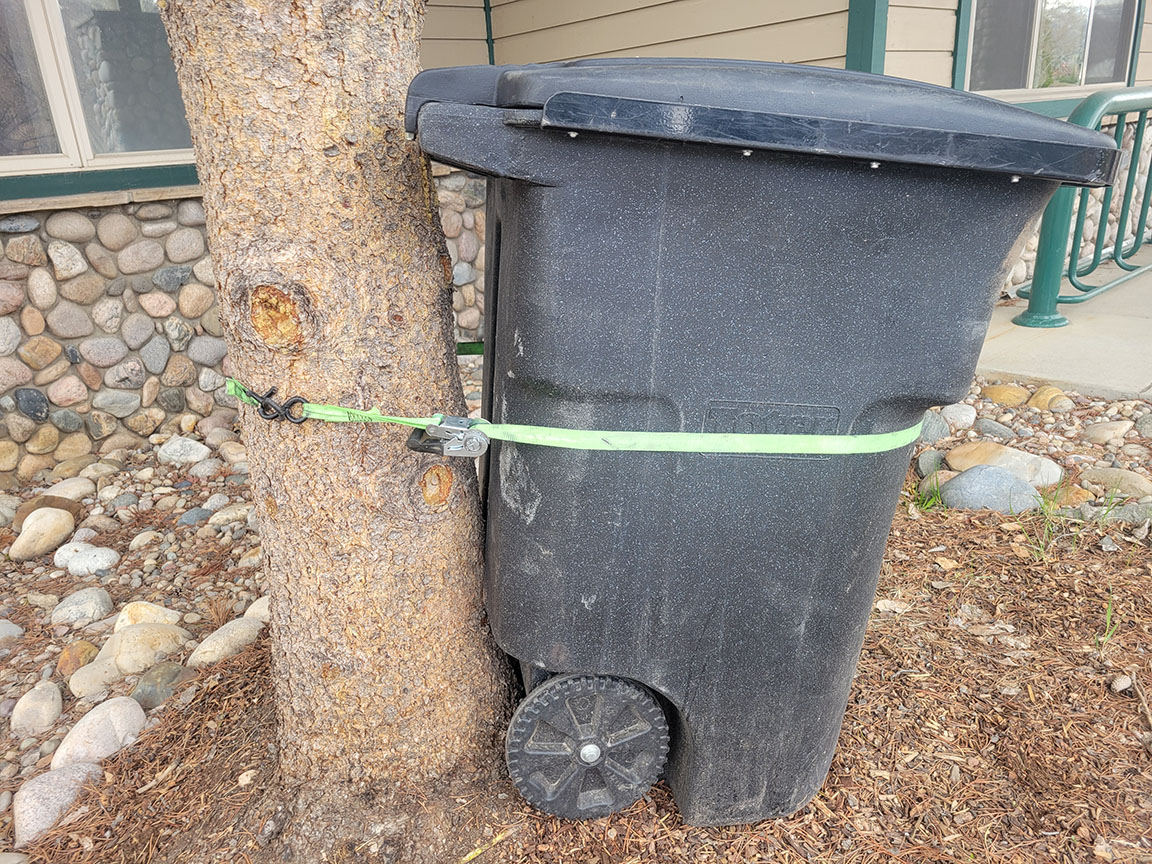
The easiest way to make a yard less interesting to a fox is to take away the rewards. Georgia DNR’s Living with Foxes guide recommends never feeding foxes, securing garbage, and securing pet food.
Even a well-meaning handout can teach a wild animal to come back and to lose its caution around people.
Start with the trash. Use cans with tight lids, and put bags out on collection morning instead of the night before.
Bring pet bowls inside after feeding, and store pet food in a closed container.
Birdseed deserves a look too. Spilled seed attracts rodents, and rodents can attract foxes.
Sweep up under feeders regularly, or use a tray that catches what falls.
If a fox does linger, the same guidance suggests non-contact hazing to encourage it to move along. Yelling, banging pots and pans, or spraying a hose or using a motion-activated sprinkler are examples.
Do this from a safe distance, and never chase, corner, or approach the animal. Leave it a clear path to leave the yard.
Protect pets and poultry with simple precautions
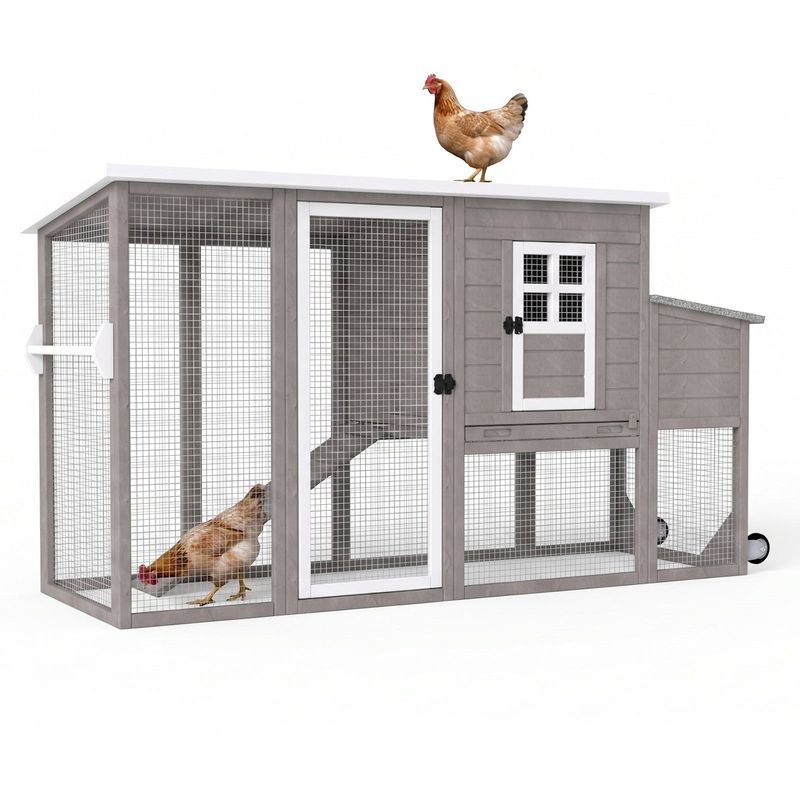
Sensible precautions go a long way, and they do not require assuming the worst. The UGA fox guide recommends supervising pets while they are outdoors and securing animals at night, as described in the UGA urban fox guidance.
These habits protect pets from many outdoor hazards, not just foxes.
For dogs, that can mean staying within sight during yard time, especially at dawn and dusk, and using a leash for small breeds if you are unsure. Cats are safest indoors, particularly overnight.
Rabbits, guinea pigs, and other small animals should be kept in sturdy, closed housing.
Poultry needs a secure enclosure. Check that the coop is closed at night, that wire is sturdy, and that there are no gaps or loose panels.
Walk the perimeter now and then for weak spots.
None of this means a fox in your yard is hunting your pets. A fox may simply be passing through, and foxes eat many kinds of food.
The point is to reduce risk quietly, so a rare visit stays just a sighting.
Get guidance before closing a den or arranging removal
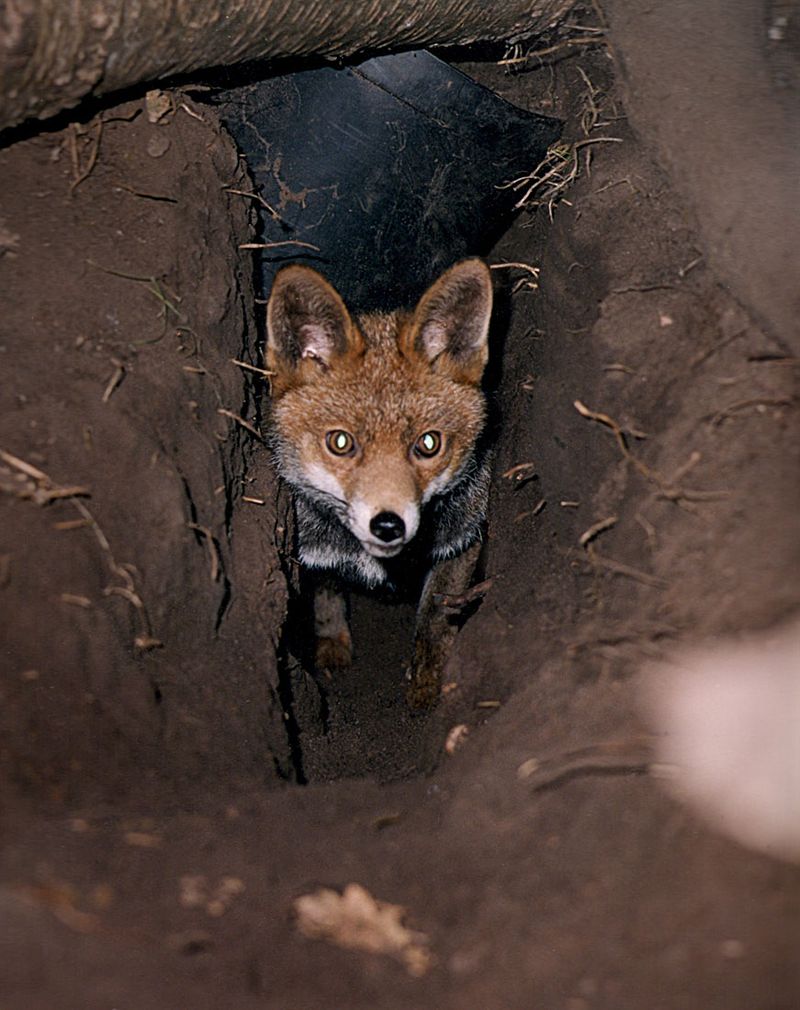
If a fox seems to be living under your deck or shed, resist the urge to seal the opening right away. Rutgers Cooperative Extension warns that closing off an active den can trap adults or young.
Wait until you know for certain that the den is inactive.
Signs of activity can include fresh digging, tracks, or an animal coming and going. Telling an empty den from an occupied one is not always easy, which is one reason expert help is useful.
A qualified wildlife professional can assess the site and suggest next steps.
Removal is a separate question. Georgia DNR notes that removal is subject to hunting and trapping rules and, in some cases, permits, as explained in its Living with Foxes guidance.
Rules can also differ locally.
For that reason, check current state and local requirements before acting, or contact a qualified wildlife operator. Do not try to trap, handle, medicate, or relocate a fox on your own.
A short phone call can save you from legal trouble and keep people and animals safe.
Know what to do after direct contact

Winter fox sightings usually come down to breeding-season activity, food, or shelter, and one sighting does not tell you which. Georgia DNR says seeing a fox is not automatically a reason for concern.
If a fox does bite someone, Georgia DPH says to wash the wound immediately with soap and water and contact a doctor promptly.
A fox in January is a neighbor passing through, not a problem to solve.
Share this story