When the leaves start turning and the air gets crisp, Michigan’s creepy crawlers start looking for a warm place to spend the winter. Sometimes that place is your garage, your woodpile, or even your bedroom closet.
Most of these critters are shy and rarely cause serious harm, but knowing who might be sneaking in can save you a painful surprise. Here are eight venomous visitors that tend to move a lot closer to home once fall arrives.
1. Eastern Massasauga Rattlesnake
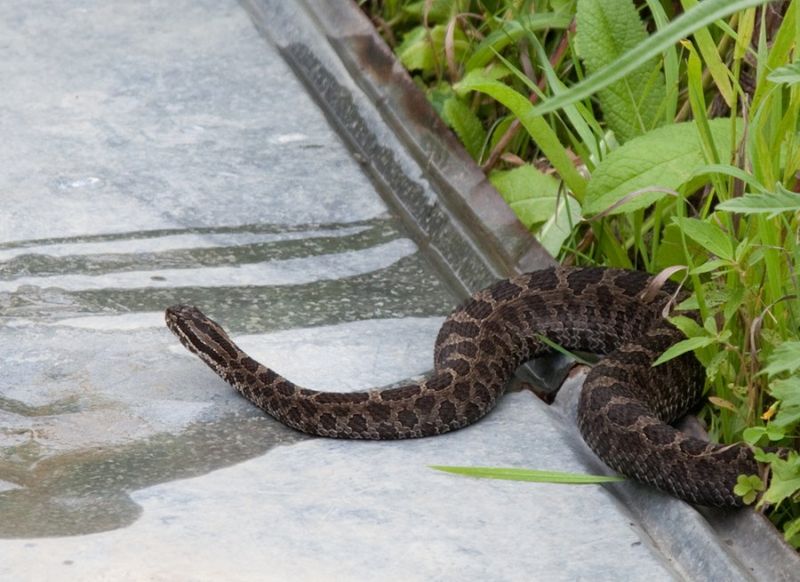
Picture a quiet October afternoon by a marshy backyard in southern Michigan, and a thick, blotchy snake sunning on a flat rock. That is the Eastern Massasauga, the only venomous snake in the entire state.
It is also a federally threatened species, so seeing one is rare and a bit special.
In fall, these rattlers travel toward crayfish burrows and wet areas where they hibernate. That trip can bring them across lawns, trails, and the edges of yards near wetlands.
They are slow to strike and would much rather stay hidden.
If you spot one, simply back away and give it space. Never try to move or kill it, since it is protected by law.
Bites are uncommon, but anyone who gets bitten should head to a hospital right away.
2. Yellowjackets
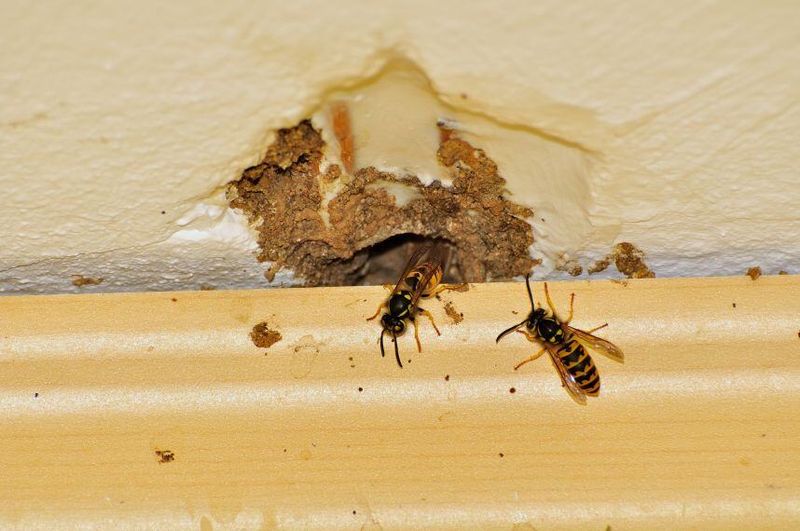
Ever had a yellowjacket crash your apple cider? Late summer and fall are when these striped pests get bold, cranky, and very interested in your snacks.
Their colonies are at peak size, and the workers are hungry for sugar.
Many nests are built underground or inside wall gaps, so mowing the lawn or raking leaves can stir up a swarm fast. Unlike honeybees, yellowjackets can sting again and again.
That makes them the most likely venomous critter to actually hurt you this season.
Keep drinks covered outdoors and check before sipping. Seal trash cans tightly.
If you find a nest near your door, calling a pest pro is the smartest move.
3. Northern Black Widow Spider
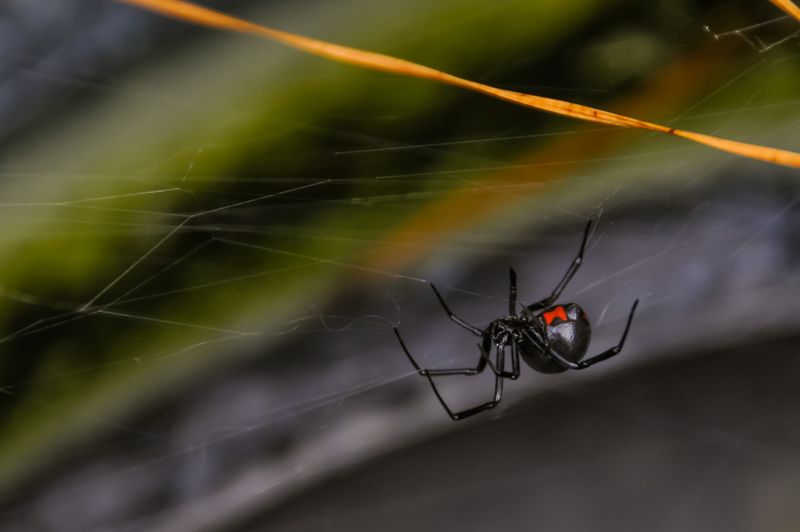
Shiny, black, and marked with a broken red hourglass, the northern black widow looks like it came straight out of a Halloween decoration. Turns out it lives in Michigan for real.
It loves dark, undisturbed spots.
Fall is firewood season, and that is exactly where these spiders like to hide. Woodpiles, sheds, old flowerpots, and garage corners make cozy homes.
Grabbing a log without looking is how many bites happen.
Their venom affects nerves and can cause muscle cramps and pain, though deaths are extremely rare. Wear thick gloves when handling wood or boxes.
Shaking out stored items before using them is a simple habit that pays off.
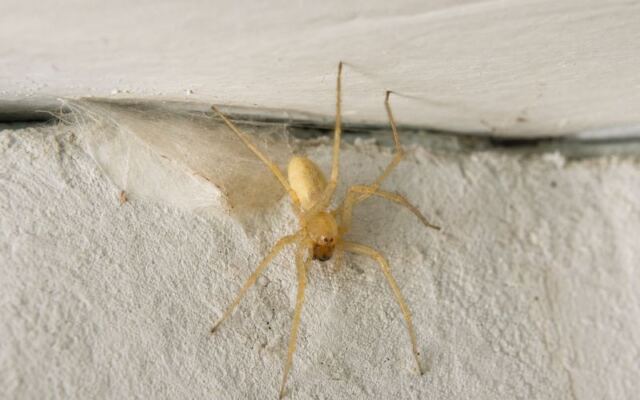
4. Yellow Sac Spider
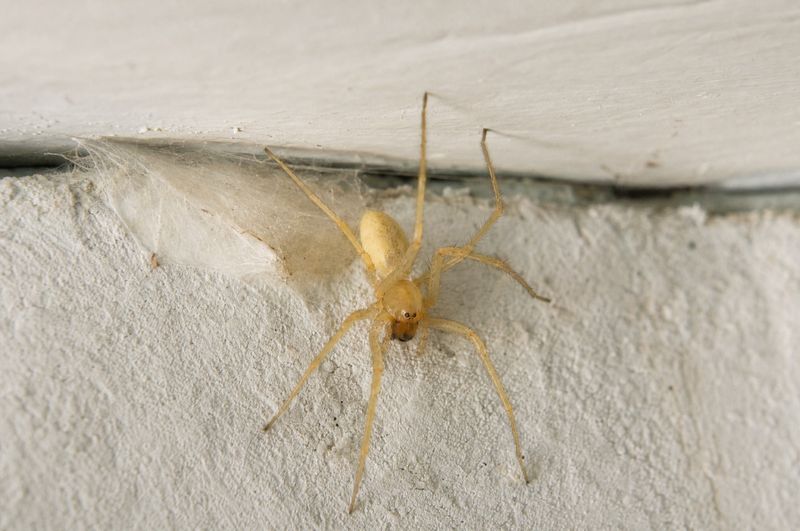
Here is a sneaky one most people have never heard of. The yellow sac spider is small, pale, and roams around at night hunting instead of spinning webs.
When temperatures drop, it often wanders indoors.
These spiders are known for ending up in bedsheets, clothes, and shoes. Bites usually happen when one gets trapped against skin.
The result is often a red, itchy bump that heals on its own in a week or two.
Fun fact: many bites people blame on brown recluses in Michigan are probably from sac spiders instead. Shake out shoes and keep bedding off the floor to avoid surprises.
5. Bald-Faced Hornets
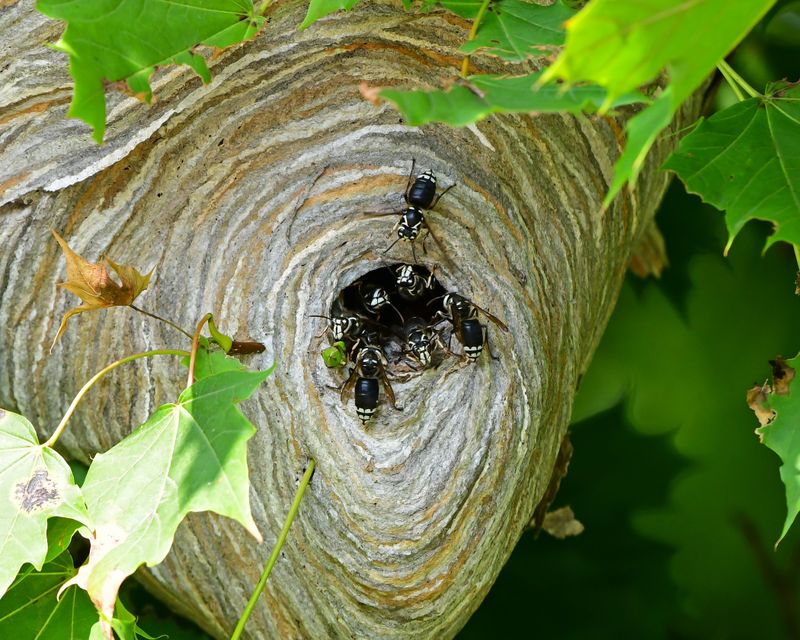
Once the leaves fall off the trees, many Michigan families suddenly notice a giant gray paper ball hanging over the yard. Surprise!
That football-sized nest belongs to bald-faced hornets, and it was probably there all summer.
These black-and-white insects are actually a type of yellowjacket. They are fiercely protective of their nest and will chase intruders.
Early fall is when colonies are biggest and most defensive.
The good news is that hard frosts kill the workers, and old nests are not reused. Until then, keep your distance and leave nest removal to experts.
Waiting for winter is often the easiest solution.
6. Brown Recluse Spider
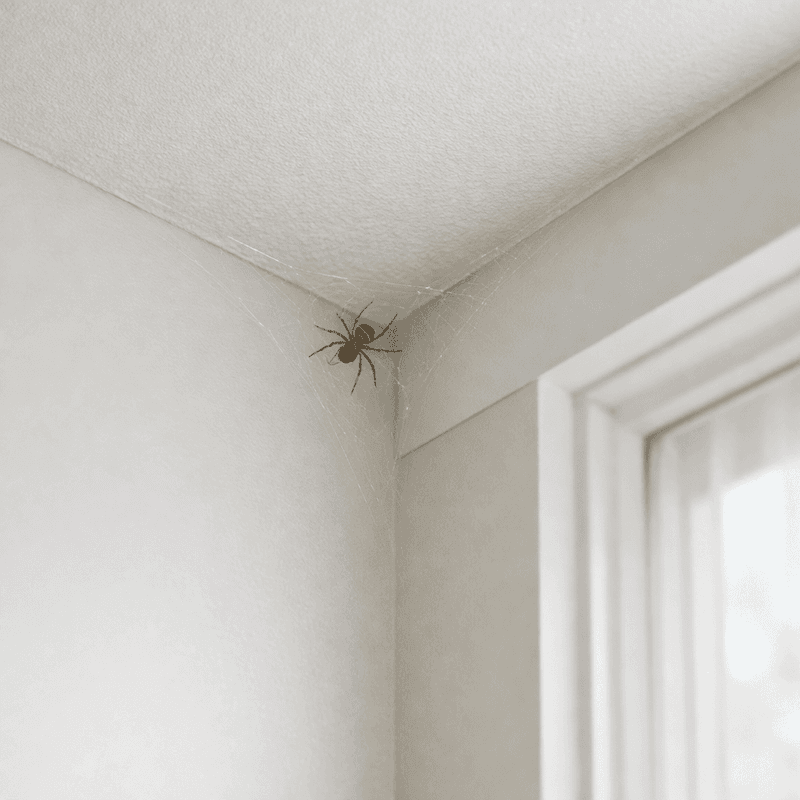
Let’s clear up a big myth first. Brown recluses are not native to Michigan, and true sightings are rare.
Still, a few do hitch rides in boxes and furniture from southern states.
When they show up, they hide in basements, closets, and storage bins, which are the very places people dig into when pulling out fall and holiday gear. Look for a violin-shaped mark on the back and six eyes instead of eight.
Bites can sometimes cause a slow-healing sore, so medical care matters if one occurs. Using sealed plastic bins instead of cardboard keeps hitchhikers from settling in.
A quick inspection of moved boxes goes a long way.
7. Paper Wasps
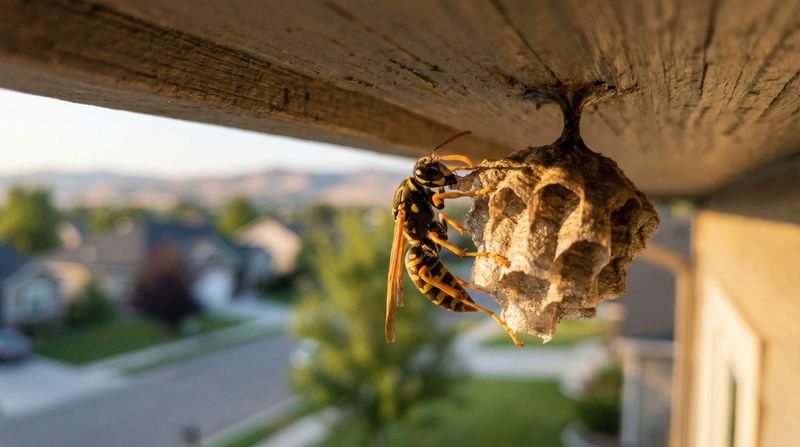
Long dangling legs and an umbrella-shaped nest under the porch roof make paper wasps easy to recognize. In autumn, the new queens go looking for safe places to spend the cold months.
Attics, window frames, and siding cracks fit the bill perfectly.
That is why you might find a sleepy wasp on a windowsill in November or even in January on a warm day. They are less aggressive than yellowjackets but will still sting if pressed or stepped on.
Sealing gaps around windows and vents before winter keeps most of them out. Barefoot walks across sunny floors?
Maybe glance down first.
8. House Centipede
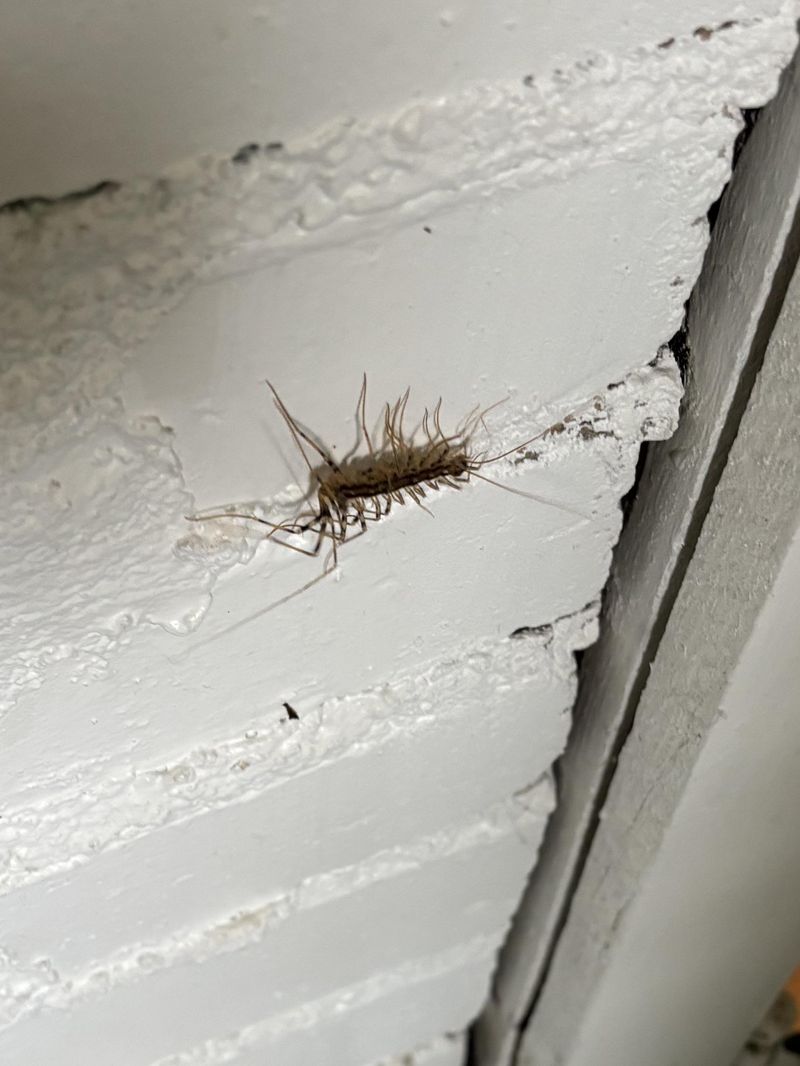
Few things make people shriek like a house centipede zipping across the bathroom floor on fifteen pairs of legs. Fall pushes these speedy hunters indoors, where damp basements and bathrooms feel just right.
Yes, they are technically venomous. They use tiny fangs to stun insects, but their bite on humans is rare and feels like a mild bee sting at worst.
Most can barely break skin.
Honestly, they are kind of helpful roommates, munching on spiders, silverfish, and even bed bugs. If you would rather not share, a dehumidifier makes your home less appealing.
Fewer bugs to eat means fewer centipedes, too.
Share this story